

2006-2023 Jaguar Transmission Oil Cooler Leaks & Failure Symptoms
This guide covers the common failure points, symptoms, and replacement costs for the transmission oil cooler used in the Jaguar XF, F-Pace, F-Type, XE, XJ, and XK.
Symptoms of a Failing Transmission Oil Cooler


A failing transmission oil cooler can present a range of symptoms, from minor leaks to issues that can cause severe transmission damage. Early detection is key to avoiding costly repairs.
1. External Fluid Leaks
The most common and obvious sign of a problem is a fluid leak. You may notice puddles or drips under the front of your vehicle. It's important to identify the fluid type:
- Transmission Fluid: This fluid is typically reddish or brown, feels oily, and is thinner than engine oil. A leak of this fluid indicates a failure in the cooler itself or one of the connecting lines.
- Engine Coolant: A coolant leak from the cooler's connections can also occur. Coolant is often brightly colored (green, orange, or pink) and has a sweet smell.
2. Internal Failure and Fluid Contamination
The most severe failure mode is an internal breach within the heat exchanger. This allows engine coolant and transmission fluid to mix, which is catastrophic for the transmission. Signs of this include:
- Milky or Pink Fluid: When checking the transmission fluid or engine coolant, a milky, frothy, or pink "strawberry milkshake" appearance indicates cross-contamination.
- Sudden Transmission Failure: Coolant contamination will quickly destroy the clutches and internal components of the automatic transmission, leading to a complete failure that often occurs without much warning. In many cases, the transmission will require a full replacement.
3. Transmission Performance Issues
When the cooler is clogged or leaking, it can't regulate the fluid temperature effectively, leading to performance problems:
- Overheating Transmission: The transmission may run hotter than normal, which can trigger a dashboard warning light.
- Erratic or Slipping Gears: Low or overheated fluid can cause delayed shifts, hesitation, or a feeling that the transmission is slipping between gears.
- Unusual Noises: You might hear whining, gurgling, or clunking sounds from the transmission area, indicating poor lubrication or excessive friction.
- Burning Smell: Overheated transmission fluid can break down and create a distinct burning odor.
Warning: If you suspect engine coolant has mixed with your transmission fluid, do not continue to drive the vehicle. Doing so can cause irreparable damage to the transmission, turning a moderately expensive cooler replacement into a very expensive transmission replacement.
Known Issues, TSBs, and Recalls

While this transmission oil cooler is used across a wide range of Jaguar models, there are a few vehicle-specific issues to be aware of. There are no known safety recalls for this specific part.
TSB for 'Howl' Noise: 2016-2017 XF, 2017 XE, 2017 F-Pace
Jaguar issued Technical Service Bulletin JTB00493NAS1 for a 'howl' noise heard during low-speed deceleration (between 1,800-1,100 RPM). This is not a sign of part failure, but rather an oil flow noise from the cooler that resonates through the front subframe. The official fix is to install updated foam insulation pads on the cooler's mounting bracket to dampen the vibration.
Service Message for F-Pace Pipe Leaks: 2017-2018 F-Pace
Jaguar also released a service message (SSM73984) to investigate failures of the transmission oil cooler pipes on some F-Pace models. This could involve fluid leaks at the connections or a failure of the thermostat located within the pipes, which could cause the transmission to overheat.
Buying a Used Transmission Oil Cooler
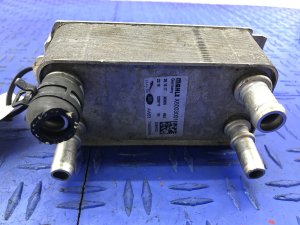
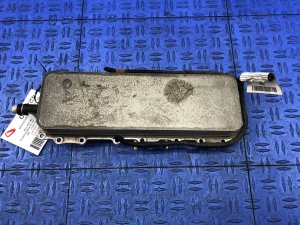
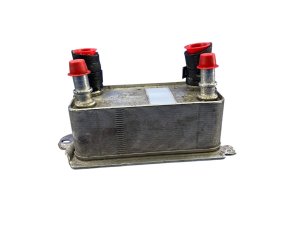
A used OEM transmission oil cooler can be a cost-effective alternative to a new part, but careful inspection is critical to ensure you're getting a reliable component. Cheap aftermarket coolers may not offer the same durability or precise fit as an original part.
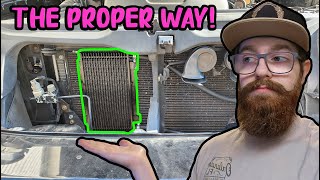
🎬 Watch: How to install an aftermarket transmission coolerWhat to Check Before You Buy:
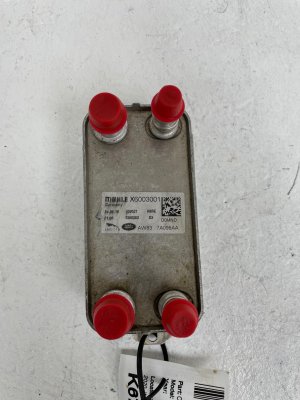
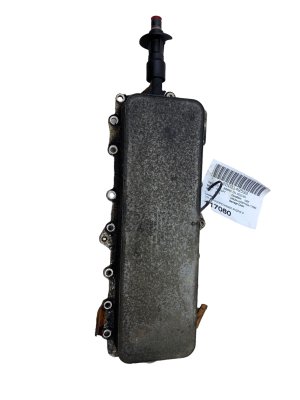
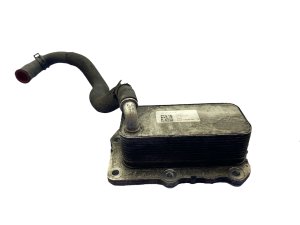
- Verify Part Numbers: Ensure the used part number (e.g., AW83-7A095-AA, C2Z18818, LR036354) matches what is required for your vehicle.
- Inspect for Physical Damage: Look closely for any cracks in the housing, especially around the hose fittings. Check that the cooling fins are straight and not heavily damaged, as this can impede airflow.
- Check for Corrosion: Examine the aluminum body and especially the hose connection points for heavy corrosion or pitting, which can compromise the seal.
- Look for Stains: Any dark, oily stains around the seams or fittings are a red flag indicating a past leak.
- Flush Before Installation: It is absolutely essential to thoroughly flush a used cooler before installing it. Use a dedicated transmission cooler flushing product to remove any old fluid, sludge, or potential contaminants from the donor vehicle. Failure to do so could introduce debris into your transmission.
Pro Tip: When replacing the cooler, it's also a good time to inspect the associated rubber and metal hoses. These can become brittle and are a common source of leaks. Replacing them at the same time as the cooler can prevent future problems.
Cost to Replace Jaguar Transmission Oil Cooler
The cost of replacement can vary based on your vehicle model and local labor rates. The cooler itself is moderately priced, but labor can be significant.
| Part/Service | Estimated Cost |
|---|---|
| New OEM Part | $250 - $325 |
| New Aftermarket Part | $100 - $150 |
| Used OEM Part | $50 - $120 |
| Shop Labor | $270 - $400 |
| Total Professional Replacement | $650 - $850 |
Frequently Asked Questions
Is this an engine oil cooler or a transmission oil cooler?
This is an automatic transmission oil cooler. While it uses engine coolant to function, its sole purpose is to cool the fluid for the automatic transmission, not the engine oil.
Can I replace just the leaking hoses?
Yes, in some cases, the flexible rubber sections of the cooler lines can be replaced without replacing the entire assembly. However, if the cooler unit itself is leaking or internally clogged, the entire component must be replaced.
Is a transmission fluid flush required when replacing the cooler?
A fluid flush is highly recommended, especially if the old cooler failed internally and contaminated the fluid. At a minimum, you will need to perform a drain and fill, as a significant amount of fluid will be lost during the replacement. This is also the perfect time to replace the transmission fluid filter, which is often integrated into the transmission pan.
What vehicles does this part fit?
This transmission oil cooler fits a wide range of Jaguar models, including the 2009-2023 XF, 2015-2017 F-Pace, 2014-2021 F-Type, 2015-2017 XE, 2010-2019 XJ, and 2006-2014 XK. It is also used on some Land Rover models. Always confirm the OEM part number for your specific vehicle before purchasing.
Helpful Videos
We Have This Part in Stock

The information in this article is provided for general reference and educational purposes only. Vehicle specifications, procedures, and part compatibility can vary by production date, trim level, and region. Always consult your vehicle's factory service manual and verify part numbers before purchasing or performing repairs. Safety-critical components such as airbags, seat belts, and braking systems should be installed by a qualified professional.
- Jaguar XF:
- Jaguar F-Pace:
- Jaguar F-Type:
- Jaguar XE:
- Jaguar XJ:
- Jaguar XK:
- 🎬 Helpful Videos
- 🛍️ Shop This Part
- Symptoms of a Failing Transmission Oil Cooler
- 1. External Fluid Leaks
- 2. Internal Failure and Fluid Contamination
- 3. Transmission Performance Issues
- Known Issues, TSBs, and Recalls
- TSB for 'Howl' Noise: 2016-2017 XF, 2017 XE, 2017 F-Pace
- Service Message for F-Pace Pipe Leaks: 2017-2018 F-Pace
- Buying a Used Transmission Oil Cooler
- What to Check Before You Buy:
- Cost to Replace Jaguar Transmission Oil Cooler
- Frequently Asked Questions
- 🎟️ Get 5% Off