

1999-2010 Saab 9-5 Engine Oil Cooler: A Guide to Leaks & Contamination
This guide covers the common failure points, symptoms, and replacement costs for the engine oil cooler on 1999-2010 Saab 9-5 models with the 2.3L engine.
- The most critical failure symptom is the mixing of oil and coolant, visible as a milky sludge in the coolant tank or on the oil dipstick. If seen, stop driving immediately.
- This oil cooler is specific to the 2.3L (B235) engine in 1999-2010 Saab 9-5 models.
- When buying a used cooler, inspect it for any signs of milky residue inside the ports; if present, the part has already failed.
- Replacing a failed cooler requires flushing the entire cooling system and performing multiple oil changes to remove all contamination.
Symptoms of a Failing Engine Oil Cooler
The most common failure for the Saab 9-5 oil cooler is an internal breach, which allows oil and coolant to mix. This is a serious condition that requires immediate attention. External leaks can also occur, but are less frequent.
- Oil in the Coolant: This is the most definitive symptom. When checking your coolant expansion tank, you may find a thick, milky, or sludgy substance that looks like chocolate milk or mayonnaise. This indicates that higher-pressure engine oil is being forced into the lower-pressure cooling system through a crack inside the cooler.
- Coolant in the Oil: The reverse of the above, this is even more dangerous for your engine. When you check the oil dipstick, the oil will appear milky, frothy, or like coffee with too much cream. Coolant contamination severely degrades the oil's ability to lubricate, which can quickly lead to catastrophic engine damage.
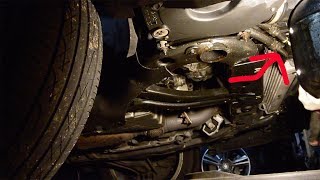
- External Leaks: You might notice oil dripping onto the ground from the area around the oil filter housing. 🎬 See this walkthrough for finding leaks and replacing the cooler Often, oil will leak from the cooler or its seals and coat the side of the engine block and oil pan.
- Engine Overheating: If the cooler is clogged internally or has a significant leak leading to low coolant levels, the engine may run hotter than normal or overheat entirely.
- Low Fluid Levels: A failing oil cooler can cause a gradual or rapid loss of either engine oil or coolant, requiring frequent top-offs.
Warning: If you find evidence of oil and coolant mixing, do not continue to drive the vehicle. Doing so can lead to severe and permanent engine damage, turning a manageable repair into a complete engine replacement.
Known Issues, TSBs, and Recalls
The engine oil cooler itself has not been the subject of any specific recalls or Technical Service Bulletins (TSBs) for the 1999-2010 Saab 9-5. Searches of the National Highway Traffic Safety Administration (NHTSA) database show recalls for this vehicle related to airbags, wheel bolts, and A-pillar trim, but none pertaining to the oil cooler or related engine cooling components. The primary known issue is the potential for internal failure leading to fluid cross-contamination, which is a common failure mode for this type of part across many vehicles.
Buying a Used Engine Oil Cooler
A used OEM engine oil cooler can be a cost-effective and reliable alternative to expensive new parts, especially since many aftermarket options may not meet original factory specifications. Here’s what to inspect before buying:
- Check for Contamination: Look inside the inlet and outlet ports for both oil and coolant. There should be no signs of a milky, sludgy residue. Any evidence of cross-contamination means the cooler has already failed and should be rejected.
- Inspect for Physical Damage: Check the body of the cooler for cracks, dents, or heavy corrosion. Examine the mounting points and threaded ports to ensure they are not stripped or damaged.
- Flush Before Installation: Even if a used cooler looks clean, it's wise to flush it with a solvent to remove any old oil or sediment. However, SAAB documentation notes that the cooler cannot be reliably flushed of contamination if it has failed internally, so it's critical to buy a part that shows no signs of mixing.
- Verify Compatibility: This oil cooler is specifically for Saab 9-5 models with the 2.3L (B235) engine. Ensure the part numbers match your vehicle's requirements. The primary OEM part number is 12778197, which supersedes 4726436.
Pro Tip: When installing a replacement oil cooler, always use new gaskets and O-rings to ensure a proper seal and prevent leaks. Reusing old seals is a common cause of installation failure.
Cost Comparison
Prices can vary based on supplier and location. The following is an estimated cost breakdown:
| Part Type | Estimated Cost |
|---|---|
| New OEM | $320 - $340 |
| New Aftermarket | $50 - $125 |
| Used OEM | $40 - $90 |
| Shop Labor | $61 - $175 |
Note: Labor costs for a full replacement, including flushing the cooling system and changing the oil, will be higher.
Replacement Overview
- Difficulty: 3 out of 5. The replacement is straightforward for an experienced DIY mechanic but can be challenging due to tight access.
- Location: The oil cooler is mounted to the side of the engine block, typically near the oil filter housing. On some models, it is located behind the front bumper/radiator assembly.
- Procedure: The process generally involves draining the engine oil and coolant, removing components for access (like the battery box or headlight assembly), disconnecting the oil and coolant lines, 🎬 Watch: How to replace the oil cooler lines on your Saab unbolting the cooler, and then reinstalling in reverse order. Always replace gaskets and O-rings. After installation, the cooling system must be refilled and bled, and the engine oil must be replaced.
Frequently Asked Questions (FAQ)
Can I just bypass the oil cooler instead of replacing it?
No, this is not recommended. The oil cooler is essential for managing oil temperatures in the turbocharged 2.3L engine. Bypassing it can lead to oil overheating, loss of lubrication, and severe engine damage.
If my oil and coolant are mixed, what else needs to be done besides replacing the cooler?
You must perform a complete cooling system flush to remove all oil residue. Multiple flushes may be necessary. You also need to change the engine oil and filter at least twice—once to drain the contaminated oil, and again after a short run time to remove any remaining coolant.
Is an external leak from the oil cooler as serious as an internal one?
While any fluid leak needs to be addressed, an external oil leak is generally less critical than an internal failure where fluids mix. An external leak can lead to low oil levels and make a mess, but it doesn't contaminate your entire cooling and lubrication system.
Will a bad oil cooler cause a Check Engine Light?
A failing oil cooler might not trigger a specific trouble code itself, but the consequences can. For example, severe overheating caused by a clogged cooler or low coolant can trigger an engine temperature-related warning light.
Helpful Videos
Technical Specifications
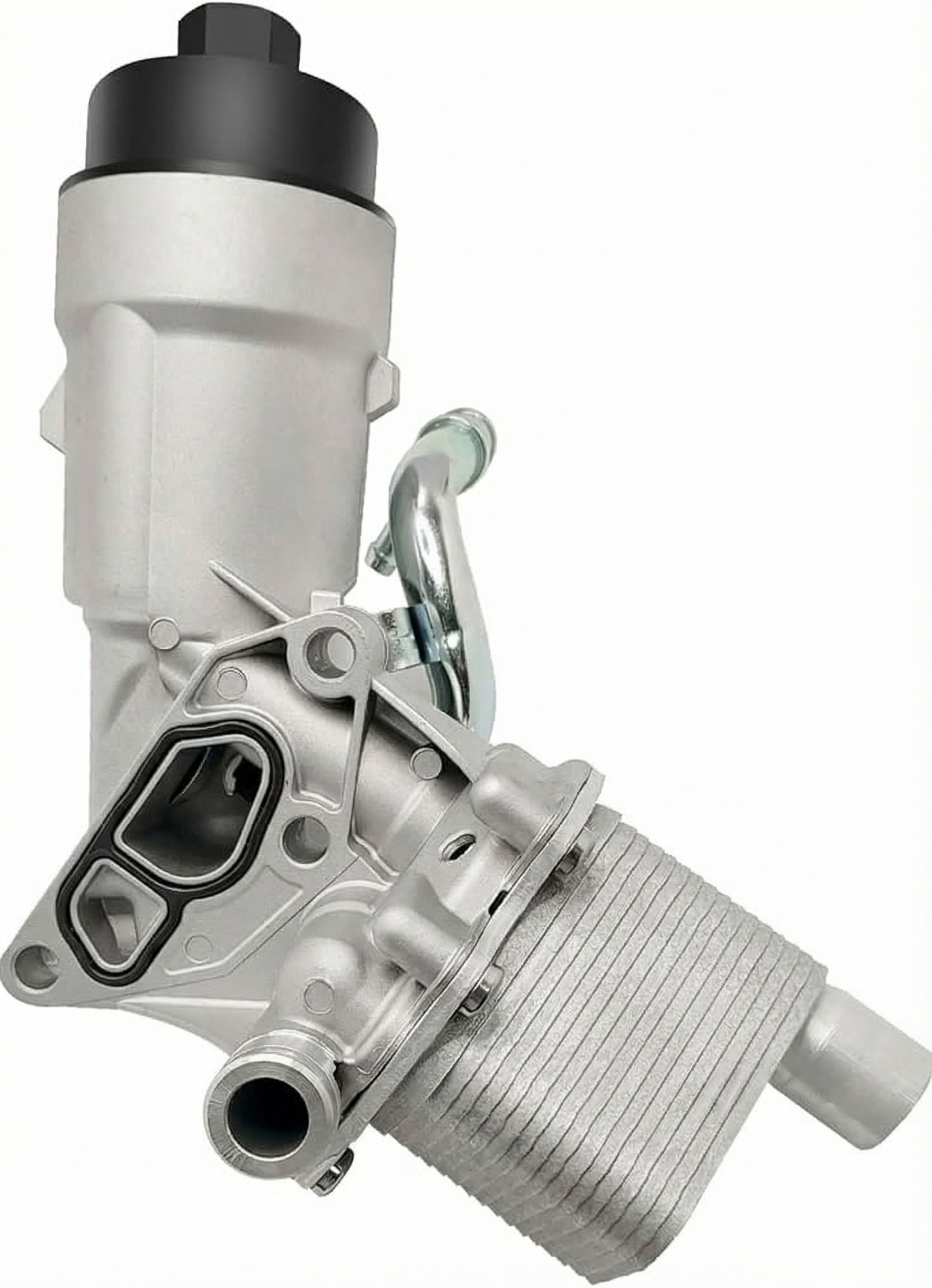
OEM Part Numbers: 12778197 4726436 4729620
Water-to-oil heat exchanger designed for the 2.3L B235 turbocharged engine.
We Have This Part in Stock

The information in this article is provided for general reference and educational purposes only. Vehicle specifications, procedures, and part compatibility can vary by production date, trim level, and region. Always consult your vehicle's factory service manual and verify part numbers before purchasing or performing repairs. Safety-critical components such as airbags, seat belts, and braking systems should be installed by a qualified professional.
- Saab 9-5: