

2017-2024 Model 3 & Model Y Drive Unit Coolant Hoses: Leaks, Part Numbers & Replacement
This guide covers the common coolant hose failures on the Tesla Model 3 and Model Y that can lead to leaks and drive unit overheating.
- The most common failure symptom is a puddle of blue or pink/orange coolant under the rear of the car.
- Replacement requires using the vehicle's on-screen "Service Mode" to run a special "Coolant Air Purge" routine to prevent overheating.
- There are two main coolant types (blue G-48 and orange/pink HTF-LS) that must never be mixed.
- When buying a used hose, carefully inspect the plastic quick-connect fittings for cracks, as this is a common failure point.
Symptoms of a Failing Drive Unit Coolant Hose
Coolant hose failures on a Tesla Model 3 or Model Y can range from slow seeps to sudden leaks. Because the cooling system is vital for both the drive unit and the battery, it's important to recognize the warning signs early.
1. Visible Coolant Leaks
The most obvious symptom is a puddle of coolant under the vehicle, typically near the rear wheels where the rear drive unit is located. Tesla coolant color depends on the vehicle's manufacturing date and location. Early models often use blue G-48 coolant, while newer vehicles may use pink or orange HTF-LS coolant. A visible leak, no matter the size, indicates a component has failed. These leaks often originate from aging hoses, cracked plastic fittings, or loose clamps.
2. On-Screen Warnings
Your Tesla's screen will display alerts if the coolant level drops or the system detects a problem. Common alerts include:
- "Vehicle Coolant Low": This is a direct indicator of a leak in the system. Even if the message disappears, it means the level is borderline and should be inspected.
- "Battery Cooling System Fault" or other thermal warnings: The drive unit and battery cooling loops are interconnected. A leak affecting the drive unit can trigger broader system warnings.
- "Vehicle may not restart" or reduced power alerts: If the drive unit begins to overheat due to a lack of cooling, the car will limit power to protect itself. In severe cases, the screen may go dark as the vehicle shuts down systems to prevent damage from overheating.
3. Changes in Vehicle Behavior
Slow leaks can cause subtle symptoms before a major warning appears. These include:
- Cooling fans running excessively: You may notice the fans running longer or louder than usual after parking or during a Supercharging session as the car struggles to manage temperatures with less coolant.
- Reduced regenerative braking: The car may limit "regen" on warm days to reduce heat generation in the drive unit.
- Slower charging speeds: The thermal management system plays a key role in charging, and a fault can lead to slower charging sessions.
Warning: Never mix different types of Tesla coolant. If your car has blue G-48 coolant, you must top it off with G-48. If it has orange/pink HTF-LS, use only that type. Mixing them can turn the fluid brown, complicate diagnostics, and potentially cause damage.
Buying a Used Drive Unit Coolant Hose
While rubber components like hoses are often best bought new, a high-quality, low-mileage used OEM hose can be a cost-effective and reliable option, especially compared to unbranded aftermarket parts. Here’s what to check before buying.
1. Physical Inspection
- Check for Brittleness and Cracks: Squeeze the rubber hose firmly. It should feel pliable and flexible, not hard, brittle, or crunchy. Carefully inspect the entire length for any surface cracks, especially around bends.
- Inspect Plastic Connectors: The quick-connect fittings are a common failure point. Examine them closely for hairline cracks, discoloration, or any signs of stress. Ensure the locking clips are present and intact.
- Look for Swelling or Soft Spots: Oil contamination or internal degradation can cause sections of the hose to swell or feel mushy. Any such area is a major red flag.
- Verify O-Rings: If possible, check the condition of the O-ring inside the connector. A dry or flattened O-ring will not seal properly and should be replaced.
2. Part Number Verification
The cooling system on the Model 3 and Y uses many different hoses that look similar. It is absolutely critical to match the part number exactly to your vehicle's needs. The warnings provided are clear: a hose for the inlet may not fit the outlet, and a hose for the left side may not fit the right. Provide the seller with your vehicle's VIN and the part number from your old hose to confirm compatibility before purchasing.
3. Age and Mileage Considerations
For a used rubber part, lower mileage and newer manufacturing dates are always better. A hose from a 2-year-old vehicle with 20,000 miles is a much safer bet than one from a 7-year-old car with 150,000 miles. Ask the seller for the donor vehicle's information if possible.
Known Issues, Recalls, and TSBs
As of mid-2024, there are no specific recalls issued by the National Highway Traffic Safety Administration (NHTSA) for drive unit coolant hose failures on the 2017-2024 Tesla Model 3 or Model Y. Most failures are attributed to age, wear and tear, or damage from road debris. In one documented case, road debris pushed a coolant line into the battery pack enclosure, puncturing the hose. While NHTSA has investigated cooling system issues on older Model S vehicles (2012-2016), these investigations do not apply to the Model 3 and Y platform.
Cost of Replacement
The cost to replace a drive unit coolant hose can vary depending on the specific hose and labor rates. The replacement process requires draining, refilling, and bleeding the cooling system, which adds to the labor time.
| Part/Service | Estimated Cost |
|---|---|
| New OEM Coolant Hose | $40 - $150 |
| Used OEM Coolant Hose | $25 - $100 |
| New Aftermarket Hose | $30 - $90 |
| Shop Labor | $250 - $500 |
| Total Estimated Cost (Shop Repair) | $300 - $650+ |
Note: Labor costs can be higher if other components must be removed for access or if the coolant pumps were damaged from running dry. Some complex repairs involving coolant leaks have been reported to cost over $1,000 at a Tesla Service Center.
Replacement Procedure and Difficulty
Replacing a drive unit coolant hose is a moderately difficult task for an experienced DIY mechanic. Access to the hoses can be tight, often requiring the removal of aero shields and wheel arch liners.
Difficulty Rating: 3.5 out of 5
The most critical part of the job is properly refilling and bleeding the cooling system. Tesla vehicles have a specific software routine to purge air from the system.
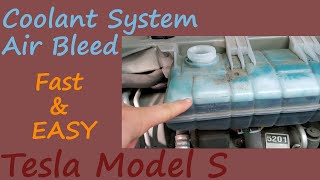
Pro Tip: To properly bleed the system, you must use the vehicle's hidden "Service Mode." This mode contains a "Coolant Air Purge" routine that cycles the coolant pumps and valves to remove trapped air. 🎬 See how to run the coolant air purge routine Attempting to bleed the system without this procedure will likely result in an air-locked pump, leading to overheating. For best results, technicians use a vacuum lift tool to refill the system, which helps prevent air pockets from forming.
Frequently Asked Questions (FAQ)
Can I drive my Tesla with a coolant leak?
It is not recommended. A small leak can quickly become a large one, leading to a loss of coolant that can cause the drive unit and/or battery to overheat. This can result in the vehicle entering a reduced power mode or shutting down completely to prevent catastrophic damage.
What type of coolant does my Model 3 or Model Y use?
It depends on the year and manufacturing location. Many use blue ethylene glycol-based G-48 coolant. Newer North American-built models may use an orange/pink HTF-LS coolant. Always check the color of the coolant in your reservoir before adding more. Do not mix the two types.
Is a drive unit coolant hose the same as a battery coolant hose?
No. While they are part of the same interconnected thermal management system and carry the same fluid, they are distinct parts with different shapes and part numbers. A hose designed for the battery loop will not fit the drive unit cooler.
Do I need special tools to replace a coolant hose?
Aside from standard mechanic's tools, a vacuum coolant refiller (such as an Airlift tool) is highly recommended to prevent air pockets. You will also need to access the vehicle's Service Mode through the touchscreen to run the automated air purge procedure.
Helpful Videos


Technical Specifications
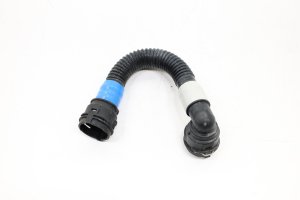
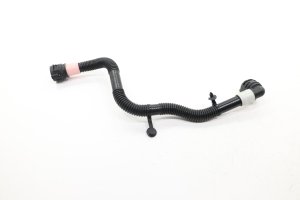
OEM Part Numbers: 1077585-00-E 1077585-00-F 150129300B 150132500B 150132500C 1501332-00-B 1501332-00-D 1501332-00-E 150133200B 153012300A 1077595-00-E 1647666-00-B
Coolant Type: Tesla G-48 (blue) or Tesla HTF-LS (orange/pink). System requires a specific air-purge procedure via Service Mode after repair.
We Have This Part in Stock

The information in this article is provided for general reference and educational purposes only. Vehicle specifications, procedures, and part compatibility can vary by production date, trim level, and region. Always consult your vehicle's factory service manual and verify part numbers before purchasing or performing repairs. Safety-critical components such as airbags, seat belts, and braking systems should be installed by a qualified professional.
- TESLA MODEL 3:
- TESLA MODEL Y:
- 🎬 Helpful Videos
- 🛍️ Shop This Part
- Symptoms of a Failing Drive Unit Coolant Hose
- 1. Visible Coolant Leaks
- 2. On-Screen Warnings
- 3. Changes in Vehicle Behavior
- Buying a Used Drive Unit Coolant Hose
- 1. Physical Inspection
- 2. Part Number Verification
- 3. Age and Mileage Considerations
- Known Issues, Recalls, and TSBs
- Cost of Replacement
- Replacement Procedure and Difficulty
- Frequently Asked Questions (FAQ)
- 🎟️ Get 5% Off