

Diagnosing 2.0T Engine Piston Problems in 2016-2024 Audi A3, Q3 & TT
This guide covers the common symptoms of piston and piston ring failure, inspection tips for used parts, and repair costs for the 2.0T engine in the Audi A3, Q3, and TT.
- Piston failure is a critical issue that requires immediate attention to avoid complete engine destruction.
- The most common symptoms are excessive oil consumption and blue/gray smoke from the exhaust.
- This is an expert-level repair; it is not recommended for DIY mechanics due to its complexity and the need for specialized tools.
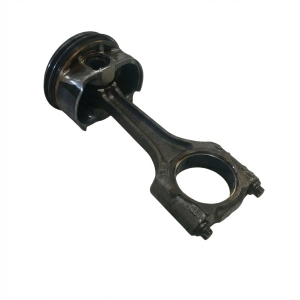
- When purchasing a used piston, carefully inspect the crown, skirt, and ring lands for damage. Always verify the OEM part number (06K107065CC) for compatibility.
Symptoms of Piston and Piston Ring Failure
A failing piston or worn piston rings in your Audi A3, Q3, or TT will produce several distinct symptoms. Because these components are deep inside the engine, the signs are often related to engine performance, oil consumption, and exhaust smoke.
1. Excessive Oil Consumption
One of the most common signs of worn piston rings is a sudden increase in oil consumption. If you find yourself needing to add oil much more frequently than the recommended 5,000-mile interval, it could indicate that the rings are no longer sealing properly. This allows oil from the crankcase to leak past the rings and into the combustion chamber, where it gets burned along with the fuel.
2. Blue or Gray Smoke from the Exhaust
When oil burns in the combustion chamber, it produces a distinct blue or dark gray smoke from the exhaust pipe, often accompanied by the smell of burning oil. This is a strong indicator that oil is getting past the piston rings. While a small puff of smoke on a cold start can be normal, continuous blue smoke while driving is a clear sign of a problem.
3. Reduced Engine Power and Poor Acceleration
Worn or damaged pistons and rings lead to a loss of compression in the cylinders. The engine relies on high compression to extract maximum energy from the fuel-air mixture. When compression is low, you'll notice a significant drop in engine power, sluggish acceleration, and overall poor performance. In severe cases, a cracked or burned piston can cause a dramatic loss of power.
4. Engine Knocking or "Piston Slap"
If a piston is worn, it can create excessive clearance between itself and the cylinder wall. This can result in a rattling or knocking noise known as "piston slap." The sound is often more noticeable when the engine is cold and may quiet down as the engine warms up and the metal expands. However, if the noise persists, it indicates significant wear.
5. Check Engine Light and Misfire Codes
A bad piston can disrupt the combustion process, leading to engine misfires. This will trigger the Check Engine Light and store diagnostic trouble codes (DTCs) in the engine computer. Common codes associated with this issue include P0300 (Random/Multiple Cylinder Misfire Detected) and P0301-P0304 (indicating a misfire in a specific cylinder).
Known Issues for Audi A3, Q3, and TT with the 2.0T Engine
While the third-generation EA888 engine (found in these models) is an improvement over its predecessors, some issues can still arise. Earlier generations of the 2.0T engine were known for significant oil consumption problems due to piston ring design, leading to class-action lawsuits and TSBs. While the models covered in this guide feature an updated design, high mileage or poor maintenance can still lead to similar failures.
There are no specific recalls from the National Highway Traffic Safety Administration (NHTSA) directly addressing piston failure for the 2017-2020 Audi A3, 2019-2024 Audi Q3, or 2016-2023 Audi TT. However, some engine-related recalls do exist:
- 2017-2018 Audi A3: A recall (NHTSA ID: 17V569000) was issued for ECU software that could misinterpret flywheel rotation, potentially causing an engine stall. The fix is a software update.
It's always recommended to check for any open recalls or service campaigns for your specific vehicle by entering its VIN on the Audi USA website.
Pro Tip: The engine code is crucial for ensuring part compatibility. The pistons discussed here are most commonly associated with the DHHA engine code in the 2.0L engine. Always verify this before purchasing parts.
Buying a Used Engine Piston
Replacing a piston is a major engine repair, so purchasing a quality used OEM part is critical. A used piston must be thoroughly inspected to ensure it will perform reliably. Here’s what to check:
Physical Inspection Checklist:
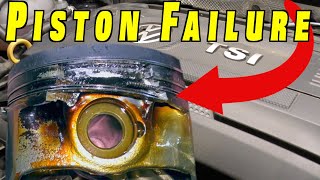
- Piston Crown (Top): Look for any signs of melting, holes, or pitting. This can indicate issues like detonation or excessive heat in the previous engine.
- Piston Skirt (Sides): Inspect for deep vertical scratches or scoring. Minor scuffing can be normal, but deep grooves suggest debris was in the cylinder or there was a lack of lubrication.
- Ring Lands (Grooves for rings): Check for any cracks or damage to the lands that hold the piston rings in place. This is a high-stress area.
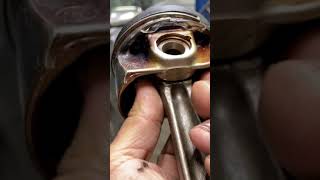
- Wrist Pin Bore: Ensure the hole for the wrist pin is perfectly round and shows no signs of excessive wear or galling.
- Connecting Rod (if included): Check that the connecting rod is straight and that the bearing surfaces are smooth. Any discoloration can be a sign of overheating due to oil starvation.
Compatibility Verification:
The most reliable way to ensure you're buying the correct piston is to match the OEM part number. The primary part number for this application is 06K107065CC. This part number often includes the piston, wrist pin, and piston rings. Always confirm with the seller what is included. Using a part with the wrong compression height or dish design can lead to catastrophic engine damage.
Warning: Do not reuse old piston rings. Piston rings are designed to wear and conform to a specific cylinder. Always install new piston rings when replacing a piston.
Cost of Piston Replacement
Piston replacement is a labor-intensive job that requires significant engine disassembly. Labor costs will make up the majority of the total expense.
| Part/Service | Estimated Cost |
|---|---|
| New OEM Piston (Single) | $250 - $370 |
| New Aftermarket Piston Kit (Set of 4) | $730 - $1,000 |
| Used OEM Piston (Single) | $50 - $150 |
| Shop Labor for Piston Replacement | $2,000 - $4,000+ |
| Total Estimated Cost | $2,500 - $5,000+ |
Frequently Asked Questions
Is it safe to drive with a bad piston?
No. Driving with a failing piston can lead to catastrophic engine failure. A broken piston can destroy the cylinder wall, damage the cylinder head, and send metal debris throughout the engine, requiring a complete engine replacement.
Should I replace just one piston or all of them?
While you can replace a single failed piston, it is highly recommended to replace all four as a set. This ensures consistent weight, compression, and wear characteristics across all cylinders. Most aftermarket pistons are sold in complete sets for this reason.
Can I replace a piston myself?
This is a very advanced repair (Difficulty: 5 out of 5). It requires specialized tools for engine disassembly and reassembly, including a piston ring compressor, torque wrench, and potentially engine honing tools. For most DIY mechanics, this job is best left to a professional machine shop or experienced technician.
What other parts should I replace at the same time?
When replacing pistons, you should always replace the piston rings, connecting rod bearings, and all associated gaskets and seals (head gasket, oil pan gasket, etc.). It is also a good time to inspect the cylinder walls for scoring and have them honed by a machine shop if necessary.
Helpful Videos
Technical Specifications
OEM Part Numbers: 06K107065CC 06K107103BK
Engine Code: DHHA
We Have This Part in Stock

The information in this article is provided for general reference and educational purposes only. Vehicle specifications, procedures, and part compatibility can vary by production date, trim level, and region. Always consult your vehicle's factory service manual and verify part numbers before purchasing or performing repairs. Safety-critical components such as airbags, seat belts, and braking systems should be installed by a qualified professional.
- Audi A3:
- Audi Q3:
- Audi TT:
- 🎬 Helpful Videos
- 🛍️ Shop This Part
- Symptoms of Piston and Piston Ring Failure
- 1. Excessive Oil Consumption
- 2. Blue or Gray Smoke from the Exhaust
- 3. Reduced Engine Power and Poor Acceleration
- 4. Engine Knocking or "Piston Slap"
- 5. Check Engine Light and Misfire Codes
- Known Issues for Audi A3, Q3, and TT with the 2.0T Engine
- Buying a Used Engine Piston
- Physical Inspection Checklist:
- Compatibility Verification:
- Cost of Piston Replacement
- Frequently Asked Questions
- 🎟️ Get 5% Off