

2015-2021 Subaru WRX STI Piston Failure: Ringlands, Oil Consumption, and Replacement Guide
Learn the signs of piston failure in your STI's EJ257 engine, what to inspect on a used piston, and how to prevent future issues.
- The most common piston issue in 2015-2021 WRX STIs is 'ringland failure' on the stock cast pistons, primarily caused by engine knock (detonation).
- Key symptoms of a failed piston include excessive oil consumption, blue exhaust smoke, engine knocking noises, and a loss of power with misfire codes.
- Replacement is a major, engine-out repair with a difficulty of 5/5, making it infeasible for most DIY mechanics.
- When buying a used piston, meticulously inspect the ringlands for any hairline cracks, as this is the most common failure point.
Understanding Piston Failure in the 2015-2021 WRX STI

The EJ257 engine in the 2015-2021 Subaru WRX STI is a powerful and beloved engine, but it has a well-documented weak point: the factory cast pistons. Specifically, these engines are known for a type of failure called "ringland failure." This guide will walk you through the symptoms of this and other piston problems, what to look for when buying a used replacement, and what you can expect in terms of cost and repair difficulty.
The #1 Problem: Ringland Failure
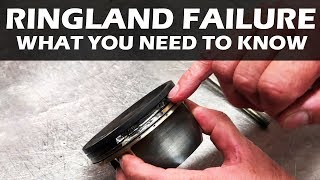
The "ringlands" are the small metal sections of the piston between the piston ring grooves. In the STI's EJ257 engine, these areas are part of the cast piston design and can be brittle. 🎬 Watch: A detailed breakdown of why Subaru ringlands fail. Ringland failure occurs when a piece of this metal cracks or breaks off completely.
What Causes It? The primary cause of ringland failure is detonation, also known as engine knock. Detonation is an uncontrolled explosion of the air-fuel mixture in the cylinder, which creates a massive pressure spike that the piston wasn't designed to handle. Several factors can contribute to detonation:
- Aggressive Engine Tunes: Aftermarket tunes that increase boost pressure without proper supporting modifications or safety margins can increase the risk of knock.
- Low-Octane Fuel: Using fuel with a lower octane rating than the required 93 (or 91 in some areas) can lead to premature ignition.
- Lugging the Engine: Applying heavy throttle at a low RPM in a high gear (like flooring it in 6th gear on the highway) puts immense strain on the engine and can induce knock.
- Oil Blow-by: The engine's crankcase ventilation system can sometimes allow oil vapor into the intake, which lowers the effective octane of the air-fuel mixture and can cause knock.
Symptoms of a Failed Piston

A failing or failed piston can manifest in several ways. If you experience any of these, you should stop driving the vehicle immediately to prevent catastrophic engine damage.
1. Excessive Oil Consumption
This is often the first and most subtle sign. A cracked ringland allows combustion gases to blow past the piston rings into the crankcase, and oil to seep into the combustion chamber to be burned. While Subaru considers some oil consumption normal (up to 1 quart per 1,000 miles), a sudden increase or consumption significantly higher than that is a major red flag.
2. Blue Smoke from the Exhaust
If you see puffs of blue or grayish-blue smoke from your tailpipe, especially on startup, during acceleration, or even at idle, it's a classic sign that engine oil is being burned in the combustion chamber. This is a direct result of oil getting past the damaged piston or rings.
3. Engine Knocking or Tapping Sounds
A distinct metallic knocking, tapping, or "slapping" sound that changes with engine RPM is a serious symptom. This can be caused by the piston rocking excessively in the cylinder bore due to damage ("piston slap") or, in more severe cases, a damaged connecting rod bearing from oil starvation, which is often a consequence of piston failure.
4. Loss of Power and Rough Idle
A damaged piston leads to a loss of compression in that cylinder. The engine will not be able to efficiently burn the air-fuel mixture, resulting in a noticeable drop in power, hesitation during acceleration, and a rough or shaky idle. This will often be accompanied by a check engine light with misfire codes (P0300, P0301, P0302, P0303, P0304).
Warning: The 2015-2021 Subaru WRX STI uses the 2.5L turbocharged EJ257 engine. This guide and these parts are NOT for the standard Subaru WRX of the same years, which uses a completely different 2.0L FA20DIT engine.
🎬 See this expert review of the EJ257 engine's pros and cons.Buying a Used Engine Piston: What to Check

Because piston replacement is a labor-intensive job, many owners with a single failed piston opt to source a good used OEM piston and connecting rod assembly. This can be a cost-effective solution for a stock engine, but careful inspection is critical.
Physical Inspection Checklist
When you have the used piston in hand, inspect it meticulously:
- Ringlands: This is the most important check. Clean the piston thoroughly and use a magnifying glass to inspect the ringlands for any hairline cracks. Pay extra attention to the top and second ring grooves. Any crack, no matter how small, means the piston is junk.
- Piston Skirt: Look for deep vertical scoring or scuffing on the sides (the skirt). Light, normal wear is acceptable, but deep grooves indicate it was run with improper clearance, debris in the cylinder, or poor lubrication.
- Piston Crown: The top of the piston should be free of pitting or melting. Small dots or a sand-blasted appearance can be signs of detonation, the very thing that likely caused the original failure.
- Wrist Pin & Bore: The wrist pin should move freely in the connecting rod but have no up-and-down play. The pin should be a snug fit in the piston itself. Any sloppiness indicates excessive wear.
- Connecting Rod: Ensure the connecting rod is straight and not bent. Check the big end (where it attaches to the crankshaft) for signs of overheating, like discoloration (blue or brown marks), which points to oil starvation and bearing failure.
Compatibility and Part Numbers
Subaru uses different piston grades (A or B) which correspond to slight variations in diameter to match the cylinder bores at the factory. While mixing grades is sometimes done, it's best to use the same grade as the one you are replacing if possible. The grade is typically stamped on the crown of the piston.
- 12006AE550: Standard Grade 'A' Piston
- 12006AE560: Standard Grade 'B' Piston
- 12006AE570: 0.25mm Oversize Piston
- 12006AE580: 0.50mm Oversize Piston
Pro Tip: When buying a used piston, always ask the seller for photos of the ringlands and the part number/grade marking on the crown. If they can't provide them, it's best to pass.
Recalls and Technical Service Bulletins (TSBs)
While there have been no specific recalls for piston failure on the 2015-2021 WRX STI, a few related items are worth noting:
- WRE-22 / NHTSA 22V-522: A safety recall was issued for a defective backup lamp switch that could corrode. This is unrelated to engine internals but affects the vehicle model years.
- TSB 02-179-18: Subaru issued a bulletin changing the torque procedure for the cylinder head bolts on the EJ25 engine, which is relevant for any repair involving head removal, such as a piston replacement.
Cost of Piston Replacement (2015-2021 WRX STI)

Replacing a piston is a major repair that requires removing the engine from the vehicle and significant disassembly. Labor costs make up a large portion of the total expense.
| Part/Service | Estimated Cost | Notes |
|---|---|---|
| New OEM Piston (Single) | $150 - $310 | Price for one piston with wrist pin. Rings are often sold separately. |
| New Aftermarket (Cast) | $400 - $600 (Set of 4) | Similar to OEM quality. Not a significant strength upgrade. |
| New Aftermarket (Forged) | $600 - $1,700+ (Set of 4) | A necessary upgrade for modified cars seeking higher power. Much stronger than cast. |
| Used OEM Piston Assembly | $50 - $150 | A single piston with connecting rod. Price varies by condition and source. |
| Shop Labor | $2,500 - $4,500+ | Includes engine removal, disassembly, reassembly, and reinstallation. This can vary widely by shop rate and location. | 🎬 Watch: A real-world price breakdown of an STI engine rebuild.
Frequently Asked Questions (FAQ)
Can I replace just one failed piston?
Yes, it is possible to replace just one piston, especially if the failure was recent and didn't cause collateral damage to the cylinder wall. This is a common repair for an otherwise healthy, stock engine. However, the engine must still be removed and disassembled, so many people use it as an opportunity to inspect or replace other wear items like bearings and seals.
Should I upgrade to forged pistons?
It depends on your goals. If your car is stock or lightly modified and you just want to get it back on the road, a good used or new OEM cast piston is sufficient. If you plan to increase boost, get an aggressive tune, or make more than ~350 wheel horsepower, upgrading to a set of forged pistons is highly recommended for reliability. Forged pistons are made from a stronger material and manufacturing process, making them much more resistant to detonation and ringland failure.
What else should be replaced during a piston job?
Since the engine is fully disassembled, it's wise to replace other parts. At a minimum, you will need a full engine gasket set, new head bolts, new piston rings, and new connecting rod bearings. It is also highly recommended to have the cylinder heads checked for flatness and resurfaced by a machine shop. Inspecting the oil pump, timing belt, and water pump is also a good idea.
How can I prevent piston failure in my STI?
Prevention is key. Always use high-quality, high-octane fuel (91 minimum, 93 preferred). Check your oil level frequently and change it regularly with high-quality synthetic oil. Avoid lugging the engine; downshift to accelerate rather than flooring it in a high gear at low RPM. If you modify your car, ensure it has a professional, safe tune. Installing an Air/Oil Separator (AOS) can also help reduce oil blow-by, which keeps your air-fuel mixture cleaner and less prone to knock.
Helpful Videos
Technical Specifications
OEM Part Numbers: 12006AE550 12006AE560 12006AE570 12006AE580 12100AA291
Engine: EJ257 2.5L Turbocharged. Piston Material: Cast Hypereutectic Aluminum-Silicon Alloy. Standard Bore Size: 99.5mm. Piston Grades: 'A' and 'B' for factory bore matching.

The information in this article is provided for general reference and educational purposes only. Vehicle specifications, procedures, and part compatibility can vary by production date, trim level, and region. Always consult your vehicle's factory service manual and verify part numbers before purchasing or performing repairs. Safety-critical components such as airbags, seat belts, and braking systems should be installed by a qualified professional.
- Subaru WRX STI:
- 🎬 Helpful Videos
- Understanding Piston Failure in the 2015-2021 WRX STI
- The #1 Problem: Ringland Failure
- Symptoms of a Failed Piston
- 1. Excessive Oil Consumption
- 2. Blue Smoke from the Exhaust
- 3. Engine Knocking or Tapping Sounds
- 4. Loss of Power and Rough Idle
- Buying a Used Engine Piston: What to Check
- Physical Inspection Checklist
- Compatibility and Part Numbers
- Recalls and Technical Service Bulletins (TSBs)
- Cost of Piston Replacement (2015-2021 WRX STI)
- Frequently Asked Questions (FAQ)
- 🎟️ Get 5% Off