

2017-2025 Audi Q7, Q8 & Porsche Cayenne Engine Splash Shield: Damage, Noises, and Replacement
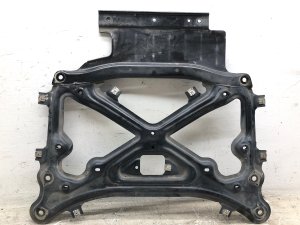
This guide covers the common failure points, replacement costs, and what to inspect when buying a used OEM engine splash shield for your Audi Q7, Audi Q8, or Porsche Cayenne.
- This splash shield is shared between the Audi Q7 (2017-2025), Audi Q8 (2019-2024), and Porsche Cayenne (2019-2023).
- Failure is most often caused by impacts or missing fasteners after maintenance like an oil change.
- When buying a used shield, the most important thing to check is that the mounting holes are not cracked or broken.
- Replacement is an easy DIY job, typically requiring only basic hand tools and about 30-45 minutes.
Symptoms of a Damaged Engine Splash Shield
When the engine splash shield fails, the symptoms are usually easy to notice. Because these vehicles share a common platform, owners of the 2017-2025 Audi Q7, 2019-2024 Audi Q8, and 2019-2023 Porsche Cayenne will experience similar issues.
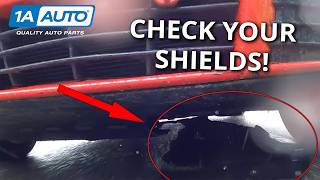
- Scraping or Dragging Noises: This is the most common symptom. A loose or hanging shield will scrape against the road, especially over bumps, speed bumps, or up steep driveways. 🎬 Watch: How to temporarily secure a dragging splash shield.
- Rattling or Flapping Sounds: At higher speeds, a partially detached shield can flap in the wind, creating a loud rattling or drumming noise from underneath the car.
- Visible Damage: A quick look under the front of your vehicle may reveal that the shield is cracked, has pieces missing, or is hanging down.
- Excessive Dirt in Engine Bay: If you notice an unusual amount of dirt, leaves, or grime coating the engine and other components, it could mean the shield is damaged or missing, allowing debris to get in.
Common Causes of Failure
Engine splash shields live a tough life. Common causes of damage include:
- Impacts: Hitting curbs, parking blocks, large potholes, or road debris is a primary cause of cracks and breakage. Driving through deep snow or large puddles of water can also put immense stress on the shield and its fasteners.
- Missing Fasteners: This is a very common issue. Technicians must remove the shield for routine maintenance like oil changes. If the screws and clips are not reinstalled correctly or are lost, the shield can eventually work itself loose and start to hang.
- Age and Material Fatigue: Over time, the plastic material can become brittle from constant exposure to heat from the engine and cold from the weather, making it more susceptible to cracking.
A Note on Recalls and Technical Service Bulletins (TSBs)
As of early 2026, there are no specific safety recalls or Technical Service Bulletins (TSBs) from Audi or Porsche for the engine splash shield on these models. Recalls are typically reserved for safety-critical defects, and while a loose splash shield can be a nuisance, it is not generally considered a direct safety risk that would warrant a recall. The most common owner complaints found in forums relate to the shield becoming loose due to missing fasteners, particularly after service appointments.
Buying a Used Engine Splash Shield
For a part like this, a used OEM shield is often a smart choice. It provides the exact fitment and material quality of a new part from the dealer at a much lower cost. Aftermarket shields can be cheaper, but they often use lower-grade, more brittle plastic and may not line up perfectly with all the mounting holes, leading to installation headaches and rattling.
Inspection Checklist for a Used Part:
Before buying a recycled OEM splash shield, inspect it carefully:
- Check All Mounting Holes: This is the most critical area. Ensure the plastic around every screw hole is intact and free of cracks. A shield with broken mounting points is useless.
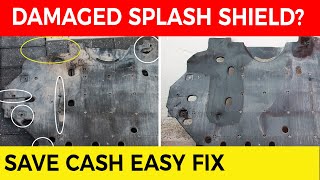
- Look for Major Cracks or Missing Sections: Large cracks compromise the structural integrity of the shield. 🎬 See this guide on how to repair plastic shield cracks. Minor surface scuffs and scratches are perfectly normal and do not affect function.
- Inspect for Warping or Heat Damage: The shield should be relatively flat. Hold it up and look for any significant warping or signs of melting from contact with hot exhaust components.
- Verify the Part Number: Match the part number on the shield to your vehicle's needs. The primary OEM part numbers for this shield include 4M1399345, 4M1399345C, and 4M1399345F. These parts supersede each other, meaning the latest version (F) replaces the earlier ones (C).
Replacement Guide
Replacing the engine splash shield is a straightforward job that most DIY mechanics can handle.
- Difficulty: 1/5 (Easy)
- Estimated Time: 30-45 minutes
- Tools Required: Jack and jack stands, socket set (10mm), Torx driver set (commonly T25/T27), trim clip removal tool (optional).
Step-by-Step Instructions:
- Raise the Vehicle: Safely lift the front of the vehicle using a jack and secure it on jack stands. Never work under a vehicle supported only by a jack.
- Locate Fasteners: Look underneath and identify all the fasteners holding the shield in place. There will be a series of Torx screws along the front lip (under the bumper) and sides, as well as several 10mm bolts.
- Remove Fasteners: Remove all screws and bolts. It's a good idea to leave one or two bolts at the rear of the panel loosely in place until last to prevent the shield from dropping on you unexpectedly.
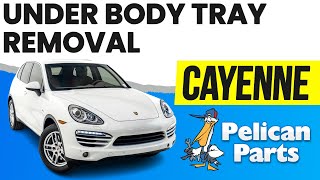
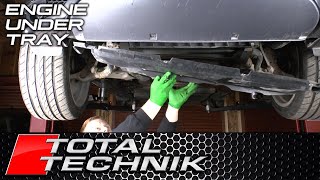
- Remove the Shield: Once all fasteners are out, support the shield and remove the final bolts. You may need to slide it forward or backward slightly to unhook it from the front bumper lip before lowering it down. 🎬 Watch: A walkthrough of the underbody tray removal process.
- Install the New Shield: Position the new shield and start all fasteners by hand to avoid cross-threading. Do not fully tighten any of them until all are in place. Once aligned, tighten all screws and bolts securely, but do not overtighten, as this can crack the plastic.
Pro Tip: When buying a used shield, consider purchasing a new set of fasteners. Clips and screws can get lost or damaged during removal. A Porsche owner on a forum noted that the panel screw is part number N91057001 and the corresponding clamping nut is N91242501.
Cost Comparison
The cost to replace the engine splash shield can vary significantly depending on the type of part you choose.
| Part Type | Estimated Cost |
|---|---|
| New OEM | $350 - $505 |
| Used OEM | $150 - $225 |
| New Aftermarket | $70 - $180 |
| Shop Labor | $80 - $160 |
Warning: While some heavy-duty aftermarket metal skid plates are available, be aware that they may not deform in a collision as intended by the manufacturer and could interfere with proper airbag sensor operation. For most owners, an OEM plastic shield is the recommended choice.
Frequently Asked Questions
Can I drive my Q7, Q8, or Cayenne without an engine splash shield?
You can, but it is not recommended for an extended period. Driving without the shield exposes your engine, oil pan, belts, and sensitive electronics to water, salt, and road debris, which can lead to corrosion and costly damage. It can also slightly decrease fuel economy due to disrupted aerodynamics.
Why did my splash shield fall off after an oil change?
This is a common complaint. The shield must be removed for an oil change, and sometimes a technician may forget to replace all the fasteners or fail to tighten them properly. If you notice a loose shield after a service, return to the shop immediately.
Are the fasteners the same for the Audi Q7, Q8, and Porsche Cayenne?
Yes, these vehicles share many components, including fasteners. A forum post for a 2019 Cayenne identified the main screw as VAG part number N91057001 and the clip nut as N91242501, which are used across many Audi and VW models as well. However, it's always best to verify with a dealer or parts diagram for your specific VIN.
Is a cheap aftermarket splash shield good enough?
While tempting, very cheap aftermarket shields often use brittle plastic that cracks easily and may have poor fitment, leading to rattles or difficulty during installation. A used OEM shield often provides better quality and guaranteed fit for a similar or slightly higher price.
Helpful Videos
Technical Specifications
OEM Part Numbers: 4M1399345 4M1399345C 4M1399345F
Material: Typically a composite plastic such as polypropylene or a similar polymer. Some aftermarket versions are made of plastic-steel or metal.
We Have This Part in Stock

The information in this article is provided for general reference and educational purposes only. Vehicle specifications, procedures, and part compatibility can vary by production date, trim level, and region. Always consult your vehicle's factory service manual and verify part numbers before purchasing or performing repairs. Safety-critical components such as airbags, seat belts, and braking systems should be installed by a qualified professional.
- Audi Q7:
- Audi Q8:
- Porsche Cayenne:
- 🎬 Helpful Videos
- 🛍️ Shop This Part
- Symptoms of a Damaged Engine Splash Shield
- Common Causes of Failure
- A Note on Recalls and Technical Service Bulletins (TSBs)
- Buying a Used Engine Splash Shield
- Inspection Checklist for a Used Part:
- Replacement Guide
- Step-by-Step Instructions:
- Cost Comparison
- Frequently Asked Questions
- 🎟️ Get 5% Off