

2017-2025 Audi 2.9L & 3.0L V6 (EA839) Engine Vibration & Noise: A Guide to Balance Shafts, Rocker Arms, and Piston Issues
A comprehensive diagnostic guide for owners of the Audi A6, A7, A8, Q7, Q8, S4, S5, RS5, and more who are experiencing engine noise, vibration, or catastrophic failure.
- The most critical issue for the EA839 V6 is rocker arm failure, especially in 2017-2019 models, identified by a metallic ticking noise. Stop driving immediately if you hear this.
- Engine vibration is more likely caused by failed motor mounts or misfires than the balance shaft itself, which is a reliable component.
- Piston slap and water pump failures are other well-documented, serious problems with this engine that can lead to costly repairs.
- Replacing the balance shaft is an engine-out, expert-level job, typically only done during a full rebuild to address a more severe failure like rocker arms or pistons.
Understanding Noises and Vibrations in the EA839 Engine
If you're experiencing a new noise or vibration from the engine in your 2019-2025 Audi A6, 2018-2025 Audi A8, 2018-2025 Audi Q7, 2018-2025 Audi Q8, 2018-2025 Audi RS5, 2019-2025 Audi A7, 2018-2025 Audi S4, 2018-2025 Audi S5, 2022 Audi S6, or 2017-2024 Audi S7, it's important to diagnose it correctly. While a faulty balance shaft can cause vibration, it is not a common failure point on its own. The symptoms are more often linked to several well-documented, serious issues with the 2.9L and 3.0L (EA839) V6 engine family.
Warning: Many symptoms, especially ticking or metallic noises, can be early warnings of catastrophic engine failure. Do not ignore these signs. A ticking noise could indicate a failing rocker arm, which can destroy the entire engine if not addressed immediately.
Symptoms and Potential Causes
Diagnosing the exact cause of a noise or vibration can be difficult as symptoms often overlap. Here’s a breakdown of what you might be experiencing and what it could mean.
If You Feel a Vibration or Rough Idle
- Worn Engine Mounts: This is a common cause for vibration at idle. The fluid-filled engine mounts can fail, causing them to become stiff and transmit more engine vibration into the cabin.
- Misfires: Faulty spark plugs, ignition coils, or fuel injectors can cause the engine to run rough, which feels like a shudder or vibration.
- Low RPM in Comfort Mode: Some owners report a slight 'lumpy' or rough idle when the transmission is in 'D' (Drive), as the engine idles at a very low RPM. This often disappears when switching to 'S' (Sport) mode, which raises the idle speed.
- Balance Shaft Failure: In the rare event of a balance shaft failure, you would experience a significant and persistent engine vibration across the RPM range. This is often accompanied by bearing noise and would likely trigger a low oil pressure warning as bearing material contaminates the oil system.
If You Hear a Ticking, Rattling, or Clunking Noise
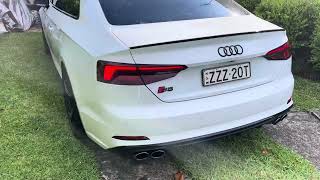
- Normal High-Pressure Fuel Pump (HPFP) Noise: The direct injection fuel pumps on these engines are mechanically driven and produce a distinct, rhythmic ticking sound. This is a normal characteristic of the engine. 🎬 Listen to what a healthy EA839 engine should sound like.
- Timing Chain Tensioner Rattle: A brief rattle for 1-2 seconds on a cold start can be caused by the timing chain tensioners taking a moment to build oil pressure. While common on many engines, it's something to monitor.
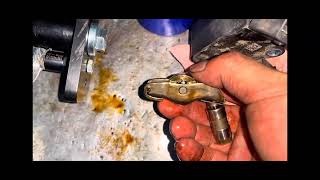
- CRITICAL - Rocker Arm Failure: This is a major known issue, especially on 2017-2019 models. A metallic ticking or clanking sound that increases with RPM is the primary symptom. 🎬 Watch this video to hear the sound of failing rocker arms. The needle bearings in the rocker arms fail, releasing metal particles into the engine oil, which leads to widespread damage and complete engine failure. Audi has since released an updated rocker arm design.
- CRITICAL - Piston Slap: Another significant known issue is piston-related failure. This can sound like a deeper, diesel-like clatter or clunking noise, especially when the engine is cold. It is caused by excessive clearance between the piston and the cylinder wall. This can lead to scored cylinders, oil consumption, and eventual engine seizure.
Known Issues, TSBs, and Recalls for the EA839 Engine
While this guide focuses on the balance shaft, it's irresponsible not to mention the major known issues for the EA839 engine platform that you are more likely to encounter.
Rocker Arm Bearing Failure (Primarily 2017-2019)
The most notorious issue. The original rocker arms used needle bearings that can disintegrate, leading to catastrophic engine failure. If you hear a new metallic ticking sound, stop driving immediately. The repair involves replacing all 24 rocker arms with the updated design, a labor-intensive job that often requires the engine to be removed.
Piston Skirt / Piston Slap Issues
Numerous owners have reported engine failures due to piston issues, even on stock, low-mileage cars. Symptoms include a clunking noise, excessive oil consumption, and misfires. Audi has acknowledged this with a warranty extension in some cases. The repair is a complete engine replacement or rebuild.
Water Pump Failure & Coolant Migration
The water pump on the EA839 is considered a 'when, not if' failure item. It can leak coolant internally into the engine's vacuum system. This migrating coolant can destroy sensors and other components, leading to a 'Drivetrain Malfunction' warning and a P0299 (Turbocharger Underboost) code. Early detection involves checking for unexplained coolant loss.
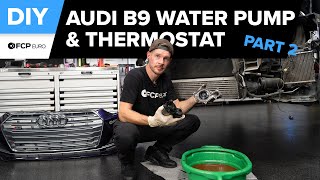
🎬 See how to replace the water pump and thermostat yourself.Recalls and Technical Service Bulletins (TSBs)
- NHTSA Recall 10G9: Affects certain 2021 models due to potential cracks in the cylinder bore from a manufacturing defect, requiring engine replacement.
- NHTSA TSB 2075515/1: An informational bulletin stating that the use of unapproved fuel additives is not permitted and could have a negative impact on engine life.
Buying a Used Engine Balance Shaft
You will likely only purchase a balance shaft if you are already performing a complete engine rebuild due to one of the major issues described above. It is not a part that is typically replaced on its own due to the extreme labor cost involved.
If your engine is already disassembled, inspecting and potentially replacing the balance shaft is preventative maintenance. Here's what to check on a used unit:
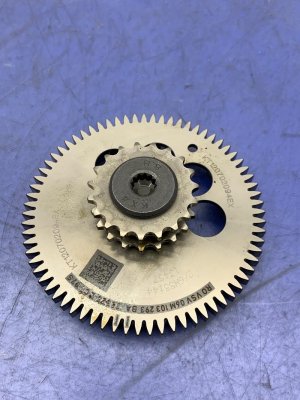
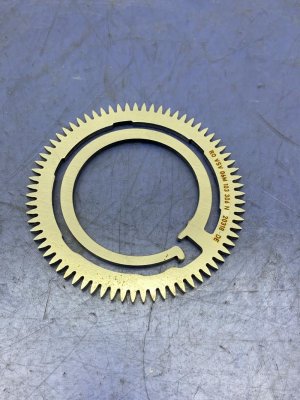
- Check the Gears: Inspect the teeth on the drive gear for any signs of chipping, cracking, or excessive wear. The engagement should be smooth.
- Inspect Bearing Surfaces: Look at the journal surfaces where the shaft rides. They should be perfectly smooth, with no scoring, discoloration from heat, or deep scratches. Any visible damage means the part is junk and indicates the donor engine had severe oiling problems.
- Verify Part Numbers: Ensure the part number on the used assembly matches the required part for your specific engine. Part numbers like 06M103293BA have superseded older versions. Cross-reference to ensure you have the latest revision available.
- Ask for Donor Vehicle History: If possible, get the VIN and mileage from the donor vehicle. A low-mileage part from a vehicle that was not in a front-end collision is ideal. Avoid parts from engines that had known oil pressure issues or bearing failures.
Pro Tip: Given the known issues with the EA839, buying a complete used engine is a gamble. It is critical to verify if the engine has had the updated rocker arms installed. If not, you should assume that repair will be necessary.
Replacement Cost & Difficulty
Replacing the balance shaft is an expert-level task that requires a complete engine disassembly.
- Installation Difficulty: 5 out of 5 (Engine must be removed and fully disassembled)
- DIY Feasible?: No. This is not a DIY-friendly job.
- Estimated Time: 25+ hours
| Part/Service | Estimated Cost |
|---|---|
| New OEM Balance Shaft Assembly | $250 - $400 |
| Used OEM Balance Shaft Assembly | $100 - $200 |
| Shop Labor for Engine Rebuild (includes balance shaft replacement) | $4,000 - $8,000+ |
| Complete Used Engine (low mileage) | $5,000 - $9,000 |
| Complete New Engine (from dealer) | $25,000 - $30,000 |
Frequently Asked Questions
Is the ticking noise from my engine always a serious problem?
Not always, but it should be investigated immediately. The EA839 engine's high-pressure fuel pumps make a normal ticking sound. However, a new or different metallic ticking could be a sign of rocker arm failure, which is a critical issue that can lead to catastrophic engine damage.
My car is a 2020 or newer model. Am I safe from the rocker arm issue?
Mostly, yes. Audi revised the rocker arm design around mid-2019, so later models are equipped with the more robust parts from the factory. However, all EA839 engines can still be susceptible to other issues like water pump or piston failure.
Can I just keep driving if I have a 'Drivetrain Malfunction' light from the water pump issue?
It is not recommended. When the water pump fails, it leaks coolant into the vacuum system. Continuing to drive can spread coolant to other expensive electronic components, turning a moderately expensive repair into a much more significant one.
Is it worth buying a used EA839 engine?
It can be a cost-effective alternative to a dealer rebuild, but it carries risk. You must try to verify the engine's history and mileage. Critically, you need to know if it has the original rocker arms. If it's an early model (2017-2019), it's wise to budget for replacing the rocker arms with the updated parts as a preventative measure.
Helpful Videos
Technical Specifications
OEM Part Numbers: 06M103293 06M103293BA 06M103303 06M103303E 06M103303G 06M103293G 06M103293AM 06M103293AR 06M103293AF
Engine Application: Audi EA839 2.9L & 3.0L V6 Turbocharged
We Have This Part in Stock

The information in this article is provided for general reference and educational purposes only. Vehicle specifications, procedures, and part compatibility can vary by production date, trim level, and region. Always consult your vehicle's factory service manual and verify part numbers before purchasing or performing repairs. Safety-critical components such as airbags, seat belts, and braking systems should be installed by a qualified professional.
- Audi A6:
- Audi A8:
- Audi Q7:
- Audi Q8:
- Audi RS5:
- Audi A7:
- Audi S4:
- Audi S5:
- Audi S6:
- Audi S7:
- Audi SQ5:
- 🎬 Helpful Videos
- 🛍️ Shop This Part
- Understanding Noises and Vibrations in the EA839 Engine
- Symptoms and Potential Causes
- If You Feel a Vibration or Rough Idle
- If You Hear a Ticking, Rattling, or Clunking Noise
- Known Issues, TSBs, and Recalls for the EA839 Engine
- Rocker Arm Bearing Failure (Primarily 2017-2019)
- Piston Skirt / Piston Slap Issues
- Water Pump Failure & Coolant Migration
- Recalls and Technical Service Bulletins (TSBs)
- Buying a Used Engine Balance Shaft
- Replacement Cost & Difficulty
- Frequently Asked Questions
- 🎟️ Get 5% Off