

2010-2017 Equinox, Terrain & More 2.4L Valve Cover & PCV System Failures
This guide covers the common failure of the integrated PCV system in the 2.4L Ecotec engine valve cover, leading to oil leaks and performance issues in many popular GM vehicles.
- The most common failure is the integrated, non-serviceable PCV system, not the cover itself.
- A clogged PCV system can cause high crankcase pressure, leading to a blown rear main seal—a very costly repair.
- Symptoms include oil leaks, a rough idle, whistling noises, and a P0171 'System Too Lean' check engine light code.
- When replacing the cover, it is critical to also clean the small PCV orifice in the intake manifold to address the root cause of the pressure issue.
Known Issues with the 2.4L Ecotec Valve Cover and PCV System
The primary reason for replacing the valve cover on the 2010-2017 Chevrolet Equinox, GMC Terrain, 2014 Chevrolet Impala, 2010-2016 Buick LaCrosse, 2011-2017 Buick Regal, 2013-2014 Chevrolet Malibu, 2012-2017 Buick Verano, and 2012-2015 Chevrolet Captiva Sport is not typically the cover itself cracking, but the failure of the integrated PCV system.
The PCV orifice, a small passage within the intake manifold that works with the valve cover system, is prone to clogging with moisture, sludge, and in colder climates, ice. When this passage becomes blocked, pressure builds inside the engine's crankcase. This excessive pressure must escape, and it often does so by forcing oil past the weakest seal, which is commonly the rear main crankshaft seal—a very expensive repair. This issue was widespread enough that GM issued a Technical Service Bulletin (TSB #14882) and a special coverage adjustment for some vehicles, extending the warranty to 10 years or 120,000 miles for this specific problem.
Symptoms of a Failing Valve Cover or Clogged PCV System
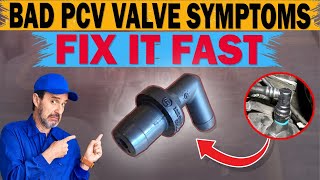
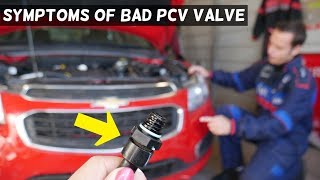
Because the valve cover and PCV system are so closely linked on this engine, their failure symptoms often overlap. Here’s what to 🎬 See a breakdown of common PCV failure symptoms on GM engines. look for:
- Oil Leaks: The most obvious sign is oil leaking from the valve cover gasket itself or, more seriously, from the rear main seal due to high crankcase pressure.
- Rough Idle or Stalling: A faulty PCV system can create a vacuum leak, causing the engine to idle erratically, misfire, or even stall.
- Check Engine Light: A vacuum leak from the PCV system can disrupt the air-fuel mixture, triggering lean codes (like P0171) and illuminating the check engine light.
- Whistling or Hissing Noises: A whistling or hissing sound from the engine bay at idle can indicate a vacuum leak caused by a ruptured PCV diaphragm inside the valve cover.
- Excessive Oil Consumption: If the PCV valve is stuck open, it can suck oil from the crankcase into the intake manifold, causing the engine to burn oil. This is a separate issue from the excessive oil consumption related to piston rings, which also affects many of these 2.4L engines.
- Sludge Buildup: A clogged PCV system can lead to the accumulation of sludge under the oil cap and inside the engine.
Warning: A clogged PCV system that leads to a blown rear main seal is a critical failure. If you notice a large oil leak from the area between the engine and transmission, stop driving immediately to avoid catastrophic engine damage from oil starvation.
Buying a Used Engine Valve Cover: What to Inspect
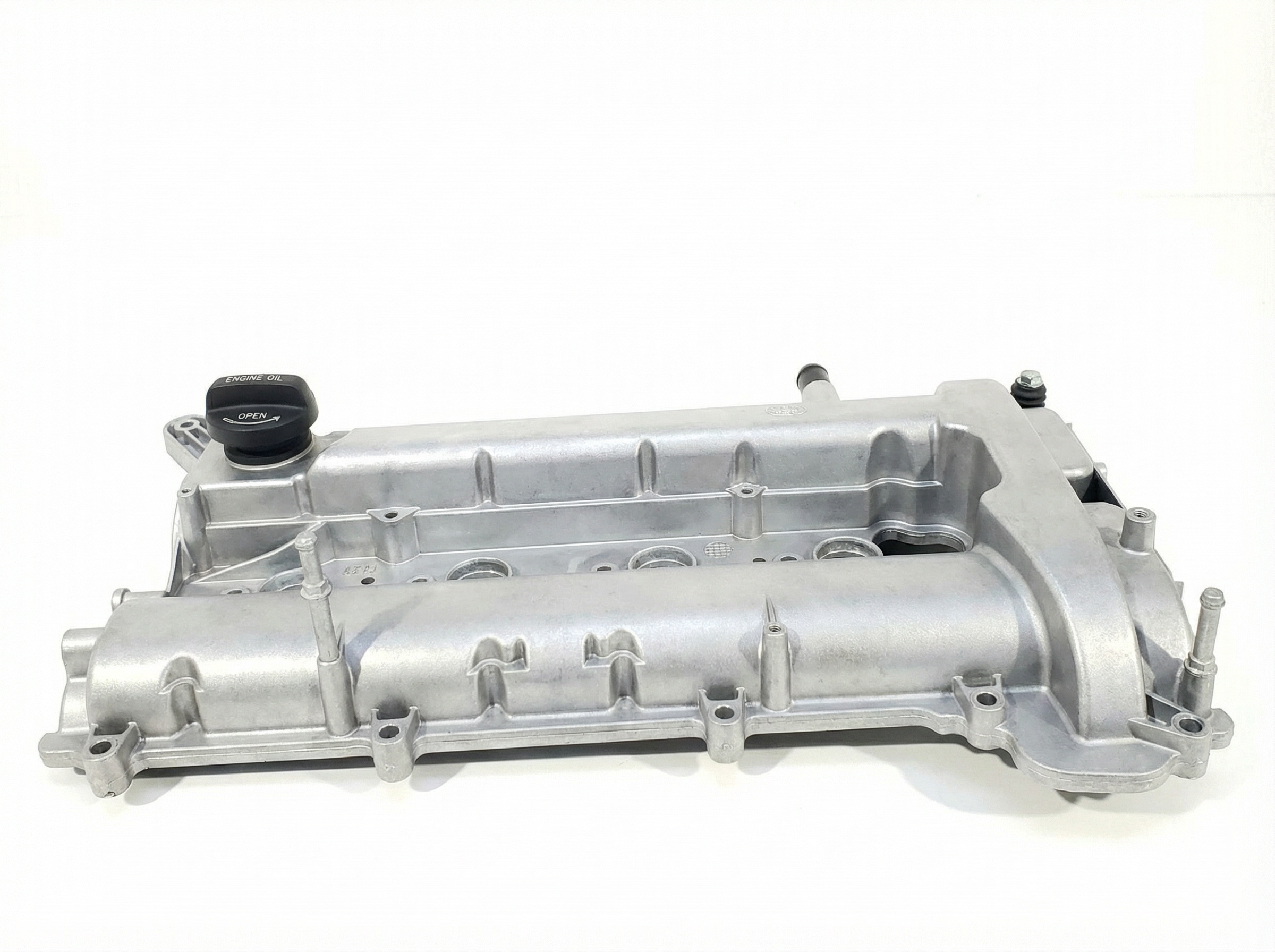
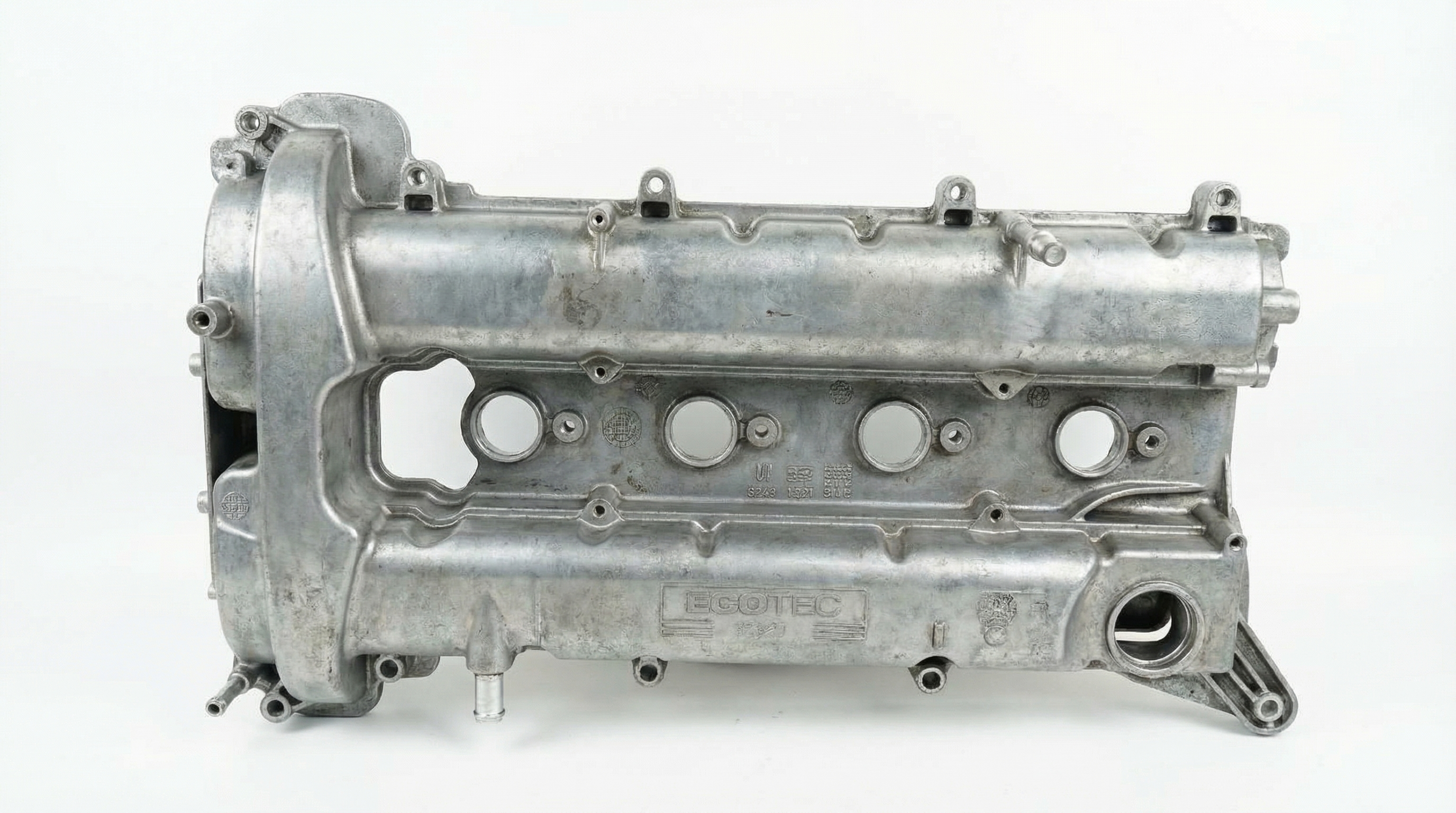
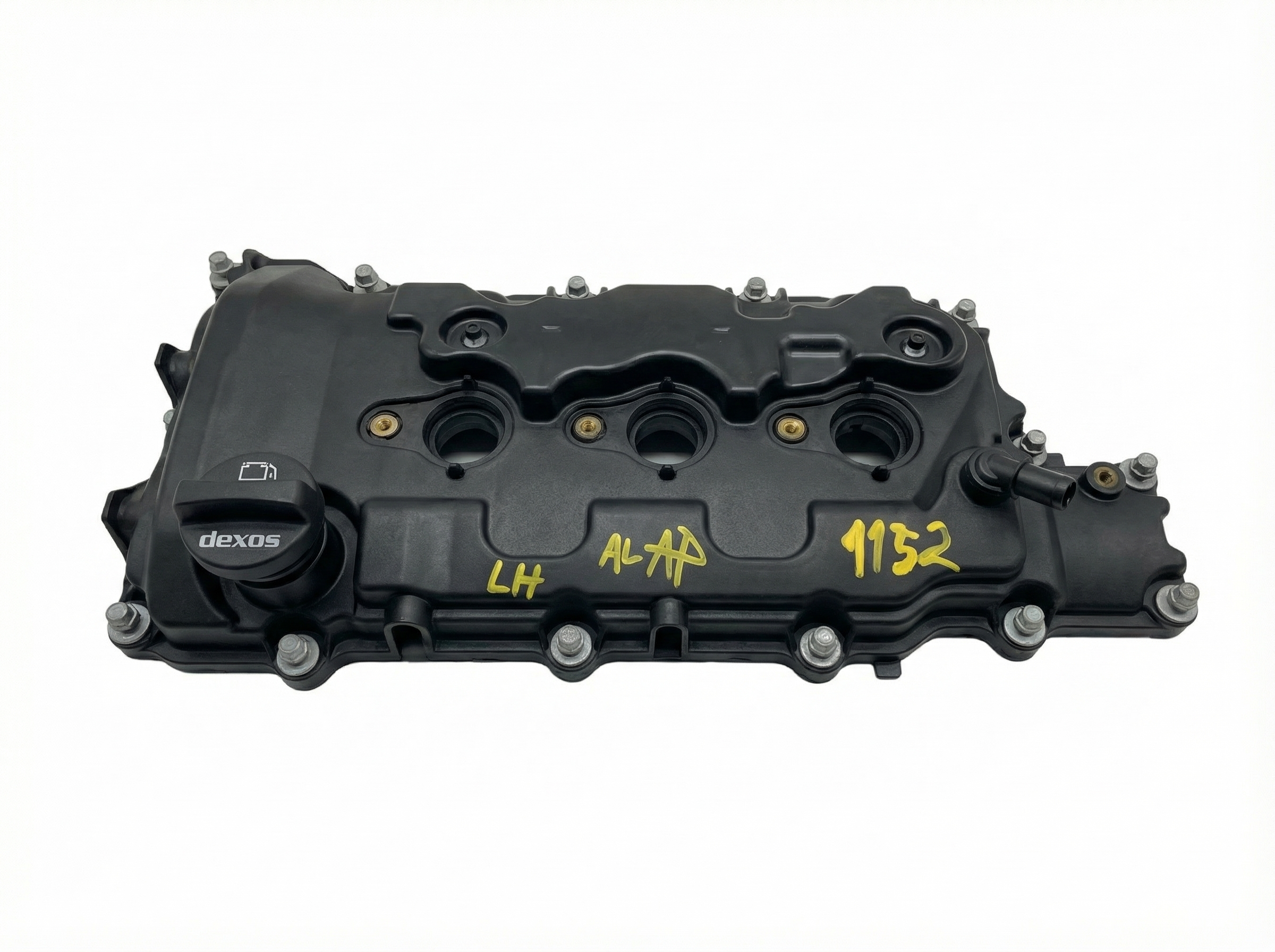
A used OEM valve cover can be a cost-effective and reliable alternative to a new part, especially when compared to cheap aftermarket options which may use inferior plastics that warp. However, a thorough inspection is crucial.
- Check for Cracks and Warping: Carefully inspect the entire plastic cover, especially around the bolt holes and edges, for any hairline cracks. Place the cover on a flat surface to ensure it hasn't warped, which would prevent a proper seal.
- Inspect the PCV Diaphragm Port: Look at the round port on top of the cover where the PCV diaphragm is located. Ensure the plastic isn't brittle or cracked. While you can't see the internal diaphragm, the external housing's condition is a good indicator of its overall health.
- Verify Part Numbers: Ensure the part number (e.g., 12610279) matches your original part. While these vehicles share the part, it's always best to confirm.
- Cleanliness: A cover that is relatively clean on the inside suggests the donor engine was well-maintained with regular oil changes. Heavy sludge buildup is a major red flag.
- Included Hardware: Check if the cover comes with the mounting bolts and their rubber grommets. These can sometimes be reused, but new ones are recommended for the best seal.
Replacement Difficulty and Cost
Replacing the valve cover on the 2.4L Ecotec engine is a manageable job for a DIY mechanic with basic tools.
- Difficulty Rating: 2 out of 5
- Estimated Time: 1.5 - 2.5 hours
- DIY Feasible: Yes
The process generally involves removing the engine cover, disconnecting ignition coils and wiring harnesses, removing intake ducting, unbolting the old cover, cleaning the cylinder head surface, and installing the new cover with a new gasket. It is critical to apply a small amount of RTV silicone at the points where the timing cover meets the cylinder head to prevent leaks.
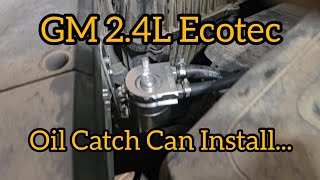
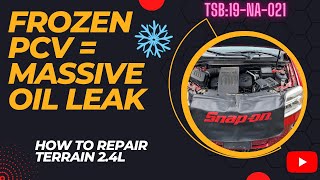
Pro Tip: While the valve cover is off, it is the perfect time to also clean the PCV orifice in the intake manifold. GM service documents recommend using a 1/16" drill bit (turned by hand) to carefully 🎬 Watch: How to perform the official TSB PCV cleaning procedure. clear any carbon or sludge buildup from this small hole. This addresses the root cause of the high crankcase 🎬 Learn how to install an oil catch can to prevent future clogs. pressure.
Cost Comparison
| Part Type | Estimated Price Range |
|---|---|
| New OEM (GM Genuine) | $280 - $470 |
| New Aftermarket (Dorman, etc.) | $70 - $150 |
| Used OEM | $50 - $120 |
| Shop Labor Cost | $200 - $450 |
Frequently Asked Questions
Can I just replace the PCV valve instead of the whole cover?
No. On this specific 2.4L Ecotec engine, the PCV diaphragm and valve components are integrated directly into the plastic valve cover and are not sold as a separate, serviceable part. The entire valve cover assembly must be replaced.
Will replacing the valve cover fix my engine's oil consumption?
It might, but it depends on the cause. If the oil consumption is from a failed PCV system sucking oil into the intake, a new valve cover can fix it. However, these 2.4L engines are also known for a separate issue involving faulty piston rings that causes excessive oil burning. If the piston rings are the cause, a new valve cover will not solve the problem.
Is it necessary to replace the valve cover gasket when replacing the cover?
Yes, absolutely. Never reuse an old valve cover gasket. A new, high-quality gasket is essential for a leak-free seal. Most new valve covers, including used OEM parts, should come with a new gasket pre-installed or included.
What happens if I ignore a leaking valve cover?
Ignoring a minor leak can lead to bigger problems. Leaking oil can drip onto the hot exhaust manifold, creating a fire hazard and a burning oil smell. If the leak is a symptom of a clogged PCV system, ignoring it can lead to blown engine seals, which is a much more expensive repair.
Helpful Videos

Technical Specifications
OEM Part Numbers: 12610279 12610280
Fits 2.4L Ecotec 4-cylinder engines (LAF, LEA, LUK). Material: Plastic or Aluminum (OEM is typically plastic, some aftermarket are aluminum).
We Have This Part in Stock

The information in this article is provided for general reference and educational purposes only. Vehicle specifications, procedures, and part compatibility can vary by production date, trim level, and region. Always consult your vehicle's factory service manual and verify part numbers before purchasing or performing repairs. Safety-critical components such as airbags, seat belts, and braking systems should be installed by a qualified professional.
- Chevrolet Equinox:
- GMC Terrain:
- Chevrolet Impala:
- Buick LaCrosse:
- Buick Regal:
- Chevrolet Malibu:
- Buick Verano:
- Chevrolet Captiva Sport: