

GM 3.6L V6 Valve Cover (2008-2017): The Hidden PCV Flaw Causing Oil Loss & Engine Codes
This guide explains the real reason the driver-side valve cover fails on the Chevrolet Traverse, Buick Enclave, GMC Acadia, Cadillac CTS, and more—it's not just a leak.
- The main failure is the clogged PCV orifice inside the driver-side valve cover, not just a bad gasket.
- Symptoms include high oil consumption and lean codes (P0171, P0174) before major leaks appear.
- Ignoring the issue can lead to a blown rear main seal, a much more expensive repair.
- Replacement is difficult (4/5) because the intake manifold must be removed to access the rear cover.
The Real Problem: A Clogged PCV Orifice
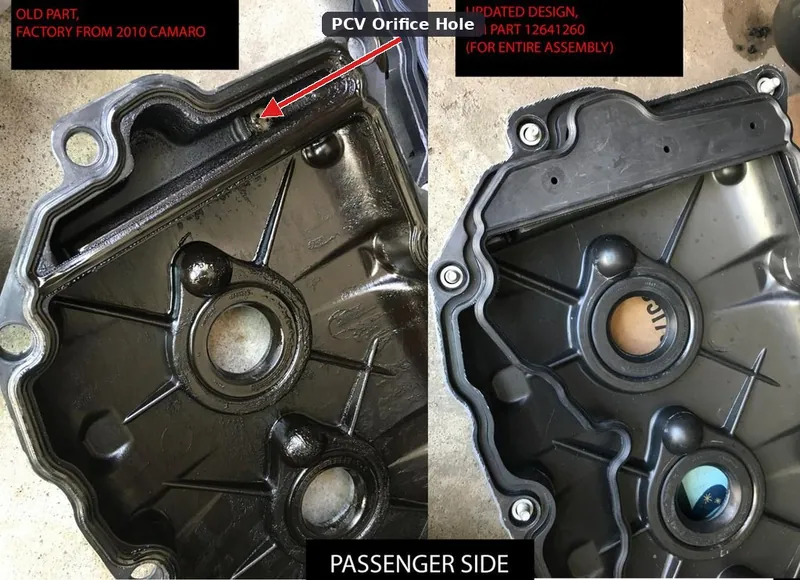
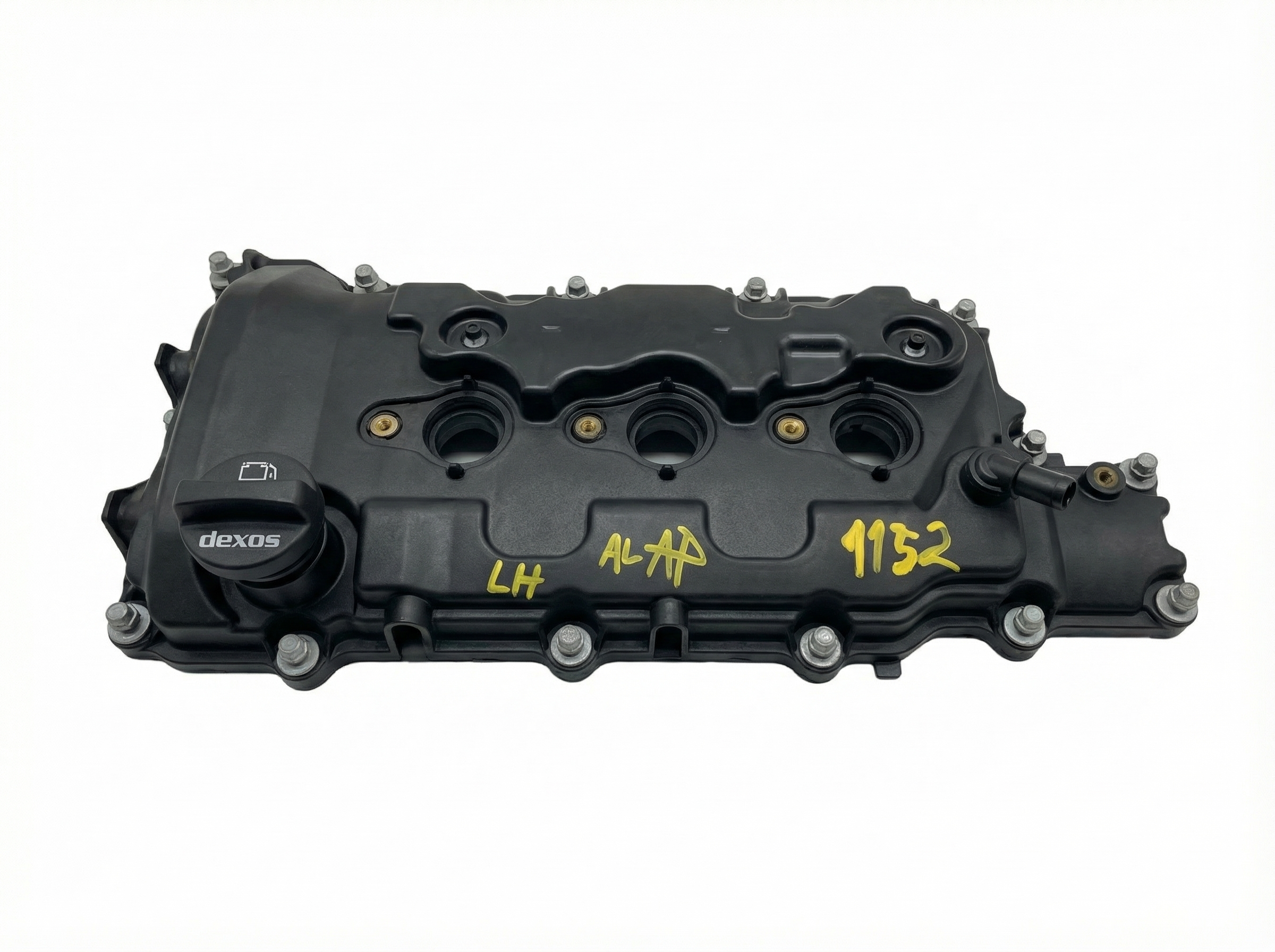
While any valve cover can develop a simple gasket leak over time, the primary failure on the GM 3.6L V6 engine is more complex. The main issue lies with the driver-side valve cover, which has a small, fixed PCV orifice integrated directly into the plastic. Over time, this tiny passage becomes clogged with oil sludge and carbon deposits. In cold weather, moisture within the engine can freeze and block it completely.
When this orifice is blocked, normal crankcase pressure from engine operation cannot escape. This pressure buildup can lead to a surprising number of seemingly unrelated symptoms, often tricking owners and technicians into chasing the wrong repairs.
Symptoms of a Failing Valve Cover & Clogged PCV
A clogged PCV orifice on the driver-side valve cover can cause the following issues:
- High Oil Consumption: This is the most significant symptom. Excess pressure in the crankcase forces oil past the piston rings and into the combustion chamber, where it is burned with fuel. You may notice your engine is suddenly a quart or more low on oil between changes.
- Check Engine Light (Codes P0171 and P0174): The PCV system malfunction creates a vacuum leak, allowing unmetered air into the engine. The engine's computer tries to compensate but eventually triggers these "System Too Lean" codes for Bank 1 and Bank 2.
- Blown Engine Seals: The trapped crankcase pressure will find the weakest point to escape. This often results in catastrophic failure of the front or, more commonly, the rear main crankshaft seal. A rear main seal replacement is a major, transmission-out repair that can cost over a thousand dollars.
- Rough Idle or Misfires: The vacuum leak disrupts the air-fuel mixture, leading to an unstable or rough idle. In some cases, oil can be forced into the intake and foul the spark plugs, causing misfires.
- Visible Oil Leaks or Burning Smell: While the PCV is the root cause, the high pressure can also force oil out of the valve cover gasket itself. This oil drips onto the hot exhaust manifold below, creating a distinct burning oil smell.
Pro Tip: You can perform a simple test for a clogged PCV system. With the engine fully warmed up and running at idle, carefully remove the oil fill cap. If you feel strong suction pulling the cap down, the system is likely working. If you feel pressure pushing out against your hand, the PCV orifice is almost certainly clogged and needs to be addressed immediately.
Known Issues, TSBs, and Recalls
General Motors is aware of this PCV issue. There are no specific recalls for this part, but several Technical Service Bulletins (TSBs) address the symptoms.
- TSB 14882: This bulletin addresses customer complaints about the PCV system and, in some cases, extended warranty coverage for certain vehicles and model years experiencing the issue.
- TSB 12-06-01-009D: While primarily focused on timing chain issues, this bulletin includes instructions for service technicians to clean the PCV orifice in the camshaft cover as part of the procedure, acknowledging it as a related maintenance item.
These documents confirm that the clogged orifice is a known problem across the entire family of vehicles using this engine.
Buying a Used Engine Valve Cover: What to Inspect
A used OEM valve cover is an excellent, cost-effective alternative to expensive new parts, but a thorough inspection is critical. Buying a used cover with a clogged PCV orifice will not solve your problem. Follow these steps before purchasing:
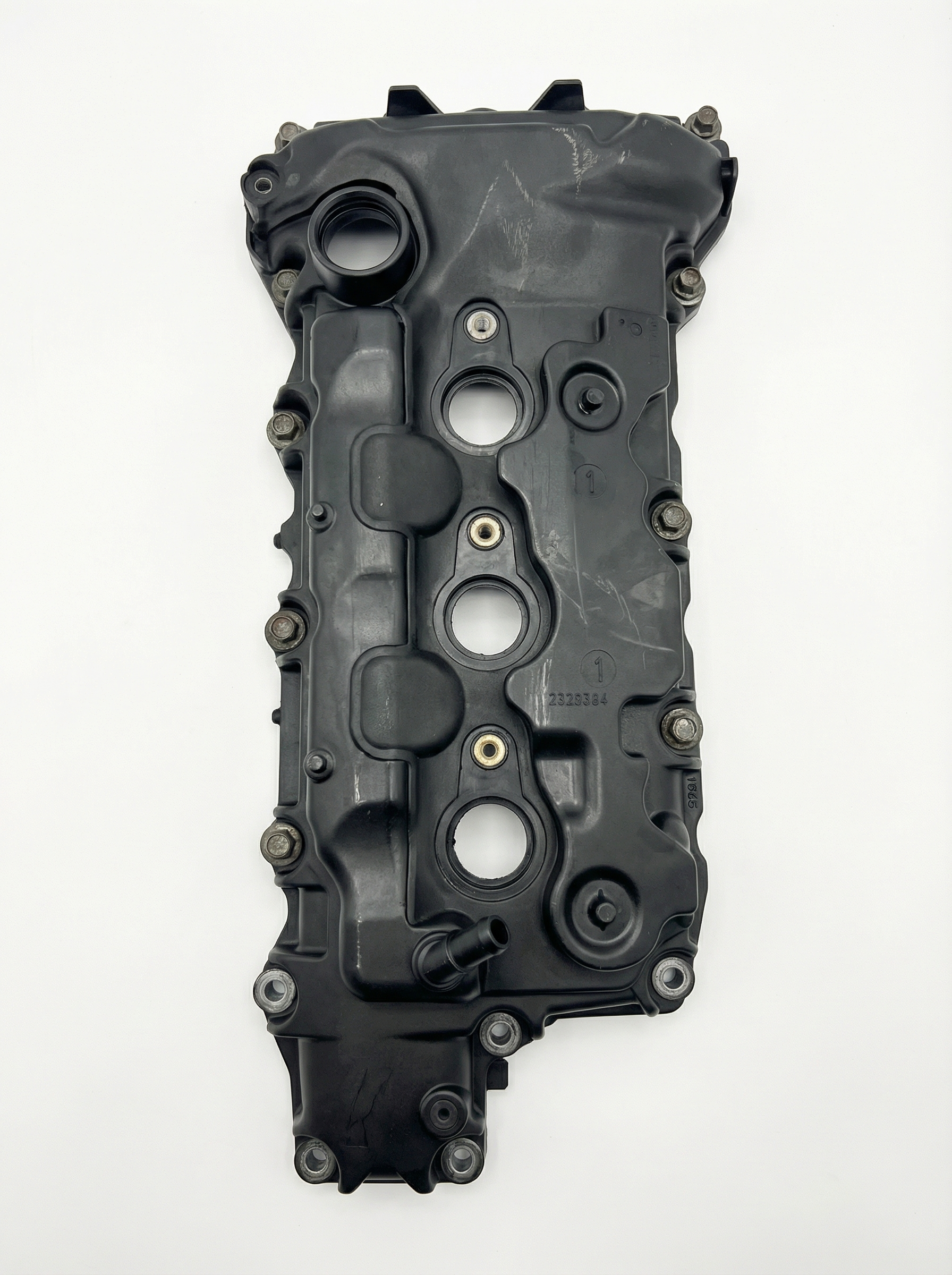
- Verify Compatibility: Match the OEM part number from your old cover to the new one. The primary part numbers for this driver-side cover include 12593667, 12624804, 12631674, 12640147, 12647772, and 12649141. While they may look identical, slight changes were made over the years.
- Inspect for Cracks and Warping: These plastic covers are subjected to thousands of heat cycles. Carefully check the entire surface for hairline cracks, especially around the bolt holes. Place the cover on a flat surface to ensure it hasn't warped, which would prevent a good seal.
- CRITICAL - Clean the PCV Orifice: This is the most important step. On the underside of the driver-side cover, locate the small PCV orifice. It will likely be caked with black sludge. You MUST clean this out completely using a small pick or drill bit (by hand) and brake cleaner until it is perfectly clear. If you install a used cover without cleaning this port, the original problem will persist.
- Check the Baffles: The cover has internal baffles designed to separate oil from the crankcase vapors. Ensure these are intact and not broken or rattling around inside.
Replacement Difficulty & Cost
Replacing the driver-side valve cover on the GM 3.6L V6 is a difficult and time-consuming job.
- Difficulty Rating: 4 out of 5
- Estimated Time: 3-5 hours for a professional.
- DIY Feasible: Yes, for experienced DIY mechanics with a good toolset.
The primary challenge is access. The driver-side (rear) valve cover is located underneath the large upper intake manifold. The manifold must be removed to get to the cover, which involves disconnecting fuel lines, electrical connectors, and various hoses. The passenger-side (front) cover, by contrast, is much easier and can be replaced in under an hour.
Torque Specs are Critical: The valve cover bolts must be tightened to 10 N·m (89 lb-in). Do not overtighten, as this can crack the plastic cover or warp it, causing leaks. Use a torque wrench and follow the correct tightening sequence, which typically starts from the center bolts and spirals outwards.
Cost Comparison
| Part or Service | Estimated Cost |
|---|---|
| New OEM (GM Genuine) | $150 - $250 |
| New Aftermarket (Dorman, etc.) | $100 - $150 |
| Used OEM | $40 - $75 |
| Shop Labor Cost | $450 - $700 |
| Total Professional Replacement (New Part) | $600 - $950 |
Frequently Asked Questions (FAQ)
Can I just replace the valve cover gasket?
If your only symptom is a minor oil weep from the gasket, then yes, a new gasket might be a temporary fix. However, if you are experiencing high oil consumption, lean codes (P0171/P0174), or a blown rear main seal, the gasket is not the problem. The clogged PCV orifice is the cause, and the entire driver-side valve cover must be replaced or thoroughly cleaned.
Why do I have to remove the intake manifold?
The GM 3.6L is a V-style engine where the intake manifold sits in the 'V' between the two cylinder heads. This design places the manifold directly on top of the rear (driver-side) valve cover, completely blocking access to its bolts.
What happens if I don't fix a clogged PCV system?
Ignoring this issue can lead to catastrophic and expensive engine damage. The constant high crankcase pressure will eventually blow out a major seal, most likely the rear main seal. Continuing to drive with low oil levels due to high consumption can also lead to complete engine failure.
Is the passenger-side (front) valve cover also a problem?
No, the passenger-side cover does not contain the problematic PCV orifice. It simply acts as a fresh air inlet for the PCV system. It rarely fails unless it is physically cracked or its gasket is leaking, both of which are much less common issues.
Technical Specifications
OEM Part Numbers: 12593667 12624804 12631674 12640147 12647772 12649141
Bolt Torque: 10 N·m or 89 lb-in
We Have This Part in Stock

The information in this article is provided for general reference and educational purposes only. Vehicle specifications, procedures, and part compatibility can vary by production date, trim level, and region. Always consult your vehicle's factory service manual and verify part numbers before purchasing or performing repairs. Safety-critical components such as airbags, seat belts, and braking systems should be installed by a qualified professional.
- Chevrolet Traverse:
- Buick Enclave:
- GMC Acadia:
- Cadillac CTS:
- Buick LaCrosse:
- Saturn Outlook:
- Cadillac STS:
- GMC Acadia Limited: