

Ford 4.6L V8 & 2.0L EcoBoost Valve Cover Guide: Leaks, PCV Issues & Replacement
This guide covers two distinct valve cover designs grouped under one category: one for the 4.6L 3V V8 truck engine and another for the 2.0L EcoBoost car and SUV engine, each with unique problems.
- This part number group covers two different engines: the 4.6L V8 (Explorer/Mountaineer) and the 2.0L EcoBoost (Fusion, Escape, etc.). They are not interchangeable.
- For the 2.0L EcoBoost, the valve cover contains a non-serviceable PCV valve. Its failure causes high crankcase pressure, leading to blown seals (especially the rear main seal) and high oil consumption.
- If you have a 2.0L EcoBoost with a major oil leak, you must replace the entire valve cover, not just the leaking seal.
- For the 4.6L V8, the most common issue is a simple gasket leak causing a burning oil smell. Leaks into the spark plug tubes can also cause misfires.
Compatibility Warning: Two Different Engines, Two Different Parts
This guide covers two completely different valve covers that are often grouped together due to overlapping vehicle models. It is critical to identify your engine before purchasing a replacement part.
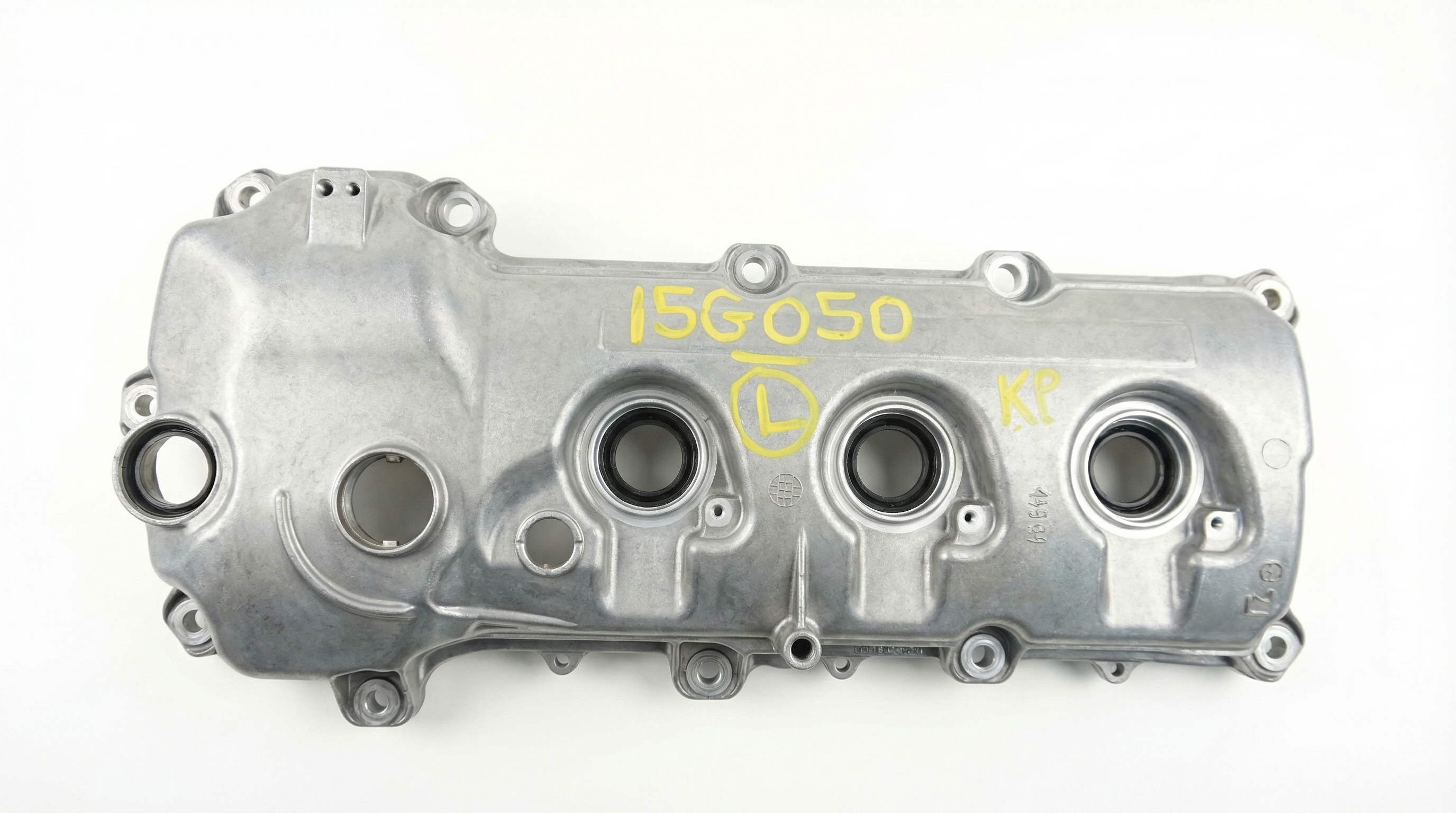
- Part 1: 4.6L 3-Valve V8 (Driver Side): This valve cover fits RWD/4WD trucks and SUVs. The part numbers typically begin with 7L1Z, 7L2Z, or 9L1Z.
- Part 2: 2.0L Turbocharged (EcoBoost) I4: This cover fits FWD/AWD cars and crossovers. The part number is typically CJ5Z-6582-A.
These parts are not interchangeable. Using the wrong cover will result in leaks, poor engine performance, or it may not fit at all.
Part 1: 2006-2010 Ford/Mercury 4.6L 3V V8 Valve Cover (Driver Side)

This section applies to the driver side (LH) valve cover for the following vehicles equipped with the 4.6L 3-Valve V8 engine:
- 2006-2010 Ford Explorer
- 2007-2010 Ford Explorer Sport Trac
- 2006-2010 Mercury Mountaineer
Warning: This cover is only for models with the 4.6L V8 engine. It will not fit the 4.0L V6 engine offered in the same vehicles.
Known Issues & TSBs for the 4.6L 3V Valve Cover
The primary issue with the 4.6L V8 valve cover is simple aging and heat exposure, leading to problems like:
- Gasket Leaks: The most common failure is the rubber gasket becoming hard and brittle, causing oil to seep out. This oil often drips onto the hot exhaust manifold, creating a burning oil smell. 🎬 Watch: How to diagnose a leaking valve cover gasket.
- Cracking: While less common than gasket failure, the plastic cover itself can become brittle and crack, especially if over-tightened during a previous repair.
- Spark Plug Tube Seal Leaks: The valve cover gasket set includes seals for the spark plug tubes. When these fail, oil can fill the spark plug wells, leading to engine misfires (codes P0300-P0308) and damage to the ignition coils.
Research did not uncover any specific recalls or widespread Technical Service Bulletins (TSBs) directly for the valve cover itself on these 4.6L models. However, TSBs exist for related engine noises like ticking, which are sometimes diagnosed by listening through the valve cover.
Part 2: 2012-2018 Ford/Lincoln 2.0L EcoBoost Valve Cover

This section applies to the valve cover for the following vehicles equipped with the 2.0L Turbo (EcoBoost) engine:
- 2012-2014 Ford Edge
- 2013-2016 Ford Escape
- 2013-2018 Ford Focus
- 2013-2016 Ford Fusion
- 2013-2017 Ford Taurus
- 2015-2016 Lincoln MKC
- 2013-2016 Lincoln MKZ
Known Issues & TSBs for the 2.0L EcoBoost Valve Cover
The valve cover on the 2.0L EcoBoost engine is more than just a cover; it contains a critical, non-serviceable part of the PCV system. Its failure is a well-documented problem.
- Integrated PCV Valve Failure: The primary issue is the failure of the built-in PCV check valve. The PCV system is designed to vent pressure from the crankcase (the lower part of the engine). When the turbo creates boost, this check valve is supposed to close to prevent that pressure from entering the crankcase. When it fails, boost pressure floods the crankcase.
- Consequences of PCV Failure: This excess pressure must escape somewhere. It often blows out engine seals, most commonly the rear main seal, leading to a major oil leak. It can also cause high oil consumption, blue or white smoke from the exhaust 🎬 See how a failed PCV system causes EcoBoost smoke issues., and damage to other seals.
- TSB 16-0001: Ford issued a Technical Service Bulletin for some 2.0L EcoBoost vehicles regarding a fuel odor that could originate from the PCV hose connected to the valve cover. The fix involves inspecting and potentially replacing the PCV hose assembly.
- Cracked Covers: Like any plastic component exposed to heat cycles, these covers can crack, leading to both oil and vacuum leaks.
Pro Tip: If you have a 2.0L EcoBoost with a sudden, major oil leak from the rear of the engine, suspect the valve cover's PCV system has failed. Simply replacing the leaking seal (like the rear main seal) without replacing the valve cover will only lead to the new seal failing shortly after.
Symptoms of a Failing Valve Cover

- Burning Oil Smell: This is often the first sign, caused by oil leaking from the cover and dripping onto the hot exhaust manifold.
- Visible Oil Leaks: You may see oily residue and dirt buildup around the edges of the valve cover where it meets the cylinder head.
- Low Engine Oil: A significant leak will cause a noticeable drop in the oil level on your dipstick, potentially triggering the oil light.
- Rough Idle and Misfires: If oil leaks into the spark plug tubes, it can foul the spark plugs and ignition coils, causing the engine to run poorly and triggering misfire codes (e.g., P0301, P0302).
- Vacuum Leaks: A cracked cover or bad gasket can create a vacuum leak, leading to a high or rough idle and lean condition codes like P0171 and P0174.
- White or Blue Exhaust Smoke (2.0L EcoBoost): A sign that the failed PCV system is allowing the engine to suck in and burn large amounts of oil.
Buying a Used Engine Valve Cover: What to Check
A used OEM valve cover can be a cost-effective solution, especially compared to a new OEM part. However, careful inspection is key, particularly for the 2.0L EcoBoost model.
- Check for Cracks: Meticulously inspect the entire cover, especially around the bolt holes and corners, for any hairline cracks. Stress from heat and over-tightening can cause damage.
- Verify Flatness: Lay the cover's sealing surface on a known flat surface to check for warping. A warped cover will never seal properly, even with a new gasket.
- Inspect the PCV Baffle (2.0L EcoBoost): Look inside the cover. The oil separator baffles should be intact. On the 2.0L EcoBoost cover, there is no way to visually inspect the internal PCV check valve, so you are buying based on trust. Prioritize parts from low-mileage, collision-damaged vehicles over those from high-mileage engines.
- Why Used OEM is Often Better: For a complex part like the 2.0L EcoBoost valve cover, a used OEM part is often superior to a cheap aftermarket one. The quality of the plastic and the integrated PCV components in the original Ford part are designed to meet specific performance standards that low-cost alternatives may not match. For the 4.6L V8, fitment and material durability are the main advantages of OEM.
- Always Use a New Gasket: Never reuse an old valve cover gasket. Always install a new, quality gasket set with a used valve cover to ensure a proper seal.
Cost Breakdown for Valve Cover Replacement
Prices can vary by location and the specific vehicle, but this provides a general estimate.
| Part/Service | 4.6L V8 (Driver Side) | 2.0L EcoBoost |
|---|---|---|
| New OEM Part | $90 - $150 | $120 - $180 |
| New Aftermarket Part | $40 - $80 | $65 - $110 |
| Used OEM Part | $30 - $60 | $50 - $90 |
| Shop Labor | $140 - $250 | $180 - $350 |
Installation Difficulty
- 4.6L V8 in Explorer/Mountaineer: Difficulty is 2/5. Access is relatively open. The job involves removing the air intake, disconnecting some hoses and electrical connectors, and unbolting the cover. Estimated time is 1-2 hours.
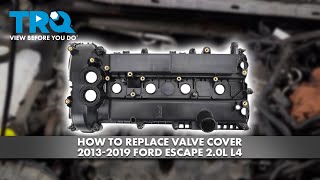
- 2.0L EcoBoost (Transverse): Difficulty is 3/5. Access is tighter. On vehicles like the Escape, it may require removing the cowl panel for access. The process involves removing intake piping, ignition coils, fuel lines, and various connectors. Estimated time is 2-3 hours. 🎬 Watch this step-by-step guide to replacing the 2.0L valve cover.
Frequently Asked Questions (FAQ)
Can I just replace the valve cover gasket instead of the whole cover?
Yes, if the leak is only from a hardened gasket and the cover itself is not cracked or warped, you can just replace the gasket. However, on the 2.0L EcoBoost engine, if you have symptoms of PCV failure (like high oil consumption or blown seals), you MUST replace the entire valve cover assembly, as the faulty PCV valve is built into it.
What happens if I ignore a leaking valve cover?
Ignoring it can lead to several problems. A minor leak can make a mess and cause a bad smell. A major leak can lower your engine oil to dangerous levels, risking severe engine damage. Oil leaking onto the alternator can cause it to fail. On the 2.0L EcoBoost, ignoring a failed PCV in the valve cover can lead to catastrophic failure of other engine seals.
Are the driver and passenger side valve covers the same on the 4.6L V8?
No, they are not the same. They are mirror images of each other and have different part numbers. This guide and the listed part numbers (7L1Z-6582-B, etc.) are for the driver (LH) side only.
Some aftermarket 2.0L EcoBoost valve covers are made of aluminum. Are they better?
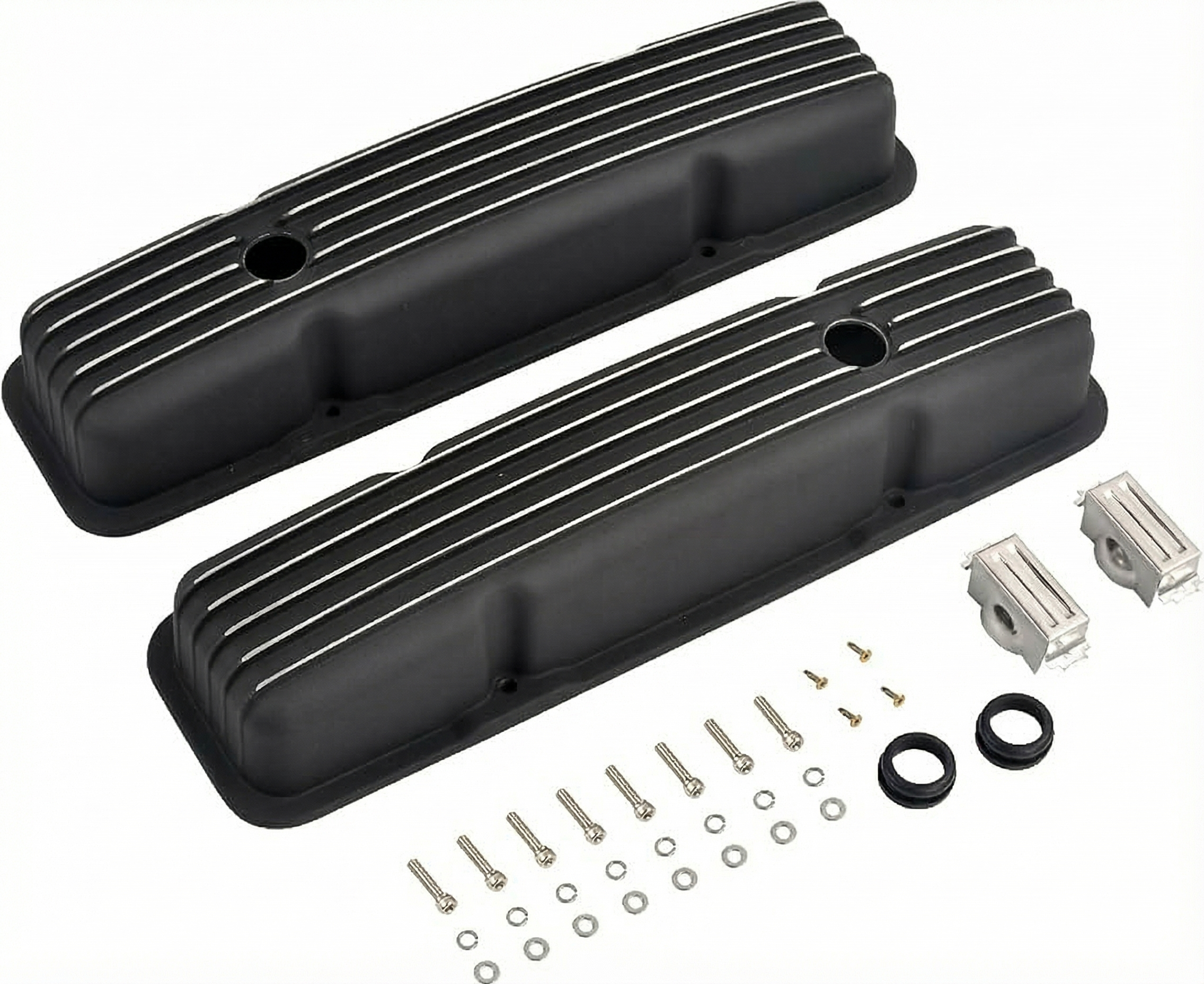
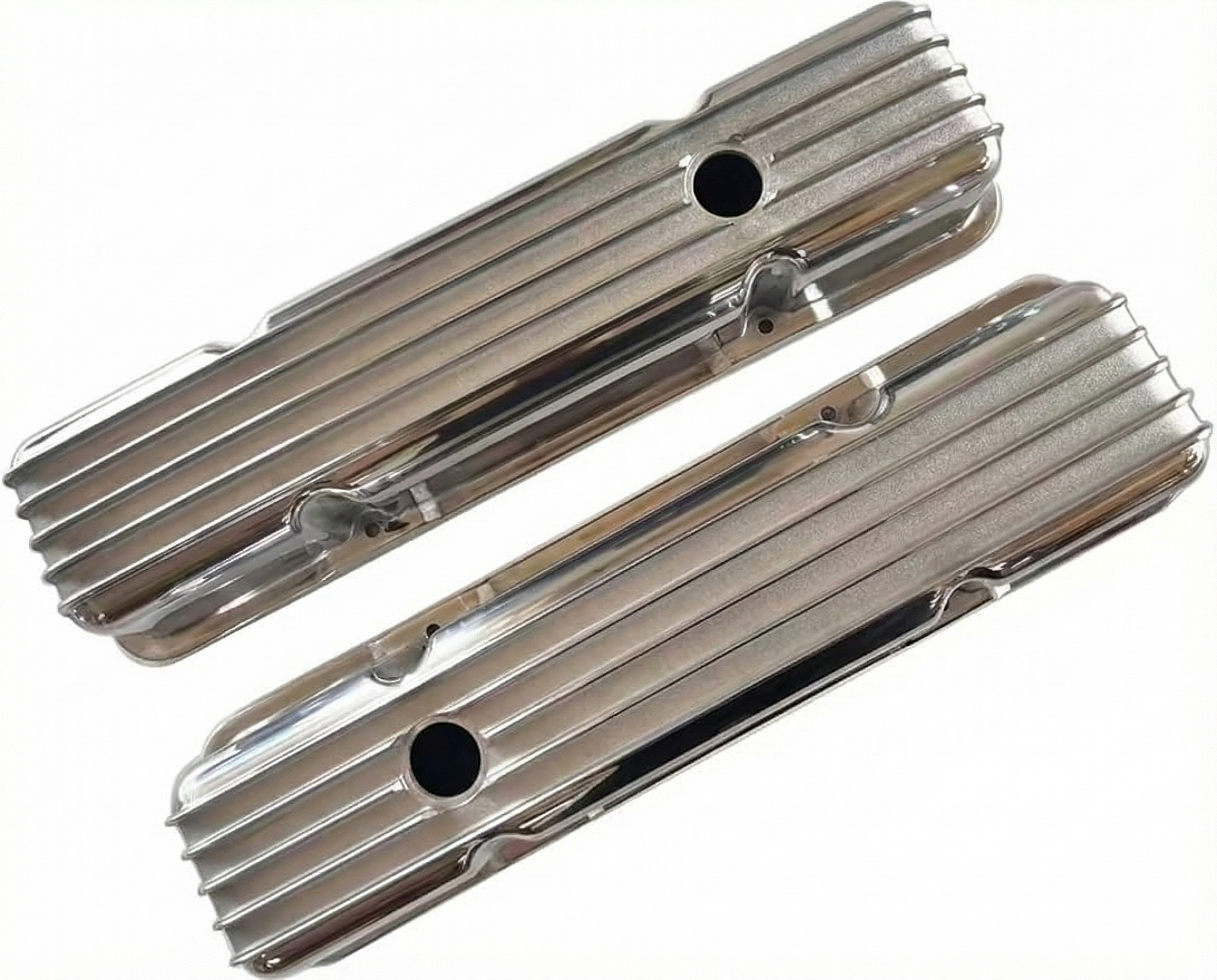
Some owners opt for aftermarket aluminum valve covers to prevent cracking, which is a potential benefit. However, ensure the manufacturer is reputable and that the integrated PCV system is designed to the same specifications as the OEM part. A poorly designed PCV system in an aluminum cover can still cause the same crankcase pressure issues as a failed plastic one.
Helpful Videos
Technical Specifications
OEM Part Numbers: 7L1Z-6582-B 7L2Z-6582-B 9L1Z-6582-C CJ5Z-6582-A CJ5Z6582A
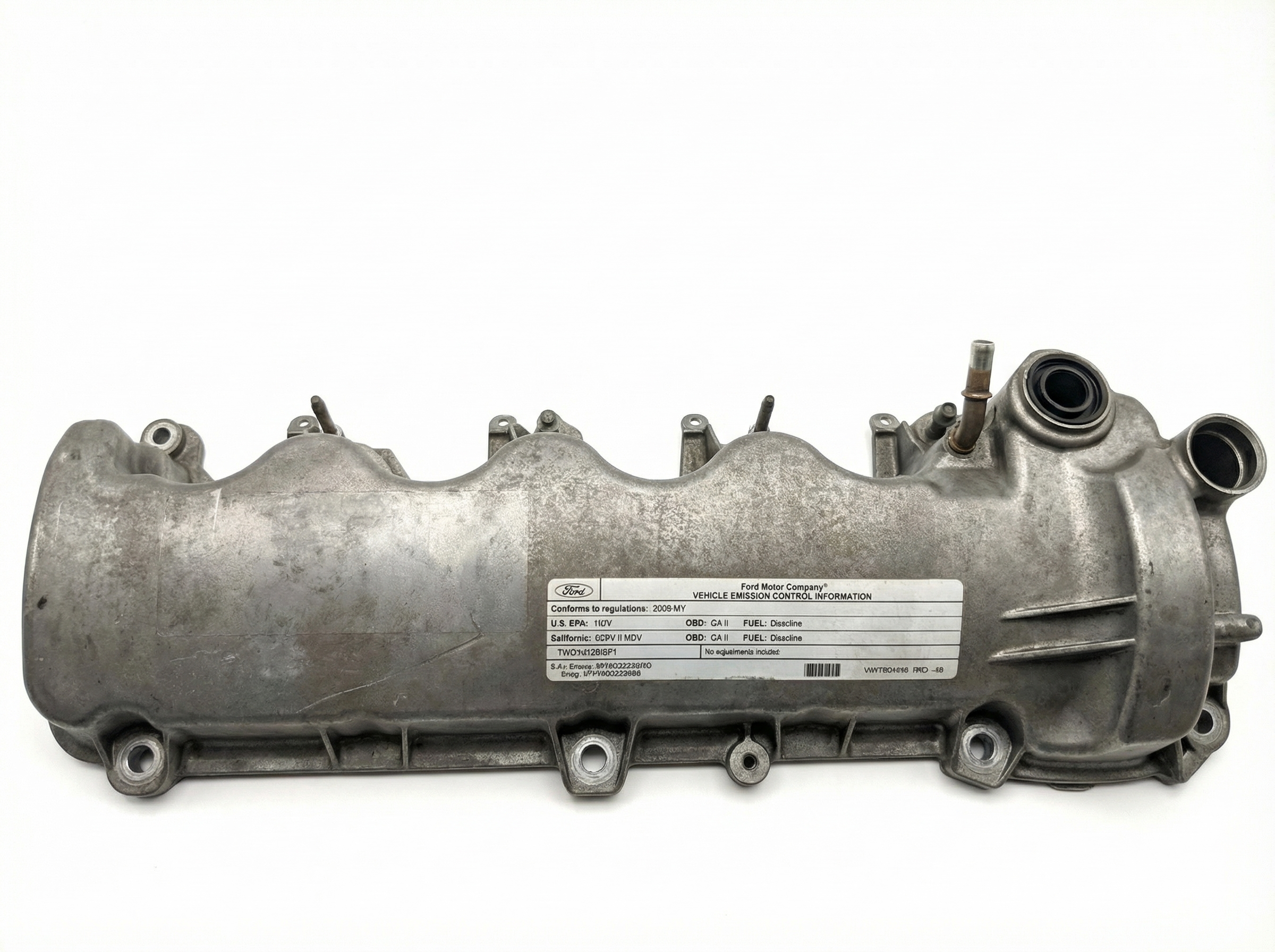
Material: Primarily composite plastic. The 2.0L EcoBoost version includes an integrated, non-serviceable PCV check valve and oil separator.
We Have This Part in Stock

The information in this article is provided for general reference and educational purposes only. Vehicle specifications, procedures, and part compatibility can vary by production date, trim level, and region. Always consult your vehicle's factory service manual and verify part numbers before purchasing or performing repairs. Safety-critical components such as airbags, seat belts, and braking systems should be installed by a qualified professional.
- Ford Explorer:
- Ford Edge:
- Ford Escape:
- Ford Explorer Sport Trac:
- Ford Focus:
- Ford Fusion:
- Ford Taurus:
- Lincoln MKC:
- Lincoln MKZ:
- Mercury Mountaineer:
- 🎬 Helpful Videos
- 🛍️ Shop This Part
- Compatibility Warning: Two Different Engines, Two Different Parts
- Part 1: 2006-2010 Ford/Mercury 4.6L 3V V8 Valve Cover (Driver Side)
- Known Issues & TSBs for the 4.6L 3V Valve Cover
- Part 2: 2012-2018 Ford/Lincoln 2.0L EcoBoost Valve Cover
- Known Issues & TSBs for the 2.0L EcoBoost Valve Cover
- Symptoms of a Failing Valve Cover
- Buying a Used Engine Valve Cover: What to Check
- Cost Breakdown for Valve Cover Replacement
- Installation Difficulty
- Frequently Asked Questions (FAQ)
- 🎟️ Get 5% Off