

Mazda 2.5L Valve Cover Leaks & Oil Loss: 2014-2025 Mazda3, CX-5, CX-30 & Mazda6
This guide covers common oil leaks, failure symptoms, and replacement costs for the valve cover on Mazda's 2.5L Skyactiv non-turbo engine.
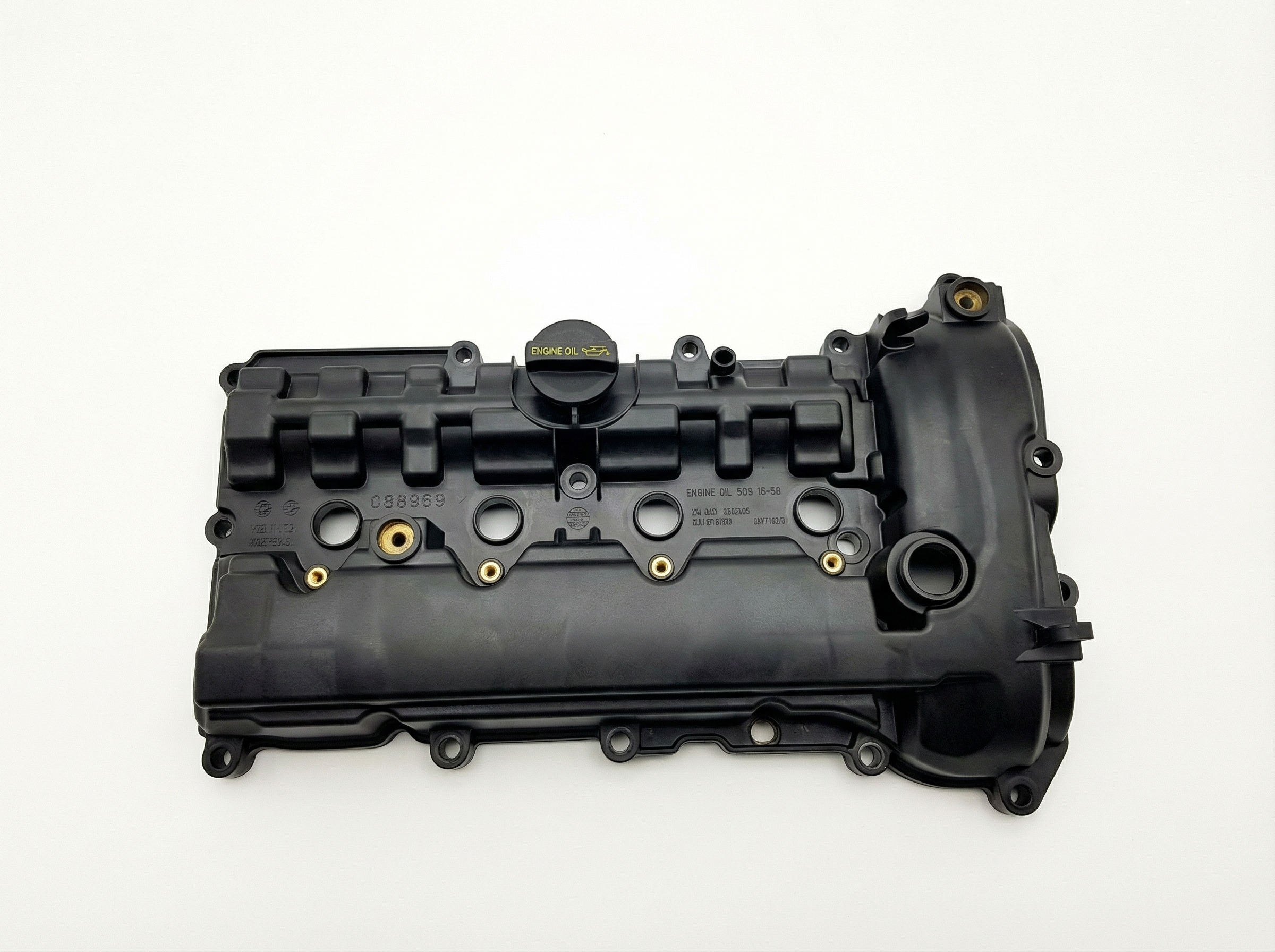
- This valve cover is for the 2.5L non-turbo Skyactiv engine in the Mazda3, Mazda6, CX-5, and CX-30.
- The most common failure is the rubber gasket, not the plastic cover itself. Symptoms include a burning oil smell and visible leaks.
- A leaking valve cover can cause engine misfires (P0300 codes) if oil gets into the spark plug wells.
- When replacing, it is critical to apply RTV sealant at the timing cover joints and torque the bolts to 40-61 inch-pounds to prevent cracking the cover.
Is This Guide for Your Vehicle?

This guide applies to several popular Mazda models that share the 2.5L Skyactiv-G non-turbo engine. While some of these models were also available with a 2.0L or a 2.5L Turbo engine, this specific valve cover (OEM part numbers PY01-10-210A and PEDD10210) is primarily specified for the 2.5L naturally aspirated (non-turbo) engine. Always confirm fitment with your vehicle's VIN before purchasing.
- 2020-2022 Mazda CX-30 (2.5L Non-Turbo)
- 2014-2017 Mazda CX-5 (2.5L Non-Turbo)
- 2015-2025 Mazda MAZDA 3 (2.5L Non-Turbo)
- 2014-2018 Mazda Mazda3 (2.5L Non-Turbo)
- 2014-2020 Mazda Mazda6 (2.5L Non-Turbo)
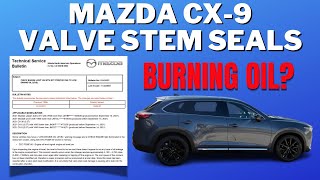
Important: Oil Loss vs. Oil Leak: A significant number of 2021 and newer Mazda vehicles, particularly the CX-30, have a known issue with excessive oil consumption due to faulty internal valve stem seals. This causes oil to burn inside the engine, leading to a low oil light without any visible external leaks. This is a separate, more serious issue than a leaking valve cover gasket. If your oil level is low but you see no drips or smells, you should investigate Mazda's Technical Service Bulletins (TSBs) related to valve stem seals.
🎬 See this video explaining Mazda's oil consumption and TSB issues.Common Symptoms of a Failing Valve Cover or Gasket

On these Mazda engines, the valve cover itself is quite durable. The most common failure is the rubber gasket that seals the cover to the engine, which can become hard and brittle over time from engine heat. When this happens, you may notice one or more of the following symptoms:
1. Burning Oil Smell
This is often the first sign owners notice. When the valve cover gasket leaks, oil seeps out and drips onto the hot exhaust manifold located just below it. This creates a distinct and unpleasant burning oil smell, which is most noticeable when the vehicle is stopped, such as at a traffic light, as the smell wafts into the cabin.
2. Visible Oil Leaks and Stains
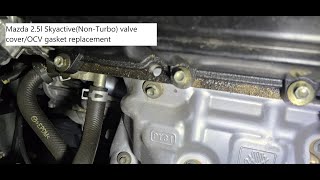
A visual inspection will reveal evidence of a leak. You may see wet, dark stains or an accumulation of oily dirt and grime around the edges of the black plastic valve cover where it meets the silver aluminum cylinder head. The leak is often most prominent on the backside of the engine, near the firewall.
3. Low Engine Oil Level
A persistent leak will cause your engine oil level to drop over time. While a small leak may not cause a dramatic drop between oil changes, a more significant failure can lead to the low oil pressure warning light illuminating on your dashboard. It's important to address the leak rather than just continually topping off the oil.
4. Check Engine Light and Misfires (P0300-P0304)
The valve cover gasket set includes four round seals for the spark plug tubes. If these seals fail, oil can leak directly into the spark plug wells, pooling around the ignition coils and spark plugs. This can interfere with the electrical connection, causing the engine to misfire. A misfire may feel like a rough idle, hesitation during acceleration, or a flashing check engine light. Common diagnostic trouble codes include P0300 (Random/Multiple Cylinder Misfire) and P0301, P0302, P0303, or P0304 for specific cylinders.
Buying a Used Engine Valve Cover: What to Check

Since the plastic cover itself rarely fails, buying a quality, inspected used OEM valve cover is a smart way to save money. The OEM part is made from high-quality materials designed for a perfect fit. Here’s what to inspect before you buy:
- Check for Cracks: Carefully inspect the entire cover, especially around the bolt holes and corners, for any hairline cracks. Overtightening the bolts is a common cause of cracking, so these areas are most vulnerable.
- Inspect for Warping: Lay the cover on a known flat surface to check for any warping. A warped cover will not seal properly, even with a new gasket, leading to persistent leaks.
- Verify Internal Baffles: Look inside the cover. There are plastic baffles that are part of the PCV system. Ensure they are present, intact, and not broken or clogged with sludge.
- Condition of Mounting Points: Check the two rubber grommets on top where the decorative engine cover mounts. Ensure these are not torn or missing.
- Cleanliness: A cover with heavy, baked-on sludge inside can be a red flag, suggesting the donor engine may have been poorly maintained. Look for a relatively clean part.
Pro Tip: Always use a new gasket set when installing a valve cover, whether it's new or used. The cost of the gasket is minimal compared to the labor involved, and reusing an old gasket will almost certainly result in leaks.
Replacement Difficulty & Labor

- Difficulty Rating: 2 out of 5 (Easy to Moderate)
- DIY Feasible: Yes, this is a very manageable job for a DIY mechanic with basic tools.
- Estimated Time: 1-2 hours.
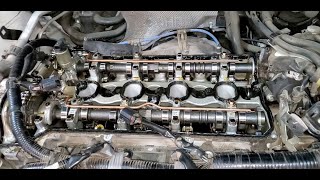
Replacing the valve cover and gasket on the 2.5L Skyactiv engine is straightforward. The process involves removing the plastic engine cover, disconnecting the four ignition coils, unplugging the VVT solenoid, detaching a few hoses, and unbolting a small wiring bracket. There are about 15 bolts holding the cover in place.
Key steps for a successful repair include:
- Thoroughly cleaning the cylinder head's mating surface with a plastic scraper and brake cleaner to remove all old gasket material and oil.
- Applying a small dab of RTV sealant at the four corners where the timing chain cover meets the cylinder head. This is critical for preventing leaks at these sharp junctions.
- Tightening the valve cover bolts in the correct sequence (generally starting from the middle and working your way out in a spiral pattern) 🎬 Watch this walkthrough for the correct bolt removal and installation. to the specified torque of 40-61 inch-pounds. Do not overtighten, as this can crack the plastic cover.
Cost Comparison for Valve Cover Replacement
Prices can vary by supplier and location, but this table provides a general estimate for the parts and labor involved.
| Part/Service | Estimated Cost | Notes |
|---|---|---|
| New OEM Valve Cover | $215 - $250 | Part number PY01-10-210A. Typically includes a new gasket. |
| New Aftermarket Valve Cover | $75 - $175 | Quality can vary. Some are offered in aluminum as a potential upgrade. |
| Used OEM Valve Cover | $50 - $120 | A cost-effective option. Always inspect for cracks before buying. |
| Valve Cover Gasket Kit (Only) | $20 - $40 | Often all that is needed. Includes spark plug tube seals. |
| Shop Labor | $100 - $200 | Typically 1-1.5 hours of labor at an independent shop. |
Frequently Asked Questions
Do I need to replace the whole valve cover or just the gasket?
In most cases, you only need to replace the valve cover gasket set (part number PY01-10-235). The plastic cover itself is durable and should only be replaced if it is physically cracked or warped.
Is an aluminum aftermarket valve cover better than the plastic OEM one?
Some companies offer aluminum valve covers as an upgrade, claiming they are less prone to cracking. While they can be a durable option, a properly installed OEM plastic cover with a new gasket and correct torque is very reliable. The main advantage of a quality used OEM cover is guaranteed fitment of all hoses and sensors.
Can I drive with a leaking valve cover gasket?
For a minor leak or seep, you can drive the vehicle, but you should monitor the oil level closely and plan for a repair soon. If the leak is severe enough to drip on the exhaust and cause smoke, or if it's causing engine misfires, you should get it fixed immediately to avoid potential engine damage or even a fire risk.
What are the valve cover bolt torque specs for the Mazda 2.5L engine?
The torque specification is very light, between 40 and 61 inch-pounds. It is crucial to use a torque wrench rated for inch-pounds to avoid cracking the plastic cover.
Helpful Videos
Technical Specifications
OEM Part Numbers: PY01-10-210A PEDD10210 PY0110210A PY01-10-210 py0110210
Material: Plastic Composite. Engine Application: 2.5L Skyactiv-G (Non-Turbo, without cylinder deactivation).
We Have This Part in Stock

The information in this article is provided for general reference and educational purposes only. Vehicle specifications, procedures, and part compatibility can vary by production date, trim level, and region. Always consult your vehicle's factory service manual and verify part numbers before purchasing or performing repairs. Safety-critical components such as airbags, seat belts, and braking systems should be installed by a qualified professional.
- Mazda CX-30:
- Mazda CX-5:
- Mazda MAZDA 3:
- Mazda Mazda3:
- Mazda Mazda6:
- 🎬 Helpful Videos
- 🛍️ Shop This Part
- Is This Guide for Your Vehicle?
- Common Symptoms of a Failing Valve Cover or Gasket
- 1. Burning Oil Smell
- 2. Visible Oil Leaks and Stains
- 3. Low Engine Oil Level
- 4. Check Engine Light and Misfires (P0300-P0304)
- Buying a Used Engine Valve Cover: What to Check
- Replacement Difficulty & Labor
- Cost Comparison for Valve Cover Replacement
- Frequently Asked Questions
- 🎟️ Get 5% Off