

2015-2025 Audi & VW 2.0T Leaking Water Pump: The Defective Plastic Housing Problem
A definitive guide to the widespread water pump and thermostat housing failures in Audi A3, A4, A5, Q3, Q5 and VW Atlas, Arteon, GTI, & Golf R models with the 2.0T engine.
- The primary failure is the plastic water pump/thermostat housing, which cracks and leaks coolant; this is a widespread, known defect.
- Early symptoms are subtle: a slow coolant leak, a sweet smell, or a low coolant light, often with no puddle on the ground.
- This is NOT a recalled part for leaking. A separate recall existed only for an auxiliary electric pump on some older Audis due to fire risk.
- Replacement is labor-intensive (4-6 hours) as the pump is located under the intake manifold, making labor a significant portion of the repair cost.
The Widespread EA888 Gen 3 Water Pump Problem
If you own a 2015-2025 Audi or Volkswagen with the 2.0L Turbo (TSI/TFSI) engine, you should be aware of a very common and well-documented issue with the engine water pump and thermostat assembly. This problem affects the 2018-2023 Audi A5, 2015-2024 Audi A3, 2017-2023 Audi A4, 2019-2024 Audi Q3, 2018-2023 Audi Q5, 2019-2023 Volkswagen Arteon, 2018-2025 Volkswagen Atlas, 2020-2025 Volkswagen Atlas Cross Sport, 2015-2025 Volkswagen Golf R, and 2015-2025 Volkswagen GTI.
The root cause is the material used in the part's construction. The housing for the water pump and thermostat is made from a thermoplastic polymer. After thousands of heat cycles, this plastic can become brittle, warp, and develop hairline cracks. This allows coolant to leak, often starting as a very slow seep that gets progressively worse.
This issue was so prevalent that it led to a class-action lawsuit (Zhao, et al. v. Volkswagen Group of America, Inc.) for vehicles from model years 2014-2021. While that lawsuit provided an extended warranty for some owners, it is now closed, and reports indicate that even newer models (2022 and beyond) continue to experience the same failures.
Symptoms of a Failing Water Pump
The failure of this water pump assembly often starts subtly. Recognizing the early signs can help you address the issue before it causes severe engine damage.
- Slow Coolant Loss: The most common first sign is a gradually dropping coolant level in the reservoir. You may get an intermittent "Low Coolant" warning light on your dashboard, especially after the car has been parked overnight.
- Sweet Smell: You may notice a sweet, maple-syrup-like smell of coolant around the car, particularly after you've parked it and the engine is still hot.
- Pink or White Crusty Residue: If you inspect the front of the engine, often below the intake manifold, you might see a pinkish-white crust. This is dried G12/G13 coolant residue and is a tell-tale sign of a leak.
- Visible Puddles: As the leak worsens, you may find pink puddles of coolant on the ground under the front, center of the engine.
- Engine Overheating: In advanced stages of failure, the pump can no longer circulate enough coolant, causing the engine temperature gauge to rise above the normal middle mark. Driving an overheating engine can cause severe damage.
- Inconsistent Cabin Heat: Air pockets entering the cooling system from the leak can disrupt coolant flow to the heater core, resulting in poor or intermittent heat in the cabin.
Pro Tip: Many owners are confused when they smell coolant but see no drips on the ground. This is because a slow leak can land on the hot engine block and evaporate before it has a chance to drip, leaving only the smell and the crusty residue behind.
Diagnosis and Inspection
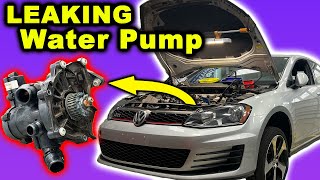
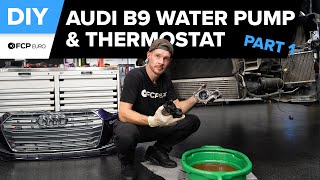
To confirm the water pump is the source of the leak, a technician will typically use a cooling system pressure tester. This tool applies pressure to the system while the engine is off, making leaks easier to spot. The pump is located on the front of the engine, below the intake manifold. 🎬 Watch: Step-by-step EA888 Gen 3 water pump replacement guide A flashlight and a small inspection mirror are essential for looking at the underside of the housing and the area where it meets the engine block, as this is where leaks most often occur.
Buying a Used Engine Water Pump
Purchasing a used water pump assembly for these vehicles requires careful consideration, as it is a known high-failure part.
- Why Used OEM?: A used OEM (Original Equipment Manufacturer) part ensures perfect fitment, and proper function of the integrated electronic thermostat and sensors, which can sometimes be problematic with aftermarket alternatives.
- Mileage is Key: Given the failure pattern, opt for a part from the lowest-mileage vehicle possible. A pump with 80,000 miles is already at the end of its typical life expectancy. A part with under 30,000 miles is a much safer bet.
- Physical Inspection: Before buying, meticulously inspect the entire plastic housing. Look for:
- Hairline Cracks: Pay close attention to the seams where different parts of the housing are joined and around the bolt holes.
- Warping: Check the flat gasket surface that mates to the engine block. It must be perfectly flat with no signs of warping.
- Staining: Look for any pink or white residue that indicates a previous leak. If it has leaked before, it will leak again.
- Intact Connectors: Ensure the electrical connectors for the thermostat and sensors are not cracked, broken, or corroded.
- The Inherent Risk: Understand that any used OEM plastic pump carries the same potential defect as your original one. There is no guarantee it won't fail in the future. The trade-off is a lower initial cost compared to a new OEM part.
Known Issues, Lawsuits, and Recalls
Important: There are two separate, widely discussed issues concerning coolant pumps on these vehicles. It is critical to understand the difference.
The Main Water Pump/Thermostat Leak (Class Action Lawsuit)
This is the most common problem, as described in this guide. The primary, belt-driven water pump and thermostat housing made of plastic fails and leaks coolant. This issue was the subject of a class-action lawsuit that provided an extended warranty (8 years / 80,000 miles) for many 2014-2021 models. This was not a safety recall. That settlement program is now closed, and owners of affected vehicles outside of the warranty period are responsible for the repair costs.
Separate Issue: Electric Auxiliary Pump Recall (Fire Risk)
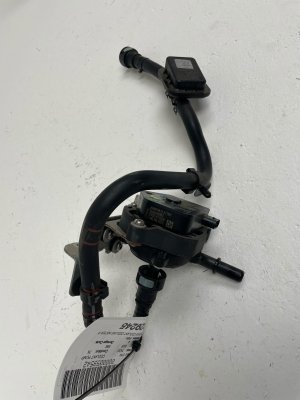
Some older Audi models, including the 2013-2017 A5, A4, and Q5, were subject to a safety recall (NHTSA Campaign: 18V229000) for a separate, smaller, electric auxiliary coolant pump. This pump, also known as the after-run pump, could short-circuit and potentially cause a fire. This is a completely different part from the main engine water pump assembly that is known for leaking.
Replacement Cost Breakdown
The cost to replace the water pump assembly varies by vehicle model and local labor rates. The job is labor-intensive due to the pump's location under the intake manifold.
| Item | Estimated Cost | Notes |
|---|---|---|
| New OEM Part | $450 - $600 | Genuine VW/Audi part. Ensures correct function but may still be the failure-prone plastic design. |
| New Aftermarket Part | $150 - $400 | Varies widely in quality. Some offer upgraded aluminum housings, which can prevent cracking but may introduce other fitment or sensor issues. |
| Used OEM Part | $100 - $250 | A cost-effective option, but carries the risk of the same inherent defect. Low mileage is critical. |
| Shop Labor | $500 - $1,100 | Typically 4-6 hours of labor. Audi models often have higher labor costs than Volkswagen models. |
| Total Professional Replacement | $950 - $1,900+ | Total cost using a new OEM part at an independent repair shop or dealership. |
Installation Overview & Difficulty
- Difficulty Rating: 4 out of 5 (Difficult)
- Estimated Time: 4-6 hours
- DIY Feasible: Yes, for experienced mechanics with the right tools. Not recommended for beginners.
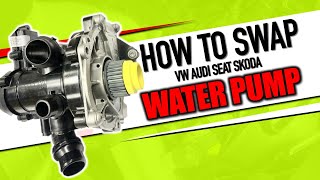
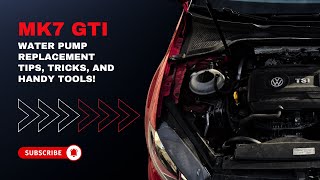
The replacement process is involved. Key steps include draining the cooling system, removing the intake manifold to gain access, removing the small drive belt for the pump, disconnecting multiple hoses and electrical connectors, unbolting the old assembly, cleaning the engine block surface, and carefully installing the new unit. The bolts holding the housing to the block should be torqued to 9 Nm. 🎬 See this video for essential installation tips and tools After installation, the cooling system must be properly filled and bled of air, often using a vacuum-fill tool for best results.
Frequently Asked Questions (FAQ)
Is there a recall for the leaking water pump on my GTI, A4, or Atlas?
No. There has not been a safety recall for the primary engine water pump/thermostat assembly that is known to leak. The only related recall was for a separate, electric auxiliary pump on some older Audi models due to a fire risk.
Why did my water pump fail at only 40,000 miles?
Early failure is the hallmark of this issue. The plastic housing is the weak point, and failures can occur at almost any mileage, with reports ranging from as low as 20,000 miles to over 100,000. It is a design and material flaw, not a result of maintenance or driving habits.
Should I replace my plastic pump with an aftermarket aluminum one?
It's a trade-off. An aluminum housing solves the cracking and warping problem permanently. However, some aftermarket units may use lower-quality seals or sensors, potentially causing other issues. If you choose aftermarket, select a reputable brand with a good warranty. A high-quality used OEM part is often a safer bet for ensuring all electronic systems work as designed.
My car is a 2023 model. Is it still affected by this?
Yes, the problem appears to persist in newer models. While the original class action lawsuit covered vehicles up to 2021, new legal actions and owner complaints for 2022-2024 models suggest the fundamental design flaw has not been fully resolved by the manufacturer.
Helpful Videos
Technical Specifications
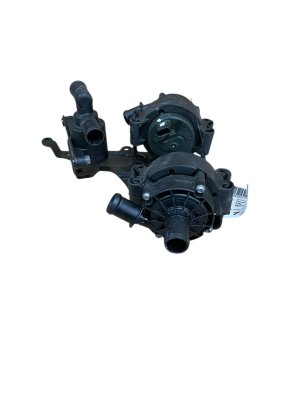
OEM Part Numbers: 06L121111H 06L121111J 06L121111K 06L121111L 06L121111M 06L121111P 06L121012A 06L121012H 06L121012L 06K121011B 06K121011C
Material: Thermoplastic Polymer Housing. Drive: Belt-driven from engine balance shaft. Control: Integrated electronically controlled thermostat.
We Have This Part in Stock
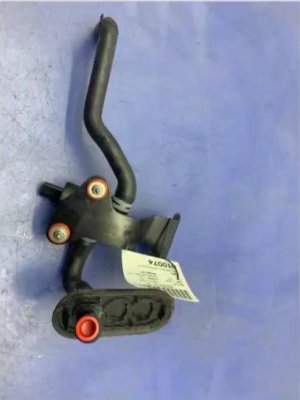
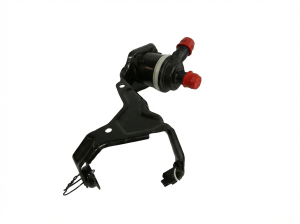
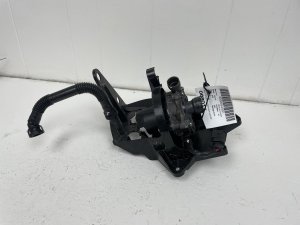

The information in this article is provided for general reference and educational purposes only. Vehicle specifications, procedures, and part compatibility can vary by production date, trim level, and region. Always consult your vehicle's factory service manual and verify part numbers before purchasing or performing repairs. Safety-critical components such as airbags, seat belts, and braking systems should be installed by a qualified professional.
- Audi A5:
- Audi A3:
- Audi A4:
- Audi Q3:
- Audi Q5:
- Volkswagen Arteon:
- Volkswagen Atlas:
- Volkswagen Atlas Cross Sport:
- Volkswagen Golf R:
- Volkswagen GTI:
- Volkswagen Jetta:
- Volkswagen Tiguan:
- 🎬 Helpful Videos
- 🛍️ Shop This Part
- The Widespread EA888 Gen 3 Water Pump Problem
- Symptoms of a Failing Water Pump
- Diagnosis and Inspection
- Buying a Used Engine Water Pump
- Known Issues, Lawsuits, and Recalls
- The Main Water Pump/Thermostat Leak (Class Action Lawsuit)
- Separate Issue: Electric Auxiliary Pump Recall (Fire Risk)
- Replacement Cost Breakdown
- Installation Overview & Difficulty
- Frequently Asked Questions (FAQ)
- 🎟️ Get 5% Off