

2024-2025 Kia EV9 Battery & Electronics Coolant Pump Guide
This is not an engine water pump; it's a vital electric pump for your EV's battery and electronics cooling system.
- This is NOT an engine water pump; it's an electric pump for cooling the EV's battery and electronics.
- A key issue is a software service action (SA570) that updates the pump's logic to prevent charging interruptions and potential ICCU damage.
- Early owner reports suggest coolant warnings may be from factory issues like loose hoses or air in the system, not necessarily a bad pump.
- Replacement requires special low-conductivity coolant and a specific air-bleeding procedure, making it a difficult DIY job.
Understanding the EV9's Thermal Management Pump
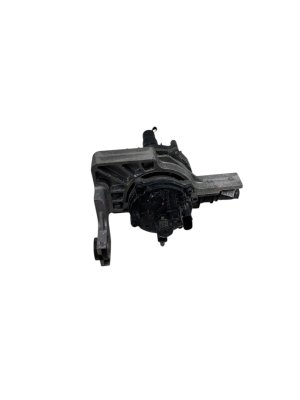
The part 256W0-DO000 is an electric auxiliary coolant pump, not a traditional engine water pump. In the Kia EV9, a sophisticated liquid-cooling system is essential for the health and performance of all high-voltage components. This pump is the heart of that system, ensuring the battery pack and electronics operate within their ideal temperature range, whether you're driving, fast charging, or parked on a hot day. Failure of this pump can lead to significant performance issues and potential damage to expensive components.
Known Issues, Service Bulletins, and Owner Experiences
While the EV9 is a new vehicle, some early issues related to the cooling system and this pump have been identified. These are crucial for any owner or technician to be aware of.
Service Action SA570: EWP Logic and ICCU Protection
Kia has issued a service action (SA570) to update the software logic for the Electric Water Pump (EWP). This update addresses a potential problem during Level 1 or Level 2 AC charging, especially in cold weather. A discrepancy between the actual and sensed temperature of the Integrated Charging Control Unit (ICCU) could occur, leading to interrupted charging and, in some cases, damage to the ICCU. An Over-the-Air (OTA) update was also released to help prevent this issue.
🎬 Watch: A summary of Kia EV9 recalls and software updates- Symptom: AC charging stops unexpectedly; a warning light may appear.
- Solution: Dealers will perform a software update on the Vehicle Control Unit (VCU). If Diagnostic Trouble Codes (DTCs) like P1E011C, P1E0211, P1E1300, or P1E0C73 are stored, the dealer will also replace the ICCU assembly as part of the service action.
Owner Reports: Coolant Leaks & Warning Lights
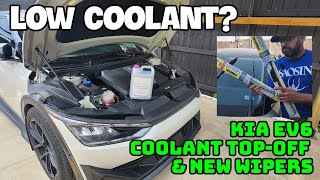
Owners on forums have reported receiving dashboard warnings like "Refill Battery System Coolant" or "Check drive motor cooling system" on very new vehicles. In at least one documented case, a technician found the cause to be a loose coolant hose connection from the factory, which resulted in a significant coolant leak. Another instance was resolved by the dealer "burping" the system, suggesting an air bubble was trapped during the initial factory fill. 🎬 See how to check and top off your battery coolant These reports indicate that low coolant levels may not be due to a faulty pump but rather an assembly or inspection issue.
Pro Tip: If you receive a coolant warning, the first step is a visual inspection. Carefully check the coolant reservoir level. If it is low, inspect under the vehicle for any signs of pink or blue coolant, which could indicate a leak from a hose or connection.
Symptoms of a Failing Coolant Pump
A failing electric coolant pump on an EV9 will present different symptoms than a water pump on a gasoline car. Look for electronic warnings rather than traditional signs like steam from an engine.
- Dashboard Warning Messages: The most common sign will be a message on the instrument cluster. Look for warnings like "Check electric vehicle system," "Refill motor system coolant," or "Power limited."
- Reduced Performance ("Limp Mode"): If the pump fails, the vehicle's computer will limit power to the motors to prevent overheating and protect the battery. This can feel like a sudden loss of acceleration. 🎬 Watch: Why ICCU failures cause sudden power loss in EVs
- Charging Problems: A faulty pump can cause charging sessions to fail, particularly DC fast charging, as the system cannot adequately cool the battery. The known TSB also links pump operation directly to AC charging interruptions.
- Coolant Leaks: While leaks are often from hoses, a pump can fail at its seals. Look for puddles of pink/blue, slightly sweet-smelling coolant under the vehicle.
- Buzzing or Whining Noises: A failing electric motor within the pump may produce a constant, high-pitched buzzing or whining sound from the front of the vehicle, even when parked.
Buying a Used 2024-2025 EV9 Coolant Pump
Given the EV9's newness, any used pump will be a very low-mileage part from a salvaged vehicle. This makes inspection critical, as the reason for salvage (like a collision) can affect the part's condition.
- Physical Inspection: Carefully examine the entire pump housing for any cracks, chips, or signs of impact. Pay close attention to the plastic hose connections (nipples) and the electrical connector. Ensure they are not broken, bent, or stressed.
- Check the Electrical Connector: Look inside the connector for any corrosion (green or white powder) or bent pins. A damaged connector can cause intermittent operation.
- Verify the Part Number: Ensure the part is stamped with 256W0-DO000. While other pumps may look similar, the flow rate and control logic are specific to the vehicle.
- Source Vehicle Information: If possible, find out about the donor vehicle. A part from a vehicle with rear-end damage is a much safer bet than one from a major front-end collision where the pump might have suffered a direct impact or shock.
- Why Used OEM is a Good Choice: For a critical component like this, a used Original Equipment Manufacturer (OEM) part is often a better choice than a new, unproven aftermarket part (if any were available). OEM parts are built to the manufacturer's exact specifications for flow rate, pressure, and electronic compatibility, which is essential for the complex thermal management system of an EV.
Cost Comparison
The cost for this part can vary, but labor is a significant factor due to the complexity of the cooling system.
| Part Type | Estimated Cost |
|---|---|
| New OEM | $120 - $185 |
| New Aftermarket | Not Yet Available |
| Used OEM | $75 - $150 |
| Shop Labor Cost | $300 - $500 |
Labor costs are an estimate and can vary by location. The process involves draining the specific coolant loop, replacing the part, and performing a vacuum-fill and air-bleeding procedure, which takes time and specialized equipment.
Replacement Overview
Replacing this pump is a moderately difficult job best left to those with experience in modern vehicle repair, especially EVs.
- Difficulty: 4 out of 5
- DIY Feasible: For advanced mechanics only.
- Key Steps: Accessing the pump requires removing the front trunk (frunk) trim panels. The specific cooling loop must be drained. After replacing the pump, the system must be refilled with the correct type of low-conductivity coolant and properly bled of all air, often requiring a vacuum filler and a diagnostic tool to cycle the pump.
Warning: NEVER use standard automotive antifreeze. EVs require a specific low-conductivity coolant to prevent electrical shorts and corrosion in the high-voltage system. Using the wrong coolant can cause catastrophic damage.
Frequently Asked Questions (FAQ)
Can I still drive my EV9 if the coolant pump is failing?
It is not recommended. A failing pump can lead to overheating of the battery and electronics, causing the vehicle to enter a reduced-power 'limp mode' or shut down completely to protect itself. Continuing to drive could lead to permanent damage to the battery or drive unit.
Is this the same as the 'heat pump'?
No, but they are related. The heat pump is a system that provides efficient cabin heating and cooling. This electric water pump (EWP) circulates the coolant that the heat pump system uses to move thermal energy around the vehicle, including from the battery and motors to the cabin.
Why did I get a 'Refill Coolant' warning on my brand new EV9?
Based on early owner reports, this is likely due to either an air bubble in the system from the factory that has worked its way out, or a loose hose connection that has caused a small leak. While a pump failure is possible, it's less likely on a new vehicle. The first step is to have the dealer inspect the coolant level and check for leaks.
Does the TSB for the water pump mean my pump is bad?
Not necessarily. The service action (SA570) is for a software update to change *how* the pump operates during AC charging to protect the ICCU. It does not mean the pump itself is defective, but rather that its control logic needed improvement. The update is performed to prevent a future failure of other components.
Helpful Videos

Technical Specifications
OEM Part Numbers: 256W0-DO000 256W0DO000
Electric auxiliary coolant pump for battery and power electronics thermal management system. Also referred to as 'Drive Motor Inverter Cooler Water Pump'.
We Have This Part in Stock

The information in this article is provided for general reference and educational purposes only. Vehicle specifications, procedures, and part compatibility can vary by production date, trim level, and region. Always consult your vehicle's factory service manual and verify part numbers before purchasing or performing repairs. Safety-critical components such as airbags, seat belts, and braking systems should be installed by a qualified professional.
- Kia EV9:
- 🎬 Helpful Videos
- 🛍️ Shop This Part
- Understanding the EV9's Thermal Management Pump
- Known Issues, Service Bulletins, and Owner Experiences
- Service Action SA570: EWP Logic and ICCU Protection
- Owner Reports: Coolant Leaks & Warning Lights
- Symptoms of a Failing Coolant Pump
- Buying a Used 2024-2025 EV9 Coolant Pump
- Cost Comparison
- Replacement Overview
- Frequently Asked Questions (FAQ)
- 🎟️ Get 5% Off