

Tesla Model 3, Y, S, & X Heat Pump 'Octovalve' Failure: Diagnosis & Replacement Guide
A deep dive into the common failures of the Tesla Supermanifold and Octovalve assembly, including loss of heat, error codes, and costly repairs.
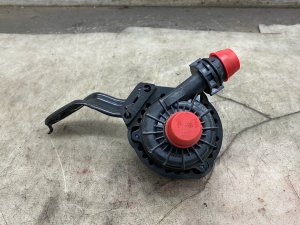
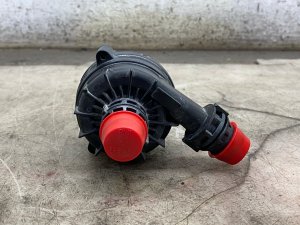
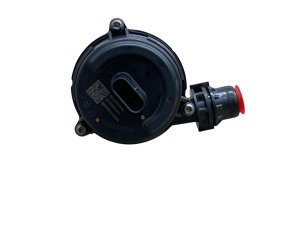
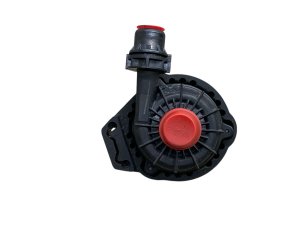
- This part is the 'Supermanifold' or 'Octovalve' assembly, the core of the heat pump system, not a simple water pump.
- Failure is common, especially in cold climates, and often presents as a total loss of cabin heat and defrost, which is a safety issue.
- A loud squeal indicates imminent compressor failure, which can contaminate the entire system and dramatically increase repair costs.
- Replacement is a complex, high-difficulty job requiring specialized tools for A/C refrigerant and coolant service, making it infeasible for most DIYers.
Vehicle Fitment: A Critical Compatibility Warning
Important: This Supermanifold / Octovalve assembly is ONLY for Tesla vehicles equipped with the factory heat pump system. It will NOT fit earlier models with resistive heating. Please verify your vehicle's system before purchase.
- 2021-2026 Tesla Model 3: The heat pump was introduced with the 2021 model year refresh. This part will not fit 2017-2020 Model 3 vehicles.
- 2020-2026 Tesla Model Y: All Model Y vehicles came standard with the heat pump system.
- 2021-2025 Tesla Model S: Fits the refreshed 'Palladium' models from 2021 onward.
- 2021-2025 Tesla Model X: Fits the refreshed 'Palladium' models from 2021 onward.
Common Symptoms of Failure
A failing Supermanifold or a component within it can cause a range of issues, from simple discomfort to critical system shutdowns. Here are the most common signs to watch for.
1. Complete Loss of Cabin Heat or Air Conditioning
The most obvious symptom is a climate control system that blows ambient temperature air regardless of the setting. This is especially dangerous in extreme cold, as it also disables the windshield defrosting function, posing a significant safety risk. This failure can be caused by a stuck Octovalve, a failed sensor, or a non-functioning compressor.
2. On-Screen Error Messages
Tesla's diagnostic system is quick to report thermal system problems. Look for alerts on the main screen, such as:
- VCFRONT_a447 - 'Cabin climate control system requires service': This is a general but serious alert indicating the thermal management system has detected a fault and may limit or disable climate functions.
- VCFRONT_a160 - 'Compressor Inhibited': 🎬 Watch: Troubleshooting Tesla HVAC systems when heat or A/C stops working This message often appears when faulty sensors or low refrigerant levels cause the system to shut down the A/C compressor as a protective measure.
3. Loud, Unusual Noises from the Front of the Vehicle
Pay close attention to new sounds coming from under the front trunk (frunk). A high-pitched, metallic squeal or a loud grinding noise is a critical warning. This often indicates the A/C compressor is mechanically failing, which can send metal shavings throughout the entire sealed refrigerant system, turning a single part failure into a much more expensive, system-wide contamination problem. Other buzzing or clicking sounds can also point to failing pumps or valve actuators.
4. Reduced Performance and Slower Charging
The thermal system's primary job is to keep the high-voltage battery in its optimal temperature range. When it can't do this effectively, the vehicle's computer will limit performance (acceleration) and reduce DC fast charging (Supercharging) speeds to protect the battery. If you notice sluggish performance or charging that's slower than usual in moderate weather, it could be an early sign of a thermal system issue.
Known Issues, Recalls, and Service Bulletins
The Tesla heat pump system has been the subject of widespread discussion and official service actions, particularly for its performance in cold climates.
NHTSA Recall 22V-063: Loss of Defrosting
In February 2022, Tesla issued a recall for certain 2021-2022 Model 3, Y, S, and X vehicles due to a software issue. The problem could cause the electronic expansion valve to open unintentionally, trapping refrigerant and causing the compressor to shut down in temperatures below 14°F (-10°C). This leads to a loss of cabin heat and the inability to defrost the windshield. While Tesla released an over-the-air software update to fix it, many owners reported that hardware issues, like valves freezing, persisted.
Service Bulletin SB-21-18-002: 🎬 See: Why these Tesla heat pumps break down and fail Faulty Pressure/Temperature Sensors
Many thermal system failures were traced back to faulty refrigerant pressure/temperature (P/T) sensors. These sensors can fail over time, providing incorrect readings that cause the system to shut down as a precaution. The official fix is to replace all three P/T sensors within the system. Some owners have had this service performed only to have issues reappear later.
Widespread Failures and Class Action Lawsuit
Failures of the heat pump system are one of the most common and expensive out-of-warranty repairs for these Tesla models. The issues are so prevalent, especially in cold climates, that a class-action lawsuit was filed in Quebec, Canada, alleging the system has a 'hidden defect.'
Pro Tip: When diagnosing a failure, it's critical to determine if the A/C compressor has failed mechanically. If it has, the entire refrigerant side of the system, including the chiller and liquid-cooled condenser that bolt to the Supermanifold, may be contaminated with metal debris and must be replaced. Simply replacing the Supermanifold without addressing contamination will lead to repeat failure of the new compressor.
Buying a Used Supermanifold Assembly
Given the high cost of a new assembly from Tesla, a used, recycled OEM part is an excellent value. However, because this part is complex and sensitive, careful inspection is key.
- Check for Physical Damage: Thoroughly inspect the plastic body of the manifold for any cracks, especially around the mounting points and hose connections. Ensure all electrical connector pins are straight and free of corrosion.
- Verify Cleanliness: This is the most critical step. Ask the seller to confirm the part came from a vehicle with a working A/C system. Avoid parts from vehicles where the A/C compressor failed catastrophically, as microscopic metal debris can be trapped in the internal passages of the chiller and condenser. A contaminated used part will destroy a new compressor.
- Match Part Numbers: Match the part number on the unit to your original part or the numbers listed in this guide. Tesla frequently revises parts, so look for the main number (e.g., 1547595) and be aware that the suffix may change (e.g., -00-E, -00-H, -03-H).
- Why Used OEM is a Good Choice: Unlike some aftermarket alternatives that may not exist for such a complex part, a used OEM Supermanifold is the same factory-quality part that came with the car. It ensures proper fitment and communication with the vehicle's control modules, which is essential for this integrated system.
Replacement Overview & Difficulty
Replacing the Supermanifold is a difficult and time-consuming job, best left to experienced technicians or very skilled DIY mechanics with the right tools.
- Difficulty Rating: 5 out of 5.
- Process: The job requires removing the front trunk (frunk) and various trim panels, safely disabling the high-voltage system, recovering the A/C refrigerant with a specialized machine, and draining the vehicle's coolant loop. The assembly is then disconnected from numerous hoses and electrical harnesses before it can be removed.
- Post-Installation: After installation, the A/C system must be recharged to precise specifications, and the coolant system must be refilled using a specific vacuum fill procedure to eliminate air pockets. Finally, a 'Heat Pump Commissioning' or 'Thermal Fill/Drain' routine must be run using Tesla's service software to calibrate the system and ensure all valves and pumps are functioning correctly.
Cost Comparison
| Part/Service | Estimated Cost (USD) | Notes |
|---|---|---|
| New OEM Assembly | $1,500 - $2,500+ | Price for the part alone from Tesla. Can be higher if additional components like the compressor are needed. |
| Used OEM Assembly | $350 - $750 | Based on listings from online recyclers and eBay. Price varies with condition and included components. |
| Shop Labor | $1,000 - $2,000+ | Labor can be 5-8+ hours. Total out-of-warranty repair bills 🎬 Watch: Real-world Model Y Supermanifold replacement cost breakdown often range from $2,500 to over $5,000 if the compressor and other parts are replaced. |
Frequently Asked Questions (FAQ)
What exactly is the 'Octovalve?'
The Octovalve is the nickname for the central rotary valve inside the Supermanifold assembly. It has multiple ports and acts like a traffic controller, directing the flow of coolant and refrigerant to different parts of the car to heat and cool them efficiently. It's a key piece of technology that allows the heat pump to scavenge waste heat from the motors and battery.
Can I still drive my Tesla if the heat pump is broken?
Maybe, but it's not recommended. While the car may be drivable, you will not have cabin heat or defrost, which is unsafe in cold or wet weather. Furthermore, because the system is also responsible for cooling the battery, driving with a major fault could lead to performance limitations, reduced charging speed, and, in a worst-case scenario, potential damage to the high-voltage battery.
Why did my heat fail in extremely cold weather?
This is the most common failure scenario. In sub-freezing temperatures, moisture in the system or a faulty valve can cause components to freeze. This can lead to a valve getting stuck, trapping refrigerant, and causing the compressor to shut down to protect itself, which in turn kills your cabin heat. This was the subject of NHTSA recall 22V-063.
Is this repair covered under warranty?
This repair is covered under Tesla's Basic Vehicle Limited Warranty. However, many of these failures occur after the warranty has expired, leading to very expensive repair bills for owners. The high-voltage battery and drive unit warranty does NOT cover this component. If you are out of warranty, you may be responsible for the full cost of repair.
Technical Specifications and Part Numbers
Known OEM Part Numbers
This list includes part numbers for the Supermanifold assembly. Tesla frequently updates these, so always use the latest revision available. The core part number is often 1547595.
- 1502022-00-D
- 1506803-00-F
- 1506859-00-D, 1506859-00-E
- 1523002-00-B
- 1523007-00-E, 1523007-00-F
- 1547595, 1547595-00-B, 1547595-00-C, 1547595-00-E, 1547595-00-F, 1547595-00-H, 1547595-03-H
- 1547595-98-E
Helpful Videos
Technical Specifications
OEM Part Numbers: 1502022-00-D 1506803-00-F 1506859-00-D 1506859-00-E 1523002-00-B 1523007-00-E 1523007-00-F 1547595 1547595-00-B 1547595-00-C 1547595-00-E 1547595-00-F 1547595-00-H 1547595-03-H 1547595-98-E
Integrated thermal management assembly combining coolant pumps, refrigerant valves (Octovalve), chiller, liquid-cooled condenser, and sensors into a single manifold.
We Have This Part in Stock

The information in this article is provided for general reference and educational purposes only. Vehicle specifications, procedures, and part compatibility can vary by production date, trim level, and region. Always consult your vehicle's factory service manual and verify part numbers before purchasing or performing repairs. Safety-critical components such as airbags, seat belts, and braking systems should be installed by a qualified professional.
- Tesla 3:
- TESLA Y:
- TESLA S:
- Tesla X:
- 🎬 Helpful Videos
- 🛍️ Shop This Part
- Vehicle Fitment: A Critical Compatibility Warning
- Common Symptoms of Failure
- 1. Complete Loss of Cabin Heat or Air Conditioning
- 2. On-Screen Error Messages
- 3. Loud, Unusual Noises from the Front of the Vehicle
- 4. Reduced Performance and Slower Charging
- Known Issues, Recalls, and Service Bulletins
- NHTSA Recall 22V-063: Loss of Defrosting
- Service Bulletin SB-21-18-002: Faulty Pressure/Temperature Sensors
- Widespread Failures and Class Action Lawsuit
- Buying a Used Supermanifold Assembly
- Replacement Overview & Difficulty
- Cost Comparison
- Frequently Asked Questions (FAQ)
- Technical Specifications and Part Numbers
- Known OEM Part Numbers
- 🎟️ Get 5% Off