

2015-2023 Charger & Challenger 6.4L Engine Harness: A Guide to Failures, Part Numbers, and Replacement
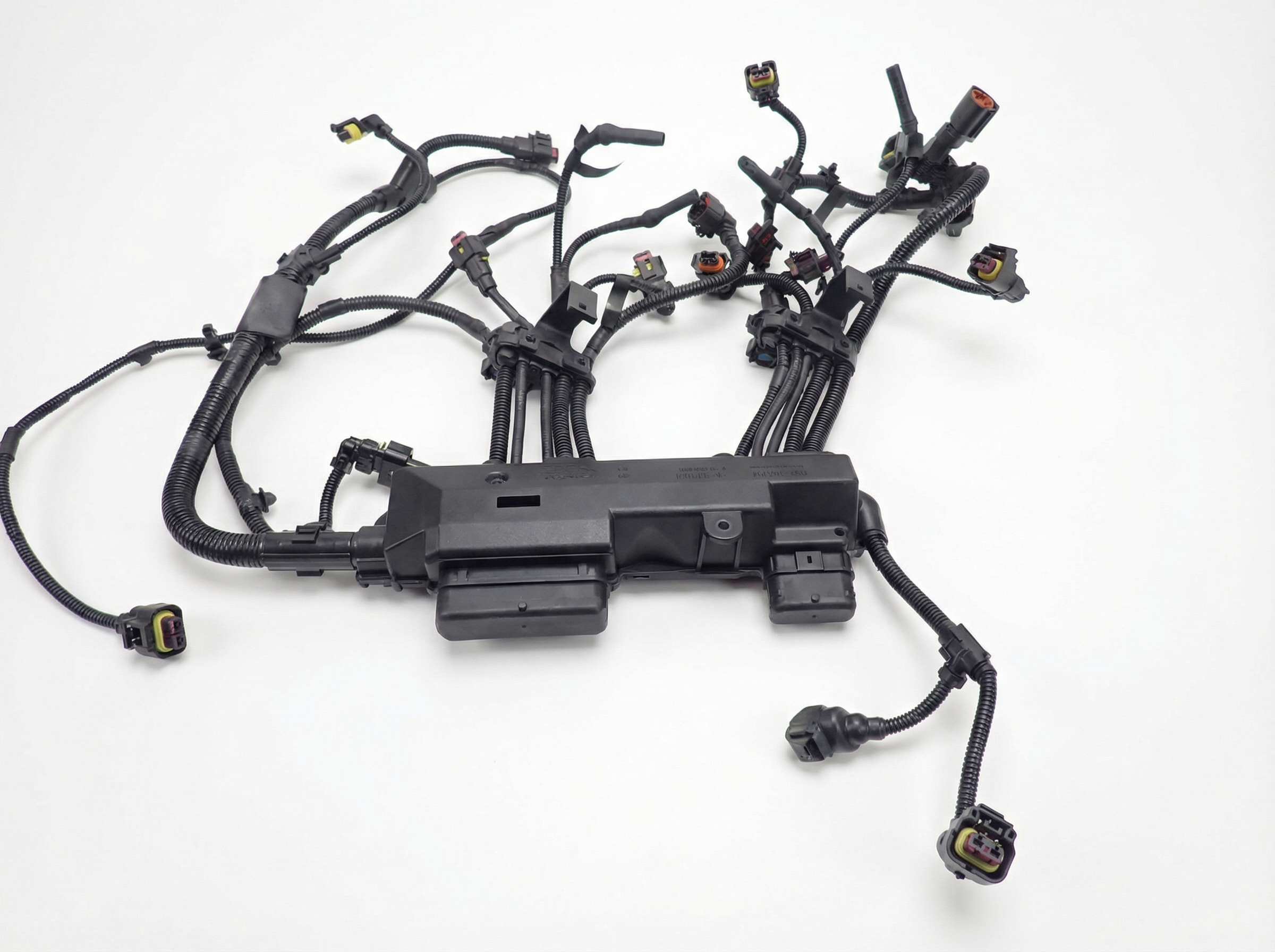
This guide covers common failure symptoms, critical part number differences, and what to inspect on a used 6.4L HEMI engine wiring harness for the Dodge Charger and Dodge Challenger.
- The most critical compatibility check is matching the harness to your vehicle's transmission (automatic vs. manual). They are not interchangeable.
- Inspect used harnesses carefully for signs of heat damage, such as brittle conduit, stiff wires, and melted connectors.
- Replacement is a complex, labor-intensive job (5-8+ hours) and not recommended for novice mechanics.
- Part numbers for 2024+ electric Dodge Chargers are NOT compatible with 2015-2023 gasoline models.
Symptoms of a Failing 6.4L Engine Wiring Harness
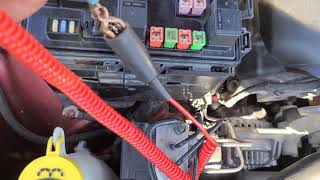
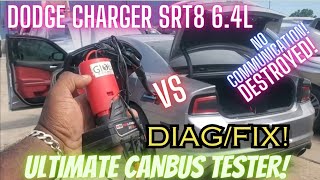
A faulty engine wiring harness can cause confusing and intermittent issues that may seem unrelated. The plastic and copper wires are constantly exposed to extreme heat and vibration, which can cause them to become brittle, crack, or melt over time. This damage can lead to short circuits or open circuits, disrupting signals to and from the engine's computer. 🎬 Watch: Troubleshooting no-communication and CANBUS errors on an SRT8. Owners of a 2015-2023 Dodge Charger or 2015-2023 Dodge Challenger with the 6.4L HEMI engine should look for these common symptoms.
- Check Engine Light: This is often the first sign of a problem. A variety of diagnostic trouble codes (DTCs) related to sensor circuits, injector circuits, or communication errors can be triggered by a faulty harness.
- Engine Misfires or Rough Idle: If the wires leading to the ignition coils or fuel injectors are damaged, the cylinders may not fire correctly. This can feel like a stutter or vibration, especially at idle. 🎬 Watch: Diagnosing and fixing a constant 6.4L engine misfire.
- Stalling or Difficulty Starting: A short in a critical sensor wire, like the crankshaft or camshaft position sensor, can cause the engine to stall while driving or fail to start at all. 🎬 See how a wiring fault causes a crank-no-start condition.
- Reduced Engine Power: The engine's computer may enter a "limp mode" to protect itself if it receives incorrect data from sensors, resulting in a noticeable loss of acceleration.
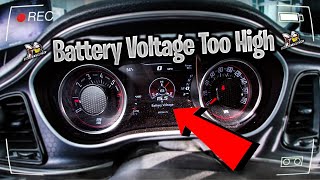
- Erratic Electrical Behavior: In some cases, a damaged harness or a poor ground connection can cause bizarre issues like dashboard lights flickering or windows operating on their own when you press the throttle.
- Burning Plastic or Rubber Smell: This is a serious symptom indicating that wires are overheating and melting. If you smell this, you should stop the vehicle as soon as it is safe to do so to prevent a fire.
Known Issues, Recalls, and Technical Information
While there are no widespread recalls specifically for the 6.4L engine harness on the 2015-2023 models, related issues on the same vehicle platform highlight potential electrical system vulnerabilities.
- NHTSA Campaign 18V332000: This recall affects 2015-2018 Charger and Challenger models. It addresses a software issue where a short circuit in the vehicle's wiring could prevent the cruise control from being disengaged. The remedy is a software update, but it underscores how wiring faults can affect critical vehicle systems.
- Historical Context (2013 Models): A significant recall was issued for some 2013 V6 Dodge Challengers due to a wiring harness that could short circuit and cause a fire. While this was for a different engine and year, it shows a history of potential wiring issues in the vehicle's manufacturing lineage.
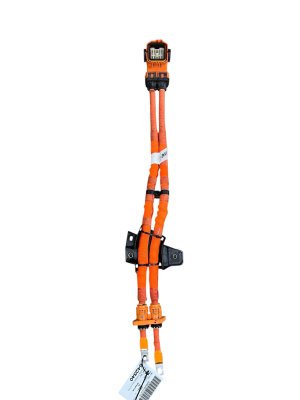
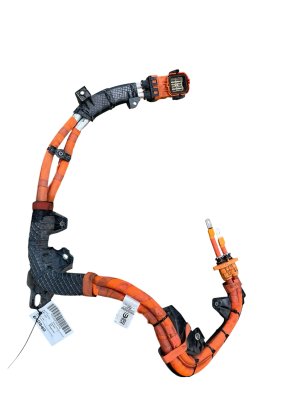
Warning: The gas-powered V8 Dodge Charger and Challenger were discontinued after the 2023 model year. Part numbers for 2024 and newer Chargers, such as 68603687AC, are for the new electric Daytona models. These are high-voltage harnesses for the electric motors and are NOT compatible with your 6.4L gasoline engine.
Buying a Used Engine Wiring Harness: What to Look For
Because new OEM harnesses can be expensive or even discontinued, a quality used harness is often the best value. However, you must inspect a recycled part carefully before buying. Avoid harnesses from vehicles with flood or fire damage.
- Verify the Part Number: This is the most critical step. Match the part number from your old harness to the used one. If you can't find a number, provide the seller with your vehicle's VIN to confirm fitment.
- Check for Physical Damage: Carefully inspect the entire length of the harness. Look for cracked or brittle plastic conduit, which indicates excessive heat exposure. Check for any melted or burnt spots, especially near connectors.
- Inspect All Connectors: Every connector should be intact. Look for broken locking tabs, which are essential for a secure connection. Check the pins inside each connector—they should be straight, clean, and free of green or white corrosion.
- Feel the Wires: Gently bend a few sections of the harness. The wires inside should feel flexible. If they feel stiff, crunchy, or brittle, the harness has likely suffered heat damage and should be avoided.
- Confirm Transmission Type: Different harnesses were used for automatic and manual transmissions. This is a common compatibility trap. You MUST confirm the harness you are buying is for your specific transmission type.
Pro Tip: When buying a used harness, it's often better to get one from a lower-mileage vehicle that was involved in a collision (e.g., rear-ended) rather than one from a high-mileage vehicle that was scrapped due to engine failure. The harness from the lower-mileage car has likely seen less heat and vibration.
Replacement Overview
Replacing the engine wiring harness on a 6.4L Charger or Challenger is a difficult and time-consuming job. The harness is routed across the top and back of the engine, down to the transmission, and connects to dozens of sensors in tight spaces.
- Difficulty: 4.5 out of 5
- Estimated Time: 5-8 hours for a professional.
- DIY Feasibility: Not recommended for beginners. This job requires significant disassembly of engine components. Access to some connectors, particularly one under the alternator, can be extremely challenging and may require removing the alternator itself.
Cost Comparison
Prices can vary significantly based on the specific part number and availability.
| Part Type | Estimated Cost |
|---|---|
| New OEM | $500 - $1,100+ |
| Used OEM | $300 - $750 |
| New Aftermarket | Complete harnesses are generally not available; only repair pigtails are common. |
| Shop Labor | $600 - $1,000+ |
Technical Specifications and Part Numbers
Part numbers for these vehicles can be very specific to year, model, and transmission. Always verify with your VIN before ordering. Some part numbers may supersede older ones.
Compatibility Warning: There is conflicting information in parts catalogs regarding harnesses for automatic versus manual transmissions. For example, part number 68213943AC has been listed for both. It is absolutely essential to verify compatibility with the seller using your VIN to ensure you get the correct part for your transmission.
Common Part Numbers for 6.4L Engines
- 5035571AG: Fits 2022-2023 Charger/Challenger with 6.4L V8 and 8-speed automatic.
- 68213943AC: Fits 2015-2018 Challenger 6.4L. Listed for both manual and automatic transmissions in different catalogs, so verify with VIN.
- 68227848AC: Fits 2015 Charger/300 6.4L. This part is often listed as discontinued.
- 05035571AD: Found on 2020 Charger 6.4L models.
Frequently Asked Questions (FAQ)
Can I repair my old wiring harness instead of replacing it?
It depends on the damage. If only one or two connector pigtails are broken, you can often splice in a new pigtail. However, if the harness has widespread damage from heat (brittle wires, cracked conduit) or a major short circuit has melted multiple wires together, replacement is the only reliable solution.
Will a harness from a Dodge Charger fit my Dodge Challenger (or vice-versa)?
Sometimes, but not always. While they are built on the same platform and use the same 6.4L engine, there can be minor differences in harness length or mounting points. It is always best to buy a harness that is listed for your specific model (Charger or Challenger) and year range.
What is the difference between the automatic and manual transmission harnesses?
The main difference is the set of connectors that interface with the transmission. An automatic transmission has more electronic controls and sensors than a manual, so the harness will have different plugs. They are not interchangeable.
Why can't I find a cheaper aftermarket engine harness?
Engine wiring harnesses are extremely complex, with hundreds of individual circuits specific to an engine and model. The research and manufacturing cost is too high for most aftermarket companies to produce complete harnesses for anything but the most popular classic cars. For modern vehicles like these, your only options are typically new OEM or used OEM.
Helpful Videos
Technical Specifications
OEM Part Numbers: 68210074AD 68213943AC 68227848AC 5035571AG 05035571AD
Fits 2015-2023 Dodge Charger and Dodge Challenger with 6.4L HEMI V8 engine. Specific harnesses required for automatic or manual transmissions.
We Have This Part in Stock

The information in this article is provided for general reference and educational purposes only. Vehicle specifications, procedures, and part compatibility can vary by production date, trim level, and region. Always consult your vehicle's factory service manual and verify part numbers before purchasing or performing repairs. Safety-critical components such as airbags, seat belts, and braking systems should be installed by a qualified professional.
- Dodge Charger:
- Dodge Challenger:
- 🎬 Helpful Videos
- 🛍️ Shop This Part
- Symptoms of a Failing 6.4L Engine Wiring Harness
- Known Issues, Recalls, and Technical Information
- Buying a Used Engine Wiring Harness: What to Look For
- Replacement Overview
- Cost Comparison
- Technical Specifications and Part Numbers
- Common Part Numbers for 6.4L Engines
- Frequently Asked Questions (FAQ)
- 🎟️ Get 5% Off