

2023-2025 Honda HR-V Engine Wiring Harness: Decoding Part Numbers and Damage
This guide covers common failure symptoms, critical compatibility checks for used harnesses, and known electrical issues for the third-generation HR-V.
- Compatibility is critical: The harness is specific to trim level (LX, Sport, EX-L) and drivetrain (FWD/AWD). You must match the OEM part number from your original harness exactly.
- On a new vehicle, failure is almost always due to external damage, most commonly from rodents chewing on the soy-based wire insulation.
- When buying a used harness, meticulously inspect every connector for broken tabs and check for any cut, spliced, or melted wires.
- This is not a DIY job. Replacement is complex and labor-intensive, with labor costs often exceeding the price of the part itself.
Symptoms of a Failing Engine Wiring Harness
On a newer vehicle like the 2023-2025 HR-V, harness failure is uncommon but often caused by external factors like rodent damage, accidents, or improper repairs. When a problem does occur, the symptoms can be confusing and seem unrelated. A single damaged wire can cause system-wide issues.
- Check Engine Light: This is one of the most common symptoms. A damaged wire or poor connection to any major engine sensor can trigger a fault code and illuminate the light.
- Engine Stalling or Rough Idle: If wires connected to the ignition system, fuel injectors, or critical sensors are compromised, the engine may run poorly, stall intermittently, or have trouble starting.
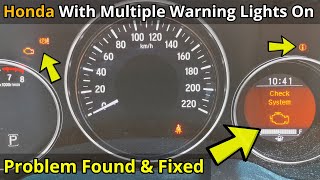
- Multiple, Unrelated Warning Lights: You might see warnings for the ABS, traction control, power steering, and engine simultaneously. This often points to a communication breakdown between modules, which can be caused by a damaged harness. 🎬 Watch: See how multiple warning lights appear during a system fault
- Electrical Malfunctions: Features like headlights, cooling fans, or even the air conditioning may work intermittently or not at all if their power or control wires within the harness are damaged.
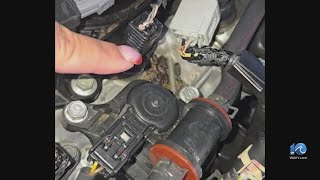
- Visible Damage or Burning Smell: A visual inspection may reveal chewed wires from rodents, melted plastic conduit from touching a hot exhaust component, or green corrosion inside connectors. A distinct smell of burning plastic is a critical warning sign of a short circuit.
Known Issues & Recalls for 2023-2025 Honda HR-V
While there are no widespread recalls specifically for the engine wiring harness on this generation of HR-V, owners have reported several electrical and component issues. These are important to be aware of, as their symptoms can sometimes mimic a harness problem.
- Rodent Damage: Some modern vehicle wiring uses soy-based insulation, which can attract rodents. A technician noted that rodent activity is a common issue, and Honda offers a specific rodent-deterrent tape for wrapping harnesses. 🎬 See how soy-based wiring attracts rodents and causes engine codes Chewed wires are a leading cause of harness failure.
- Electrical System Glitches: Owners have reported issues like infotainment system freezes, connectivity problems, and batteries that die prematurely. While often traced to the battery or a specific module, these could also indicate a wiring issue.
- Steering Rack Recall & TSB: A recall was issued for the steering gearbox, which could cause sticky or heavy steering. A related Technical Service Bulletin (TSB) also exists to address the concern.
- Fuel Pump & Seat Belt Recalls: Honda has issued recalls for a potentially faulty fuel pump that can cause the engine to stall and for a seat belt pretensioner that may not have been assembled correctly.
Pro Tip: If your HR-V is experiencing sudden, multiple warning lights and running issues, check for evidence of rodents (droppings, nesting material) in the engine bay before assuming a component has failed. This is a very common cause of complex electrical problems.
Buying a Used 2023-2025 HR-V Engine Harness
Purchasing a used OEM harness is a cost-effective solution, but careful inspection is mandatory. A damaged used harness will only create more problems. Given the complexity and importance of this part, a high-quality recycled OEM harness is often a better choice than a cheap new aftermarket one.
Compatibility is Critical: Verify Your Part Number
Honda used different engine harnesses for the 2023-2025 HR-V based on trim level (LX, Sport, EX-L) and drivetrain (Front-Wheel Drive vs. All-Wheel Drive). These harnesses are not interchangeable. Plugging in the wrong harness can cause systems to malfunction or not work at all.
Warning: Before purchasing, you must physically locate the part number on your original harness and match it to the replacement. The part number is typically on a white tag wrapped around one of the main branches of the harness.
Physical Inspection Checklist
Before buying a used harness, perform a thorough inspection:
- Connectors: Check every single plastic connector. Ensure none are cracked, melted, or have broken locking tabs. Look inside each connector for bent, corroded, or pushed-out pins.
- Wiring: Look for any cut or spliced wires. Professional repairs are rare on used harnesses; most splices are a major red flag. The wire insulation should be flexible, not brittle or cracked.
- Sheathing: Inspect the black plastic conduit and tape wrapping. Look for signs of melting, which indicates it was too close to a heat source, or brittleness from chemical exposure.
- Integrated Fuse Box: This harness includes the engine bay fuse box. Open it and check for any signs of melting, corrosion, or damage. Ensure it is fully intact.
- Grounds and Terminals: Inspect the metal ring terminals that bolt to the engine and chassis for grounding. They should be clean and free of corrosion or damage.
Replacement Overview & Difficulty
Replacing an entire engine wiring harness is a difficult and time-consuming job, best left to experienced technicians. It requires disconnecting dozens of sensors and components, carefully routing the new harness, and ensuring every connection is secure.
- Difficulty Rating: 5 out of 5
- Estimated Time: 5-8 hours
- DIY Feasible: No. This is not recommended for DIY mechanics due to the complexity and the risk of damaging sensitive electronic components.
The general process involves disconnecting the battery, removing the air intake system and battery tray for access, methodically unplugging every connector from the engine and transmission, unbolting the fuse box and ground wires, and carefully removing the entire assembly. Installation is the reverse of removal, requiring meticulous attention to routing to avoid hot or moving parts.
Cost Comparison
Harness replacement costs are driven primarily by the high cost of labor. There are two main harnesses in the engine bay; the primary engine harness and the engine room harness. Prices can vary significantly depending on which one is needed.
| Part Type | Estimated Cost |
|---|---|
| New OEM (Engine Harness - 32110-6CT-A50) | $240 - $360 |
| New OEM (Engine Room Harness - 32200-3W1-A00) | $1,550 - $2,300 |
| Used OEM | $100 - $900 (Varies by harness and condition) |
| Shop Labor | $750 - $1,500+ |
Frequently Asked Questions (FAQ)
Can I repair my old wiring harness instead of replacing it?
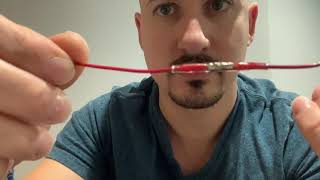
For a single, accessible broken wire, a professional repair using a proper solder and heat-shrink technique is possible. However, if there is widespread damage from rodents, heat, or a short circuit, replacement is the only reliable option. 🎬 Watch: A simple and effective way to repair minor harness damage Poor repairs can introduce new problems and are a fire hazard.
Will a harness from a different HR-V trim level (e.g., Sport vs. EX-L) work?
No. Different trim levels have different features (e.g., fog lights, upgraded sensors) that require different wiring and connectors. You must use a harness with the exact same part number from an identical vehicle configuration (trim and drivetrain).
What causes an engine harness to fail on a new car?
The most common causes of premature failure are external damage. This includes rodents chewing on wires, physical damage from an accident, or melting from being improperly secured near the exhaust. Manufacturing defects are rare but possible.
Does a replacement engine harness need to be programmed?
No, the harness itself does not require programming. It is a passive component. However, after replacement, a technician will need to use a scan tool to clear all fault codes from the ECU and other modules. In some cases, an idle relearn procedure may be necessary.
Helpful Videos
Technical Specifications
OEM Part Numbers: 32110-6CT-A50 32200-3W1-A00 32200-3W1-A10
Integrates the main engine bay fuse and relay box. Varies by trim (LX, Sport, EX-L) and drivetrain (FWD, AWD).

The information in this article is provided for general reference and educational purposes only. Vehicle specifications, procedures, and part compatibility can vary by production date, trim level, and region. Always consult your vehicle's factory service manual and verify part numbers before purchasing or performing repairs. Safety-critical components such as airbags, seat belts, and braking systems should be installed by a qualified professional.
- Honda HR-V:
- 🎬 Helpful Videos
- Symptoms of a Failing Engine Wiring Harness
- Known Issues & Recalls for 2023-2025 Honda HR-V
- Buying a Used 2023-2025 HR-V Engine Harness
- Compatibility is Critical: Verify Your Part Number
- Physical Inspection Checklist
- Replacement Overview & Difficulty
- Cost Comparison
- Frequently Asked Questions (FAQ)
- 🎟️ Get 5% Off