

2019-2022 BMW X7 V8 Exhaust Muffler: Understanding Failure, Replacement, and Used Parts
This guide covers common failure symptoms, replacement costs, and what to inspect when buying a used OEM muffler for your 2019-2022 BMW X7 with the 4.4L V8 engine.
- This muffler (part #18308487389) is ONLY for 2019-2022 X7 models with the 4.4L V8 engine.
- Replacement of a used muffler is not a bolt-on job; it requires professional cutting and welding.
- When buying used, shake the muffler to listen for internal rattles and inspect all seams for deep rust.
- A bad muffler primarily causes noise issues and is unlikely to trigger a Check Engine Light.
Symptoms of a Failing Muffler
A failing muffler on a BMW X7 will typically make itself known through changes in sound, but other symptoms can also appear. Being aware of these signs can help you diagnose the problem before it gets worse.
1. Increased Exhaust Noise
The most common and obvious symptom is a sudden or gradual increase in engine noise from the rear of the vehicle. This can range from a low rumble to a loud roar, especially during acceleration. This noise is usually caused by holes or cracks that have developed in the muffler body due to rust or physical damage.
2. Rattling or Banging Sounds
If you hear rattling, it could mean the internal baffles or perforated tubes inside the muffler have broken loose. A banging or knocking sound coming from underneath the car, especially over bumps, might indicate that a rubber hanger or a mounting bracket has failed, allowing the entire muffler assembly to swing and hit the undercarriage.
3. Visible Rust and Damage
A visual inspection can reveal a lot. Look for excessive rust, especially along the seams and welds where moisture can collect. Small holes or cracks may be visible. On a used part, it's also common to see the pipes cut where it was removed from the donor vehicle.
4. Unpleasant Fumes
If there's a hole in the muffler, exhaust gases can leak out before exiting the tailpipe. While driving, these fumes can sometimes find their way into the vehicle's cabin, creating a dangerous situation. If you smell exhaust inside the car, it should be inspected immediately.
5. Reduced Performance or Fuel Economy
A severely damaged or clogged muffler can disrupt the flow of exhaust gases, creating excessive backpressure. This forces the engine to work harder, which can lead to sluggish acceleration and a noticeable decrease in fuel efficiency.
Compatibility Warning: The exhaust muffler for the 2019-2022 BMW X7 is engine-specific. The part number 18308487389 is for models equipped with the 4.4L V8 engine (e.g., xDrive50i, M50i) without the M Sport exhaust option. It will not fit the 6-cylinder (xDrive40i) models, which use a different system. Always verify the part number and engine application before purchasing.
Known Issues, TSBs, and Recalls
While there are no widespread recalls specifically for the muffler on the 2019-2022 X7, there is a related recall that is important to be aware of.
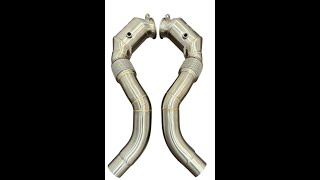
- NHTSA Campaign ID 23V294000: This recall affects some 2023 model year X7s. It concerns a loose connection between the catalytic converter and the exhaust system, which could increase the risk of a fire. While this doesn't directly involve the rear muffler, it highlights the importance of secure connections throughout the entire exhaust system. 🎬 See how the full exhaust system connects during a downpipe install
No specific Technical Service Bulletins (TSBs) for muffler failure on the 2019-2022 X7 were identified in public databases. Most issues reported by owners on forums relate to the desired sound level, with some owners performing resonator deletes or installing aftermarket valve controllers for a louder exhaust note.
Buying a Used Exhaust Muffler
A used OEM muffler can be a cost-effective solution compared to a new dealer part. However, careful inspection is key to getting a good part. Here’s what to check:
- Check for Rust: Pay close attention to the seams and welded areas. Surface rust is normal, but avoid any mufflers with deep, flaking rust or areas that look thin and weak.
- Inspect for Damage: Look for dents, large scrapes, or any signs of impact from road debris. A significant dent can affect the internal components and exhaust flow.
- Listen for Rattles: Shake the muffler assembly firmly. If you hear anything rattling inside, it means the internal baffles have failed. Do not buy a muffler that rattles.
- Examine the Cut Pipes: Recycled mufflers are cut from the vehicle's exhaust system. Inspect the cut ends of the pipes. They should be as clean and round as possible to make it easier for the installer to weld the new pipes on.
- Verify Hangers and Brackets: Ensure all original mounting brackets and hanger rods are intact and not bent or broken. These are crucial for proper alignment and support.
- Confirm Part Number: Double-check that the part number matches what is required for your vehicle's specific engine and options. For the 4.4L V8, you are looking for part number 18308487389.
Cost Breakdown
The cost to replace a BMW X7 muffler can vary significantly depending on the type of part you choose.
| Part Type | Estimated Cost |
|---|---|
| New OEM (Dealer) | $1,500 - $2,400 |
| New Aftermarket (Performance) | $2,100 - $4,800+ |
| Used OEM (Recycled) | $500 - $1,000 |
| Shop Labor | $150 - $300 (Requires welding) |
Pro Tip: Because a used muffler assembly has cut pipes, it cannot be simply bolted on. The installation will require a professional exhaust shop to weld it to your vehicle's existing exhaust pipes. Factor in the cost of this specialized labor when considering your options.
Frequently Asked Questions (FAQ)
What is the installation difficulty?
For a professional, this is a straightforward job. For a DIYer, it is not recommended. Due to the need for cutting and welding, the installation difficulty is rated a 4 out of 5. It requires specialized tools and skills that most DIY mechanics do not have.
Why does only one exhaust tip seem to work on my X7 at idle?
This is normal, especially on the 6-cylinder (xDrive40i) models. The vehicle uses an exhaust flap that keeps one side closed during idle and low-load conditions to optimize backpressure and noise. The second side opens up under heavier throttle. 🎬 Watch: How to open your exhaust valves 100% in sport mode The V8 models also feature this valve system.
Can I just have the hole in my muffler patched or welded?
Sometimes, a small hole on a flat surface can be welded as a temporary fix. However, mufflers typically rust from the inside out. A visible hole often means the surrounding metal is also weak, and a patch will not last long. Replacement is usually the more reliable and long-term solution.
Will a bad muffler cause my Check Engine Light to come on?
It is unlikely. The Check Engine Light is typically triggered by sensors located before the muffler, such as oxygen sensors or catalytic converter monitors. A failing muffler itself does not have sensors and will usually only cause noise or performance issues.
Helpful Videos

Technical Specifications
OEM Part Numbers: 18308487389 18-30-8-487-389
Fits 2019-2022 BMW X7 with 4.4L twin-turbo V8 engine. Does not fit models with M Sport exhaust option. Features an electronically controlled exhaust flap.

The information in this article is provided for general reference and educational purposes only. Vehicle specifications, procedures, and part compatibility can vary by production date, trim level, and region. Always consult your vehicle's factory service manual and verify part numbers before purchasing or performing repairs. Safety-critical components such as airbags, seat belts, and braking systems should be installed by a qualified professional.
- BMW X7:
- 🎬 Helpful Videos
- Symptoms of a Failing Muffler
- 1. Increased Exhaust Noise
- 2. Rattling or Banging Sounds
- 3. Visible Rust and Damage
- 4. Unpleasant Fumes
- 5. Reduced Performance or Fuel Economy
- Known Issues, TSBs, and Recalls
- Buying a Used Exhaust Muffler
- Cost Breakdown
- Frequently Asked Questions (FAQ)
- 🎟️ Get 5% Off