

2019-2021 AMG GT 43 & GT 53 Exhaust Pipe: Welding, Leaks, and Replacement Guide
Learn to identify exhaust leak symptoms, inspect a used pipe, and understand the critical welding required for installation on your AMG GT.
- This is a cut-and-weld repair part; it is NOT a direct bolt-on and requires professional welding for installation.
- The most common symptom of failure is a loud roaring or hissing noise from under the car.
- If your exhaust suddenly becomes quiet, the problem is likely with the electronic exhaust valves, not a pipe leak.
- When buying used, inspect carefully for cracks at the welds and deep rust; surface rust is acceptable.
Common Symptoms of Exhaust Pipe Failure
A problem with your exhaust pipe will usually be obvious. These cars are known for their sound, and a leak will make it sound broken, not just louder. Here’s what to look and listen for:
- Loud Roaring or Hissing Noises: The most common symptom is a sudden increase in exhaust volume that sounds like a deep rumble or a hissing sound, especially under acceleration. This indicates that gases are escaping before they reach the mufflers.
- Exhaust Fumes in the Cabin: This is a serious safety issue. If you smell exhaust or gas fumes inside the car, it could mean a leak is present near the front of the vehicle, allowing dangerous gases like carbon monoxide to enter the passenger compartment. Carbon monoxide is odorless and can cause dizziness, headaches, and nausea.
- Reduced Performance and Fuel Economy: An exhaust leak can disrupt the engine's air-to-fuel ratio, leading to a noticeable loss of power, sluggish acceleration, and worse gas mileage.
- Visible Damage: A visual inspection may reveal cracks, holes, or significant rust on the pipe, especially at the welds or bends.
- Vibrations: You might feel unusual vibrations through the steering wheel, floor, or pedals as the escaping gases disrupt the system's balance.
Known Issues for the 2019-2021 AMG GT 43 & GT 53
While no widespread recalls or Technical Service Bulletins (TSBs) point to a specific defect in the main exhaust pipes for these models, forum discussions reveal common issues related to the performance exhaust (PE) system valves. Owners report the exhaust suddenly becoming quiet or losing its characteristic 'pops and bangs'. This is often traced to:
- Stuck or Failed Valve Actuators: 🎬 Watch: Troubleshooting and fixing common AMG exhaust valve issues. The motors that open and close the exhaust flaps can fail or get stuck.
- Blown Fuses: A short in the valve wiring can blow the fuse that controls the performance exhaust system, causing it to default to a quiet mode.
- Software Glitches: Some owners have reported that ECU software updates at the dealership have inadvertently quieted the exhaust, requiring another software fix to restore the sound.
These valve issues are separate from a physical pipe leak but are a common source of exhaust-related complaints for these vehicles.
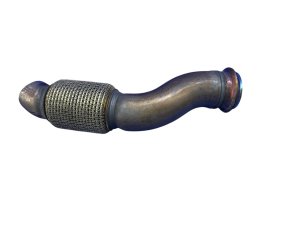
Warning: This is a cut section of the exhaust pipe and will require professional welding for installation. It is not a direct bolt-on part.
Buying a Used OEM Exhaust Pipe: What to Inspect
Buying a used OEM exhaust pipe can be a great way to save money, but careful inspection is key. Because this part is removed from a salvaged vehicle, it is sold as a 'cut' section. This means it will not have flanges to bolt on; it must be welded into place.
Physical Inspection Checklist
- Inspect the Welds: Check all factory weld points for any signs of cracking. These are high-stress areas.
- Look for Rust and Corrosion: Surface rust is normal, but you should reject any pipe with deep rust pits or areas that are flaking away. Pay close attention to the inside of the pipe if visible.
- Check for Dents and Damage: Look down the length of the pipe for any crushing or large dents. A flattened pipe can restrict exhaust flow and hurt performance.
- Verify Hanger and Bracket Condition: Ensure all mounting brackets and hangers are intact and not bent or broken. A broken hanger was likely the cause of the original part's failure.
- Avoid Repaired Pipes: Look for signs of previous, non-factory welds. A pipe that has already been repaired once is likely to fail again.
Pro Tip: A used OEM pipe is often made from higher-quality stainless steel than a cheap aftermarket replacement. It will typically fit better and last longer, provided you select a solid, damage-free example.
Replacement and Installation
Replacing this exhaust section is not a simple DIY job for most home mechanics due to the welding requirement.
- Difficulty: 5/5 for DIY (requires welding); 2/5 for a professional.
- Procedure: The process involves lifting the vehicle, cutting out the damaged section of the old exhaust pipe, carefully aligning the replacement section, and professionally welding it into place. All hangers must be properly reconnected to avoid stress on the new welds.
- Cost: Expect to pay a muffler or fabrication shop for 1-2 hours of labor. Welding costs can range from $100 to $300, depending on the shop and complexity.
Cost Comparison: New vs. Used vs. Aftermarket
Prices for exhaust components on these AMG models can be high. A used OEM section offers significant savings.
| Part Type | Estimated Cost |
|---|---|
| New OEM (Full Assembly) | $2,000 - $4,000+ |
| New Aftermarket (Full System) | $2,500 - $4,500+ |
| Used OEM (Cut Section) | $300 - $800 |
| Shop Labor (Welding) | $150 - $300 |
Frequently Asked Questions (FAQ)
Can I install this part myself to save money?
Only if you are a skilled welder with the proper equipment. This is not a bolt-on part. It requires cutting the existing exhaust and welding the new section in place. For most people, professional installation is required.
Why is this part sold as a 'cut section' and not a complete assembly?
Recycled OEM parts are salvaged from vehicles. To remove them quickly and efficiently, yards often cut the exhaust system rather than unbolting the entire assembly, which can be seized with rust. This makes the individual sections available at a much lower cost.
My exhaust suddenly got quiet. Is the pipe broken?
Probably not. A quiet exhaust is more likely related to the AMG Performance Exhaust (PE) system. The issue could be a blown fuse, a software glitch, or a problem with the electronic valve actuators that open to make the exhaust louder. A broken or leaking pipe will almost always be much louder, not quieter.
Are there any recalls for the exhaust on my 2019-2021 AMG GT 43 or GT 53?
No, there are no specific recalls for the exhaust pipes on these models. There are several recalls for other systems, such as wiring harnesses and software, but none that address a physical defect with the exhaust tubing itself.
Helpful Videos

Technical Specifications
Material: Typically T304 Stainless Steel
We Have This Part in Stock

The information in this article is provided for general reference and educational purposes only. Vehicle specifications, procedures, and part compatibility can vary by production date, trim level, and region. Always consult your vehicle's factory service manual and verify part numbers before purchasing or performing repairs. Safety-critical components such as airbags, seat belts, and braking systems should be installed by a qualified professional.
- Mercedes-Benz AMG GT 43:
- Mercedes-Benz AMG GT 53:
- 🎬 Helpful Videos
- 🛍️ Shop This Part
- Common Symptoms of Exhaust Pipe Failure
- Known Issues for the 2019-2021 AMG GT 43 & GT 53
- Buying a Used OEM Exhaust Pipe: What to Inspect
- Physical Inspection Checklist
- Replacement and Installation
- Cost Comparison: New vs. Used vs. Aftermarket
- Frequently Asked Questions (FAQ)
- 🎟️ Get 5% Off