

2018-2024 Lincoln Navigator Fender Liner: Noise, Damage, and Replacement Guide
Your definitive guide to diagnosing, inspecting, and replacing a damaged or noisy fender liner on the fourth-generation Lincoln Navigator.
- When buying a used fender liner, the integrity of all mounting points is the most critical factor for a secure fit.
- Used OEM liners are strongly recommended over new aftermarket parts due to significant differences in fit, material quality, and sound-dampening properties.
- Failure symptoms are primarily audible: scraping, rubbing, or flapping noises from the wheel well are clear indicators of a problem.
- Driving without a fender liner exposes critical wiring, suspension, and engine components to damaging road debris and water.
Symptoms of a Bad or Missing Fender Liner
A damaged fender liner isn't just a cosmetic issue; it can lead to annoying noises and expose critical components to damage. Here’s what to look and listen for:
- Scraping or Rubbing Noises: This is the most common symptom. A loose or broken liner can hang down and rub against the tire, especially during turns or when hitting bumps. This can create a continuous scraping or grinding sound.
- Flapping Sounds at High Speed: If a section of the liner has broken free from its mounting points, it can flap in the wind at highway speeds, creating a loud, rhythmic thumping or flapping noise.
- Visible Damage or Sagging: A quick visual inspection can often reveal the problem. Look inside the wheel well to see if the liner is cracked, has holes, or is visibly sagging away from the body.
- Increased Road Noise: On Navigators equipped with sound-dampening felt liners, a missing or damaged section can lead to a noticeable increase in road and tire noise inside the cabin.
- Debris in Engine Bay: If you notice an unusual amount of dirt, mud, or water splashing into the engine compartment, it could be a sign that the fender liner is missing or has a large hole in it.
Known Issues, Recalls, and TSBs for 2018-2024 Lincoln Navigator
While there are no specific recalls or Technical Service Bulletins (TSBs) directly addressing the fender liners on the 2018-2024 Lincoln Navigator, it's important to be aware of broader issues. Searches for common problems primarily show isolated incidents of damage from road debris or improper installation rather than a widespread factory defect. Some owners of similar Ford models have reported the felt-like liners tearing or coming loose. Several recalls have been issued for this generation of Navigator for issues like seatbelt pretensioners and rearview cameras, but none involve the fender liner itself.
Pro Tip: Damage to fender liners is most often caused by impacts with curbs, running over large road debris, or the buildup of heavy snow and ice that can tear the liner from its mounts.
Buying a Used Fender Liner: What to Inspect
A used OEM fender liner is often a better choice than a new aftermarket one due to superior fit and material quality. However, careful inspection is key. Here’s what to look for:
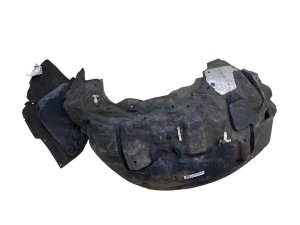
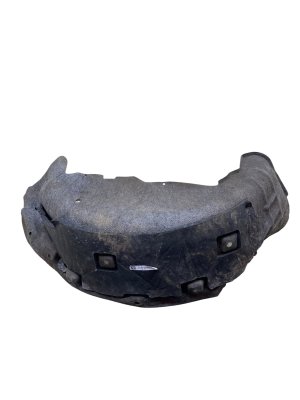
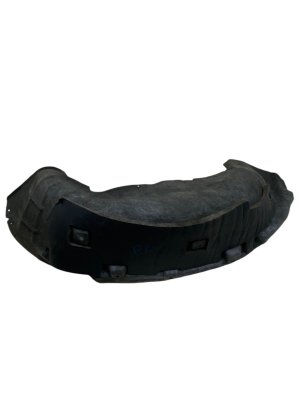
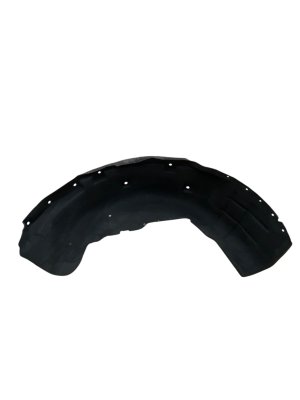
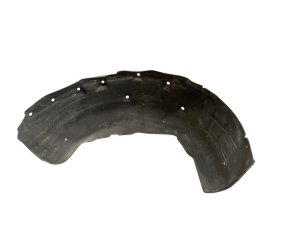
- All Mounting Points Intact: This is the most critical inspection point. Carefully check every hole, tab, and clip location around the perimeter of the liner. If mounting points are broken or torn out, the liner will not install securely, leading to sagging and rubbing.
- No Major Cracks or Tears: A used liner may have minor scuffs, but avoid any with large cracks, holes, or significant tears. The listing for a used liner with a noted "*TEAR*" is a perfect example of what to watch for. A tear near a mounting point is a deal-breaker, while a small hole in the middle might be acceptable.
- Check for Brittleness: Feel the plastic. It should be flexible. If it feels brittle or chalky, it may have been exposed to excessive sun and heat, making it prone to cracking during installation or use.
- Verify the Part Number: The front fender liners are specific to the driver (Left Hand) and passenger (Right Hand) sides and are not interchangeable. Ensure you are buying the correct side for your needs. Common OEM part numbers include JL7Z-16103-C for the left side.
- Material Match: Some Navigators came with a standard plastic liner, while others used a heavier, felt-like material for sound deadening. Try to match the material of your original part to maintain the vehicle's sound profile and ensure proper fit with surrounding components.
OEM vs. Aftermarket Quality
While aftermarket fender liners are cheaper, they often present challenges. Forum discussions frequently highlight that aftermarket parts can be made of thinner, flimsier plastic, lack the correct sound-dampening properties, and most importantly, have poor fitment. This can mean mounting holes don't line up, requiring modification and resulting in a less secure installation. For a luxury vehicle like the Navigator, sticking with an OEM part (new or used) is highly recommended to ensure a perfect fit and maintain the original noise insulation.
Cost of Replacement
The cost to replace a fender liner can vary significantly based on the type of part you choose and whether you do the work yourself.
| Part Type | Estimated Cost |
|---|---|
| New OEM (Dealer) | $175 - $265 |
| New Aftermarket | $30 - $65 |
| Used OEM | $75 - $125 |
| Shop Labor | $70 - $150 |
Replacement Overview
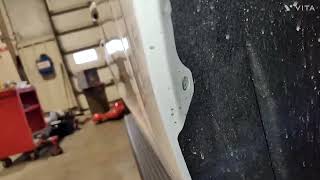
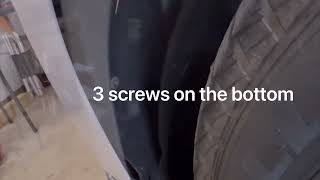
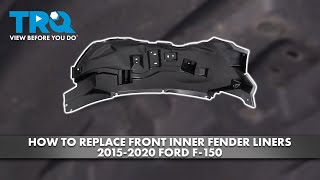
🎬 Watch this step-by-step guide on removing a front fender liner.Replacing a fender liner is a straightforward job that is very feasible for a DIY mechanic. 🎬 See how to replace inner fender liners on similar Ford models. The process generally involves lifting the front of the vehicle, removing the wheel for better access, and then removing a series of plastic push-clips and small screws that hold the liner in place. A trim removal tool is highly recommended to avoid breaking the clips.
Warning: Fender liners are not painted and do not need to be color-matched to the vehicle. They are typically black plastic or a dark gray felt-like material. The prompt's general guidance on paint codes does not apply to this specific part.
Frequently Asked Questions (FAQ)
Can I drive without a fender liner?
You can, but it is not recommended for long. Driving without a liner exposes sensitive engine components, wiring harnesses, and the back of the headlight assembly to water, dirt, and debris, which can lead to corrosion, short circuits, or mechanical damage.
What's the difference between the left and right fender liner?
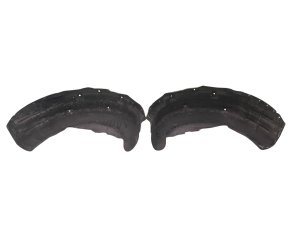
The left (driver side) and right (passenger side) fender liners are mirror images of each other and are not interchangeable. You must order the specific side you need to replace.
Why is my fender liner rubbing on my tire?
This is usually caused by broken or missing mounting clips allowing the liner to sag. It can also happen if you have installed larger, non-standard tires and wheels that don't have enough clearance, or if the liner was installed incorrectly after a previous repair.
Do I need special tools to replace a fender liner?
Basic hand tools are usually sufficient: a socket set, screwdrivers, and a jack with jack stands. A plastic trim removal tool is highly recommended to pop out the plastic retaining clips without breaking them or scratching the vehicle's paint.
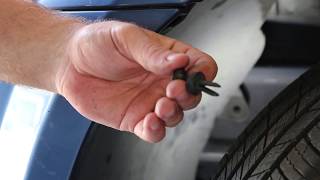
🎬 Learn how to remove fender plugs using common household tools.Helpful Videos
Technical Specifications
OEM Part Numbers: JL7B16035 JL7B16035AF JL7Z-16103-C JL7Z-16103-B JL7Z-16103-A
Available in standard plastic or a sound-dampening felt/carpet-like material. Part is side-specific (Left Hand vs. Right Hand).
We Have This Part in Stock

The information in this article is provided for general reference and educational purposes only. Vehicle specifications, procedures, and part compatibility can vary by production date, trim level, and region. Always consult your vehicle's factory service manual and verify part numbers before purchasing or performing repairs. Safety-critical components such as airbags, seat belts, and braking systems should be installed by a qualified professional.
- Lincoln Navigator:
- 🎬 Helpful Videos
- 🛍️ Shop This Part
- Symptoms of a Bad or Missing Fender Liner
- Known Issues, Recalls, and TSBs for 2018-2024 Lincoln Navigator
- Buying a Used Fender Liner: What to Inspect
- OEM vs. Aftermarket Quality
- Cost of Replacement
- Replacement Overview
- Frequently Asked Questions (FAQ)
- 🎟️ Get 5% Off