

2024-2026 Tesla Model 3 'Highland' Fender Liner: Fitment, Noises, and Part Numbers
This guide details the critical differences in fender liners for the 'Highland' Model 3, including part numbers, inspection tips for used parts, and replacement costs.
- This fender liner ONLY fits the 2024-2026 Tesla Model 3 'Highland' refresh and is NOT compatible with earlier 2017-2023 models.
- When buying used, the most critical inspection points are the mounting tabs and holes; if they are broken, the part will not fit securely.
- Driving with a damaged liner can expose underbody components and wiring to corrosive road salt and debris, leading to more expensive repairs.
- Used OEM liners are generally recommended over new aftermarket ones due to superior fitment and material quality, which is important for noise reduction in an EV.
Critical Compatibility Warning: 'Highland' Refresh Only
Warning: The single most important factor when buying this part is your vehicle's model year. The Tesla Model 3 was significantly redesigned for the 2024 model year with a refresh codenamed 'Highland'.
- 2024-2026 'Highland' Models: These vehicles have a completely different body shape and require specific fender liners.
- 2017-2023 Models: Fender liners from the first-generation Model 3 will NOT fit a 2024 or newer vehicle. The mounting points and shape are different.
Always verify the part is for a 'Highland' model before purchasing. Using the wrong generation part will result in misalignment, gaps, and an inability to secure it correctly.
Potential Performance Trim Incompatibility
Buyer Beware: The 2024+ Model 3 Performance trim features a unique front bumper with an integrated splitter and different aerodynamics. It is highly likely that the front fender liners are also unique to this trim to accommodate these changes. Before ordering a front fender liner, it is critical to verify your vehicle's trim level. If you have a Performance model, confirm the part number with the vehicle's VIN to ensure you are purchasing the correct part.
Symptoms of a Failing Fender Liner
A damaged fender liner is usually easy to spot or hear. Because it's located right next to a spinning tire, problems often become obvious quickly. Look for these common signs:
- Scraping, Rubbing, or Flapping Noises: This is the most common symptom. A loose or broken liner can contact the tire, especially during turns or at highway speeds, creating a scraping or loud flapping sound.
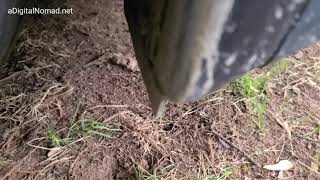
- Visible Damage or Sagging: A quick visual inspection can often reveal the problem. Look for cracks, holes, or tears in the liner material. 🎬 See: Example of a damaged front wheel well liner It may be sagging or pulling away from the fender lip.
- Debris in Engine Bay or Undercarriage: If you notice an unusual buildup of mud, leaves, or dirt on components behind the wheel well, it could mean your liner is cracked or has a section missing.
Buying a Used Fender Liner: Inspection Guide
Purchasing a used OEM (Original Equipment Manufacturer) fender liner is a smart way to save money while ensuring a perfect fit and factory-grade materials. Aftermarket parts can be cheaper but may be made of thinner material and have fitment issues, which can compromise noise reduction. Here’s what to inspect on a used part:
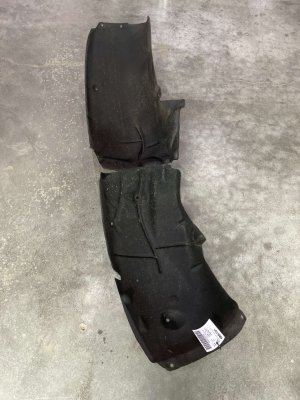
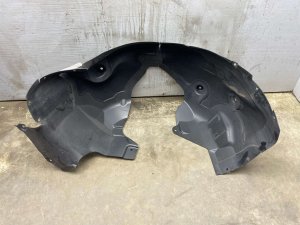
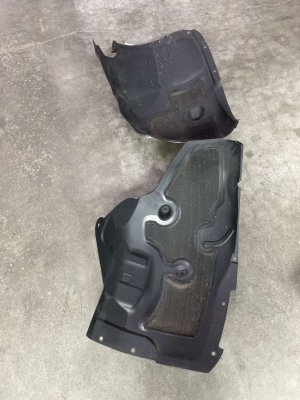
- Check All Mounting Points: Carefully examine every hole and tab where the liner attaches to the fender and chassis. These are the most common failure points. Holes that are cracked, torn, or elongated will prevent the liner from being secured tightly, leading to rattles or sagging.
- Look for Cracks and Tears: Inspect the entire surface, especially along the curved edges and the bottom, for any cracks or holes. Even small damage can allow water and debris through, defeating the purpose of the part.
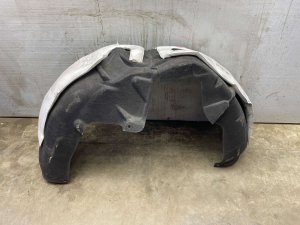
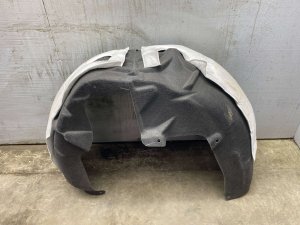
- Assess Material Condition: The Model 3 liner is made from a durable composite or plastic. Some versions may have a softer, fabric-like material for sound deadening. Ensure the plastic isn't brittle and the fabric isn't torn, excessively frayed, or saturated with oil.
- Verify the Part Number: Double-check that the OEM part number on the liner matches the one required for your vehicle's specific corner (e.g., Front Left) and model year.
Known Issues, Recalls, and Service Bulletins
As of mid-2024, there are no official recalls or Technical Service Bulletins (TSBs) from Tesla or the NHTSA specifically related to the fender liners on the 2024-2026 Model 3. Any issues, such as damage from road debris or improper fastening, are typically handled as individual repairs rather than widespread defects.
Cost of Replacement
The cost to replace a fender liner depends on the source of the part and labor rates. It is a relatively simple job that many owners can do themselves in under an hour.
| Part Source | Estimated Cost (Per Side) | Notes |
|---|---|---|
| New OEM | $80 - $140 | Price from a Tesla Service Center or official parts catalog. Guarantees perfect fit and material quality. |
| New Aftermarket | $40 - $80 | Availability may be limited for the new 'Highland' model. Quality, fit, and noise-dampening properties can be inconsistent. |
| Used OEM | $75 - $125 | A cost-effective option that retains factory fit and quality. Inspect carefully before purchase. |
| Shop Labor | $100 - $180 | Typically 0.5 to 1.0 hour of labor per side. Tesla's official service manual lists the job at approximately 0.25 hours. |
OEM Part Numbers for 2024-2026 Model 3 'Highland'
These part numbers are for the standard RWD and Long Range AWD trims. The Performance trim may use different front liners. Always confirm fitment with your VIN if unsure.
| Position | Part Number | Source |
|---|---|---|
| Front Left (Driver Side) | 1694553-00-E | |
| Front Right (Passenger Side) | 1694557-00-E / 1694557-00-F | |
| Rear Left (Driver Side) | 1769309-00-B | |
| Rear Right (Passenger Side) | 1769310-00-B |
Pro Tip: Fender liners are not painted. The information below on locating your paint code is for other body repairs, such as a fender or bumper cover.
How to Find Your Vehicle's Paint Code
The paint code for all Tesla models is located on the Vehicle Identification Sticker in the driver's side door jamb. On the sticker, look for the letters "PNT" in the bottom left corner; the four-character code immediately following it is your paint code.
Frequently Asked Questions
Can I drive with a broken or missing fender liner?
You can, but it should be repaired soon. A loose liner can rub against the tire, causing damage to both, or it could detach at high speed and become a hazard. A missing liner exposes your car's chassis, wiring, and other components to water and corrosive road salt, which can lead to much more expensive repairs down the road.
Will a fender liner from a 2023 Model 3 fit my 2024 Model 3?
No. The 2024 'Highland' refresh involved a significant body redesign. Fender liners are not interchangeable between the 2017-2023 generation and the 2024-2026 generation.
Is replacing a fender liner a difficult DIY job?
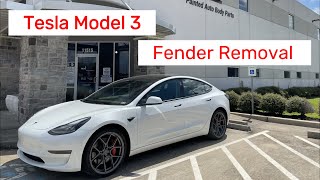
No, this is considered an easy DIY job for most people. It typically requires basic hand tools like a 10mm socket and a clip removal tool. The process involves jacking up the car, removing the wheel, and then removing the clips and bolts holding the liner in place. 🎬 Watch: Step-by-step fender liner removal and installation guide The entire process usually takes less than an hour per side.
Why is the fender liner material sometimes like fabric?
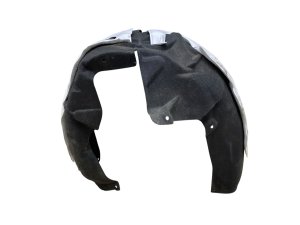
Some fender liners, particularly in the rear, use a fibrous, carpet-like material. This material is specifically designed for sound absorption to help reduce road and tire noise inside the cabin, a key feature for a quiet electric vehicle. When buying a replacement, ensuring it has this material (if originally equipped) is important for maintaining the car's low noise levels.
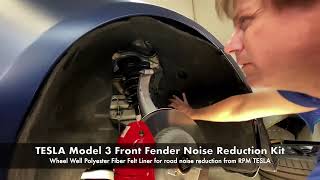
🎬 Watch: Installing a front fender noise reduction kitHelpful Videos
Technical Specifications
OEM Part Numbers: 1694553-00-E 1694557-00-E 1694557-00-F 1769309-00-B 1769310-00-B
Material: High-density impact-resistant composite, may include sound-absorbing fabric sections.
We Have This Part in Stock

The information in this article is provided for general reference and educational purposes only. Vehicle specifications, procedures, and part compatibility can vary by production date, trim level, and region. Always consult your vehicle's factory service manual and verify part numbers before purchasing or performing repairs. Safety-critical components such as airbags, seat belts, and braking systems should be installed by a qualified professional.
- Tesla 3:
- 🎬 Helpful Videos
- 🛍️ Shop This Part
- Critical Compatibility Warning: 'Highland' Refresh Only
- Potential Performance Trim Incompatibility
- Symptoms of a Failing Fender Liner
- Buying a Used Fender Liner: Inspection Guide
- Known Issues, Recalls, and Service Bulletins
- Cost of Replacement
- OEM Part Numbers for 2024-2026 Model 3 'Highland'
- How to Find Your Vehicle's Paint Code
- Frequently Asked Questions
- 🎟️ Get 5% Off