

2020-2025 Toyota Highlander Fender Liner: Recall, Noises, and Replacement Guide
This guide covers a critical front bumper recall that affects the fender liners, symptoms of failure, and how to choose the right replacement part for your 2020-2025 Highlander.
- A major recall affects 2020-2023 Highlanders where a minor bumper impact can cause the fender liners and bumper to detach while driving. Verify if your VIN is affected.
- The most common failure symptom is a scraping or flapping noise from the wheel well.
- Replacement is a simple DIY task for most, but using an OEM or high-quality used OEM part is recommended over cheap aftermarket alternatives to ensure proper fit.
- Driving without a liner exposes critical components to water and debris, risking rust and electrical damage.
Known Issues for 2020-2025 Toyota Highlander

Front Bumper Cover Recall (NHTSA Campaign Number: 23V734000)
Important Recall: Toyota issued a major safety recall for approximately 751,000 Highlander and Highlander Hybrid vehicles from model years 2020-2023. The issue involves the resin front lower bumper cover assembly.
Following even a minor impact, the mounting tabs on the bumper cover can break. This can cause the entire lower bumper assembly, the engine under-cover, and the fender liners to detach from the vehicle while driving. This creates a significant road hazard for other drivers and increases the risk of a crash.
The recall remedy involves Toyota dealers inspecting the bumper cover's mounting tabs. If no damage is found, they will install improved retention hardware. If damage is present, the bumper cover will be replaced, and the new hardware installed, all free of charge. It is critical for owners to check if their vehicle is affected by visiting Toyota's recall website or the NHTSA site with their VIN.
Material-Specific Issues
Some Highlander models are equipped with a fibrous, carpet-like fender liner material. While this material may offer good sound deadening, it can become saturated with water and ice in winter conditions. One owner reported that the weight of accumulated snow and slush caused the liner to tear and sag, resulting in it rubbing against the tire. When inspecting or replacing a liner, be aware of which material your vehicle uses.
Symptoms of a Bad or Failing Fender Liner

A damaged fender liner isn't just a cosmetic issue; it can lead to further damage. Here are the common signs that your liner needs attention:
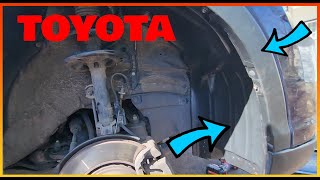
- Scraping or Flapping Noises: This is the most common symptom. A loose or torn liner will often make contact with the spinning tire or scrape against the road surface, creating loud and alarming sounds.
- Visible Damage: A quick visual inspection can reveal cracks, holes, or large tears. You may also see the liner hanging down or sagging away from the body.
- Tire Rubbing: If the liner is significantly deformed or detached, it can rub against the tire, which can eventually cause wear to the tire's sidewall.
- Debris in Engine Bay: If you notice an unusual amount of dirt, mud, or water in your engine compartment, it could be a sign that a damaged fender liner is no longer doing its job.
Buying a Used 2020-2025 Highlander Fender Liner

While new fender liners are available, a used OEM part can be a cost-effective option if you know what to look for. Since fitment is critical, a used original part is often a better choice than a cheap, new aftermarket one.
Inspection Checklist for Used Liners:
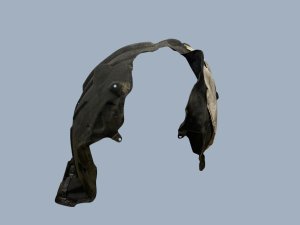
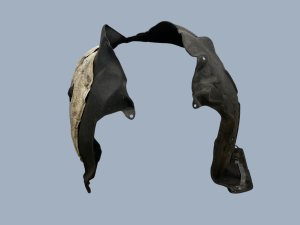
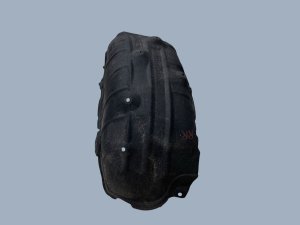
- Check All Mounting Points: This is the most critical inspection point. Carefully examine every hole and tab where screws or clips attach. Ensure they are not cracked, broken, or excessively enlarged. A liner with compromised mounting points will not install securely.
- Look for Cracks and Tears: Inspect the entire surface, especially along the edges and curves, for any cracks. Minor scuffs are acceptable, but deep cracks compromise the liner's structural integrity.
- Assess Material Condition: If it's a hard plastic liner, check for brittleness which can indicate age and sun damage. If it's the fibrous, carpet-like material, check for tears, fraying, or signs that it has been saturated and is falling apart.
- Verify the Part Number: Match the part number on the used liner with the required number for your vehicle's year, model, and specific position (e.g., Front Left). Using the wrong part will lead to installation problems.
Pro Tip: Aftermarket fender liners can be tempting due to their low price, but they are often made from thinner, more brittle plastic and may not align perfectly with the factory mounting holes. This can lead to frustrating installation, gaps, and rubbing noises. An OEM part, even a used one in good condition, guarantees the correct fit and material quality.
Replacement Cost and Labor
Replacing a fender liner is a common repair. The cost can vary significantly based on the parts you choose and whether you do the work yourself.
| Part/Service | Estimated Cost | Notes |
|---|---|---|
| New OEM Part | $115 - $185 per liner | Front liners are typically more expensive than rear ones. Prices are discounted from MSRP of ~$170-$235. |
| New Aftermarket Part | $30 - $125 per liner | Price and quality vary greatly by brand. Fitment is not guaranteed to be as precise as OEM. |
| Used OEM Part | $75 - $150+ | Price depends on condition and availability. Can offer OEM quality at a lower price. |
| Shop Labor | $75 - $150 | Replacement typically takes 0.5 to 1.0 hour of labor. One dealership quoted $350 for the full job. |
Frequently Asked Questions (FAQ)
Can I drive without a fender liner?
While you can technically drive the vehicle, it is not recommended for any extended period. Driving without a liner exposes your engine, suspension, and electrical systems to water, salt, and debris, which can lead to costly corrosion and damage. If the old liner is rubbing on the tire, it should be removed immediately to prevent a potential tire blowout.
Is replacing a fender liner a DIY job?
Yes, for most people with basic tools, this is a very feasible DIY project. 🎬 Watch this walkthrough on installing a new fender liner and molding. The process generally involves safely jacking up the car, removing the wheel for better access, and then removing a series of plastic clips and small screws to detach the old liner and install the new one.
Do I need to get new clips and fasteners?
It's a good idea. The small plastic clips that hold the liner in place often become brittle and break during removal. Having a new set of clips on hand before you start the job can prevent delays. They are inexpensive and widely available.
Does the fender liner need to be painted?
No. Fender liners for the Toyota Highlander are made of black plastic or a dark fibrous material and are not painted. They are ready to install as-is.
Helpful Videos
Technical Specifications
OEM Part Numbers: 53806-0E170 (Front, Left) 53805-0E170 (Front, Right) 65638-0E070 (Rear, Left) 65637-0E070 (Rear, Right)
Material: Typically Polyethylene (PET) plastic or a fibrous composite material. Color: Black/Dark Charcoal, unpainted.
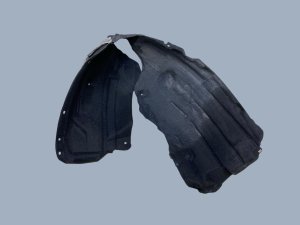
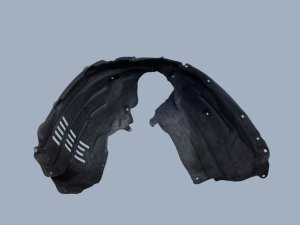
We Have This Part in Stock

The information in this article is provided for general reference and educational purposes only. Vehicle specifications, procedures, and part compatibility can vary by production date, trim level, and region. Always consult your vehicle's factory service manual and verify part numbers before purchasing or performing repairs. Safety-critical components such as airbags, seat belts, and braking systems should be installed by a qualified professional.
- Toyota Highlander:
- 🎬 Helpful Videos
- 🛍️ Shop This Part
- Known Issues for 2020-2025 Toyota Highlander
- Front Bumper Cover Recall (NHTSA Campaign Number: 23V734000)
- Material-Specific Issues
- Symptoms of a Bad or Failing Fender Liner
- Buying a Used 2020-2025 Highlander Fender Liner
- Inspection Checklist for Used Liners:
- Replacement Cost and Labor
- Frequently Asked Questions (FAQ)
- 🎟️ Get 5% Off