

2020-2025 Explorer, Aviator & Police Interceptor Fuel Door Won't Open or Close
This guide covers the common reasons your fuel door is stuck or loose and how to replace the housing assembly on your Ford Explorer, Lincoln Aviator, or Police Interceptor Utility.
- The most common failure is the fuel door getting stuck shut due to a faulty lock actuator.
- Gasoline and Plug-in Hybrid (PHEV) models use completely different fuel door assemblies; they are not interchangeable.
- Replacement is simple for a DIYer, requiring access behind the driver's side rear wheel well liner.
- Buying a used OEM assembly is often the best value as it typically includes a factory-painted door, saving on paint costs.
Symptoms of a Failing Fuel Filler Door
When the fuel filler door assembly begins to fail on a 2020-2025 Ford Explorer, Lincoln Aviator, or Police Interceptor Utility, the symptoms are usually obvious and can prevent you from refueling your vehicle.
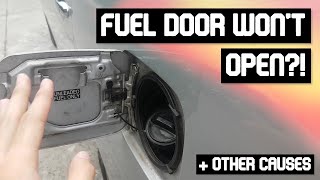
- Fuel Door Won't Open: This is the most common failure. You press the edge of the door, but it remains stuck shut. This is often caused by a failed lock actuator or, in cold weather, ice buildup inside the mechanism.
- Fuel Door Won't Close or Latch: The door may pop open while driving or refuse to stay shut after refueling. This typically points to a broken spring inside the hinge mechanism or a problem with the latch itself.
- Loose or Rattling Fuel Door: The hinge can become loose, causing the door to rattle or feel insecure.
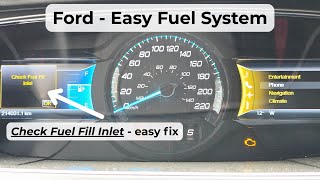
- "Check Fuel Fill Inlet" Warning: While often related to the inner flap of the capless system, a poorly sealing outer door can sometimes contribute to issues that trigger this warning light on the dashboard.
Known Issues, TSBs, and Recalls
While there are no specific recalls for the fuel filler door assembly itself, owners should be aware of related service bulletins.
Technical Service Bulletin (TSB) 22-2433: Slow Fuel Fill / Spit Back
Some 2020-2022 Explorer and Aviator models may experience slow refueling or fuel splashing back. This issue is caused by the design of the fuel tank filler pipe, not the door assembly itself. The fix involves replacing the entire fuel tank filler pipe. If you are experiencing these symptoms, it is a separate issue from a physically stuck or broken door.
Recalls on Other Exterior Trim
It's worth noting that 2020-2025 Lincoln Aviator models were recalled (NHTSA Recall No. 25V407) for C-pillar trim appliques that could detach while driving. This highlights potential issues with exterior component adhesion from the factory but is unrelated to the fuel door's mechanical function.
Pro Tip: How to Manually Open a Stuck Fuel Door
If your fuel door is stuck shut at the gas station, there is often an emergency release. On gasoline models, open the rear liftgate and look for a small, removable access panel on the driver's side of the cargo area. Behind this panel, you should be able to find the back of the fuel door assembly and manually operate the lock mechanism to release the door. 🎬 Watch: How to manually open a stuck fuel door. For some models, simply pressing the unlock button on your key fob twice may also cycle the actuator and release the door.
🎬 See this quick hack to open a stuck fuel door.Variant Differences: Gasoline vs. Plug-in Hybrid (PHEV)
Compatibility is critical for this part. The fuel filler door assembly is different between gasoline models and Plug-in Hybrid (PHEV) models like the Aviator Grand Touring and Explorer PHEV.
Warning: The fuel door assembly for gasoline engines will not fit PHEV models. The PHEV assembly is larger to accommodate both the fuel filler neck and the electric charge port. Always verify the part number and vehicle application before purchasing.
- Gasoline Models: Use a standard-size fuel filler housing. A common OEM part number for the complete housing assembly (without the outer door) is LC5Z-7827936-A.
- Plug-in Hybrid (PHEV) Models: These require a different, larger assembly. The release is also different; a button on the center console or driver's door panel is used to open the door, which can take a few seconds to release.
Buying a Used Fuel Filler Door Assembly
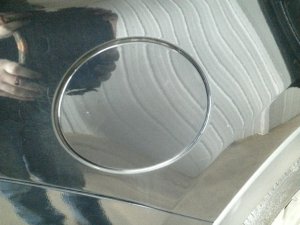
A used OEM fuel filler door assembly can be a great value, especially since it often comes in the correct factory color. Here’s what to inspect before buying:
- Check the Hinge and Spring: Operate the door by hand. It should open with a smooth, spring-loaded action and hold itself open. Check for any cracks in the plastic hinge area, which is a common point of failure.
- Inspect the Housing (Pocket): Look for any cracks or broken mounting tabs on the main plastic housing. Ensure the area where the lock actuator mounts is intact.
- Verify the Lock Actuator: The electronic actuator is the most common failure point. If possible, test it with a 12V power source. If not, consider the actuator's condition unknown and be prepared that you might need to swap your old one onto the used assembly if it still works.
- Confirm Compatibility: Double-check that the part is from a gasoline or PHEV model to match your vehicle. An Explorer part will fit an Aviator and vice-versa, provided they are from the same engine type (gas/gas or PHEV/PHEV).
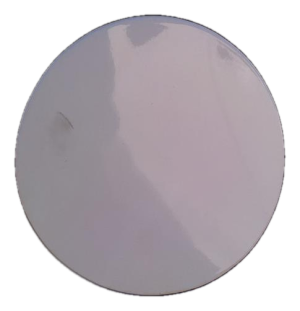
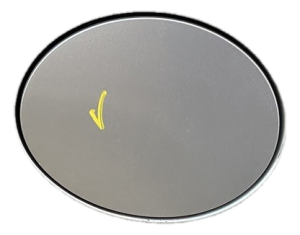
- Outer Door Condition: Inspect the painted outer door for deep scratches or damage. The outer door cover can often be separated and swapped if needed. Part number LB5Z-78405A26-APTM is a common primered (unpainted) service part for the outer door.
Replacement Guide
Replacing the fuel filler door assembly is a straightforward job that most DIY mechanics can handle. Access is typically gained through the rear wheel well.
- Access the Assembly: Turn the steering wheel to gain clearance, or for easier access, jack up the rear of the vehicle and remove the driver's side rear wheel.
- Remove Wheel Well Liner Fasteners: Remove the screws or plastic clips holding the rear portion of the wheel well liner in place. You do not need to remove the entire liner, just enough to peel it back and reach behind it.
- Disconnect Components: Reach behind the liner to the back of the fuel door housing. Disconnect the electrical connector for the lock actuator and any drain tube that may be present.
- Unbolt the Housing: The housing is typically held to the vehicle's body with three or four bolts (often 8mm or 10mm). Remove these bolts.
- Remove the Assembly: Carefully wiggle and pull the entire assembly out from the side of the vehicle. You may need to guide the fuel filler neck out of the housing.
- Installation: Installation is the reverse of removal. Guide the new assembly into place, ensuring the rubber seal fits snugly around the fuel filler neck. Reinstall the bolts, reconnect the wiring and drain tube, and secure the wheel well liner.
| Part Type | Estimated Cost |
|---|---|
| New OEM Assembly (Gasoline) | $90 - $135 |
| New OEM Outer Door (Primered) | $45 - $70 |
| New Aftermarket Assembly | $50 - $100 |
| Used OEM Assembly | $75 - $150 |
| Shop Labor | $95 - $150 |
Frequently Asked Questions
Do I need to paint a replacement fuel door?
If you purchase a new OEM or aftermarket fuel door cover (like part number LB5Z-78405A26-APTM), it will come in a black or gray primer and will need to be painted to match your vehicle's color. One of the biggest advantages of buying a used assembly is that it will already be painted in a factory color, saving you time and money.
Will a fuel door from a Ford Explorer fit a Lincoln Aviator?
Yes, as long as the model years (2020-2025) and engine types (gasoline or PHEV) match, the fuel filler door assemblies are interchangeable between the Ford Explorer, Lincoln Aviator, and Ford Police Interceptor Utility.
Why does my dashboard say "Check Fuel Fill Inlet"?
This message is usually triggered by a problem with the capless fuel filler mechanism itself, not the outer door. The small, spring-loaded flap inside the filler neck may not be sealing properly, causing an EVAP system leak. Sometimes, cleaning the inner flap and its seal with a cloth and lubricating it with a small amount of WD-40 can solve the problem.
🎬 Watch: How to fix the Check Fuel Fill Inlet message.How do I remove just the outer painted door from the assembly?
The painted outer door can be separated from the black plastic hinge housing. There is typically a small plastic tab on the inside of the door that you can gently pry with a flathead screwdriver. Once the tab is released, the door slides off the hinge. This is useful if you need to transfer your original painted door to a new housing assembly.
Helpful Videos

Technical Specifications
OEM Part Numbers: LC5Z-7827936-A LB5Z-78405A26-APTM LC5Z-78405A26-A LC5Z-78405A26-B LC5B-7827936-AB
The assembly consists of a plastic housing (pocket), a spring-loaded hinge, an electronic lock actuator, and a separate outer door cover.
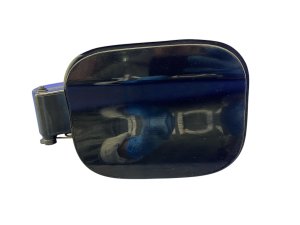
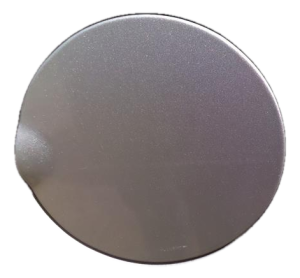
We Have This Part in Stock


The information in this article is provided for general reference and educational purposes only. Vehicle specifications, procedures, and part compatibility can vary by production date, trim level, and region. Always consult your vehicle's factory service manual and verify part numbers before purchasing or performing repairs. Safety-critical components such as airbags, seat belts, and braking systems should be installed by a qualified professional.
- Lincoln Aviator:
- Ford Explorer:
- Ford Police Interceptor Utility:
- 🎬 Helpful Videos
- 🛍️ Shop This Part
- Symptoms of a Failing Fuel Filler Door
- Known Issues, TSBs, and Recalls
- Technical Service Bulletin (TSB) 22-2433: Slow Fuel Fill / Spit Back
- Recalls on Other Exterior Trim
- Variant Differences: Gasoline vs. Plug-in Hybrid (PHEV)
- Buying a Used Fuel Filler Door Assembly
- Replacement Guide
- Frequently Asked Questions
- 🎟️ Get 5% Off