

2005-2012 GM V6 Stalling & Hesitation: More Than Just a Bad MAF Sensor
This guide covers common Mass Air Flow sensor problems in the Chevrolet Equinox, Malibu, Impala, Buick LaCrosse, GMC Acadia, and more, including critical PCV issues that mimic MAF failure.
- Hesitation and stalling may not be the MAF sensor itself; check TSB PI0746B regarding a known PCV system issue on 3.6L V6 engines that contaminates the sensor.
- This part is specific to V6 engines. Many 4-cylinder versions of these cars do not use a MAF sensor, so verify your engine before buying.
- Replacement is extremely easy (1/5 difficulty) and takes only 10-15 minutes, making it a great DIY repair that can save on labor costs.
- A used OEM sensor is often a better choice than a new, cheap aftermarket part due to superior calibration and reliability.
Symptoms of a Failing Mass Air Flow Sensor
A dirty or failing MAF sensor can cause a wide range of drivability issues. Because the sensor's data is so fundamental to engine operation, symptoms often appear immediately and can range from annoying to serious.
- Check Engine Light: This is the most common symptom. The ECM will detect that the MAF sensor's readings are out of range or don't make sense compared to other sensor data, triggering the light.
- Common Diagnostic Trouble Codes (DTCs): P0101 (Mass Air Flow Sensor Circuit Range/Performance), P0102 (Mass Air Flow Sensor Circuit Low), P0171 (System Too Lean Bank 1), and P0174 (System Too Lean Bank 2).
- Rough Idle and Stalling: The engine may idle erratically, hunt for a steady RPM, or stall completely, especially shortly after starting or when coming to a stop.
- Hesitation and Jerking on Acceleration: When you press the gas pedal, the car may hesitate, stumble, or jerk as the ECM struggles to provide the right amount of fuel for the changing airflow.
- Poor Fuel Economy: An inaccurate reading often causes the engine to run rich (too much fuel), leading to a noticeable drop in gas mileage.
- Black Smoke from Exhaust: This is a clear sign the engine is running rich, as unburned fuel is pushed out the tailpipe.
- Hard Starting: The engine may be difficult to start or require long cranking times because the initial air-fuel mixture is incorrect.
Important Compatibility Warning: Engine Specific Fitment
This MAF sensor is used on a wide range of General Motors vehicles, but fitment is dependent on the specific engine, not just the model and year. It is primarily used on V6 engines from this era, such as the 3.4L, 3.5L, 3.6L, and 3.9L.
Warning: Many of these vehicle models were also offered with 4-cylinder engines (like the 2.2L or 2.4L Ecotec). These 4-cylinder engines often do not use a MAF sensor and instead use a Manifold Absolute Pressure (MAP) sensor for engine load calculations. For example, the 2006-2007 Saturn Vue with the 2.2L Ecotec engine does not have a MAF sensor. 🎬 See how to replace the sensor on a Pontiac G6 engine. Always verify your engine type and check the original part number before purchasing.
Vehicles and Engines Using This MAF Sensor:
| Vehicle | Years | Applicable Engines |
|---|---|---|
| Chevrolet Equinox | 2005-2009 | 3.4L V6 |
| Chevrolet Malibu | 2006-2012 | 3.5L V6, 3.6L V6, 3.9L V6 |
| Chevrolet Impala | 2006-2009 | 3.5L V6, 3.9L V6 |
| Buick LaCrosse / Allure | 2005-2009 | 3.6L V6, 3.8L V6 |
| GMC Acadia | 2007-2008 | 3.6L V6 |
| Buick Enclave | 2008 | 3.6L V6 |
| Saturn VUE | 2008-2010 | 3.5L V6, 3.6L V6 |
| Pontiac G6 | 2005-2010 | 3.5L V6, 3.6L V6, 3.9L V6 |
| Saturn Aura | 2007-2009 | 3.5L V6, 3.6L V6 |
Diagnosis: Is It the MAF Sensor or Something Else?
Before you replace the MAF sensor, it's crucial to perform some simple diagnostic steps. On these specific GM vehicles, other issues can cause identical symptoms and even trigger MAF-related trouble codes.
Step 1: Visual Inspection
First, locate the MAF sensor in the air intake tube between the air filter box and the engine throttle body. Unplug the electrical connector and remove the two screws (usually T20 Torx) holding it in place. Carefully lift the sensor out and inspect the two small sensing wires inside the housing. Look for any dirt, oil residue, or debris. A contaminated sensor cannot read airflow correctly. Also check for cracks in the air intake tube itself, as any unmetered air entering the engine after the sensor can cause lean codes and performance issues.
Step 2: Cleaning the Sensor
If the sensor wires are dirty, cleaning them is an inexpensive first step. Purchase a dedicated Mass Air Flow sensor cleaner from an auto parts store. Do not use brake cleaner or carburetor cleaner, as they can damage the delicate sensor elements. Spray the cleaner generously onto the sensor wires and let it air dry completely before reinstalling. 🎬 Watch this video to see how to clean your Saturn Vue sensor. Never touch the wires with your fingers or a tool.
Step 3: Check for Known TSBs (Technical Service Bulletins)
For these vehicles, a TSB can be the key to a correct diagnosis.
- TSB PI0746B - Poor Acceleration / Oil Deposits: If you have a 3.6L V6 (in an Enclave, Malibu, Traverse, Acadia, G6, or Outlook) and are experiencing poor performance with codes like P0101, P0171, or P0174, the root cause may be a faulty Positive Crankcase Ventilation (PCV) system. This can cause oil or ice (in cold weather) to build up in the air intake duct, contaminating the MAF sensor. The fix is to service the PCV system, not just replace the sensor.
- TSB 18-NA-217 - MAF Code P0102: This bulletin notes that a P0102 code can be caused by a short in a completely different wiring harness near the fuel composition sensor, not by a faulty MAF sensor. This is a prime example of how a trouble code can be misleading.
- TSB PIP4112 - Normal Hesitation: Some owners may notice a slight sag or hesitation when accelerating from a slow coast. This is often a normal characteristic of the vehicle's torque management system, designed to protect the drivetrain, and is not a sign of a faulty MAF sensor.
Buying a Used Fuel Injection Air Flow Meter
A recycled OEM MAF sensor can be a reliable and cost-effective alternative to an expensive new part, especially when compared to cheap, new aftermarket sensors which can have poor quality control. Here’s what to look for when buying used.
Pro Tip: An original GM or ACDelco part, even with some mileage, is often more reliable and accurately calibrated than a brand new, non-OEM aftermarket sensor. The ECM is calibrated specifically for the characteristics of the OEM sensor.
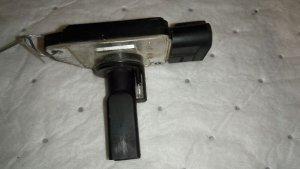
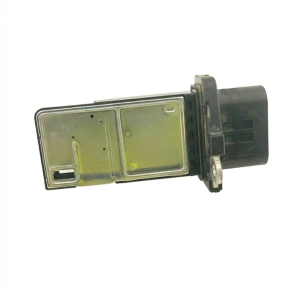
- Verify the Part Number: This is the most important step. Match the part number on your original sensor exactly to the one you are buying. Common part numbers for this application are 10349461, 12574398, and 15911983.
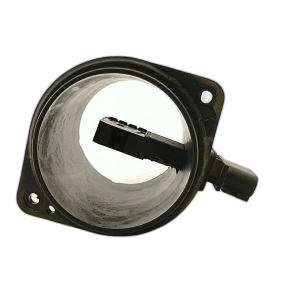
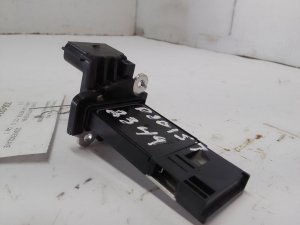
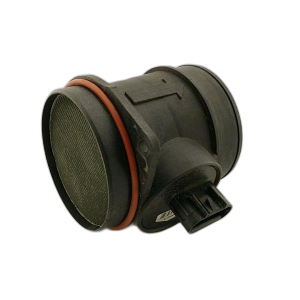
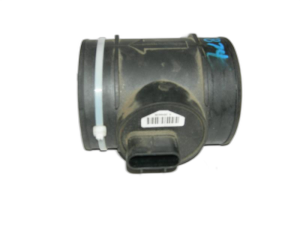
- Physical Inspection: Ask the seller for clear photos. Look at the sensing wires through the opening. They should be intact, straight, and free of any obvious gunk or oil. The plastic housing should be free of cracks, and the electrical connector pins should be straight and clean.
- Ask About the Donor Vehicle: Inquire about the mileage of the vehicle the part came from. A sensor from a lower-mileage vehicle is always preferable. Failure rates tend to increase between 100,000 and 125,000 miles.
- Check the Return Policy: Only buy from sellers who offer a warranty or a reasonable return policy. This gives you protection in case the part is defective.
- Always Replace the Air Filter: When you install the used MAF sensor, also install a new, high-quality engine air filter. A dirty or poorly fitting filter is a common cause of MAF sensor contamination and failure.
Installation and Replacement
Replacing the MAF sensor on these vehicles is a very simple job suitable for any DIYer.
- Difficulty: 1 out of 5
- Estimated Time: 10-15 minutes
- Tools Needed: T20 Torx driver or socket, flathead screwdriver (to release airbox clamps if needed).
Steps:
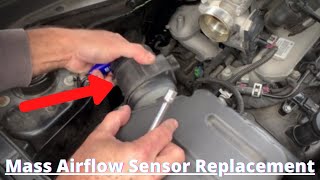
- Locate the sensor on the air intake duct after the air filter box.
- Press the tab and pull back the locking clip (often white or gray) on the electrical connector, then squeeze the release and unplug it.
- Using a T20 Torx driver, remove the two screws securing the sensor to the housing.
- Gently pull the old sensor straight out.
- Ensure the O-ring is properly seated on the new sensor, then insert it into the housing.
- Reinstall the two T20 screws. Do not overtighten them.
- Plug the electrical connector back in and push the locking clip into place.
Cost Comparison
The cost to replace a MAF sensor can vary significantly depending on the part source and whether you do the work yourself.
| Part Source / Service | Estimated Cost |
|---|---|
| New OEM (Dealer) | $150 - $250 |
| New Aftermarket | $70 - $150 |
| Used OEM (Recycled) | $35 - $75 |
| Shop Labor Cost | $40 - $75 |
| Total Professional Replacement | $180 - $300+ |
Frequently Asked Questions (FAQ)
Can I drive my car with a bad MAF sensor?
It is generally possible to drive, but not recommended for long periods. The engine will run in a default or "limp" mode with poor performance, terrible fuel economy, and increased emissions. In some cases, unpredictable stalling or hesitation can create a dangerous driving situation. It's best to get it diagnosed and repaired as soon as possible.
Will a bad MAF sensor cause transmission problems?
Indirectly, yes. The ECM uses MAF sensor data to calculate engine load, which is a key factor in determining when the automatic transmission should shift. With bad data, you might experience harsh shifts, delayed shifts, or the transmission "hunting" for the right gear because it's receiving incorrect information about how hard the engine is working.
Do I need to disconnect the battery or reset the computer after replacing the MAF sensor?
It is good practice to disconnect the negative battery terminal for about 15 minutes before starting the work. After replacing the sensor and reconnecting the battery, the computer will begin a new learning process. The Check Engine Light should turn off on its own after a few drive cycles. Alternatively, you can clear the codes with an OBD-II scanner immediately after the repair.
Why did my new MAF sensor fail so quickly?
Premature failure of a new sensor is almost always caused by an underlying issue. The most common causes are a dirty or improperly installed air filter allowing contaminants to hit the sensor, or an unaddressed PCV system problem (like TSB PI0746B) that is coating the sensor element in oil. Always install a new air filter with a new MAF sensor.
Helpful Videos
Technical Specifications
OEM Part Numbers: 10349461 12574398 15911983 2131677 19351887
Hot wire type sensor, typically secured with two T20 Torx screws.
We Have This Part in Stock

The information in this article is provided for general reference and educational purposes only. Vehicle specifications, procedures, and part compatibility can vary by production date, trim level, and region. Always consult your vehicle's factory service manual and verify part numbers before purchasing or performing repairs. Safety-critical components such as airbags, seat belts, and braking systems should be installed by a qualified professional.
- Chevrolet Equinox:
- Chevrolet Malibu:
- Buick LaCrosse:
- GMC Acadia:
- Buick Enclave:
- Chevrolet Impala:
- Saturn VUE:
- Pontiac G6:
- Saturn Aura:
- Buick Allure:
- Pontiac Grand Prix:
- Pontiac Torrent:
- Saturn Outlook:
- Buick Rendezvous:
- Buick Lucerne:
- Buick Terraza:
- Cadillac DTS:
- Chevrolet Monte Carlo:
- Chevrolet Uplander:
- Pontiac Montana:
- Saturn Relay:
- 🎬 Helpful Videos
- 🛍️ Shop This Part
- Symptoms of a Failing Mass Air Flow Sensor
- Important Compatibility Warning: Engine Specific Fitment
- Vehicles and Engines Using This MAF Sensor:
- Diagnosis: Is It the MAF Sensor or Something Else?
- Step 1: Visual Inspection
- Step 2: Cleaning the Sensor
- Step 3: Check for Known TSBs (Technical Service Bulletins)
- Buying a Used Fuel Injection Air Flow Meter
- Installation and Replacement
- Cost Comparison
- Frequently Asked Questions (FAQ)
- 🎟️ Get 5% Off