

2022-2025 Acura MDX 3.5L Fuel Pump: Recalls, Symptoms, and Replacement Costs
This guide covers the critical fuel system recalls, common failure symptoms, and detailed cost information for the in-tank fuel pump on the 2022-2025 Acura MDX with the 3.5L V6 engine.
- This fuel pump (part #17045-TYA-A02) is only for 2022-2025 MDX models with the 3.5L V6 engine; it will not fit the 3.0L Type S.
- Common failure symptoms include engine hesitation, difficulty starting, a whining noise from the fuel tank, and stalling.
- While no direct recalls exist for this specific pump, a related recall for the Type S model's ECU can cause similar stalling symptoms.
- Replacing the entire assembly is a moderately difficult DIY job, but extreme caution must be taken when working with fuel.
Vehicle Fitment and Part Numbers
This article specifically covers the in-tank fuel pump assembly for the 2022, 2023, 2024, and 2025 Acura MDX models equipped with the 3.5L V6 gasoline engine.
Warning: This fuel pump assembly is not compatible with Acura MDX models equipped with the 3.0L V6 engine, such as the Type S. The part numbers and specifications are different. Always verify compatibility with your vehicle's VIN before purchasing.
- OEM Part Number: 17045-TYA-A02
Known Issues, Recalls, and Technical Service Bulletins (TSBs)
While there are no recalls specifically for the fuel pump (part number 17045-TYA-A02) on the 3.5L MDX, there are important fuel and engine-related recalls for this generation that owners should be aware of, as the symptoms can sometimes overlap with a failing fuel pump.
NHTSA Campaign Number 25V-031: FI-ECU Software Error
This recall affects 2022-2025 Acura MDX Type-S models (with the 3.0L engine), but it's a critical issue to be aware of in the MDX family. A software error in the Fuel Injection Electronic Control Unit (FI-ECU) can cause the engine to stall or lose power, particularly after a sudden throttle change. The remedy is a software update performed by an Acura dealer, free of charge. While this doesn't directly involve the 3.5L model's fuel pump, the symptom of engine stalling is a key indicator of fuel delivery problems.
NHTSA Campaign Number 23V-751: Engine Connecting Rod Bearing Failure
This significant recall affects a wide range of Honda and Acura vehicles, but the specified MDX models are from the 2016-2020 generation, not the 2022-2025 models this guide focuses on. However, it's a major issue in the brand's recent history involving engine stalling and failure due to a manufacturing defect in the crankshaft. The primary symptoms are abnormal engine noise, stalling, or decreased engine output.
Symptoms of a Failing Fuel Pump
A failing fuel pump rarely dies without warning. It usually provides several clues that it's getting weak. Ignoring these can 🎬 Watch: A visual guide to common failing fuel pump symptoms leave you stranded.
1. Engine Hesitation or Stumbling
The most common symptom is a hesitation or stumble during acceleration. When you press the gas pedal, the engine needs more fuel. A weak pump can't increase the pressure fast enough, causing the engine to feel like it's briefly cutting out or losing power before catching up.
2. Difficulty Starting the Engine
A weak fuel pump may struggle to build enough initial pressure to start the engine. You might find yourself cranking the engine for longer than usual before it finally starts. This happens because the fuel rail isn't being properly primed with fuel.
3. Whining Noise from the Fuel Tank Area
A loud whining or humming sound coming from the rear of the vehicle, near the fuel tank, is a classic sign of a struggling fuel pump motor. The sound may be more noticeable when the vehicle is first turned on. The pump is working harder than it should to move fuel, causing the noise.
4. Engine Stalling, Especially Under Load
If the fuel pump is overheating or failing, it can cause the engine to stall unexpectedly. This often happens when the engine is warm or under heavy load, like climbing a hill or accelerating hard, because the demand for fuel exceeds what the failing pump can supply.
5. Reduced Power and Fuel Economy
A gradual loss of power and a noticeable decrease in fuel efficiency can also indicate a failing fuel pump. The engine isn't receiving the consistent fuel pressure it needs to operate efficiently, forcing it to work harder and burn more gas for the same performance.
Buying a Used Fuel Pump: What to Check
Purchasing a used OEM fuel pump can be a cost-effective alternative to an expensive new unit, but careful inspection is key. A recycled OEM part is often a better choice than a cheap new aftermarket pump due to superior materials, fitment, and longevity.
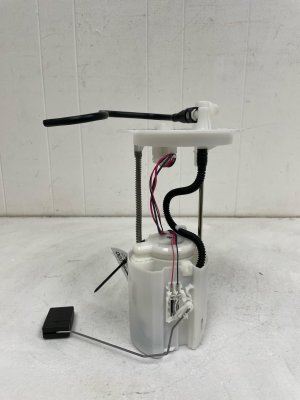
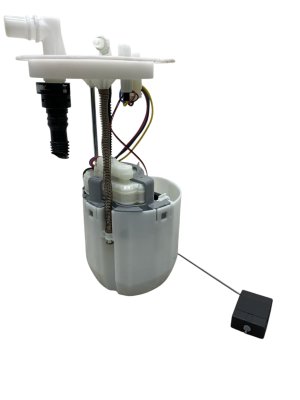
Pro Tip: The fuel pump assembly includes the pump motor, the fuel level sending unit (which tells your gas gauge how full the tank is), and the fuel strainer. When buying used, you are getting the complete, factory-matched assembly.
Physical Inspection Checklist:
- Check the Electrical Connector: The plastic connector and pins should be clean, with no signs of melting, corrosion, or burning. A damaged connector indicates an electrical problem that may have stressed the pump motor.
- Inspect the Housing: Look for any cracks, deep scratches, or signs of warping on the plastic housing. The unit must be perfectly sealed to function correctly in the fuel tank.
- Examine the Fuel Strainer: The strainer (a small mesh filter at the bottom) should be intact. While it will likely be discolored from gas, it shouldn't be clogged with heavy debris or rust particles. Excessive debris could suggest the donor vehicle had a contaminated fuel tank.
- Verify the Part Number: Ensure the part number stamped on the unit is 17045-TYA-A02. This confirms you have the correct part for the 3.5L engine.
- Ask About the Donor Vehicle: If possible, get the mileage from the vehicle the part was removed from. A pump from a lower-mileage vehicle is always preferable. Avoid pumps from vehicles that had collision damage near the fuel tank.
Cost Comparison
The cost of replacing the fuel pump can vary significantly based on the part source and labor rates. Here is a typical breakdown of expected costs:
| Part Type | Estimated Cost |
|---|---|
| New OEM (Dealer) | $420 - $635 |
| New Aftermarket | $120 - $450 |
| Used OEM | $125 - $200 |
| Shop Labor | $152 - $269 |
| Total Professional Replacement (New OEM) | $1,582 - $1,668 (includes parts and labor) |
Replacement Information
Replacing the in-tank fuel pump is a moderately difficult job that involves working with the fuel system. Safety is paramount.
- Difficulty Rating: 3 out of 5
- Estimated Time: 2.0 - 3.0 hours
- DIY Feasible: Yes, for experienced mechanics.
Warning: Always disconnect the battery and work in a well-ventilated area away from any open flames or sparks. Gasoline and its vapors are highly flammable. It is also recommended to have a fire extinguisher nearby.
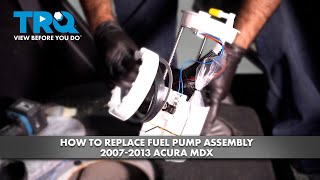
The fuel pump is typically accessed through a panel under the rear seats, which avoids the need to drop the entire fuel tank. The process involves disconnecting the battery, removing the rear seat cushion, 🎬 See how to remove the middle seat for easier access opening the access panel, disconnecting fuel lines and electrical connectors, and removing the locking ring that holds the pump assembly in place.
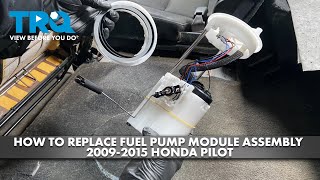
🎬 Watch: This Honda Pilot walkthrough shows a similar replacement processFrequently Asked Questions (FAQ)
Can I drive my MDX with a failing fuel pump?
It is not recommended. A failing pump can cause the vehicle to stall at any time, including at high speeds or in traffic, which is a significant safety risk. If you experience symptoms, it's best to have the vehicle inspected and repaired as soon as possible.
Is the fuel filter part of the fuel pump assembly?
Yes, the primary fuel filter, often called a strainer or sock, is attached to the bottom of the fuel pump module. When you replace the assembly, you are also replacing this initial filter.
Will a bad fuel pump always trigger a Check Engine Light?
Not always, especially in the early stages of failure. A weak pump might cause performance issues without setting a specific trouble code. However, if the fuel pressure drops significantly, it can trigger codes related to the fuel system running too lean, such as P0171 or P0174.
Why is a used OEM pump often better than a new aftermarket one?
Original Equipment Manufacturer (OEM) parts are designed and tested by Acura for the specific vehicle. They often use higher-quality materials for the pump motor and sending unit components, leading to better reliability and a longer lifespan compared to many budget-friendly aftermarket options. Fitment is also guaranteed, whereas some aftermarket parts can have slight variations.
Helpful Videos

Technical Specifications
OEM Part Numbers: 17045-TYA-A02 17045TYAA02
In-tank fuel pump assembly for 3.5L V6 gasoline engines.
We Have This Part in Stock

The information in this article is provided for general reference and educational purposes only. Vehicle specifications, procedures, and part compatibility can vary by production date, trim level, and region. Always consult your vehicle's factory service manual and verify part numbers before purchasing or performing repairs. Safety-critical components such as airbags, seat belts, and braking systems should be installed by a qualified professional.
- Acura MDX:
- 🎬 Helpful Videos
- 🛍️ Shop This Part
- Vehicle Fitment and Part Numbers
- Known Issues, Recalls, and Technical Service Bulletins (TSBs)
- NHTSA Campaign Number 25V-031: FI-ECU Software Error
- NHTSA Campaign Number 23V-751: Engine Connecting Rod Bearing Failure
- Symptoms of a Failing Fuel Pump
- 1. Engine Hesitation or Stumbling
- 2. Difficulty Starting the Engine
- 3. Whining Noise from the Fuel Tank Area
- 4. Engine Stalling, Especially Under Load
- 5. Reduced Power and Fuel Economy
- Buying a Used Fuel Pump: What to Check
- Physical Inspection Checklist:
- Cost Comparison
- Replacement Information
- Frequently Asked Questions (FAQ)
- 🎟️ Get 5% Off