

2004-2016 Audi & VW Fuel Pumps: In-Tank vs. High-Pressure (HPFP) Failures
This guide covers the common failures, symptoms, and replacement costs for the two different fuel pump systems used in many 2004-2016 Audi and Volkswagen models.
- These vehicles use two separate fuel pumps: a low-pressure pump in the tank (LPFP) and a high-pressure pump on the engine (HPFP). They have different failure symptoms.
- A no-start condition is typically the in-tank LPFP, while a loss of power with a check engine light often points to the engine-mounted HPFP.
- The 3.0L TDI diesel engine's HPFP has a known catastrophic failure mode that contaminates the entire fuel system, requiring a very expensive repair. Do not buy a used HPFP for this engine.
- Audi Q5 and Q7 models were recalled for cracked in-tank fuel pump flanges that can leak fuel. Check for a fuel smell and verify recall completion.
Understanding Your Vehicle's Fuel System: LPFP vs. HPFP

Before diagnosing any issue, it's critical to understand which fuel pump you're dealing with. The symptoms and replacement procedures are entirely different for each.
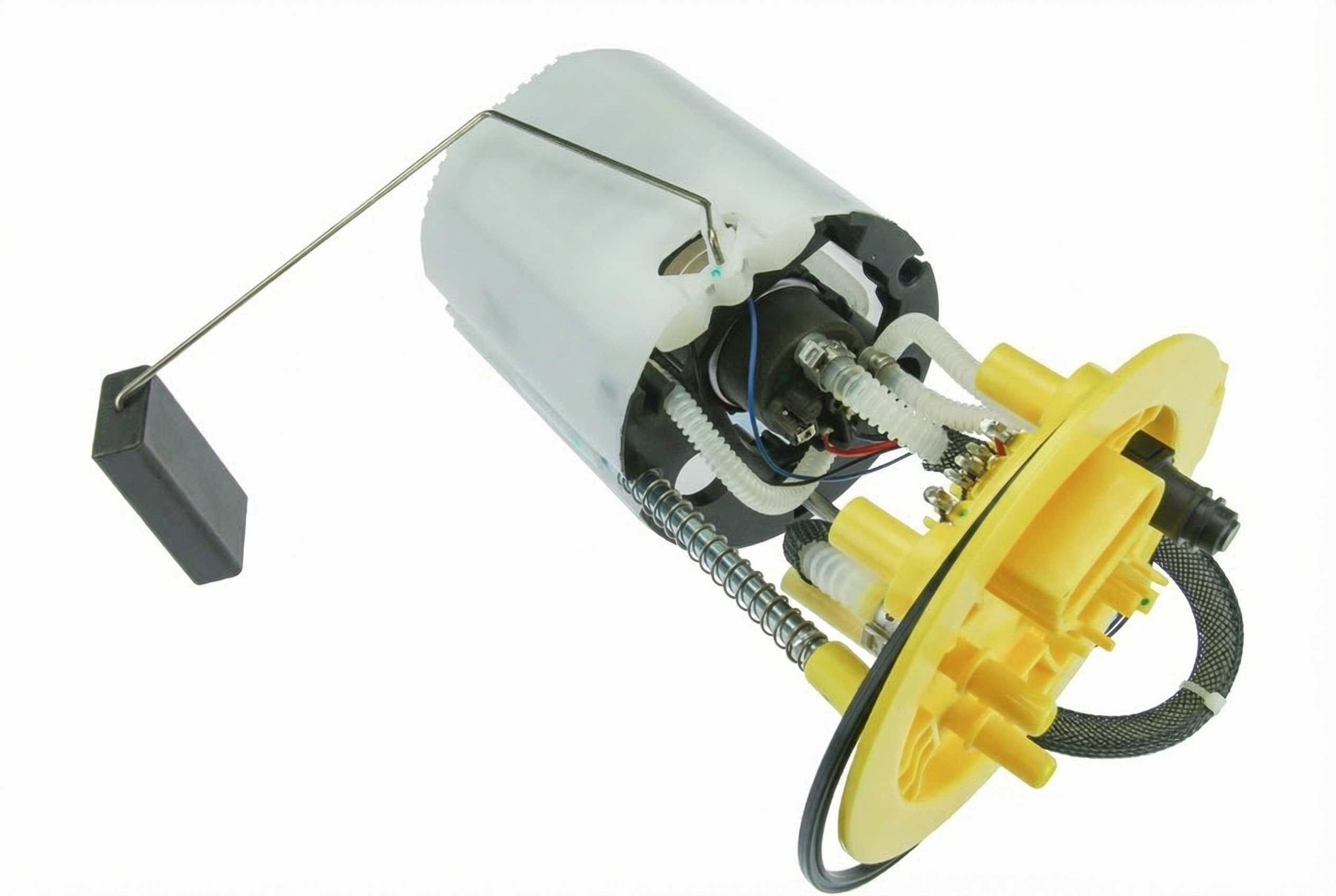
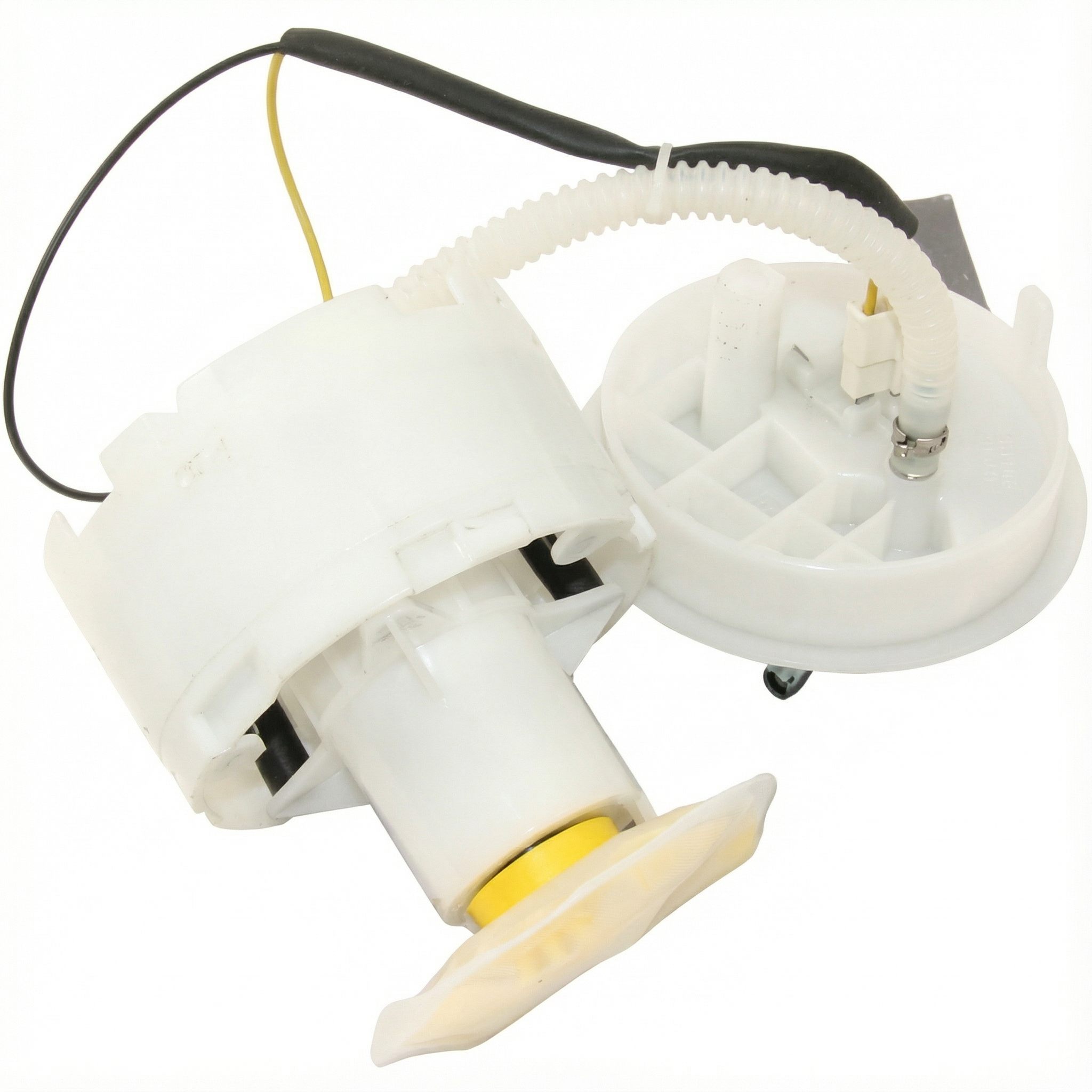
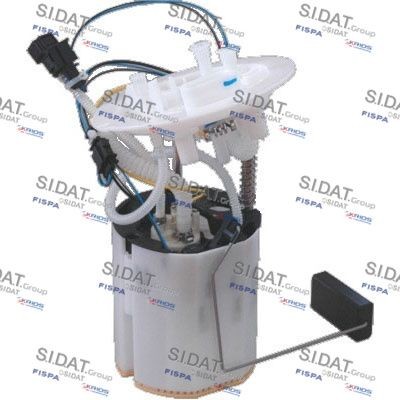
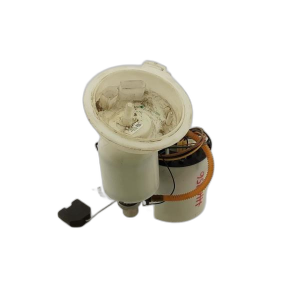
- In-Tank Low-Pressure Fuel Pump (LPFP): This is a complete assembly located inside the fuel tank, accessible by removing the rear seat cushion. It includes the electric pump motor, a fuel level sending unit (which tells the gas gauge how full the tank is), and often a suction pump for AWD models. Failure of this pump will prevent fuel from reaching the engine entirely.
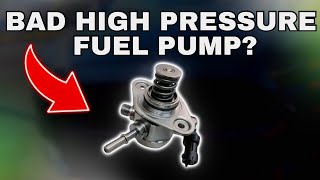
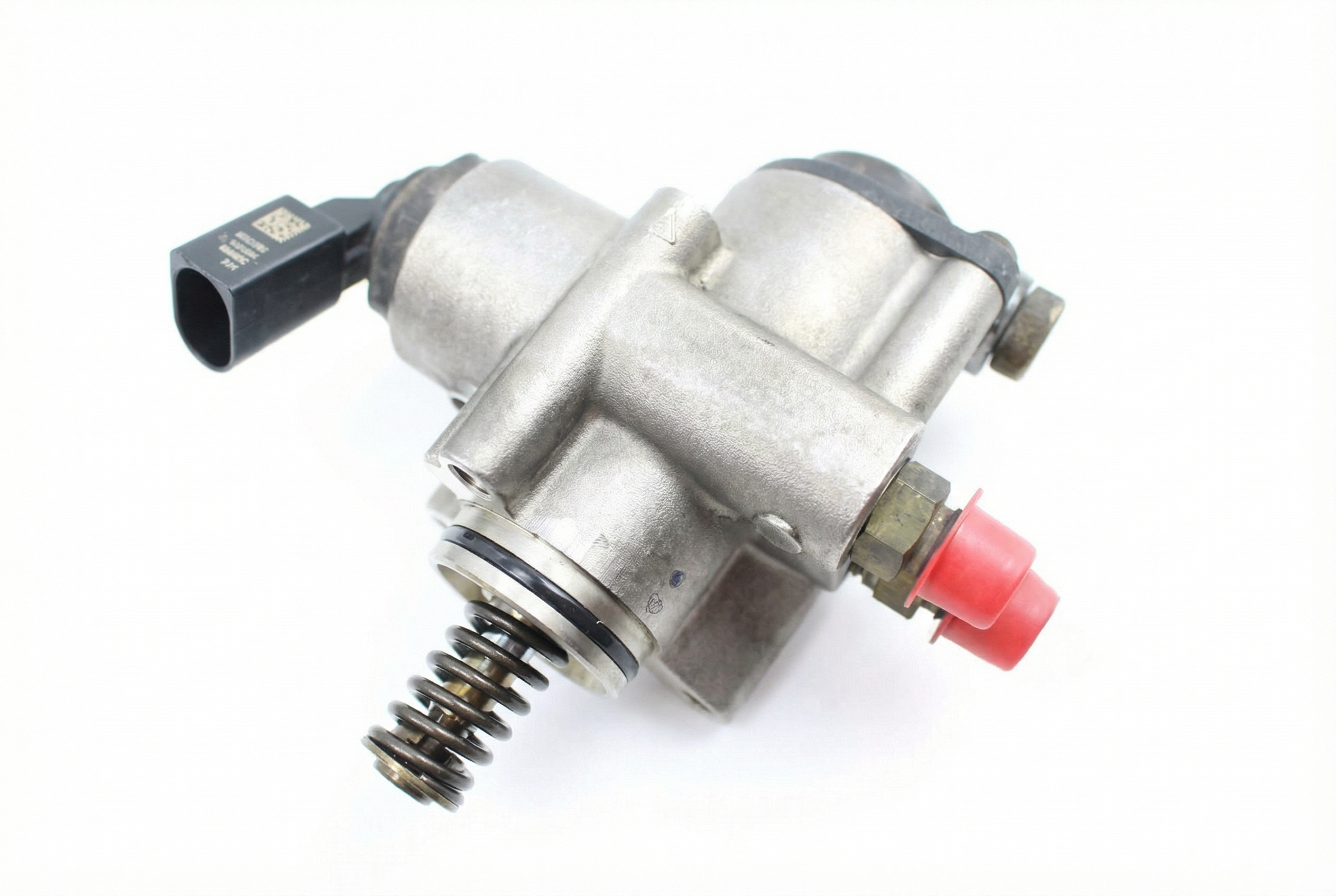
- Engine-Mounted High-Pressure Fuel Pump (HPFP): This is a mechanical pump located on the engine itself. Its job is to take the fuel supplied by the in-tank pump and dramatically increase its pressure before it enters the fuel injectors. An HPFP failure typically allows the engine to run, but poorly, with significant power loss and a check engine light.
Symptoms of a Failing Fuel Pump

Symptoms can vary depending on which pump is failing. Some issues, like a check engine light, can be caused by either pump, but the associated trouble codes will point to the specific problem area.
Low-Pressure In-Tank Fuel Pump (LPFP) Failure Symptoms
- Engine Cranks but Won't Start: This is the most common sign. The starter will turn the engine over, but it won't fire up because no fuel is reaching the engine. You might notice you don't hear the familiar, faint 'whirring' or 'humming' sound from the rear of the car when you first turn the key to the 'on' position.
- Engine Stalling: The engine may start and run for a few seconds or minutes, then stall unexpectedly as the pump overheats or fails intermittently. This can be especially dangerous if it happens while driving.
- Hesitation Under Acceleration: The vehicle may feel sluggish or hesitate when you press the gas pedal, as the weak pump struggles to supply enough fuel volume to meet the engine's demand.
- Inaccurate Fuel Gauge: Since the fuel level sending unit is part of the in-tank assembly, its failure can cause the fuel gauge to read empty, full, or fluctuate wildly.
High-Pressure Fuel Pump (HPFP) Failure Symptoms
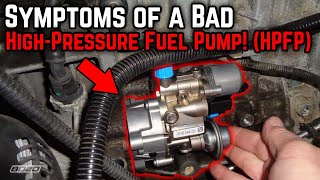
- Check Engine Light: This is almost always the first sign. Common fault codes include P0087 ("Fuel Rail/System Pressure - Too Low") or P0088 ("Fuel Rail/System Pressure - Too High").
- Loss of Power: The vehicle will feel noticeably down on power, especially during acceleration or when climbing hills. The engine may go into a reduced-power "limp mode."
- Rough Idle or Misfires: Inconsistent fuel pressure can cause the engine to idle poorly, shake, or misfire.
- Hard Starting: The engine may take longer than usual to start, cranking for several seconds before firing.
- Whining or Rattling Noise: A failing HPFP can sometimes make a high-pitched whining or metallic rattling sound from the engine bay. 🎬 Watch: A breakdown of common high pressure fuel pump symptoms.
Known Issues, Recalls, and Technical Service Bulletins (TSBs)

Several fuel pump-related issues have been identified for these vehicles.
- Recall 20Z8 / 17V298 (Expansion of 16V-660): This major recall affects gasoline-powered 2013-2017 Audi Q5 and 2013-2017 Audi Q7 models. The in-tank fuel pump flange can develop fine cracks, leading to a fuel leak. A fuel smell is the primary symptom. Dealers will inspect the flange and either replace it or apply a protective film.
- Recall 20W9 / 16V660: This earlier recall addresses the same fuel pump flange cracking issue on 2009-2012 Audi Q5 and 2007-2012 Audi Q7 vehicles.
- Fuel Pump Control Module Failure: On some models like the Audi A7 and S5, the fuel pump control module or its wiring can corrode or fail, mimicking the symptoms of a bad in-tank fuel pump. This can cause intermittent stalling and no-start conditions. A thorough diagnosis is needed to avoid replacing a perfectly good pump.
- 3.0L V6 TDI HPFP Failure: While not a formal recall, the Bosch CP4 high-pressure fuel pump used on the 3.0L TDI diesel engine (found in the A6, A7, A8, Q5, Q7, and Touareg) is known for a catastrophic failure mode. The pump can disintegrate internally, sending metal shavings throughout the entire fuel system. This requires replacement of the pump, injectors, fuel rails, and lines, and a thorough cleaning of the tank—a repair that can cost thousands of dollars.
Warning: If you own a 3.0L TDI diesel model and experience a sudden loss of power or a flashing glow plug light, stop driving immediately and have the vehicle towed. Continuing to drive can circulate metal debris and dramatically increase repair costs.
Buying a Used Fuel Pump: What to Inspect

Purchasing a used OEM fuel pump can be a cost-effective solution, but careful inspection is key.
For a Used In-Tank LPFP Assembly:
- Verify Part Numbers: Match the OEM part number on the used unit exactly to your original. There are many variations based on engine and model year.
- Inspect Electrical Connectors: Look closely at the main electrical plug on top of the pump assembly. Any signs of melting, browning, or charring on the plastic or pins indicate a pump that was overheating and drawing too much current. Do not buy a pump with a damaged connector.
- Check the Housing: Inspect the plastic housing, especially around the fuel line connections and the flange, for any cracks or stress marks. The recall for cracked flanges on Q5 and Q7 models makes this especially important.
- Consider Mileage: A fuel pump is a wear item. A pump from a low-mileage vehicle is always preferable. Ask the seller for the mileage of the donor vehicle if possible.
- Why Used OEM is Often Better: A quality, tested used OEM pump is often more reliable than a cheap, new aftermarket unit. OEM pumps are built to higher standards with better materials, ensuring proper fitment and longevity.
For a Used High-Pressure Fuel Pump (HPFP):
Warning: It is strongly discouraged to purchase a used high-pressure fuel pump for a 3.0L TDI engine due to the high risk of catastrophic failure. For all other engines, proceed with extreme caution.
🎬 See this guide on how to tell if your HPFP is failing.- Source is Everything: Only buy from a highly reputable recycler who can guarantee the part is from a running, driving vehicle with no fuel system fault codes.
- Inspect the Cam Follower (if applicable): For HPFPs driven by a cam lobe (like on the 4.2L V8), the cam follower is a critical wear item. While you can't inspect it on a used pump, be aware that it should always be replaced with a new one during installation.
- Check for Leaks: Thoroughly inspect the pump body for any signs of fuel leaks or staining.
Cost Comparison
Prices vary significantly between the in-tank LPFP and the engine-mounted HPFP, and by specific vehicle model.
| Part/Service | Estimated Cost | Notes |
|---|---|---|
| New OEM In-Tank LPFP Assembly | $850 - $1,350 | Price varies by model. |
| New Aftermarket In-Tank LPFP Assembly | $250 - $500 | Quality can be inconsistent. |
| Used OEM In-Tank LPFP Assembly | $100 - $300 | A cost-effective option if inspected carefully. |
| New OEM HPFP (Gasoline V8/V6) | $1,200 - $1,600 | Can be very expensive from the dealer. |
| New OEM HPFP (3.0L TDI) | $1,500 - $2,500+ | This is just for the pump; a full system failure repair can exceed $7,000. |
| Shop Labor (In-Tank LPFP) | $220 - $360 | Typically 2-3 hours of labor. |
| Shop Labor (HPFP) | $200 - $400 | Labor time varies based on engine access. |
Frequently Asked Questions (FAQ)
Do I need special tools to replace the in-tank fuel pump?
While a special tool exists to remove the large plastic lock ring that holds the pump in the tank, it can often be removed carefully using a brass drift and a hammer. Using a steel punch or screwdriver is not recommended as it can create sparks. The rest of the job requires basic hand tools.
Is it better to replace the whole in-tank assembly or just the pump motor?
It is highly recommended to replace the entire assembly. The fuel level sender and the internal hoses can also fail. A complete used OEM or new OEM assembly ensures all components are fresh and reduces the chance of having to do the job again soon.
My mechanic says my 3.0L TDI HPFP failed. Can I just replace the pump?
No. If a 3.0L TDI CP4 pump fails, it contaminates the entire fuel system with metal particles. Simply replacing the pump will result in the new pump failing almost immediately as it ingests the debris. The entire system—injectors, rails, lines, and tank—must be cleaned and/or replaced for a lasting repair.
Can a bad fuel pump relay cause a no-start condition?
Yes. Before condemning the fuel pump, it's wise to check the fuel pump fuse and relay. A faulty relay can prevent power from reaching the pump, leading to the same symptoms as a dead pump.
Helpful Videos
Technical Specifications
OEM Part Numbers: 059130755AK 059130755BG 059130755BJ 059130755CB 059130755CD 079127026AC 079127026F 079127026J 4B0998673D 4F0919051AD 4F0919051AF 4F0919051AH 4F0919051AK 4F0919051AM 4F0919051BH
System uses a dual-pump design. The in-tank low-pressure pump supplies fuel to the engine-mounted high-pressure pump. High-pressure system can operate at over 2,000 PSI.
We Have This Part in Stock

The information in this article is provided for general reference and educational purposes only. Vehicle specifications, procedures, and part compatibility can vary by production date, trim level, and region. Always consult your vehicle's factory service manual and verify part numbers before purchasing or performing repairs. Safety-critical components such as airbags, seat belts, and braking systems should be installed by a qualified professional.
- Audi A6:
- Audi A7:
- AUDI A8:
- AUDI Q7:
- VOLKSWAGEN Touareg:
- Audi Q5:
- AUDI R8:
- AUDI RS4:
- AUDI S5:
- Audi S6:
- 🎬 Helpful Videos
- 🛍️ Shop This Part
- Understanding Your Vehicle's Fuel System: LPFP vs. HPFP
- Symptoms of a Failing Fuel Pump
- Low-Pressure In-Tank Fuel Pump (LPFP) Failure Symptoms
- High-Pressure Fuel Pump (HPFP) Failure Symptoms
- Known Issues, Recalls, and Technical Service Bulletins (TSBs)
- Buying a Used Fuel Pump: What to Inspect
- For a Used In-Tank LPFP Assembly:
- For a Used High-Pressure Fuel Pump (HPFP):
- Cost Comparison
- Frequently Asked Questions (FAQ)
- 🎟️ Get 5% Off