

1999-2002 GM Truck & Van Fuel Pump: Guide for 6.5L Diesel Lift Pump & Aux Tank Issues
Solving stalling problems on your 6.5L diesel or fuel transfer issues on your gas truck by diagnosing the frame-mounted fuel pump.
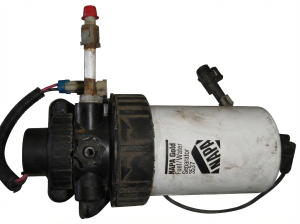
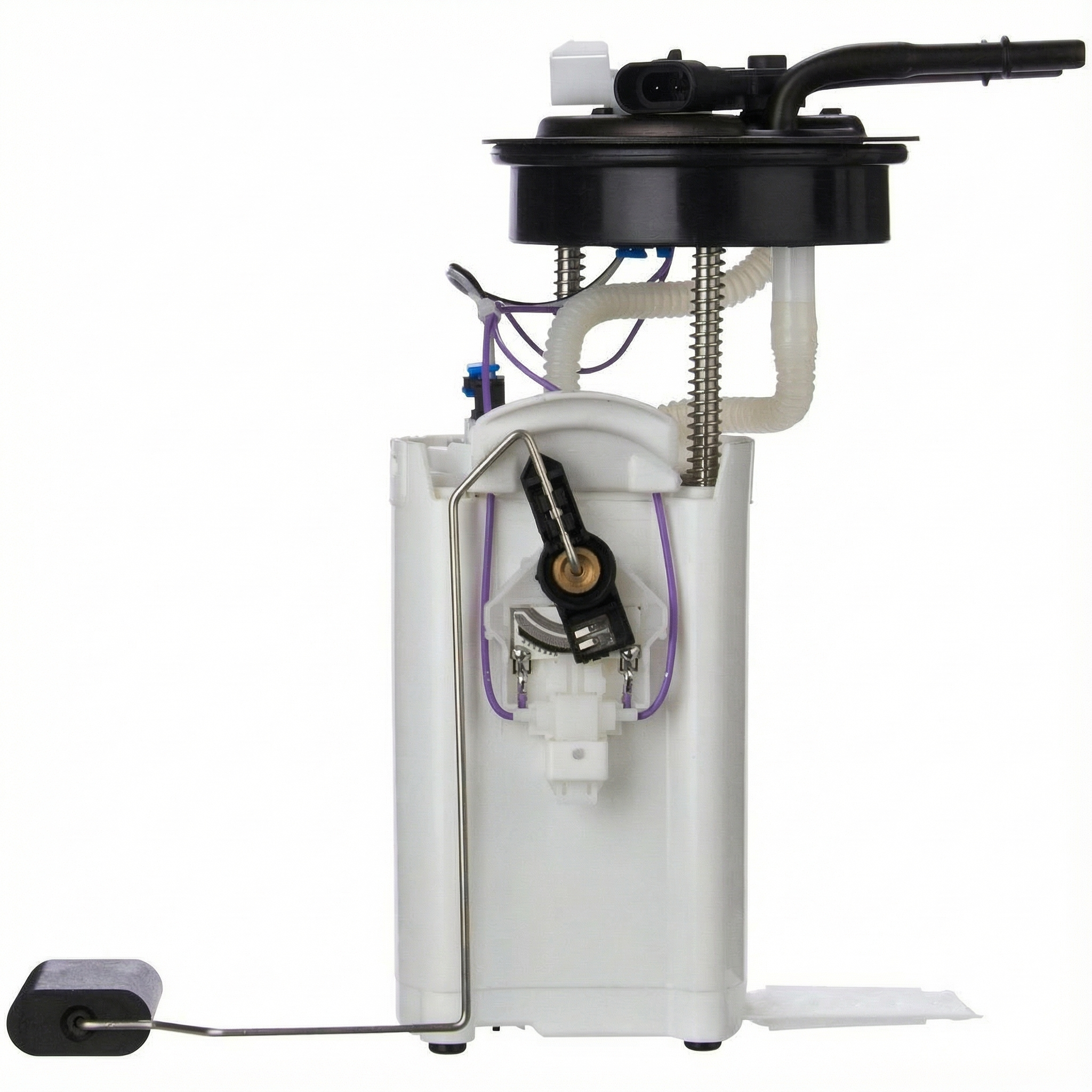
- This is a frame-mounted 'lift pump' for 6.5L diesels or a 'transfer pump' for gas engines with an auxiliary tank; it is NOT an in-tank pump.
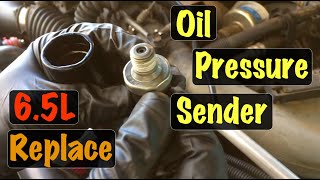
- On diesels, stalling under load is the #1 symptom, but always test the relay and check for voltage at the pump before replacing it, as the Oil Pressure Switch (OPS) is a common failure point that mimics a bad pump.
- Running a 6.5L diesel with a dead lift pump will destroy the expensive injection pump over time.
- Replacement is easy and DIY-friendly (Difficulty 2/5) as it does not require dropping the fuel tank.
Is This the Right Fuel Pump for Your Truck or Van?
This guide covers a specific frame-mounted fuel pump used on a wide range of 1999-2002 GM trucks and vans. It is NOT the main in-tank fuel pump module found on most gasoline models. The key applications for this part are:
- All 1999-2002 models with the 6.5L V8 Diesel engine. In this case, it's called a "lift pump."
- Gasoline engine models from 1999-2002 equipped with a factory auxiliary fuel tank. In this case, it's a "transfer pump."
This pump fits the following vehicles, but only with the engine configurations described above:
- 1999-2002 Chevrolet Express 2500
- 1999-2002 Chevrolet Express 3500
- 1999-2002 GMC Savana 2500
- 1999-2002 GMC Savana 3500
- 1999-1999 Chevrolet Suburban 1500
- 1999-2000 Chevrolet Silverado 2500
- 1999-2002 Chevrolet Silverado 3500
- 1999-1999 Chevrolet Suburban 2500
- 1999-2000 GMC Sierra 2500
- 1999-2002 GMC Sierra 3500
Compatibility Warning: For 2001-2002 Chevrolet and GMC 3500 pickups, this part is specified for models with an I-beam front axle only. Always verify fitment for your specific vehicle configuration.
Symptoms of Failure: 6.5L Diesel Engines
On a 6.5L diesel, a weak or failing lift pump will starve the high-pressure injection pump of fuel, leading to a variety of performance issues. Since this pump is external, you may be able to hear it hum or click for a few seconds when you turn the key to the 'run' position (on 1996 and newer models) before starting the engine. If it's silent, it may have failed.
- Stalling, Bucking, or Sputtering Under Load: This is the most common symptom. 🎬 Watch: Why your 6.5L diesel is stalling and bucking When accelerating, going up a hill, or towing, the engine's fuel demand increases. A weak pump can't keep up, causing the engine to jerk or stall.
- Hard Starting or No Start: The injection pump can pull fuel from the tank on its own, but it's difficult. This results in long crank times, especially when cold. A completely dead lift pump can lead to a no-start condition, particularly after the fuel system has been opened (e.g., after a filter change).
- Low Engine Power: A general lack of power that gets worse under load can be a sign of fuel starvation from a weak lift pump.
- Check Engine Light with Code P0231: The Powertrain Control Module (PCM) monitors the lift pump circuit. If it detects low voltage or no feedback signal, it can trigger a Diagnostic Trouble Code (DTC) P0231.
Pro Tip: On 6.5L diesels, hard starting and stalling can also be caused by a failed Pump Mounted Driver (PMD), also known as a Fuel Solenoid Driver (FSD). The PMD is a small black box on the side of the injection pump that is notorious for failing due to heat. A failing lift pump makes the injection pump work harder and run hotter, which can accelerate the death of the PMD. If you replace the lift pump and still have issues, the PMD is the next logical component to investigate.
Symptoms of Failure: Gasoline Engines with Auxiliary Fuel Tank
For gasoline vehicles, the diagnosis is much simpler. If this pump fails, the primary symptom will be the inability to transfer fuel from the auxiliary tank to the main tank. The fuel gauge for the auxiliary tank will not go down, and the main tank will not refill when the transfer is activated. The vehicle will continue to run normally off the main tank.
Diagnosing a Bad Lift Pump (6.5L Diesel)
Before you buy a new pump, follow these steps to confirm the old one is faulty. Many pumps are replaced unnecessarily when the real problem is a simple relay or a bad Oil Pressure Switch (OPS).
- Listen for the Pump: Have a helper turn the key to the 'run' position (don't start the engine). You should hear the pump, located on the driver's side frame rail, run for a few seconds. If you hear nothing, proceed to the next step.
- Check the Relay: In the under-hood fuse box, locate the fuel pump relay. You can swap it with a known good relay of the same type (like the horn relay) to see if the pump starts working. You can also use a short jumper wire to bypass the relay and send power directly to the pump circuit as a test.
- Check for Voltage: If the relay is good, go under the truck and disconnect the pump's two-wire electrical connector. Use a multimeter to check for ~12 volts at the harness connector while a helper turns the key. If you have voltage but the pump doesn't run, the pump is bad. If you don't have voltage, you may have a wiring issue or a failed Oil Pressure Switch (OPS), which is a common failure point in this circuit.
- Perform a Pressure Test: If the pump runs but you still suspect a problem, a fuel pressure test is the definitive diagnostic. 🎬 See how to perform a lift pump pressure check A gauge should be connected to the fuel filter housing. At idle, you should see a pressure between 3 and 7 PSI. If the pressure is below 3 PSI, or if it drops significantly under load, the pump is weak and needs to be replaced.
Buying a Used Fuel Pump: What to Look For
A recycled OEM fuel pump can be a reliable and cost-effective alternative to expensive new parts. Because this is a simple electric motor and not a complex electronic module, a used unit is a good option if inspected properly.
- Inspect the Electrical Connector: The terminals inside the connector should be clean and free of green or white corrosion. A corroded connector is a sign of moisture intrusion and is a major red flag.
- Check for Physical Damage: Look for cracks in the plastic housing or dents in the metal body. Ensure the inlet and outlet ports are intact and not damaged.
- Verify Part Numbers: Make sure the part number on the used pump (e.g., 15754298) matches the required part for your vehicle.
- Bench Test Before Installation: The biggest advantage of a frame-mounted pump is how easy it is to test. Using jumper wires, briefly connect the pump's terminals to a 12V battery. The pump should spin up immediately with a consistent humming sound. Do not run it for more than a second or two, as it is designed to be cooled by fuel.
- Why Used OEM is Often Better: While cheap aftermarket pumps are available, they often use lower-quality internal components that can fail prematurely. A used OEM pump was built to GM's original specifications for durability and performance. Given the critical role this pump plays in the health of the diesel injection pump, quality matters.
Cost of Replacement
Many online estimators incorrectly quote high prices for this job because they assume an in-tank pump replacement. Because this pump is mounted on the frame rail, labor costs are much lower.
| Part/Service | Estimated Cost | Notes |
|---|---|---|
| New OEM (Dealer) | $160 - $285 | Part only, from a GM dealership. |
| New Aftermarket | $45 - $100 | Prices vary by brand and quality. |
| Used OEM (Recycled) | $40 - $100 | A cost-effective option if inspected properly. |
| Shop Labor | $100 - $260 | Typically 1-1.5 hours of labor. |
Replacement Overview (DIY)
Replacing this pump is a feasible DIY project for those with basic mechanical skills. It is located on the inside of the driver's side frame rail, roughly under the driver's seat area.
- Difficulty: 2 out of 5
- Estimated Time: 1-2 hours
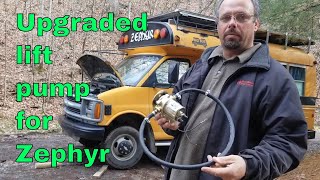
The basic steps involve disconnecting the battery, unplugging the electrical connector, placing a drain pan underneath, and using flare nut wrenches to loosen the fuel line fittings. The messiest part of the job is managing the diesel fuel that will drain from the lines. Having rags and a catch pan ready is essential. The new pump installs in the reverse order. 🎬 Watch this walkthrough for replacing the pump on GM vans After installation, cycle the key a few times to prime the system and check for leaks before starting the engine.
Frequently Asked Questions (FAQ)
Is this the same as the fuel pump inside the gas tank?
No. This is a secondary, frame-mounted pump. Most gasoline models without an auxiliary tank do not have this part at all; they only have the main pump inside the fuel tank. For the 6.5L diesel, this is the only low-pressure pump; there is no pump inside the tank.
My 6.5L diesel runs, so my lift pump must be okay, right?
Not necessarily. The DS4 injection pump is strong enough to suck fuel from the tank even if the lift pump is completely dead. However, this puts a huge strain on the injection pump, causing it to overheat and wear out prematurely, leading to a much more expensive repair. A working lift pump is critical for the longevity of the injection pump.
Should I replace the Oil Pressure Switch (OPS) at the same time?
It's a good idea, especially on high-mileage vehicles. The OPS is a known failure point in the lift pump circuit and is relatively inexpensive. Replacing it as preventative maintenance can save you from future troubleshooting headaches.
Do I need to drop the fuel tank to replace this pump?
No. This is one of the biggest advantages of this design. The pump is mounted to the frame rail, making access relatively easy from underneath the vehicle.
Helpful Videos

Technical Specifications
OEM Part Numbers: 15754298 15047149 15018546
Operating Pressure (Diesel): 3-7 PSI. Flow Rate: Approx. 21 GPH. Voltage: 12V. Location: Driver's side frame rail.
We Have This Part in Stock

The information in this article is provided for general reference and educational purposes only. Vehicle specifications, procedures, and part compatibility can vary by production date, trim level, and region. Always consult your vehicle's factory service manual and verify part numbers before purchasing or performing repairs. Safety-critical components such as airbags, seat belts, and braking systems should be installed by a qualified professional.
- Chevrolet Express 2500:
- Chevrolet Express 3500:
- GMC Savana 2500:
- GMC Savana 3500:
- Chevrolet Suburban 1500:
- Chevrolet Silverado 2500:
- Chevrolet Silverado 3500:
- Chevrolet Suburban 2500:
- GMC Sierra 2500:
- GMC Sierra 3500:
- Chevrolet C3500HD:
- GMC C3500HD:
- 🎬 Helpful Videos
- 🛍️ Shop This Part
- Is This the Right Fuel Pump for Your Truck or Van?
- Symptoms of Failure: 6.5L Diesel Engines
- Symptoms of Failure: Gasoline Engines with Auxiliary Fuel Tank
- Diagnosing a Bad Lift Pump (6.5L Diesel)
- Buying a Used Fuel Pump: What to Look For
- Cost of Replacement
- Replacement Overview (DIY)
- Frequently Asked Questions (FAQ)
- 🎟️ Get 5% Off