

2012-2018 Ford Focus Fuel Pump: Stalling, Recalls, and Compatibility Guide
This guide deciphers the complex recalls and engine-specific differences for the 2012-2018 Ford Focus fuel pump to help you diagnose stalling issues and buy the correct part.
- Stalling and erratic fuel gauge readings are most likely caused by a faulty canister purge valve (Recall 18S32), not the fuel pump itself.
- Compatibility is extremely complex. You must know your engine (1.0L Turbo, 2.0L NA, 2.0L Turbo ST) and fuel type (Flex Fuel vs. standard gasoline) before buying.
- Official replacement requires dropping the fuel tank, as there is no factory access panel under the rear seat.
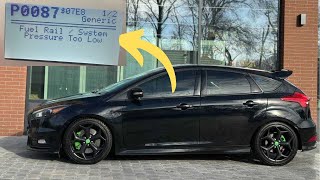
- A Check Engine Light with code P0087 (Fuel Rail Pressure Too Low) can be caused by either the in-tank pump or the engine-mounted high-pressure pump.
Known Issues, Recalls, and Technical Service Bulletins (TSBs)

The 2012-2018 Ford Focus has been subject to significant recalls that mimic the symptoms of a failing fuel pump. Understanding these issues is crucial before attempting a repair, as the fuel pump itself may not be the root cause of the problem.
Important: Many stalling and fuel gauge issues are caused by a faulty canister purge valve, not the fuel pump. This was the subject of a major recall.
Recall 18S32 / NHTSA 18V735: Fuel Tank Deformation
This is the most critical issue affecting this generation of Ford Focus. A malfunctioning canister purge valve (CPV) can get stuck open, creating an excessive vacuum in the fuel system. This vacuum can be strong enough to deform the plastic fuel tank. Symptoms directly related to this recall include:
- Engine stalling while driving, sometimes without the ability to restart.
- A check engine light with codes like P1450 (Unable to Bleed Up Fuel Tank Vacuum).
- A fuel gauge that fluctuates wildly or provides inaccurate readings.
- Difficulty starting the engine.
The recall fix involves a software update for the Powertrain Control Module (PCM) to better detect a faulty CPV. If damage is found, dealers will also replace the CPV, carbon canister, fuel tank, and the fuel delivery module (fuel pump assembly) as needed, free of charge. Ford advised owners to keep at least a half tank of fuel in the vehicle until the recall was performed to help prevent tank deformation.
Recall 19S22 / NHTSA 18V735 (Supplement)
This recall was issued because the initial software update for 18S32 was incomplete for some vehicles. It affects certain 2012 and 2017 Focus models with the 2.0L GDI engine and 2013-2014 Focus ST models. The remedy is to have the PCM reprogrammed with the correct software.
Recall 14S20 / NHTSA 14V-525: Cracked Fuel Delivery Module
This smaller recall affected a specific batch of 2014 Ford Focus vehicles manufactured between May 1, 2014, and May 24, 2014. In these cars, the fuel delivery module (fuel pump assembly) could develop a crack, leading to low fuel pressure. Symptoms included stalling, loss of power, extended crank time, or a no-start condition. The fix was a complete replacement of the fuel pump and sender unit.
Symptoms of a Failing Fuel Pump

If the recalls above have been performed or do not apply to your vehicle, you may be dealing with a genuinely failed fuel pump. Symptoms include:
- Engine Sputtering or Hesitation: The car may sputter or hesitate under acceleration when the engine demands more fuel than the weak pump can supply.
- Difficulty Starting / Long Crank: The engine may take longer than usual to start because the fuel system isn't reaching the correct pressure quickly.
- Whining Noise from the Rear: A noticeable whining or buzzing sound from the fuel tank area is a classic sign of a struggling fuel pump motor.
- Stalling at Low Speeds: The engine may stall, especially when warm or at idle, if the pump's output is inconsistent.
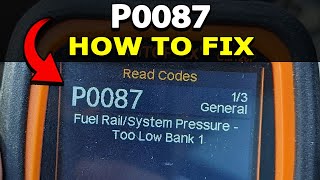
- Check Engine Light: A code such as P0087 (Fuel Rail/System Pressure - Too Low) often points to a fuel delivery issue, which could be the in-tank pump or the high-pressure fuel pump on GDI engines.
Diagnosing the Problem


Because of the recall issues, it's important to distinguish between a bad canister purge valve and a bad fuel pump.
- Check for Recalls: First, use your Vehicle Identification Number (VIN) on the NHTSA or Ford website to see if recalls 18S32, 19S22, or 14S20 are open for your car.
- Listen for the Pump: When you turn the key to the 'on' position (without starting the engine), you should hear a faint 2-3 second hum from the rear of the car. This is the pump priming the system. If you hear nothing, check the fuel pump fuse (Fuse F56 in the passenger cabin fuse box) first. 🎬 Watch: How to find and check your fuel pump fuse.
- Monitor Fuel Pressure: The most definitive test. The 2.0L direct-injection engines in the Focus use two fuel pumps: a low-pressure pump in the tank and a high-pressure pump on the engine. A scan tool with live data can show desired vs. actual fuel rail pressure. If the low-pressure system is failing, it will starve the high-pressure pump, causing a P0087 code. Low pressure at idle (should be around 70-80 PSI) points to the in-tank pump. 🎬 See a technician's advice on diagnosing P0087 and fuel sensors.
Buying a Used Fuel Pump
A recycled OEM fuel pump can be a reliable and cost-effective alternative to expensive new parts, but careful verification is essential due to the many variations.
1. Verify Compatibility (The Most Important Step)
The Ford Focus from this generation used several different fuel pump assemblies depending on the engine, fuel type, and sometimes even the date of manufacture. The initial information provided highlighted these complexities, which research confirms. You MUST identify your vehicle's specifics:
- Engine Type: Is it a 1.0L Turbo, 2.0L Naturally Aspirated, or 2.0L Turbo (ST model)?
- Fuel System: Is your 2.0L engine a standard gasoline model or a Flex Fuel Vehicle (FFV)? This is the most common point of confusion. Check the 8th digit of your VIN or look for an 'FFV' badge on the vehicle.
- Manufacture Date: For some model years, there are specific production date cutoffs that determine which pump is correct.
Warning: Do not buy a pump based on year and model alone. A pump for a 2.0L non-Flex Fuel engine will not work correctly in a 2.0L Flex Fuel engine, and vice-versa. Always match the OEM part number from your original pump or verify compatibility using the VIN.
2. Physical Inspection
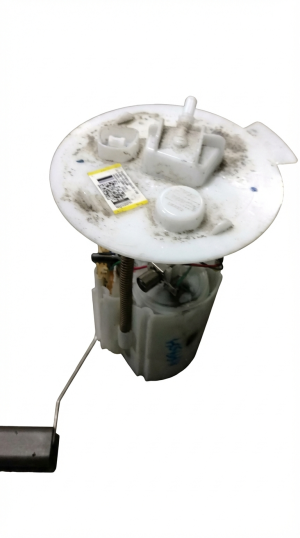
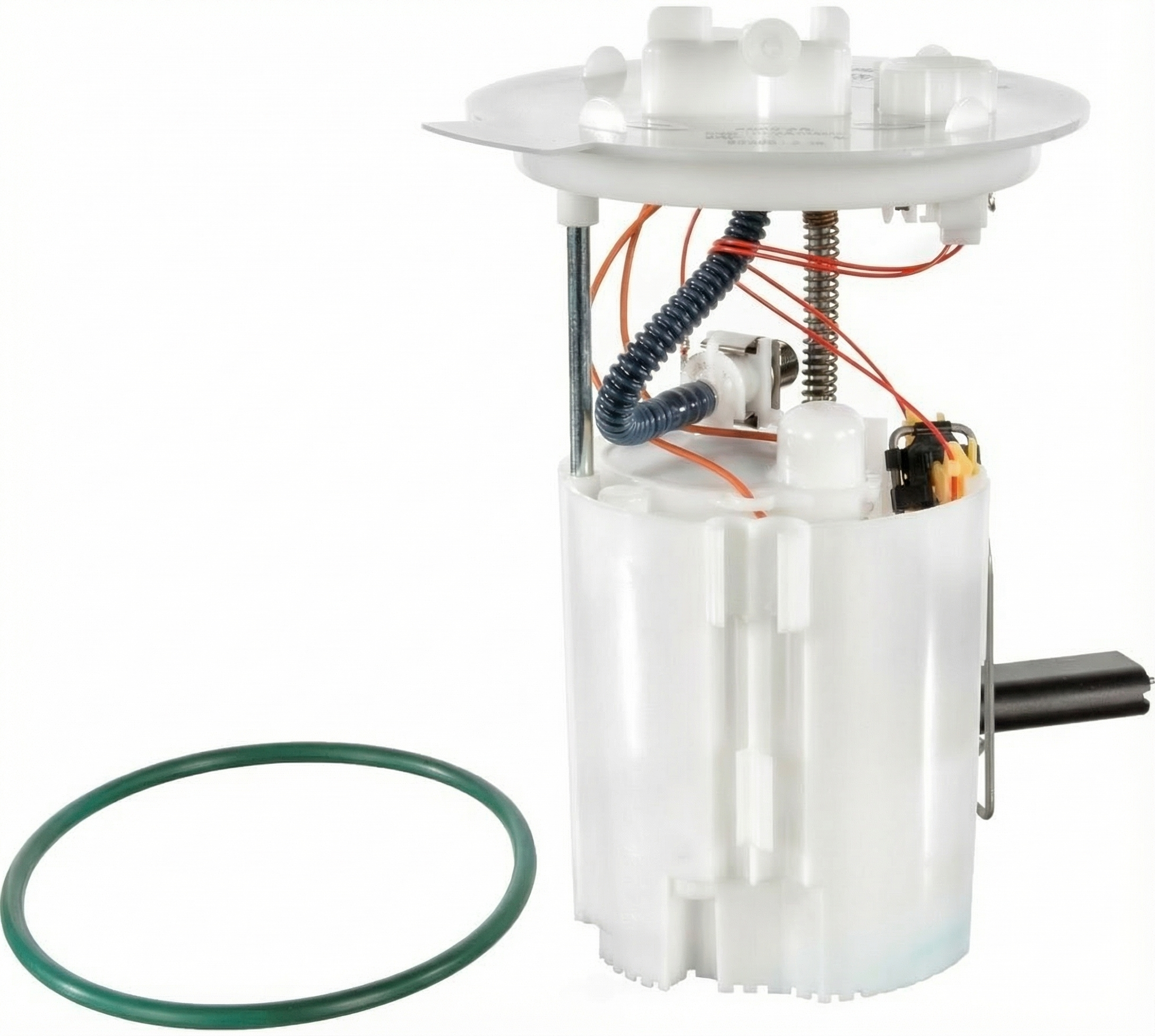
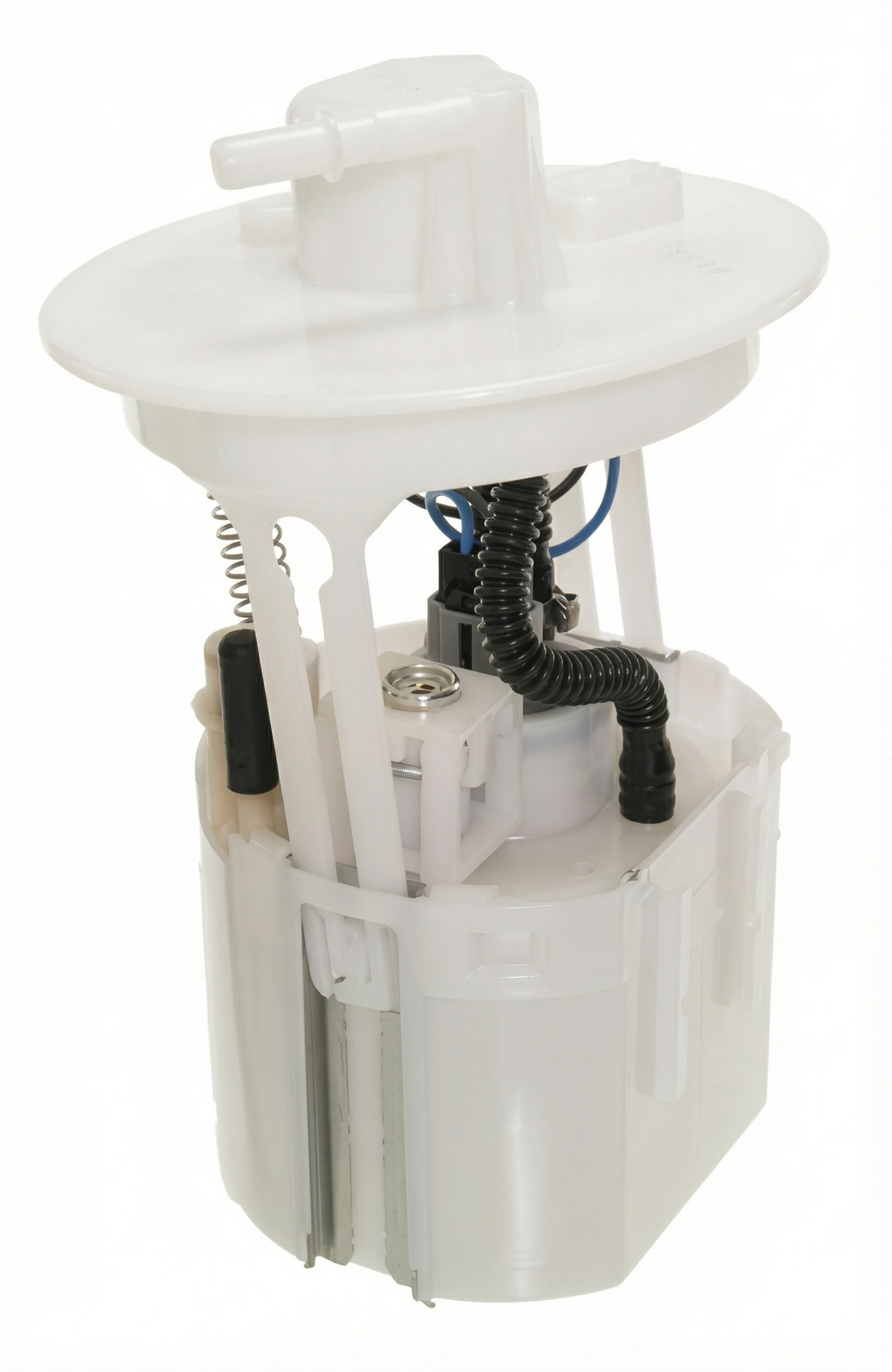
- Check the Housing: Inspect the white plastic housing for any cracks or signs of damage. The recall for cracked modules (14S20) makes this a critical check.
- Examine the Connector: Ensure the electrical connector pins are clean, straight, and free of corrosion.
- Inspect the Ports: Look at the fuel line connection ports. They should be intact and free of damage.
- Ask About the Donor Vehicle: If possible, get the mileage from the vehicle the part came from. A pump from a lower-mileage vehicle is always preferable.
3. Why Choose Used OEM?
For a part like this, a used OEM (Original Equipment Manufacturer) pump is often a better choice than a new, cheap aftermarket one. OEM pumps are built to Ford's exact specifications for flow rate and pressure, ensuring compatibility with the engine management system. Many low-cost aftermarket pumps can fail prematurely or cause subtle performance issues due to incorrect pressure output.
Replacement Overview

Replacing the in-tank fuel pump is a moderately difficult job due to the need to handle fuel safely.
- Location: The pump is located inside the fuel tank. Unlike many older cars, the 2012-2018 Focus does NOT have a dedicated access panel under the rear seat from the factory.
- Procedure: The official procedure requires dropping the fuel tank to access the top of the tank where the pump is mounted. This involves disconnecting the filler neck, exhaust hangers, and various lines before lowering the tank with a transmission jack.
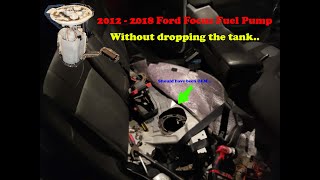
- DIY Access Panel (Advanced): Some owners choose to cut their own access hole in the sheet metal under the rear seat to avoid dropping the tank. This must be done with extreme care using tin snips—never a grinder or cutting wheel 🎬 Watch: How to replace the pump without dropping the tank. that creates sparks.
- Special Tool: A special lock ring tool is needed to safely remove and reinstall the large plastic ring that holds the pump assembly in the tank. Using a hammer and screwdriver is common but risks damaging the ring or the tank.
Installation Difficulty: 4 out of 5 (due to dropping the tank and fuel safety precautions).
Cost Comparison
Prices can vary significantly based on the specific part number and sales promotions.
| Part Type | Estimated Cost |
|---|---|
| New OEM (Dealer) | $380 - $726+ |
| New Aftermarket | $179 - $646 |
| Used OEM (Recycled) | $75 - $200 |
| Shop Labor Cost | $300 - $440 |
Frequently Asked Questions (FAQ)
My Focus stalls after I fill it with gas. Is that the fuel pump?
This is a classic symptom of the faulty canister purge valve (CPV) described in recall 18S32, not the fuel pump. When you refuel, the system is overwhelmed by vapor it can't manage, causing the engine to run rough or stall immediately after starting. Check if this recall is open for your vehicle.
Do I have to drop the fuel tank to replace the pump?
According to the official Ford procedure, yes, the fuel tank must be lowered to access and replace the fuel pump assembly. The vehicle does not have a factory service hatch under the rear seat.
What is the difference between the low-pressure and high-pressure fuel pumps?
The 2.0L GDI and GTDI engines in the Focus use a dual-pump system. The in-tank pump (this part) is a low-pressure pump that sends fuel from the tank to the engine. A second, engine-mounted high-pressure fuel pump (HPFP) then boosts that pressure significantly for the direct fuel injectors. A failure in the in-tank pump will starve the HPFP.
Can I use a fuel pump from a Focus ST in my SE model?
No. The Focus ST uses a 2.0L turbocharged (GTDI) engine and has a fuel system designed for its specific performance needs. The SE model typically has a 2.0L naturally aspirated (GDI) engine. The pumps are not interchangeable. You must use the pump specified for your exact engine and fuel type (Flex Fuel or gasoline only).
Helpful Videos

Technical Specifications
OEM Part Numbers: BV619H307EG BV619H307GE BV619H307GF BV619H307GG BV619H307GH BV619H307GJ BV619H307GK BV619H307ND BV619H307NE BV619H307NF BV619H307NG BV619H307NH BV6Z-9H307-AV BV6Z-9H307-AW BV6Z-9H307-AX BV6Z-9H307-K BV6Z-9H307-N BV6Z-9H307-S BV6Z-9H307-T
Fuse F56 (20A) in the passenger cabin fuse box protects the fuel pump circuit.
We Have This Part in Stock

The information in this article is provided for general reference and educational purposes only. Vehicle specifications, procedures, and part compatibility can vary by production date, trim level, and region. Always consult your vehicle's factory service manual and verify part numbers before purchasing or performing repairs. Safety-critical components such as airbags, seat belts, and braking systems should be installed by a qualified professional.
- Ford Focus:
- 🎬 Helpful Videos
- 🛍️ Shop This Part
- Known Issues, Recalls, and Technical Service Bulletins (TSBs)
- Recall 18S32 / NHTSA 18V735: Fuel Tank Deformation
- Recall 19S22 / NHTSA 18V735 (Supplement)
- Recall 14S20 / NHTSA 14V-525: Cracked Fuel Delivery Module
- Symptoms of a Failing Fuel Pump
- Diagnosing the Problem
- Buying a Used Fuel Pump
- 1. Verify Compatibility (The Most Important Step)
- 2. Physical Inspection
- 3. Why Choose Used OEM?
- Replacement Overview
- Cost Comparison
- Frequently Asked Questions (FAQ)
- 🎟️ Get 5% Off