

2023-2025 Mazda CX-50 Fuel Pump: A Guide to Engine-Specific Part Numbers
This guide clarifies the correct fuel pump for your CX-50's specific engine (Non-Turbo, Turbo, or Hybrid) and details common failure signs, costs, and replacement tips.
- The single most critical step is matching the fuel pump part number to your CX-50's engine: 2.5L Non-Turbo, 2.5L Turbo, or 2.5L Hybrid use different pumps.
- A loud whining noise from the rear seat area is a classic early warning sign of fuel pump failure.
- Replacement is accessible under the rear seat, making it a feasible DIY job, but requires extreme caution when handling gasoline.
- A failing fuel pump can cause the engine to stall at any time, making the vehicle unsafe to drive.
Critical: Match the Part Number to Your Engine
Warning: The 2023-2025 Mazda CX-50 uses different fuel pump assemblies depending on the engine type. Installing the wrong pump can lead to improper fuel pressure, poor engine performance, or a no-start condition. Always verify the part number before purchasing.
There are three distinct fuel pump modules for this vehicle generation. It is essential to identify your engine to select the correct part.
| Engine | Years | Verified OEM Part Number(s) |
|---|---|---|
| 2.5L Naturally Aspirated (Non-Turbo) | 2023-2025 | PX4R-13-35X, PX4R1335X, PX4P-13-35X |
| 2.5L Turbo | 2023-2025 | PAF3-13-350, PAF313350 |
| 2.5L Hybrid | 2025 | CW01-13-35X, CW011335X |
Symptoms of a Failing Fuel Pump
A failing fuel pump rarely dies without warning. Recognizing the early signs can prevent you from being stranded. Listen and feel for these common symptoms:
- Engine Sputtering or Hesitation: The car may jerk or sputter, especially when accelerating or driving at highway speeds. This happens because the weak pump can't supply the extra fuel the engine demands under load.
- Whining Noise From the Rear Seat Area: A failing fuel pump motor often makes a loud, high-pitched whining or humming sound. A healthy pump makes a quiet hum when you first turn the key, but a loud, persistent whine is a sign of trouble.
- Difficulty Starting or No Start: The engine may crank for longer than usual before starting. In a complete failure, the engine will crank but never start because it's not receiving any fuel.
- Loss of Power Under Load: You may notice the vehicle struggles to maintain speed while going uphill or towing.
- Sudden Engine Surging: The vehicle might unexpectedly speed up or jerk forward as the pump delivers fuel inconsistently.
- Check Engine Light: Low fuel pressure can trigger diagnostic trouble codes, with P0087 (Fuel Rail/System Pressure - Too Low) being a common indicator.
Known Issues, Recalls, and Technical Service Bulletins (TSBs)
As of early 2026, there are no widespread recalls specifically for the fuel pump on the 2023-2025 Mazda CX-50. The NHTSA has issued recalls for other issues on these vehicles, such as faulty ABS hydraulic units and suspension bolts, but the fuel pump itself has not been the subject of a major safety campaign. Some owners on forums have reported issues with the fuel filler system on Hybrid models, leading to difficulty refueling, which may be related to the EVAP system rather than the pump itself. Other isolated reports mention fuel gauge errors, sometimes resolved by a simple battery reset.
Buying a Used Fuel Pump: What to Check
A low-mileage used OEM fuel pump can be a reliable and cost-effective alternative to expensive new parts. Here’s what to look for:
1. Verify the Part Number
This is the most important step. The part number is typically stamped or printed on the top of the plastic fuel pump module. Cross-reference this number with the table above to ensure it matches your vehicle's engine. Do not rely on visual comparison alone.
2. Physical Inspection
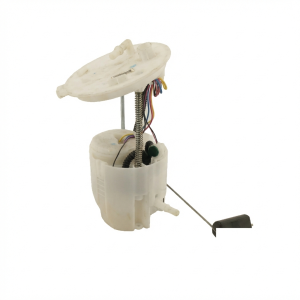
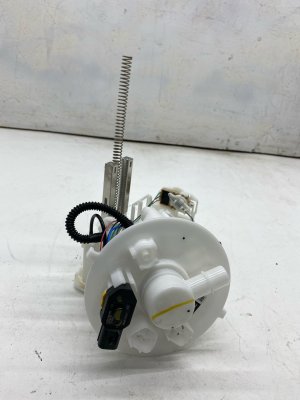
- Housing: Check the white or black plastic housing for any cracks, especially around the fuel line ports and electrical connector. A cracked housing can cause dangerous fuel leaks.
- Connectors: Ensure the electrical connector pins are straight and free of corrosion. Look for any signs of melting or heat damage, which indicates an electrical problem.
- Fuel Level Sender: The fuel sending unit has a float attached to a metal arm. Make sure this arm is present, straight, and moves freely. A bent arm will cause your fuel gauge to read incorrectly.
- Cleanliness: The strainer at the bottom of the pump should be relatively clean. Heavy sediment or a dark, sludgy appearance could indicate it came from a vehicle with a contaminated fuel tank, which may have stressed the pump motor.
3. Why Choose Used OEM?
For a critical component like a fuel pump, a used OEM (Original Equipment Manufacturer) part from a reputable recycler is often a better choice than a cheap, new aftermarket part. OEM pumps are built to Mazda's exact specifications for fuel pressure, flow rate, and durability, ensuring seamless compatibility. Some budget aftermarket pumps can be noisy, fail prematurely, or deliver incorrect pressure, leading to persistent performance issues.
Cost Comparison for a CX-50 Fuel Pump
Prices can vary based on engine type, supplier, and your location. The Hybrid and Turbo models tend to have more expensive pumps.
| Part Type | Estimated Cost |
|---|---|
| New OEM (Dealer) | $200 - $800 |
| New Aftermarket | $150 - $350 |
| Used OEM | $85 - $200 |
| Shop Labor | $170 - $330 |
Replacement Overview
Warning: This repair involves working with raw gasoline. It is highly flammable and hazardous. Work in a well-ventilated area, disconnect the vehicle's battery, and have a fire extinguisher rated for gasoline fires nearby. Do not smoke or create any sparks.
The fuel pump is located inside the fuel tank and is accessible through an access panel under the rear seats, so the fuel tank does not need to be removed. This makes the job feasible for an experienced DIY mechanic.
- Difficulty: 3 out of 5
- Estimated Time: 1.5 - 2.5 hours
- Process: The basic steps involve relieving fuel system pressure, disconnecting the battery, removing the rear seat cushion, opening the fuel pump access panel, disconnecting the fuel lines and electrical connector, removing the large lock ring that secures the pump, and carefully lifting the assembly out of the tank. Installation is the reverse of removal, being careful not to damage the new pump's float arm.
Frequently Asked Questions (FAQ)
Do I need to replace the whole fuel pump assembly or just the motor?
The part is sold as a complete, sealed assembly that includes the pump, sender, and filter. It is designed to be replaced as a single unit. Attempting to replace only the internal motor is not recommended and often not possible.
My fuel gauge is wrong after replacing the pump. What happened?
The most likely cause is that the float arm on the fuel level sending unit was bent or damaged during installation. The pump assembly must be carefully maneuvered into the tank to avoid this. In some cases, a faulty sending unit on the used part could also be the cause.
Is there a separate fuel filter to change?
The primary fuel filter is a non-serviceable part integrated into the in-tank fuel pump module. There is no separate, regular-service fuel filter on the 2023-2025 Mazda CX-50.
Can I keep driving with a whining fuel pump?
It is not recommended. A whining sound is a clear sign of impending failure. The pump could fail completely at any time, leaving you stranded and potentially in a dangerous situation if the engine stalls while driving.
Technical Specifications
OEM Part Numbers: PX4R-13-35X PX4R1335X PX4P-13-35X PAF3-13-350 PAF313350 CW01-13-35X CW011335X
In-tank fuel pump module with integrated fuel level sender and filter. Specific pressure and flow rates vary by engine application.
We Have This Part in Stock

The information in this article is provided for general reference and educational purposes only. Vehicle specifications, procedures, and part compatibility can vary by production date, trim level, and region. Always consult your vehicle's factory service manual and verify part numbers before purchasing or performing repairs. Safety-critical components such as airbags, seat belts, and braking systems should be installed by a qualified professional.
- Mazda CX-50:
- 🛍️ Shop This Part
- Critical: Match the Part Number to Your Engine
- Symptoms of a Failing Fuel Pump
- Known Issues, Recalls, and Technical Service Bulletins (TSBs)
- Buying a Used Fuel Pump: What to Check
- 1. Verify the Part Number
- 2. Physical Inspection
- 3. Why Choose Used OEM?
- Cost Comparison for a CX-50 Fuel Pump
- Replacement Overview
- Frequently Asked Questions (FAQ)
- 🎟️ Get 5% Off