

2007-2012 Mazda CX-7 Fuel Pump: Not the High-Pressure Pump You Think It Is
This guide covers the in-tank low-pressure fuel pump for the 2.3L Turbo CX-7, explaining symptoms, replacement, and how to avoid buying the wrong part.
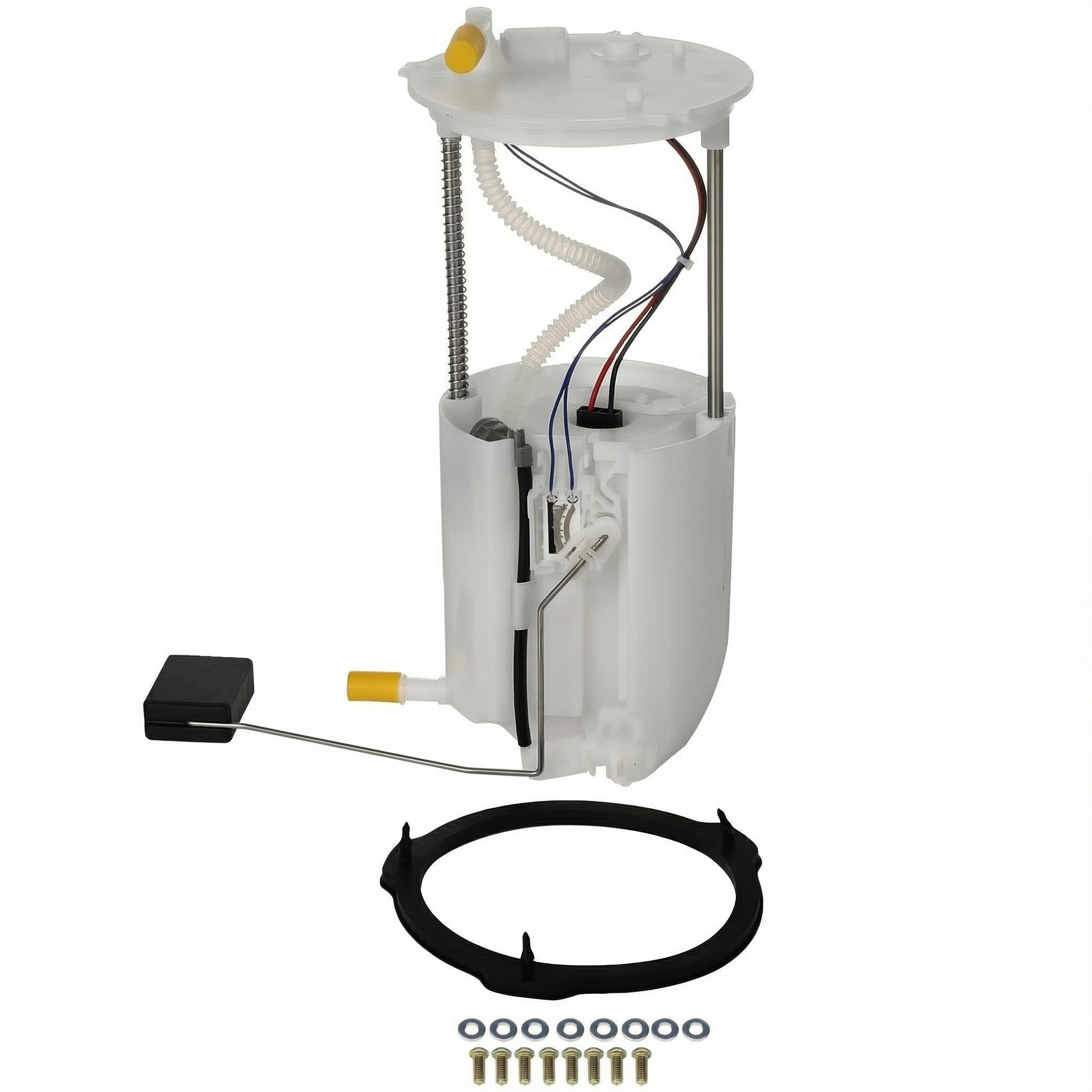
- This is the IN-TANK LOW-PRESSURE pump for the 2.3L Turbo, NOT the engine-mounted High-Pressure Fuel Pump (HPFP).
- Failure symptoms include the engine cranking but not starting, stalling, and a whining noise from the fuel tank.
- Replacement is DIY-friendly (Difficulty 3/5) as the pump is accessible under the rear seat without dropping the fuel tank.
- Before replacing the pump, always check the fuel pump fuse and relay, as they are a common and much cheaper point of failure.
Compatibility Warning: Read This First
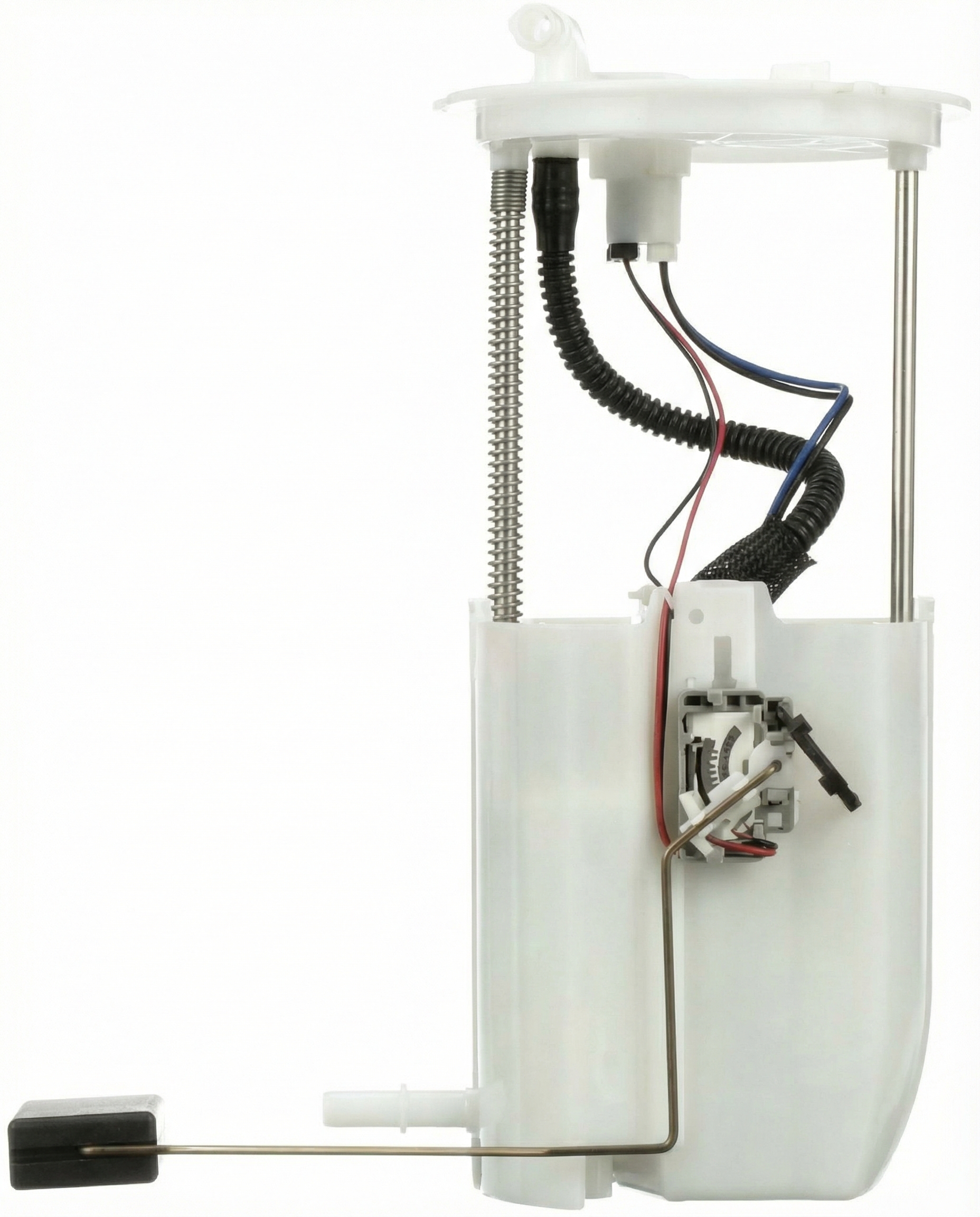
Warning: This is the in-tank low-pressure fuel pump assembly for the LEFT (driver's) side of the fuel tank. It is specifically for 2007-2012 Mazda CX-7 models equipped with the 2.3L Turbo engine. It is NOT the engine-mounted High-Pressure Fuel Pump (HPFP), which is a separate part. Many symptoms overlap, so proper diagnosis is critical before purchasing.
Symptoms of a Failing Low-Pressure Fuel Pump
When the in-tank fuel pump begins to fail, it can't supply the necessary volume or pressure of fuel to the high-pressure pump. This starvation leads to several noticeable symptoms:
- Engine Cranks but Won't Start: This is a classic sign. You'll hear the engine turning over, but it never fires up because there's no fuel. You might notice you can't hear the faint hum or whine from the rear seat area when you first turn the key to the 'on' position.
- Stalling, Especially Under Load: The engine may start and idle, but stalls when you try to accelerate or when it gets warm. This happens because the weak pump can't keep up with the engine's increased demand for fuel.
- Hesitation or Loss of Power: During acceleration, the vehicle may sputter, hesitate, or feel sluggish. This is a sign that the engine is momentarily running lean (too much air, not enough fuel).
- Rough Idle: An inconsistent fuel supply can cause the engine to idle poorly.
- Whirring or Humming Noise from the Fuel Tank: A failing pump motor may become louder than usual. If you hear a distinct whirring noise from the rear seat area, the pump may be on its way out.
- Check Engine Light: While many issues can trigger a check engine light, codes related to a lean fuel system (P2177, P2187) or low fuel rail pressure could potentially point to a failing low-pressure pump, though these can also be caused by other issues.
Known Issues, Recalls, and Technical Service Bulletins (TSBs)
While there have been major recalls for fuel pumps in other Mazda models, the 2007-2012 CX-7 was not included in the large-scale Denso fuel pump recall that affected many 2018 and newer vehicles. There are no specific recalls for the low-pressure fuel pump on this particular model. However, a few related items are worth noting:
- TSB for Lean Codes (P2187/P2177): Mazda issued TSB 01-009/13 for an issue where brake fluid spillage could damage the air/fuel ratio sensor wiring, causing lean codes. While not a fuel pump issue, it produces similar codes and is worth investigating if you have these specific DTCs.
- Fuel Pump Resistor/Relay: Some owners have reported that the ultimate cause of their fuel delivery problem was not the pump itself, but a related electrical component like the fuel pump relay or resistor. If the pump isn't getting the correct voltage, it won't perform correctly. Always check the fuse and relay first. 🎬 Watch: How to find and replace the fuel pump relay
Buying a Used 2007-2012 CX-7 Fuel Pump
A used OEM fuel pump can be a reliable and cost-effective alternative to expensive new parts. Since this is an electrical and mechanical part, careful inspection is key.
What to Inspect:
- Verify the Part Number: Ensure the part is stamped with L33L1335ZA. This confirms it's the correct pump for the 2.3L Turbo model.
- Check the Electrical Connector: Look closely at the electrical connector on top of the pump assembly. There should be no signs of melting, charring, or corrosion on the pins. A damaged connector indicates high resistance and an impending failure.
- Inspect the Plastic Housing: Check the white plastic assembly for any cracks, especially around the mounting flange and hose connections. The plastic can become brittle with age.
- Examine the Fuel Level Sender: The fuel level float and arm should move freely without binding. This component is what tells your fuel gauge how much gas is in the tank.
- Look at the Strainer: The small filter sock at the bottom of the pump should be reasonably clean. A heavily contaminated strainer suggests the pump may have been working harder than necessary.
Pro Tip: When buying used, prioritize a pump from a lower-mileage vehicle. While a high-quality OEM pump can last a long time, mileage and age are the primary factors in wear. Choosing a tested, warrantied used OEM part is often a safer bet than a new, unbranded aftermarket pump of unknown quality.
Cost Comparison
Prices can vary significantly based on the source of the part and labor rates. Here is a general cost breakdown to help you make an informed decision.
| Part Type | Estimated Cost (Part Only) |
|---|---|
| New OEM (Mazda) | $290 - $490 |
| New Aftermarket | $150 - $310 |
| Used OEM | $50 - $100 |
Shop labor for this replacement typically costs between $217 and $350.
Replacement Overview
Replacing the in-tank fuel pump on a 2007-2012 Mazda CX-7 is a moderately difficult job that a skilled DIYer can accomplish. The biggest advantage is that the fuel tank does not need to be dropped.
- Difficulty: 3 out of 5
- Estimated Time: 1.5 - 2.5 hours
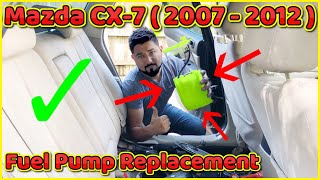
- Access Point: The pump is accessed through a service panel under the rear driver's-side seat cushion. 🎬 See this walkthrough of the under-seat access method
General Steps:
- Safety First: Disconnect the negative battery terminal. Work in a well-ventilated area and have a fire extinguisher handy. Relieve fuel system pressure.
- Access the Pump: Remove the rear seat bottom. It is held in by clips and can be pulled up firmly.
- Remove the Service Cover: Unscrew the metal service cover on the driver's side floor pan.
- Disconnect Lines: Disconnect the electrical connector and the fuel line. Be prepared for some minor fuel spillage; have rags ready.
- Remove the Pump: The pump assembly is held in by eight Phillips head screws. After removing the screws, you can carefully lift the entire assembly out of the tank. Be careful not to bend the fuel level float arm.
- Installation: Installation is the reverse of removal. Ensure the new gasket is seated correctly to prevent fuel leaks and vapor smells.
Frequently Asked Questions (FAQ)
Is this the same as the high-pressure fuel pump (HPFP)?
No. This is the low-pressure pump located in the fuel tank. The HPFP is a separate, mechanically driven pump located on the engine itself. They are two distinct parts of the same fuel system.
🎬 Learn how to replace the engine-mounted high-pressure pump insteadDo I need to drop the fuel tank to replace this pump?
No. Thankfully, Mazda provided an access panel under the rear seat, which makes this job much easier than on many other vehicles.
My fuel gauge is inaccurate. Could this part be the cause?
Yes. The fuel level sending unit, which includes the float and sensor that controls your fuel gauge, is part of this complete fuel pump assembly. If your gauge is reading incorrectly, replacing the entire assembly will typically fix the problem.
Should I check anything else before replacing the pump?
Absolutely. Always check the fuel pump fuse and relay first. A blown fuse or faulty relay is a much cheaper and easier fix. A mechanic can also perform a fuel pressure test to confirm the low-pressure pump is actually the component that has failed.
Helpful Videos

Technical Specifications
OEM Part Numbers: L33L1335ZA
This is the low-pressure, in-tank fuel pump assembly for the driver's (left) side. It includes the pump motor, housing, fuel level sending unit, and strainer.
We Have This Part in Stock

The information in this article is provided for general reference and educational purposes only. Vehicle specifications, procedures, and part compatibility can vary by production date, trim level, and region. Always consult your vehicle's factory service manual and verify part numbers before purchasing or performing repairs. Safety-critical components such as airbags, seat belts, and braking systems should be installed by a qualified professional.
- Mazda CX-7:
- 🎬 Helpful Videos
- 🛍️ Shop This Part
- Compatibility Warning: Read This First
- Symptoms of a Failing Low-Pressure Fuel Pump
- Known Issues, Recalls, and Technical Service Bulletins (TSBs)
- Buying a Used 2007-2012 CX-7 Fuel Pump
- What to Inspect:
- Cost Comparison
- Replacement Overview
- General Steps:
- Frequently Asked Questions (FAQ)
- 🎟️ Get 5% Off