

2011-2023 Mazda CX-9 Fuel Pump: Recall, AWD vs. FWD, and Failure Symptoms
This guide covers the critical fuel pump recall for 2018-2019 models, common failure symptoms, and why AWD and FWD versions use different parts.
- A critical safety recall (NHTSA 21V875000) affects the fuel pump in 2018-2019 Mazda CX-9s, which can cause sudden engine stalling.
- The fuel pump assembly for All-Wheel Drive (AWD) models is different from the Front-Wheel Drive (FWD) version and the parts are not interchangeable.
- Common failure symptoms include a whining noise from the fuel tank, engine hesitation, difficulty starting, and stalling.
- Replacement is accessible for DIYers under the rear seat, but extreme caution must be taken when working with fuel.
Known Issues, Recalls, and Technical Service Bulletins (TSBs)


CRITICAL: Fuel Pump Recall (2018-2019 CX-9)
Recall Notice: Mazda issued a major safety recall (NHTSA Campaign ID: 21V875000, Mazda Recall #5321K) for 2018-2019 Mazda CX-9 models, among other vehicles. The issue stems from a defective low-pressure fuel pump, where the internal plastic impeller can deform and crack. This can cause the fuel pump to fail suddenly.
Symptoms of the recall issue include:
- Engine stalling, sometimes at low speeds or, in rare cases, at highway speeds, which increases the risk of a crash.
- Engine running rough.
- Check Engine Light illumination.
- Difficulty starting or a no-start condition.
- Noticeable loss of power during acceleration.
The recall involves replacing the faulty fuel pump with an improved part, free of charge, at a Mazda dealership. It is crucial for owners of affected vehicles to check their Vehicle Identification Number (VIN) on the NHTSA or Mazda recall websites to see if their vehicle is part of this recall and has been repaired.
Technical Service Bulletin (TSB) 01-003/18
For 2016-2018 CX-9 models produced before November 10, 2017, Mazda released a TSB for a "lack of power" issue that may not trigger a warning light. This can happen when fuel temperature is high and the engine is under a heavy load. The original engine computer (PCM) software would limit power if it detected a potential issue with the low-pressure fuel pump's performance. The TSB provides a PCM software update that changes this logic and will instead store a diagnostic trouble code (DTC), like P0087 or P0192, if a problem is detected. The procedure involves reprogramming the PCM and, if diagnostic tests then show poor pump performance, replacing the low-pressure fuel pump.
Compatibility Warning: The fuel pump assembly for All-Wheel Drive (AWD) models is different from the one for Front-Wheel Drive (FWD) models. This is because the fuel tank's shape is different to accommodate the rear driveshaft on AWD vehicles. You must purchase the correct pump for your vehicle's drivetrain configuration.
Symptoms of a Failing Fuel Pump

Beyond the specific recall, any fuel pump can wear out over time. Here are the most common signs that your CX-9's fuel pump may be failing:
- Whining Noise From Fuel Tank: A loud, high-pitched whining or humming sound from the rear of the vehicle is a classic sign of a struggling fuel pump motor.
- Engine Sputtering or Hesitation: Especially noticeable at highway speeds or under acceleration, the engine may sputter or jerk as the pump fails to deliver a consistent fuel supply.
- Difficulty Starting: The engine may crank for a long time before starting, or it may not start at all. A weak pump struggles to build enough pressure in the fuel lines for ignition.
- Loss of Power and Poor Acceleration: The vehicle may feel sluggish and struggle to get up to speed because the engine isn't receiving enough fuel.
- Engine Stalling: The engine may stall unexpectedly, particularly when it's hot or under load. This is a serious safety concern.
- Decreased Fuel Economy: An inefficient pump can cause the engine to run rich or lean, leading to a sudden drop in gas mileage.
- Check Engine Light with Code P0087: This code specifically means "Fuel Rail/System Pressure - Too Low." 🎬 Watch: How to diagnose and fix a P0087 trouble code While it can be caused by other issues like a clogged filter or bad sensor, it frequently points to a weak or failing fuel pump.
Buying a Used Fuel Pump: What to Check

A recycled OEM fuel pump can be a reliable, cost-effective alternative to an expensive new unit. However, careful inspection is key.
- Verify the Part Number: First and foremost, confirm the part number matches your vehicle's requirements. Cross-reference the number on the part with known OEM numbers like PYFM1335XA. Remember to get the correct part for your AWD or FWD model.
- Inspect the Electrical Connector: Check the pins inside the main electrical connector. They should be clean, straight, and free of any green or white corrosion. Corroded pins indicate moisture intrusion, which can cause intermittent electrical problems.
- Check the Plastic Housing: Carefully inspect the entire plastic assembly for cracks, especially around the mounting points and hose connections. A cracked housing can lead to fuel leaks and pressure loss.
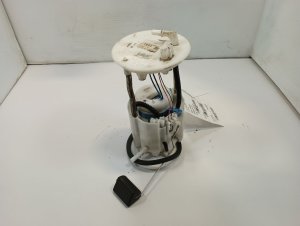
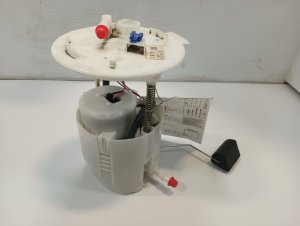
- Examine the Fuel Level Sender: The fuel level sender consists of a float attached to a metal arm. Ensure the arm moves freely and isn't bent or damaged. A damaged sender will cause an inaccurate fuel gauge reading.
- Look at the Strainer: The strainer, or filter sock, at the bottom of the pump should be present and relatively clean. A heavily discolored or debris-clogged strainer suggests the pump may have been operating in a dirty tank, which can shorten its life.
- Avoid Fire-Damaged Units: Never purchase a fuel pump from a vehicle that was involved in a fire. The heat can damage the internal components and plastic housing, making it unsafe to use.
Pro Tip: When buying a used pump, it's wise to also purchase a new fuel tank gasket or seal. These seals are often compressed and may not seal properly when reused, leading to fuel smells or leaks.
Cost Comparison for CX-9 Fuel Pump Replacement
| Part Type | Estimated Cost | Notes |
|---|---|---|
| New OEM | $340 - $520 | Price from Mazda dealerships or online OEM suppliers. Offers guaranteed fitment and warranty. |
| New Aftermarket | $150 - $300 | Prices vary widely by brand. Quality can be inconsistent compared to OEM. |
| Used OEM | $75 - $200 | A cost-effective option providing original factory quality, provided it's inspected carefully. |
| Shop Labor | $140 - $210 | Labor costs can vary by location and shop. The job is relatively straightforward for a mechanic. |
Replacement Overview
Replacing the fuel pump on a Mazda CX-9 is generally considered a moderately difficult job for a DIY mechanic. Access to the pump is typically located under the rear seat, so the fuel tank does not need to be dropped.
- Difficulty Rating: 3 out of 5
- Estimated Time: 1.5 - 2.5 hours
- DIY Feasible: Yes, for those comfortable working with fuel systems.
Warning: Always work in a well-ventilated area, disconnect the battery, and relieve fuel system pressure before starting this repair. Gasoline is highly flammable.
Frequently Asked Questions (FAQ)
Is it safe to drive with a failing fuel pump?
No. A failing fuel pump can cause the engine to stall at any time, including at high speeds, which creates a significant crash risk. If you suspect your fuel pump is failing, you should have the vehicle inspected and repaired as soon as possible.
Do I need to replace the whole assembly or just the pump motor?
It is highly recommended to replace the entire fuel pump module (the assembly). The assembly includes the pump, strainer, fuel level sender, and housing. These components are designed to work together, and replacing only the motor can be difficult and may not solve issues related to the sender or a clogged internal filter.
My 2020 CX-9 is stalling. Is it part of the recall?
Based on NHTSA documents, the recall for the CX-9 specifically covers the 2018 and 2019 model years. While your 2020 model is not listed in that specific recall, it could still have a faulty fuel pump. The symptoms should be diagnosed by a qualified technician.
How can I check if the recall work was done on a used CX-9 I want to buy?
You can enter the vehicle's 17-digit VIN into the official NHTSA recall website (nhtsa.gov/recalls) or Mazda's recall information site. This will show any open (unrepaired) recalls for that specific vehicle.
Helpful Videos

Technical Specifications
OEM Part Numbers: CA4113280 CA4113350 CA431335X PYFM1335X PYFM1335XA
The fuel pump is a low-pressure, in-tank electric pump assembly. It is part of a dual-pump system, feeding a high-pressure pump on the engine. The assembly includes the pump motor, fuel level sending unit, and strainer.
We Have This Part in Stock

The information in this article is provided for general reference and educational purposes only. Vehicle specifications, procedures, and part compatibility can vary by production date, trim level, and region. Always consult your vehicle's factory service manual and verify part numbers before purchasing or performing repairs. Safety-critical components such as airbags, seat belts, and braking systems should be installed by a qualified professional.
- Mazda CX-9:
- 🎬 Helpful Videos
- 🛍️ Shop This Part
- Known Issues, Recalls, and Technical Service Bulletins (TSBs)
- CRITICAL: Fuel Pump Recall (2018-2019 CX-9)
- Technical Service Bulletin (TSB) 01-003/18
- Symptoms of a Failing Fuel Pump
- Buying a Used Fuel Pump: What to Check
- Cost Comparison for CX-9 Fuel Pump Replacement
- Replacement Overview
- Frequently Asked Questions (FAQ)
- 🎟️ Get 5% Off