

2023-2025 Mazda 3 Fuel Pump: FWD vs. AWD and Critical Part Number Guide
This guide covers the common failure symptoms and critical compatibility differences for the 2023-2025 Mazda 3 low-pressure fuel pump.
- The part number PX9R-13-35X is ONLY for Front-Wheel Drive (FWD), Japan-built models; AWD and Mexico-built cars require different parts.
- Common failure symptoms include engine hesitation, difficulty starting, a whining noise from the fuel tank, and eventual engine stalling.
- There is no active fuel pump recall for 2023-2025 models, but older Mazda 3s were recalled for pump failures, indicating a potential weak point.
- When buying a used pump, inspect the electrical connector for heat damage and verify the float arm for the fuel gauge is intact.
Compatibility Warning: FWD, AWD, and Build Location Matter
Before purchasing a replacement fuel pump for a 2023-2025 Mazda 3, it is crucial to verify your vehicle's specifications. The most common OEM part number, PX9R-13-35X, is specifically for Front-Wheel Drive (FWD) models built in Japan.
Warning: All-Wheel Drive (AWD) models use a different fuel pump assembly and tank design. Additionally, vehicles built in Mexico may require different parts. Installing the incorrect fuel pump can lead to it not fitting, not functioning, or causing fuel delivery issues. Always verify compatibility using your vehicle's VIN.
Symptoms of a Failing Fuel Pump
A failing fuel pump rarely stops working without warning. It typically provides several clues that it is wearing out. Recognizing these signs can prevent you from being stranded.
🎬 Watch: See and hear these common fuel pump failure signs.- Engine Hesitation or Sputtering: The vehicle may jerk or sputter during acceleration, especially under heavy load or at high speeds. This happens because the weak pump cannot supply the extra fuel the engine demands.
- Difficulty Starting: The engine may take longer than usual to start, requiring extended cranking. A weak pump struggles to build enough pressure in the fuel lines for the engine to fire up quickly.
- Loss of Power: Your Mazda 3 may feel sluggish and unresponsive, particularly when going uphill or trying to accelerate quickly. This is a direct result of the engine being starved of fuel.
- Loud Whining Noise: A distinct, high-pitched whining or humming sound may be heard coming from the rear of the vehicle, near the fuel tank. This is the sound of the electric motor inside the pump straining to work. A healthy pump should only make a quiet hum for a few seconds when you first turn the key.
- Engine Stalling: In severe cases, the engine may stall unexpectedly, sometimes at low speeds or even while driving. This indicates a critical drop in fuel pressure.
- Decreased Fuel Efficiency: A failing pump may cause the engine to run inefficiently, leading to a noticeable drop in your average miles per gallon (MPG).
Known Issues, TSBs, and Recalls
As of early 2026, there are no active fuel pump-specific recalls or Technical Service Bulletins (TSBs) for the 2023-2025 Mazda 3. The most prominent recent recalls for these models concern the airbag control module and the rearview camera.
However, it is important to note that Mazda has issued fuel pump recalls for prior model years. Notably, recall NHTSA 21V875000 affected the 2018 Mazda 3, among other models, for an impeller inside the low-pressure fuel pump that could crack and cause the pump to fail, leading to an engine stall. While this does not apply to the 2023-2025 models, it shows a history of this component type being a point of failure for the manufacturer.
Pro Tip: Before assuming the fuel pump is bad, it's wise to check the fuel pump relay and fuse. A simple electrical issue can mimic the symptoms of a complete pump failure and is much cheaper and easier to fix.
🎬 Watch: How to test if your fuel pump is actually bad.Buying a Used Fuel Pump: What to Inspect
A low-mileage, used OEM fuel pump can be a reliable and cost-effective alternative to an expensive new part. However, careful inspection is key.
- Verify the Part Number: Double-check that the part number on the used unit matches what is required for your vehicle's specific configuration (FWD/AWD, build location). For FWD Japan-built models, look for PX9R-13-35X.
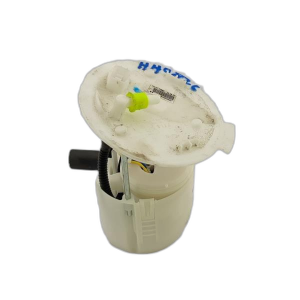
- Inspect the Electrical Connector: Look closely at the electrical connector on top of the pump assembly. The pins should be straight, clean, and free of any corrosion or signs of overheating (discoloration, melted plastic). A damaged connector is a major red flag.
- Check the Plastic Housing: The entire assembly is made of plastic. Inspect it carefully for any cracks, especially around the top hat where the lines connect and where it seals against the tank. A cracked housing can cause dangerous fuel leaks.
- Examine the Fuel Level Sender: The fuel level sender is the component with a float arm attached. Ensure the arm moves freely and isn't bent or damaged. This is what tells your fuel gauge how much gas is in the tank.
- Source from a Reputable Seller: Purchase from a seller that provides information about the donor vehicle, such as mileage. A pump from a low-mileage vehicle is always preferable.
Cost Comparison
| Part Type | Estimated Cost |
|---|---|
| New OEM (Dealer) | $370 - $530 |
| New Aftermarket | $150 - $300 |
| Used OEM | $75 - $175 |
| Shop Labor | $225 - $350 |
Replacement Overview
Replacing the fuel pump on a Mazda 3 is a moderately difficult job that can be done by a skilled DIYer. Access to the pump is typically gained by removing the rear seat bottom cushion.
- Relieve Fuel Pressure: This is a critical safety step. Usually done by pulling the fuel pump fuse or relay and running the engine until it stalls.
- Disconnect the Battery: Disconnect the negative battery terminal to prevent any sparks.
- Remove the Rear Seat: The bottom cushion of the rear seat usually pops out by releasing clips at the front edge.
- Access the Pump: Under the seat, there will be a metal or plastic access cover. Removing this cover reveals the top of the fuel pump assembly.
- Disconnect Lines and Wires: Carefully disconnect the electrical connector and the fuel lines. Be prepared for some residual fuel to spill.
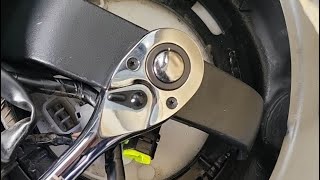
- Remove the Retaining Ring: A large plastic or metal ring holds the pump in place. A special tool is recommended, but it can sometimes be carefully tapped loose with a hammer and a brass punch (to avoid sparks).
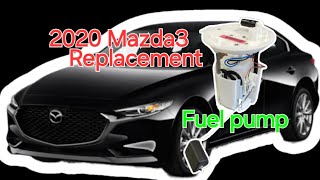
- Remove and Install Pump: Carefully lift the old pump out of the tank, being mindful not to damage the float arm. Installation is the reverse of removal, ensuring the new gasket is seated correctly. 🎬 See this step-by-step walkthrough for replacing the fuel pump assembly.
Warning: Working with gasoline is extremely dangerous. Ensure you are in a well-ventilated area, have a fire extinguisher nearby, and avoid any sources of sparks or open flames.
Frequently Asked Questions (FAQ)
Do I need to replace the whole fuel pump assembly?
Yes. The fuel pump, fuel pressure regulator, level sender, and filter are typically integrated into a single module. For this vehicle, you must replace the entire assembly.
Can I drive with a failing fuel pump?
It is not recommended. A failing pump can cause the engine to stall at any time, including at high speeds, which poses a significant safety risk. If you notice symptoms, it's best to get the vehicle serviced as soon as possible.
Will a bad fuel pump always trigger a Check Engine Light?
Not always, especially in the early stages of failure. Symptoms like hesitation or a whining noise can appear before the problem is severe enough for the car's computer to register a fault code. However, a failing pump can lead to codes related to lean fuel mixtures or engine misfires.
Is the fuel filter separate on the 2023-2025 Mazda 3?
No, the primary fuel filter or strainer is integrated into the in-tank fuel pump module. It is a non-serviceable part that gets replaced along with the entire assembly.
Helpful Videos
Technical Specifications
OEM Part Numbers: PX9R-13-35X PX9R1335X
This is the in-tank low-pressure fuel pump assembly, which includes the pump, sending unit (fuel level sensor), and integrated fuel filter/strainer.
We Have This Part in Stock

The information in this article is provided for general reference and educational purposes only. Vehicle specifications, procedures, and part compatibility can vary by production date, trim level, and region. Always consult your vehicle's factory service manual and verify part numbers before purchasing or performing repairs. Safety-critical components such as airbags, seat belts, and braking systems should be installed by a qualified professional.
- Mazda MAZDA 3: