

2005-2006 Mazda Tribute Fuel Pump: Stalling & No-Start Issues (And Why It Might Be the Driver Module)
This guide covers common failure symptoms, diagnosis, and the critical Fuel Pump Driver Module that is often the real cause of fuel delivery problems.
- ALWAYS check the Fuel Pump Driver Module (FPDM) before replacing the fuel pump. It is mounted to the frame above the rear axle and often fails from corrosion, mimicking a bad pump.
- Replacement is easier than on most vehicles; the pump is accessed through a panel under the rear seat, so the fuel tank does NOT need to be dropped.
- This pump fits both the 2.3L and 3.0L gasoline engines but does NOT fit Hybrid models.
- Symptoms include stalling, no-start, loss of power, and a whining noise from the tank area.
Is It Your Fuel Pump or the Fuel Pump Driver Module?

Warning: Before you replace the fuel pump on your 2005-2006 Mazda Tribute or the mechanically identical Ford Escape, you MUST inspect the Fuel Pump Driver Module (FPDM). A failed FPDM will cut power to the fuel pump, perfectly mimicking the symptoms of a dead pump. Many pumps are replaced unnecessarily when this module is the actual problem.
The FPDM is a small electronic box mounted to the vehicle's frame, typically located above the rear axle on the driver's side. Its job is to control the voltage sent to the fuel pump. Unfortunately, Ford and Mazda mounted this aluminum module directly to the steel frame. This causes galvanic corrosion, which cracks the module's housing, allows water and salt inside, and destroys the electronics. If you are experiencing a no-start or stalling condition, locate and inspect this module first. 🎬 Watch: How to find and inspect your fuel pump module. If the back of it is corroded or cracked, it is almost certainly the cause of your problem.
Symptoms of a Failing Fuel Pump

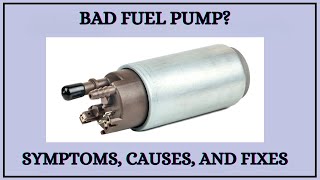
When the fuel pump or its related components begin to fail, your Tribute will exhibit several warning signs. Because the FPDM can cause the exact same symptoms, these signs indicate a fuel *delivery* problem that requires further diagnosis.
- Engine Sputtering or Hesitation: The vehicle may jerk or sputter, especially at highway speeds or when accelerating. This happens when the pump can't supply the extra fuel the engine demands.
- Loss of Power Under Load: A noticeable drop in power when driving uphill, towing, or accelerating hard is a classic sign of a weak fuel pump struggling to keep up.
- Difficulty Starting or Long Crank Time: The engine may turn over for an extended period before it starts. This can be caused by the pump failing to build up enough pressure in the fuel lines when the car is off.
- Engine Stalling: The engine may stall unexpectedly, often at low speeds or while idling. It might restart after cooling down for a few minutes, which can indicate an overheating pump motor.
- Whining Noise from the Fuel Tank: A loud whining or buzzing sound from the rear of the vehicle is a common sign of a struggling fuel pump motor. A healthy pump should make a quiet hum for a few seconds when you first turn the key.
- Sudden Engine Surges: The vehicle might unexpectedly lurch or accelerate without you pressing the gas pedal harder. This can be caused by the pump delivering inconsistent pressure.
- Complete No-Start: The engine will crank but will not fire. This happens when the pump has failed completely or is receiving no power from a failed FPDM or relay.
Diagnosing the Fuel System

If you suspect a fuel delivery issue, follow these steps to narrow down the cause:
- Check the Fuel Pump Driver Module (FPDM): As mentioned, this is the most common point of failure. Visually inspect it for corrosion and damage. If it looks bad, it probably is.
- Listen for the Pump: Have a helper turn the ignition key to the "ON" position (without starting the engine). You should hear a faint humming or buzzing sound from the fuel tank area for 2-3 seconds as the pump primes the system. If you hear nothing, it points to a lack of power (FPDM, fuse, relay) or a dead pump.
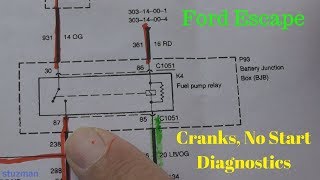
- Check Fuses and Relays: Consult your owner's manual to locate the fuel pump fuse and relay in the vehicle's fuse box. A blown fuse or faulty relay can cut power to the pump. A fuse that repeatedly blows suggests the pump is drawing too much current and is about to fail.
- Check the Inertia Switch: These vehicles are equipped with an inertia switch that cuts power to the fuel pump in a collision. It's usually located in the passenger footwell. If it has been tripped (often by a sharp jolt or bump), the button will be raised. Pressing it back down will restore power.
Pro Tip: A simple way to confirm a fuel vs. spark issue is to spray a small amount of starting fluid into the engine's air intake. If the engine fires up for a second and then dies, it confirms you have spark but are not getting fuel, pointing you back to the fuel system.
🎬 See this step-by-step guide for diagnosing a no-start condition.Buying a Used 2005-2006 Tribute Fuel Pump

A quality, low-mileage used OEM fuel pump can be a reliable and cost-effective alternative to expensive new parts. Here’s what to look for:
- Verify Compatibility: This fuel pump assembly fits both the 2.3L 4-cylinder and 3.0L V6 gasoline engines for 2005-2006. It will NOT fit Hybrid models. It is also directly interchangeable with the 2005-2006 Ford Escape fuel pump. Match OEM part numbers whenever possible.
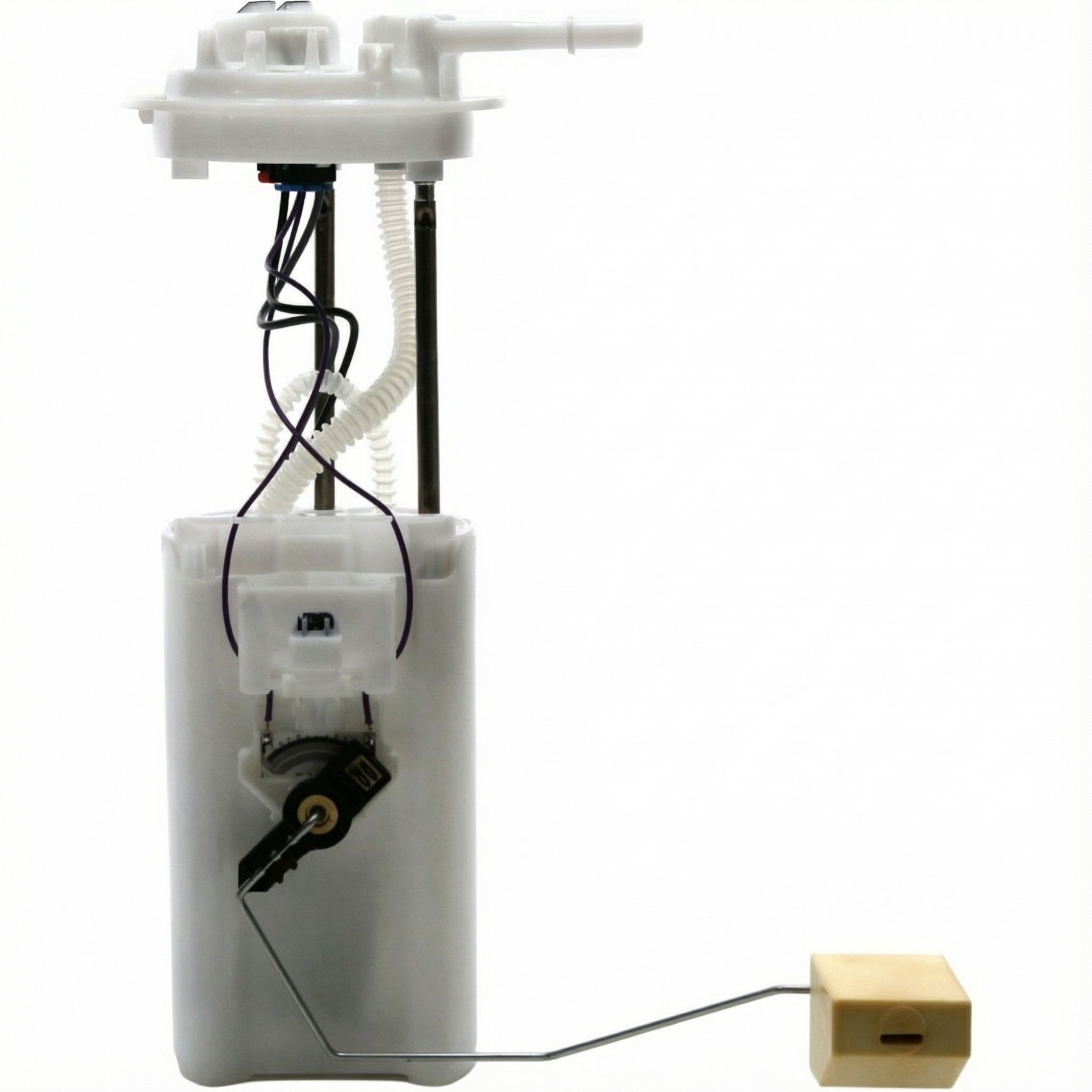
- Physical Inspection: Carefully inspect the entire assembly. Look for cracks in the plastic top hat, especially around the fuel line ports and the electrical connector. Ensure the electrical pins are clean and free of corrosion.
- Check the Float Arm: The fuel level sending unit has a metal rod with a float on the end. Make sure this arm is present, straight, and moves freely. A bent or damaged arm will cause your fuel gauge to read incorrectly.
- Look for Red Flags: Avoid any pump that shows signs of heavy rust on the metal components, brittle-looking plastic, or cut/spliced wires. These are signs of a hard life or improper removal.
- Why Used OEM is a Good Choice: Original Equipment (Ford/Mazda) pumps are built to a higher quality standard than many cheap aftermarket alternatives. The plastics, wiring, and internal pump motor are designed for longevity. A used OEM pump is often more reliable than a brand new, low-cost aftermarket unit which are known for premature failure.
Replacement Overview
Replacing the fuel pump on a 2005-2006 Mazda Tribute is surprisingly straightforward for a DIYer because the fuel tank does not need to be removed. Access is through a panel under the rear seat.
- Location: The access panel is under the rear seat, on the driver's side.
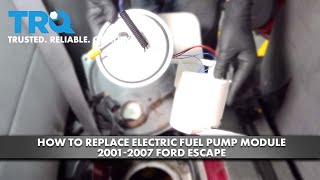
- Procedure: The process involves flipping up the rear seat cushion, removing a metal access cover (usually 4 screws), disconnecting the electrical connectors and fuel lines, and then unscrewing the large plastic lock ring that holds the pump assembly in the tank. The pump can then be carefully lifted out. 🎬 Watch: A complete walkthrough of the fuel pump replacement process.
- Safety First: Always disconnect the negative battery terminal before starting. Work in a well-ventilated area and have a fire extinguisher handy. Gasoline and its vapors are extremely flammable.
| Part/Service | Estimated Cost |
|---|---|
| New OEM (Dealer) | $785 - $900 |
| New Aftermarket | $100 - $250 |
| Used OEM | $50 - $125 |
| Shop Labor Cost | $150 - $300 |
Frequently Asked Questions (FAQ)
Do I have to drop the fuel tank to replace the fuel pump?
No. Thankfully, the 2005-2006 Mazda Tribute has an access panel under the rear driver's side seat, which allows you to replace the pump from inside the vehicle without removing the tank.
Will a Ford Escape fuel pump fit my Mazda Tribute?
Yes. The 2005-2006 Mazda Tribute and Ford Escape are mechanically identical. A fuel pump from the same year range and engine type (gasoline, non-hybrid) will fit and function correctly.
What is the Fuel Pump Driver Module (FPDM) and why does it fail?
The FPDM is a computer that controls the speed of the fuel pump. It's located on the frame near the rear axle. It fails because its aluminum body corrodes when mounted directly against the vehicle's steel frame, allowing water to get inside and destroy the electronics. This is a very common failure and should be the first thing you check.
Can I just replace the pump motor instead of the whole assembly?
While it is sometimes possible to buy just the small motor, it is not recommended. The assembly includes the fuel level sender and the strainer, which can also wear out. Replacing the entire module is more reliable and ensures all components are new and working together correctly.
Helpful Videos
Technical Specifications
OEM Part Numbers: 5L8Z9H307A 6L8Z9H307BA 7L8Z9H307B L3H51335X L3TT1335X ZZC11335XA
This is a complete fuel pump module assembly including the pump, sending unit, and strainer. It is designed for gasoline engines only. It is controlled by an external Fuel Pump Driver Module (FPDM).
We Have This Part in Stock

The information in this article is provided for general reference and educational purposes only. Vehicle specifications, procedures, and part compatibility can vary by production date, trim level, and region. Always consult your vehicle's factory service manual and verify part numbers before purchasing or performing repairs. Safety-critical components such as airbags, seat belts, and braking systems should be installed by a qualified professional.
- Mazda Tribute: