

2018-2025 Mitsubishi Eclipse Cross Fuel Pump: Failure Symptoms, Diagnosis, and Replacement Costs
Diagnose a failing fuel pump in your Eclipse Cross with common symptoms and OBD-II codes, and understand the costs before you buy a replacement.
- There are no fuel pump recalls for the 2018-2025 Eclipse Cross; failures are due to normal wear or electrical issues.
- The most common symptoms are engine cranking with no start, stalling, hesitation on acceleration, and a whining noise from the fuel tank.
- A Check Engine Light with code P0087 (Fuel Rail/System Pressure - Too Low) is a strong indicator of a failing fuel pump.
- A used OEM pump is often a more reliable and cost-effective choice than a cheap new aftermarket unit, provided it is inspected carefully.
Known Issues and Recalls for 2018-2025 Eclipse Cross Fuel Pumps
As of early 2026, there are no active safety recalls from the National Highway Traffic Safety Administration (NHTSA) for the fuel pump on any 2018-2025 Mitsubishi Eclipse Cross in the North American market. While other Mitsubishi models have had fuel pump recalls for issues like stalling, the Eclipse Cross is not included. However, owners have reported issues that mimic fuel pump failure, such as intermittent starting or stalling, which were traced back to simpler electrical problems like a loose connector at the pump assembly or a faulty fuel pump relay.
Symptoms of a Failing Fuel Pump
A failing fuel pump can cause a range of engine performance problems. These symptoms often start subtly and worsen over time. If you experience any of the following, your fuel pump may be nearing the end of its life.
- Engine Cranks but Won't Start: This is the most definitive sign of a completely failed fuel pump. The engine turns over, but it never fires up because it's not receiving any fuel.
- Hesitation or Sputtering on Acceleration: When you press the gas pedal, the vehicle may stumble or jerk before picking up speed. This happens because the weak pump can't supply the extra fuel the engine demands.
- Sudden Stalling: The engine may die unexpectedly while driving, sometimes after it has warmed up. This is a significant safety risk, as it can happen at any speed.
- Loss of Power: The vehicle may feel sluggish, especially when climbing hills or carrying heavy loads. The engine isn't receiving enough fuel to produce full power.
- Loud Whining or Humming Noise: A noticeable, high-pitched whine coming from the rear of the vehicle (near the fuel tank) is a classic sign of a struggling fuel pump motor. You may hear it most clearly when you first turn the key to the 'on' position.
- Check Engine Light with Code P0087: If the fuel pressure drops below the required minimum, the Engine Control Module (ECM) will often trigger the Check Engine Light and store the diagnostic trouble code P0087 (Fuel Rail/System Pressure - Too Low). This is a strong indicator that points directly to a problem in the fuel delivery system, with the fuel pump being a primary suspect.
Pro Tip: Before assuming the pump has failed, check the simple things first. A blown fuel pump fuse or a bad fuel pump relay can create the exact same no-start symptoms. These are much cheaper and easier to replace.
Buying a Used Fuel Pump for Your Eclipse Cross
A recycled OEM fuel pump assembly can be a smart, cost-effective alternative to an expensive new unit. Because the fuel pump is an electrical and mechanical part, careful inspection is key to getting a reliable component.
What to Inspect Before You Buy
- Verify the Part Number: Ensure the used part is OEM number 1760A621 to guarantee correct fitment and function for your 2018-2025 Eclipse Cross.
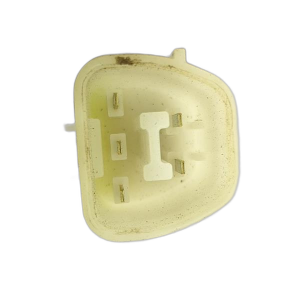
- Check the Electrical Connector: Look closely at the main electrical plug on top of the assembly. The pins should be clean and straight, with no signs of melting, browning, or corrosion. A damaged connector suggests the pump was overheating or had a poor connection, which could have damaged the motor.
- Inspect the Plastic Housing: The white plastic assembly housing should be free of cracks or significant discoloration. A crack can cause fuel leaks or pressure loss.
- Examine the Fuel Level Sender: Check that the float arm moves freely and isn't bent or broken. This part tells your fuel gauge how much gas is in the tank, and it's part of the complete assembly.
- Ask for Donor Vehicle Mileage: A pump from a lower-mileage vehicle is always preferable. While a well-made pump can last over 100,000 miles, choosing one with less wear increases its potential lifespan.
- Why Used OEM is Often Better: For a critical component like a fuel pump, a used OEM (Original Equipment Manufacturer) part is often more reliable than a cheap, new aftermarket alternative. The OEM unit was built to Mitsubishi's specific standards for materials, flow rate, and durability. Many low-cost aftermarket pumps fail prematurely, leaving you stranded again.
Cost Comparison for Eclipse Cross Fuel Pump Replacement
Prices can vary by location and supplier, but this table provides a general estimate of what you can expect to pay for the part and installation.
| Part or Service | Estimated Cost |
|---|---|
| New OEM (Dealer) | $740 - $1,016 |
| New Aftermarket (Assembly) | $175 - $350 |
| Used OEM (Recycled) | $75 - $125 |
| Shop Labor | $100 - $175 |
Replacement Overview and Difficulty
Replacing the fuel pump on a 2018-2025 Eclipse Cross is a moderately difficult job that a skilled DIY mechanic can perform. The primary challenges involve working safely with gasoline and accessing the pump.
- Difficulty Rating: 3 out of 5
- Location: The fuel pump assembly is located in the fuel tank, accessible through a panel under the rear seat cushion.
- General Steps:
- Disconnect the negative battery terminal.
- Relieve the fuel system pressure to prevent spills.
- Remove the rear seat bottom cushion.
- Remove the metal access cover plate.
- Disconnect the electrical connector and the fuel line. Be prepared with a rag to catch any residual fuel.
- Unscrew the nuts on the retaining plate and carefully lift the entire fuel pump assembly out of the tank.
- Installation is the reverse of removal. Always use a new gasket or seal for the retaining plate to prevent fuel leaks and fumes.
Warning: Always work in a well-ventilated area and away from any open flames or sparks. Gasoline and its fumes are extremely flammable. It is also recommended to have less than half a tank of fuel to minimize fumes and spill risk.
Frequently Asked Questions (FAQ)
Is there a recall on the fuel pump for the Mitsubishi Eclipse Cross?
No. As of early 2026, there are no fuel pump-related safety recalls for the 2018-2025 Mitsubishi Eclipse Cross in the United States.
Can I just replace the fuel pump motor instead of the whole assembly?
While it is sometimes possible to buy just the internal motor, it is not recommended. The complete assembly includes the fuel filter, strainer, pressure regulator, and fuel level sender. These components wear out and can get clogged. Replacing the entire assembly ensures all related parts are new and functioning correctly, preventing a repeat failure due to a clogged filter.
What is the most common OBD-II code for a bad fuel pump on this car?
The most common code is P0087, which means "Fuel Rail/System Pressure - Too Low." This code specifically indicates that the engine's computer has detected that the fuel pressure is below the minimum required level to run properly.
My car won't start, but I don't hear a whining noise. Could it still be the fuel pump?
Yes. A whining noise is a symptom of a pump that is wearing out but still running. A completely dead pump often makes no noise at all. A simple test is to have a friend turn the ignition key to the 'on' position (without starting the engine) while you listen with your ear near the fuel tank. You should hear a faint 2-second buzz or hum as the pump primes the system. If you hear nothing, the pump is likely not getting power or has failed completely.
Technical Specifications
OEM Part Numbers: 1760A621
In-tank low-pressure fuel pump assembly with integrated fuel level sender and filter. Designed for All-Wheel Drive (AWD) models.
We Have This Part in Stock

The information in this article is provided for general reference and educational purposes only. Vehicle specifications, procedures, and part compatibility can vary by production date, trim level, and region. Always consult your vehicle's factory service manual and verify part numbers before purchasing or performing repairs. Safety-critical components such as airbags, seat belts, and braking systems should be installed by a qualified professional.
- Mitsubishi Eclipse Cross:
- 🛍️ Shop This Part
- Known Issues and Recalls for 2018-2025 Eclipse Cross Fuel Pumps
- Symptoms of a Failing Fuel Pump
- Buying a Used Fuel Pump for Your Eclipse Cross
- What to Inspect Before You Buy
- Cost Comparison for Eclipse Cross Fuel Pump Replacement
- Replacement Overview and Difficulty
- Frequently Asked Questions (FAQ)
- 🎟️ Get 5% Off