

2016-2025 Prius, Corolla, & Lexus UX Fuel Pump: Stalling Issues and Recall Guide
This guide covers the widespread Denso fuel pump failure affecting many Toyota and Lexus hybrids, including the Prius, Prius Prime, Corolla Hybrid, and Lexus UX250h/UX300h, detailing symptoms, recall information, and replacement costs.
- A massive safety recall (NHTSA 20V-682) affects many of these vehicles due to a defective Denso fuel pump that can cause engine stalling.
- Before buying a used pump, you MUST verify it is the updated, post-recall part or from a non-recalled vehicle.
- Key symptoms of failure include engine stalling, hesitation at high speeds, difficulty starting, and a whining noise from the fuel tank area.
- Replacement is an intermediate-level DIY job, but involves working with gasoline and requires strict safety precautions.
Known Issues, Recalls, and Technical Service Bulletins (TSBs)
The most significant issue affecting the fuel pumps in these vehicles is a widespread safety recall concerning defective low-pressure fuel pumps manufactured by Denso. This issue has led to multiple class-action lawsuits and a massive recall campaign by Toyota and Lexus.
Safety Recall 20V-682: Fuel Pump May Fail
A large number of 2017-2020 Toyota and Lexus vehicles, including the Prius, Prius Prime, Corolla, and Lexus UX models, are covered under NHTSA recall 20V-682 (Toyota recall numbers 20TA02 and 20LA01). The core of the problem is the fuel pump's impeller, a small spinning part, which was manufactured with a lower density than specified. This defect can cause the impeller to absorb excessive fuel, deform, and interfere with the pump body. This interference can lead to the fuel pump stopping operation entirely.
If the fuel pump fails, the engine can stall while driving, which significantly increases the risk of a crash. Toyota's remedy is to replace the entire fuel pump assembly with an improved part, free of charge to the vehicle owner. You can check if your specific vehicle is affected by visiting the NHTSA or manufacturer recall websites and entering your Vehicle Identification Number (VIN).
TSB #23TE05
For the 2020 Toyota Corolla Hybrid, Technical Service Bulletin #23TE05 was announced on February 9, 2023. This TSB relates to a court-approved settlement of claims for certain low-pressure fuel pumps, directly tied to the recall issue.
Symptoms of a Failing Fuel Pump
A failing fuel pump will typically give several warning signs before it stops working completely. Recognizing these symptoms early can prevent you from being stranded.
- Engine Stalling: This is the most dangerous symptom. The engine may suddenly shut off while driving, especially at lower speeds, but it can also happen on the highway. The vehicle may or may not restart after stalling.
- Engine Sputtering or Hesitation: You may notice the engine sputtering, surging, or hesitating, particularly at highway speeds. This happens because the failing pump can't maintain consistent fuel pressure to meet the engine's demands.
- Difficulty Starting: The engine may take longer than usual to start, or it may crank without starting at all. This is because the pump isn't building enough pressure to deliver fuel for combustion.
- Loss of Power: The vehicle may feel sluggish and struggle to accelerate, especially when going uphill or under heavy load.
- Whining Noise from Fuel Tank: A failing fuel pump motor can produce a noticeable whining or humming sound from the rear of the vehicle where the fuel tank is located.
- Check Engine Light: The vehicle's computer may detect a problem with fuel pressure and illuminate the Check Engine Light. Common trouble codes include P0087 (Fuel Rail/System Pressure - Too Low).
Buying a Used Fuel Pump: What to Check
Given the widespread recall, purchasing a used fuel pump for these vehicles requires extra caution. A used OEM part can be a cost-effective alternative to a new one, but only if you can verify its history and condition.
Key Considerations:
- Verify Recall Completion: This is the most critical step. Do not purchase a used fuel pump unless the seller can provide proof (e.g., a VIN and dealer service records) that the part is the updated, post-recall version or was removed from a vehicle that was not part of the recall. A part from a recalled vehicle that has not been fixed is guaranteed to have the same defect.
- Match Part Numbers Exactly: Toyota and Lexus use many different fuel pump assemblies depending on the model, year, and drivetrain (FWD, AWD, or Plug-in Hybrid). The provided part numbers are a starting point, but you must match the number from your original pump to the used replacement. For example, part number 77020-76021 supersedes 77020-76020 for the Lexus UX250h and UX300h. Part 23210-24010 is listed for the 2023-2025 Prius (non-PHEV). Do not rely on visual similarity alone.
- Inspect the Electrical Connector: Check the connector pins for any signs of corrosion, melting, or damage. A poor electrical connection can mimic the symptoms of a failing pump.
- Check the Strainer: The fuel pump includes a strainer or 'sock' filter. A heavily contaminated or dark-colored strainer indicates it was used in a vehicle with a dirty fuel tank, which can shorten the pump's life.
- Mileage is a Factor: While modern fuel pumps are durable, lower mileage is always better. Try to find a part from a vehicle with less than 80,000 miles.
Pro Tip: Always replace the fuel tank seal/gasket when replacing the pump. This is a one-time-use part that prevents fuel leaks and vapor smells in the cabin. It is an inexpensive part that provides crucial peace of mind.
Replacement Difficulty and Labor
Replacing the fuel pump on these vehicles is an intermediate-level job that requires handling flammable gasoline and taking proper safety precautions.
- Difficulty Rating: 3 out of 5
- Estimated Time: 2-4 hours
- DIY Feasible: Yes, for experienced DIY mechanics.
The fuel pump is located inside the fuel tank and is typically accessed by removing the rear seat cushion and opening a service cover on the vehicle floor. The process involves disconnecting the battery, relieving fuel pressure, carefully disconnecting fuel lines and electrical connectors, and removing a locking ring that secures the pump assembly in the tank. Special tools, such as a fuel line disconnect tool and a lock ring wrench, may be required.
Warning: Working with gasoline is extremely dangerous. Always work in a well-ventilated area, away from any sources of sparks or open flames. Disconnect the 12V battery and have a Class B fire extinguisher nearby.
Cost Comparison
The cost of replacing the fuel pump can vary significantly based on the type of part used and labor rates.
| Part Type | Estimated Cost |
|---|---|
| New OEM (Toyota/Lexus) | $350 - $590 |
| New Aftermarket | $100 - $260 |
| Used OEM | $75 - $270 |
| Shop Labor | $140 - $210 |
| Total Professional Replacement | $850 - $1,100+ |
Frequently Asked Questions (FAQ)
Is my car dangerous to drive if it has a bad fuel pump?
Yes. The primary risk is the engine stalling while you are driving. A sudden loss of power can leave you stranded in a dangerous position and increases the risk of a crash, especially in traffic or at high speeds. It is strongly recommended to have the vehicle repaired as soon as possible.
Will the recall fix my fuel pump for free, even if my car is out of warranty?
Yes. A safety recall is performed at no cost to the owner, regardless of the vehicle's age, mileage, or warranty status. If your vehicle is part of the recall, the dealer will replace the defective fuel pump with the updated part for free.
What is the difference between a Prius and Prius Prime fuel pump?
The fuel systems and pumps can be different. The provided part number 23210-24010 is specified as being for the standard hybrid Prius, 'without PHEV' (Plug-in Hybrid Electric Vehicle). It is crucial to use the exact part number specified for your vehicle's drivetrain to ensure proper function.
Can I just replace the small pump motor instead of the whole assembly?
While some aftermarket companies sell just the pump motor, the OEM part is typically sold as a complete assembly, which includes the pump, sender, strainer, and housing. For a DIY repair, replacing the entire assembly is often easier and more reliable, as it ensures all components are new and compatible. For the recall, the dealer will replace the entire assembly.
Technical Specifications
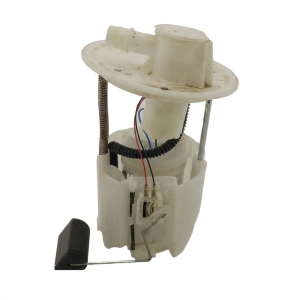
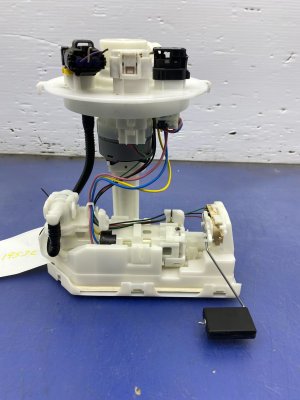
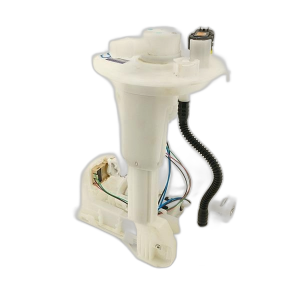
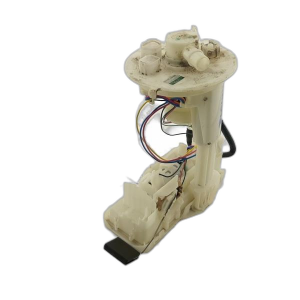
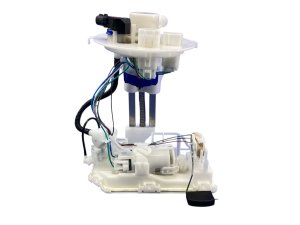
OEM Part Numbers: 77020-76020 77020-76021 23210-24010 77020-47250 77020-12A80 77020-47130 77020-47180 77020-47210 77020-47211 77020-02890
Low-pressure, in-tank electric fuel pump assembly. Specific flow rates and pressure specifications vary by part number and application.
We Have This Part in Stock

The information in this article is provided for general reference and educational purposes only. Vehicle specifications, procedures, and part compatibility can vary by production date, trim level, and region. Always consult your vehicle's factory service manual and verify part numbers before purchasing or performing repairs. Safety-critical components such as airbags, seat belts, and braking systems should be installed by a qualified professional.
- Toyota Prius:
- Lexus UX250h:
- Toyota Corolla:
- Toyota Prius Prime:
- Lexus UX300h:
- 🛍️ Shop This Part
- Known Issues, Recalls, and Technical Service Bulletins (TSBs)
- Safety Recall 20V-682: Fuel Pump May Fail
- TSB #23TE05
- Symptoms of a Failing Fuel Pump
- Buying a Used Fuel Pump: What to Check
- Key Considerations:
- Replacement Difficulty and Labor
- Cost Comparison
- Frequently Asked Questions (FAQ)
- 🎟️ Get 5% Off