

2006-2007 Lucerne & DTS Underhood Fuse Box: Solving Electrical Gremlins & No-Start Issues
This guide covers the diagnosis, replacement, and critical differences of the main engine compartment fuse box for the 2006-2007 Buick Lucerne and Cadillac DTS.
- This fuse box does NOT require programming, making a used OEM part a great value.
- A no-start or stalling condition is a primary symptom, often due to a melted fuel pump relay terminal.
- These cars have TWO fuse boxes; a similar fuel pump issue can happen in the REAR fuse box under the seat, so check both.
- When buying used, inspect carefully for melted plastic around relay sockets and any signs of corrosion.
Symptoms of a Failing Underhood Fuse Box

A problem with the main fuse box can manifest in many ways, from minor annoyances to a car that won't start. Because it supplies power to so many different circuits, symptoms can seem random and unrelated. Look for these common signs:
- Intermittent Electrical Issues: Lights that flicker, a radio that cuts out, or gauges that drop to zero and then come back to life can point to a loose connection or corrosion within the fuse box.
- Dead Components: One or more electrical components may stop working entirely. This could be low-beam headlights, the horn, or the windshield wipers. While a single blown fuse is the most likely cause, if replacing the fuse doesn't solve the problem, the fault may be in the fuse box terminal itself.
- Engine Stalling or No-Start Condition: A common failure point on the 2006-2007 Buick Lucerne and Cadillac DTS is the fuel pump circuit. If the fuse box terminal for the fuel pump relay overheats, it can melt, causing a loss of power to the pump. This will cause the engine to crank but not start, or to stall while driving.
- Visible Damage or Corrosion: A physical inspection may reveal obvious problems. Look for white or green crusty deposits (corrosion), melted plastic around fuse or relay sockets, or black scorch marks.
- Audible Buzzing or Clicking: The fuse box should be silent. Any buzzing or hissing sounds can indicate electrical arcing from a poor connection, which is a serious fire hazard.
Warning: A burning smell coming from the fuse box area is a critical sign of overheating. This indicates an immediate fire risk. Disconnect the battery and do not attempt to drive the vehicle until the issue is resolved.
Crucial Distinction: Front vs. Rear Fuse Box

Both the Buick Lucerne and Cadillac DTS have two separate fuse boxes: one in the engine compartment and one under the rear seat cushion. This article specifically covers the underhood fuse box. Many common electrical issues, particularly those related to the fuel pump, are caused by a well-documented problem with the rear fuse box.
GM issued Technical Service Bulletin (TSB) 15-NA-051 for an issue where the rear seat cushion can press down on the fuel pump relay in the rear fuse box, causing damage and leading to a no-start or stalling condition. Before replacing the underhood fuse box for a fuel-related problem, it is essential to first inspect the rear fuse box and fuel pump relay for signs of damage or contact from the seat above.
Known Issues and Common Failure Points

Fuel Pump Circuit Overheating
The most common failure for this specific fuse box is related to the fuel pump. The high electrical draw of an aging fuel pump can cause the corresponding relay and its terminals in the fuse box to overheat. Over time, this heat can melt the plastic housing and damage the metal terminals, creating a poor connection. This leads to intermittent or total failure of the fuel pump. In many cases, a failing fuel pump will damage the fuse box, and replacing only one of the two parts will lead to a repeat failure.
Buying a Used Fuse Box for Your Lucerne or DTS

Because this fuse box does not require any programming, a used OEM unit is an excellent and affordable repair option. Aftermarket replacements can have quality control issues, so a good, inspected used original part is often a more reliable choice.
Inspection Checklist for a Used Part:
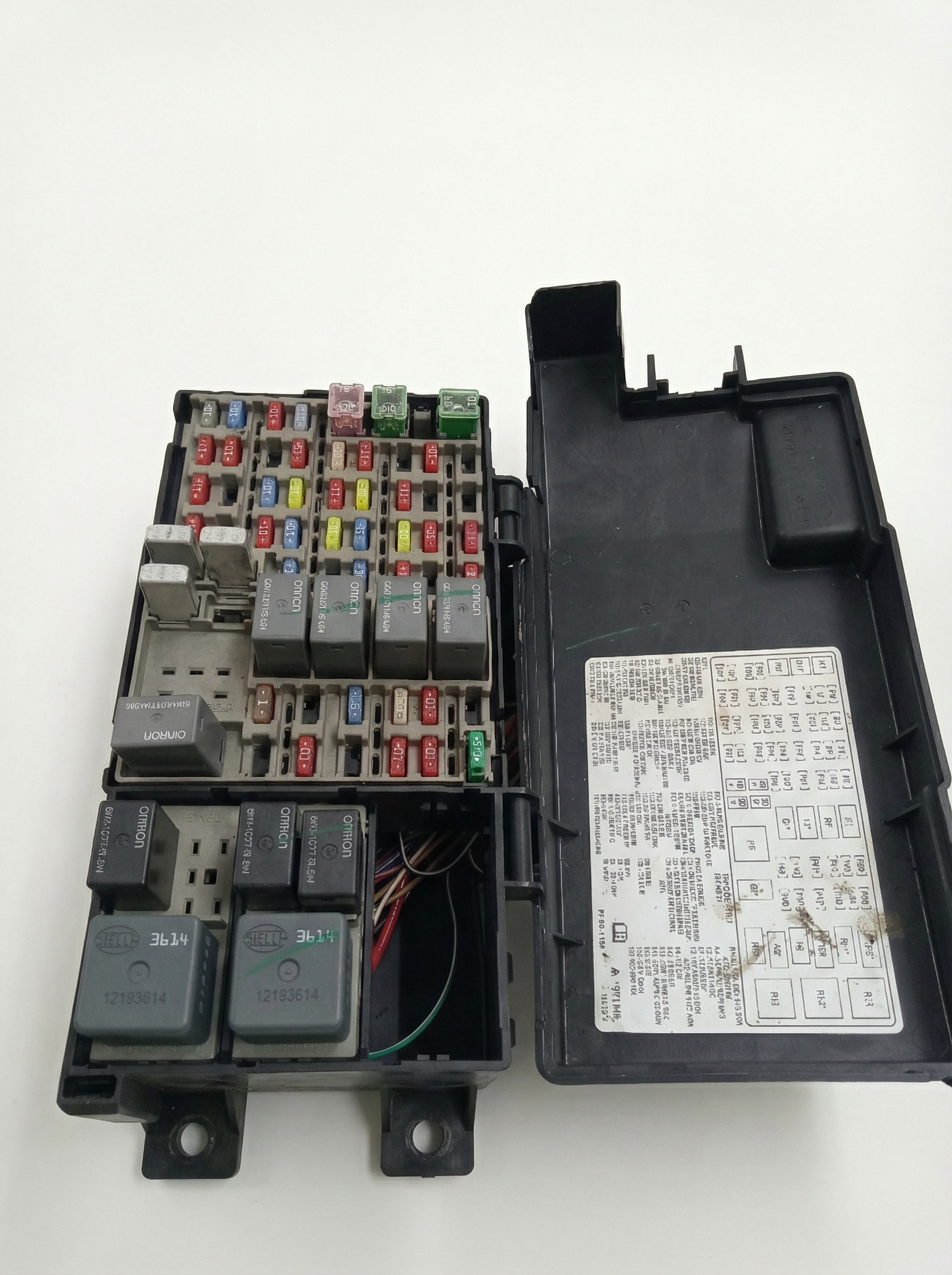
- Check for Heat Damage: Carefully inspect the sockets for all relays, especially the one for the fuel pump. Look for any signs of melted or discolored plastic. This is the number one red flag.
- Look for Corrosion: Examine all the pins and terminals on the top and bottom of the box. There should be no green or white powder-like residue. Corrosion creates resistance and causes electrical problems.
- Verify Physical Integrity: Ensure the plastic housing is not cracked or broken, and that all mounting tabs are intact. The cover should be included and its clips should be functional.
- Match Part Numbers (If Possible): While several part numbers are interchangeable, matching the number on your original unit is the surest way to guarantee compatibility. If you can't, any of the listed OEM numbers for the 2006-2007 model years should work.
Programming and Installation Requirements
Good News for DIYers: The underhood fuse box on the 2006-2007 Buick Lucerne and Cadillac DTS is a simple power distribution center. It does not contain a computer and does not need to be programmed, flashed, or coded to the vehicle. Installation is a direct swap.
Step-by-Step Replacement Guide
- Disconnect the Battery: Always disconnect the negative battery terminal before working on any electrical components. The battery is located under the rear seat.
- Locate the Fuse Box: The fuse box is located in the engine compartment, typically on the passenger side.
- Remove the Cover: Unclip and remove the top cover to expose the fuses and relays.
- Document Everything: Take a clear photo of the top of the fuse box. This will be your reference for making sure all fuses and relays are put back in the correct locations in the new box.
- Disconnect Power Feeds and Connectors: There will be one or more large power cables bolted to the side of the fuse box. Unbolt these. Then, carefully unplug all the electrical connectors from the bottom and sides of the box. They have locking tabs that must be depressed to be released.
- Remove the Fuse Box: Unbolt the fuse box from its mounting bracket and remove it from the vehicle.
- Transfer Fuses and Relays: Place the old and new fuse boxes side-by-side. Using your photo as a guide, carefully transfer every fuse and relay from the old box to the exact same position in the new box. Inspect each fuse as you move it.
- Install the New Box: Bolt the new fuse box into place, reconnect all electrical connectors, and re-attach the main power cables.
- Reconnect and Test: Reconnect the negative battery terminal. Turn the key to the 'On' position and test electrical components (lights, wipers, radio) before attempting to start the engine.
Cost Comparison: New vs. Used
Replacing the underhood fuse box can vary significantly in cost depending on the source of the part.
| Part Source | Estimated Cost |
|---|---|
| New OEM (Dealer) | $450 - $650 |
| New Aftermarket (Dorman 601-228) | $300 - $400 |
| Used OEM (Recycled) | $75 - $150 |
| Shop Labor | $120 - $250 |
Frequently Asked Questions (FAQ)
Do I need to program a replacement fuse box for my Lucerne or DTS?
No. The underhood fuse box for these models does not require any programming or dealer visit after installation. It is a direct-swap component.
Where is the engine fuse box located?
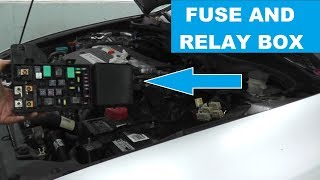
The main fuse box is located in the engine bay, on the passenger side of the vehicle. It is a black plastic box with a removable cover.
My car cranks but won't start. Could it be the fuse box?
Yes, it's a strong possibility. A common failure is a melted terminal for the fuel pump relay within the fuse box, which cuts power to the fuel pump. However, be sure to also inspect the rear fuse box under the seat, as a similar, more common issue occurs there.
Can I just repair the melted terminal instead of replacing the whole box?
While some advanced technicians may attempt to repair a single terminal, it is generally not recommended. The heat that caused the melting often makes the surrounding plastic brittle and compromises the integrity of nearby terminals. A full replacement with a good used or new unit is the most reliable and safest long-term solution.
Helpful Videos
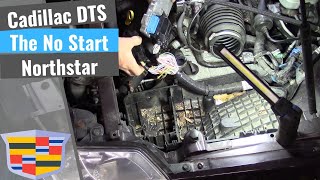
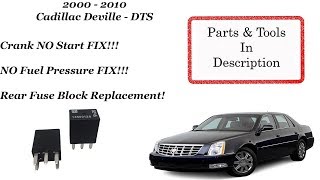
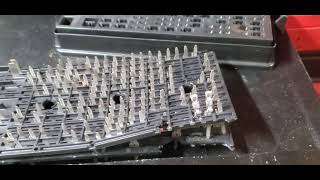
Technical Specifications
OEM Part Numbers: 15812664 15812666 15812667 15947865 15947866 25920479
Houses blade-style mini fuses, J-case fuses, and micro/mini relays. Connects directly to the main battery feed and multiple vehicle wiring harnesses.
We Have This Part in Stock

The information in this article is provided for general reference and educational purposes only. Vehicle specifications, procedures, and part compatibility can vary by production date, trim level, and region. Always consult your vehicle's factory service manual and verify part numbers before purchasing or performing repairs. Safety-critical components such as airbags, seat belts, and braking systems should be installed by a qualified professional.
- Buick Lucerne:
- Cadillac DTS:
- 🎬 Helpful Videos
- 🛍️ Shop This Part
- Symptoms of a Failing Underhood Fuse Box
- Crucial Distinction: Front vs. Rear Fuse Box
- Known Issues and Common Failure Points
- Fuel Pump Circuit Overheating
- Buying a Used Fuse Box for Your Lucerne or DTS
- Inspection Checklist for a Used Part:
- Programming and Installation Requirements
- Step-by-Step Replacement Guide
- Cost Comparison: New vs. Used
- Frequently Asked Questions (FAQ)
- 🎟️ Get 5% Off