

Cadillac CTS Fuse Box (2004-2014): Generations, Water Leaks, and Replacement Guide
This guide covers the critical differences between CTS generations, common failure points like water intrusion, and how to choose the correct used fuse box for your vehicle.
- The 2004-2007 (Gen 1) and 2008-2014 (Gen 2) CTS use completely different fuse boxes that are not interchangeable.
- Water intrusion is the #1 killer of the REAR fuse box in both generations, often from clogged sunroof drains or bad trunk seals.
- You must match the OEM part number exactly, as it depends on options like engine and headlight type (Halogen vs. HID).
- The fuse box itself does NOT require programming, making a used OEM part an excellent DIY-friendly replacement.
Critical: Identify Your CTS Generation First

The most important factor when dealing with a Cadillac CTS fuse box is the vehicle's generation. The 2004-2014 range covers two completely different platforms. Parts are NOT interchangeable between them.
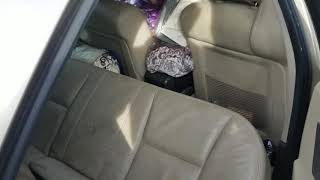
- First Generation (2004-2007): These models have an underhood fuse block and a rear fuse block located under the rear seat cushion. They are known for specific water leak issues that affect the rear block.
- Second Generation (2008-2014): These models feature a redesigned underhood fuse block and a rear fuse block located in the trunk on the passenger side. These are also prone to water damage, but from different sources.
Warning: Always confirm your vehicle's year before purchasing a fuse box. A part from the wrong generation will not fit or function correctly.
Symptoms of a Failing Fuse Box

Fuse box failure often causes strange and seemingly unrelated electrical problems. Because it controls power to so many different systems, a single fault in the box can have widespread effects.
- Multiple Unrelated Failures: The radio, windows, lights, and instrument cluster may act up simultaneously or intermittently.
- Engine No-Start or Stalling: If the relays or fuses for the fuel pump, ignition system, or engine computer lose power, the engine may not start or could stall while driving.
- Dead Circuits: A specific component, like headlights or the radio, may not work at all. While this is often just a single blown fuse, if a new fuse blows immediately, it could point to a problem in the fuse box itself.
- Burning Smell or Visible Damage: A burning plastic or electrical smell from under the hood or inside the car is a serious warning sign. Physical inspection may reveal melted plastic, scorch marks, or green/white corrosion on the terminals.
- Parasitic Battery Drain: A short circuit or stuck relay inside the fuse box can draw power even when the car is off, leading to a dead battery overnight.
- Buzzing or Hissing Sounds: The fuse box should be silent. Any buzzing or crackling noises indicate a dangerous electrical arc.
Known Issues & Recalls

Rear Fuse Block Water Damage (Common on Both Generations)
The most notorious and widespread issue for CTS models is water intrusion causing catastrophic failure of the rear fuse block.
- For 2004-2007 models, the rear fuse block is under the back seat. Clogged sunroof drains are a common cause of leaks, allowing water to pool in the rear footwells and saturate the fuse box, causing severe corrosion.
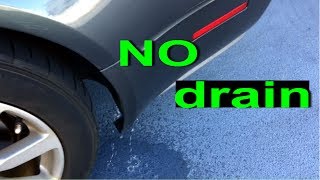
- For 2008-2014 models, the rear fuse block is in the trunk. Leaky trunk seals, tail light gaskets, or clogged sunroof drains can allow water to collect 🎬 See how to fix leaky sunroof drains to prevent damage. in the trunk, damaging the fuse block and battery terminals.
Underhood Fuse Block Failures
While less common than rear fuse box issues, the underhood block can also fail. Causes typically include moisture from the engine bay leading to corrosion, or terminals melting due to high resistance from a failing component like a fuel pump drawing too much current.
Recall for Ignition Switch (2003-2014)
NHTSA Campaign Number 14V394000 affects a wide range of CTS models. The recall addresses an issue where the weight of a heavy key ring could cause the ignition switch to move out of the 'Run' position, shutting off the engine and disabling the airbags. While not a fuse box issue directly, it is a critical electrical system recall for this vehicle range.
Does the Fuse Box Need Programming?

No. The fuse box itself is a passive component that does not contain software and does not need to be programmed, flashed, or coded to the vehicle after installation. It is a simple power distribution center. However, its failure can cause communication errors (U-codes) between other modules that *do* require programming, like the Body Control Module (BCM). If you are experiencing widespread electrical issues, it's important to diagnose whether the fault lies in the fuse box (a simple hardware swap) or a control module (which will require dealer or specialist programming).
Buying a Used Fuse Box: A Buyer's Guide
A used OEM fuse box is an excellent, cost-effective solution, but careful selection is key. Here’s what to look for:
- Verify Generation and Location: First, confirm if you need a Gen 1 (04-07) or Gen 2 (08-14) part, and whether it's for the underhood or rear location.
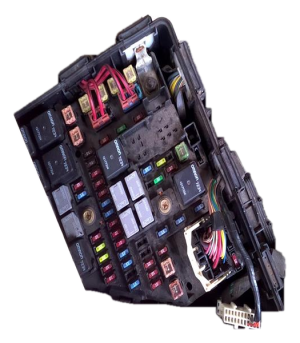
- Match the Part Number EXACTLY: This is the most critical step. Cadillac used many different fuse boxes depending on the vehicle's options. Factors like engine size (3.6L, CTS-V, etc.) and headlight type (Halogen vs. Xenon/HID) determine which fuse box is correct. The provided OEM part numbers (e.g., 15869077, 20860987) are a starting point, but you must match the number from your original part.
- Perform a Thorough Physical Inspection:
- Check for Corrosion: Look for any green or white powder/crust on the pins, terminals, or connectors. This is a deal-breaker and a clear sign of water damage.
- Look for Melted Plastic: Inspect the sockets for each fuse and relay. Any melting, browning, or scorching indicates a previous circuit overload and means the box is compromised.
- Ensure the Cover is Intact: A missing or broken cover allows moisture and debris to enter, which is a primary cause of failure.
- Inspect All Tabs and Connectors: Make sure no plastic locking tabs are broken and that all connector housings are free of cracks.
Pro Tip: When you receive your used fuse box, take a picture of it next to your original part before installation. Compare every fuse and relay location to ensure they match your vehicle's configuration. Sometimes sellers leave fuses in place that may not be correct for your trim level.
Cost Comparison
Replacing a CTS fuse box can vary widely in cost depending on the source of the part. Here are some typical price ranges:
| Part Source | Estimated Cost |
|---|---|
| New OEM (Dealer) | $135 - $300+ |
| New Aftermarket | $100 - $200 (Limited availability for the full assembly) |
| Used OEM (Recycled) | $50 - $150 |
| Shop Labor | $100 - $250 |
Replacement Information
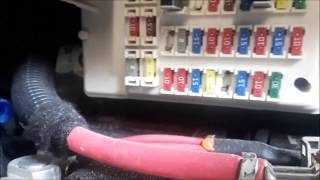
Replacing the underhood fuse box is a straightforward job for a DIY mechanic. The rear fuse block is similarly easy to access. The basic steps involve disconnecting the battery, removing the cover, unclipping the main wiring harness connectors, unbolting the box, and then reversing the procedure for installation. 🎬 Watch a walkthrough on how to remove the fuse box. No special tools are typically required beyond basic hand tools.
Frequently Asked Questions (FAQ)
Where are the fuse boxes in my Cadillac CTS? 🎬 Watch this quick guide to locate every fuse box.
On all 2004-2014 models, there is an underhood fuse block in the engine bay, usually on the passenger side. For 2004-2007 models, the second fuse block is under the rear seat. For 2008-2014 models, the second fuse block is in the trunk on the passenger side, near the battery.
Can I just clean the corrosion off my old fuse box?
While you can try cleaning minor surface corrosion with a specialized contact cleaner and a brush, it is often a temporary fix. Corrosion wicks deep into the wires and internal connections of the fuse block. Once water damage is significant, replacement is the only reliable and safe solution.
Why did a fuse melt in my fuse box?
A melted fuse or fuse socket is a sign of a poor connection that is creating high resistance and heat, or a component that is failing and drawing too much current. Simply replacing the fuse box may not solve the root cause. You must diagnose why the circuit is overheating.
Is a used fuse box a safe and reliable part?
Yes, provided it is a genuine OEM part that has been carefully inspected for heat damage and corrosion. Unlike complex electronic modules, a fuse box is a relatively simple component. A clean, undamaged used OEM part is often superior in quality and fit to a new, unproven aftermarket part.
Helpful Videos
Technical Specifications
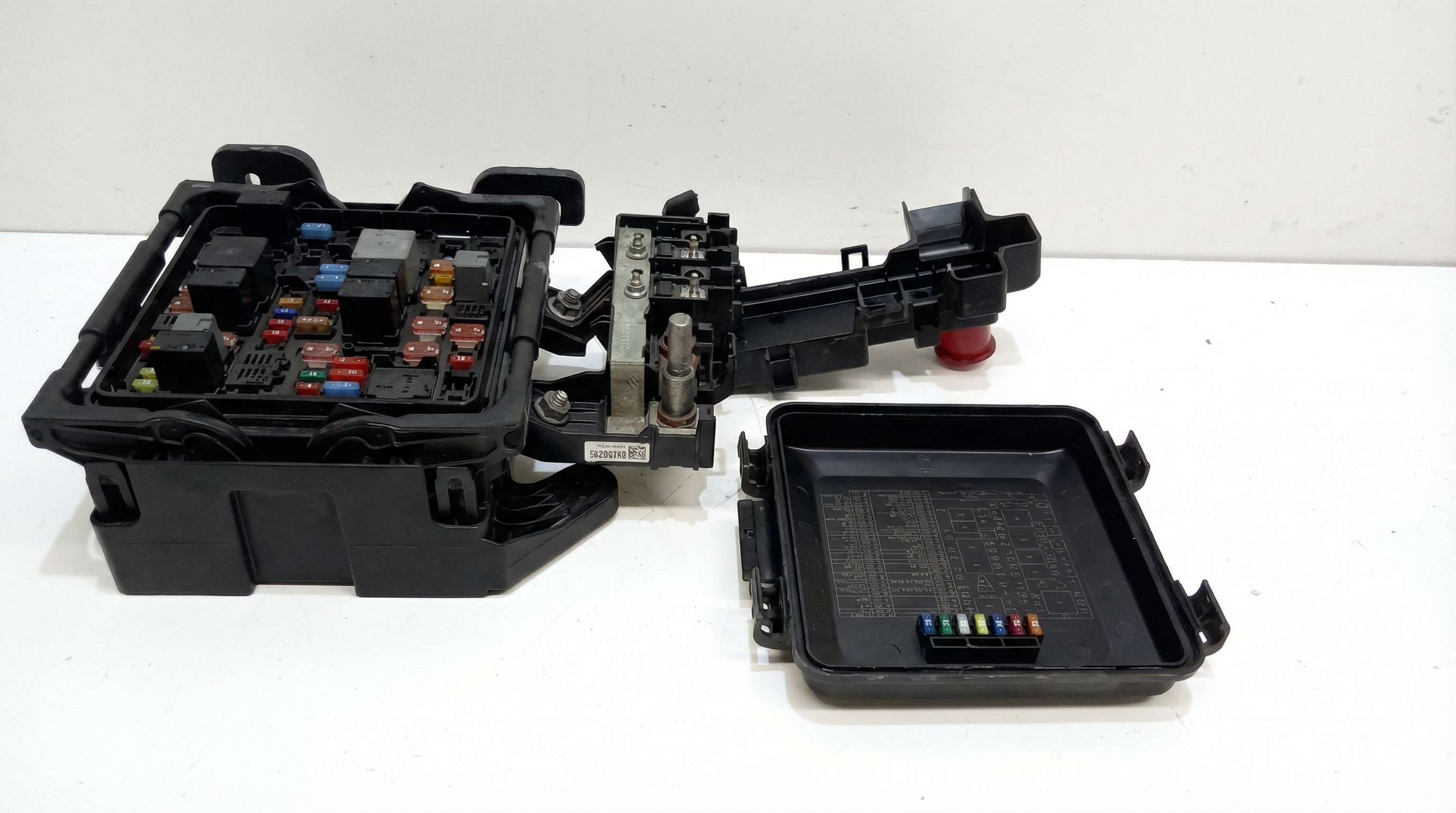
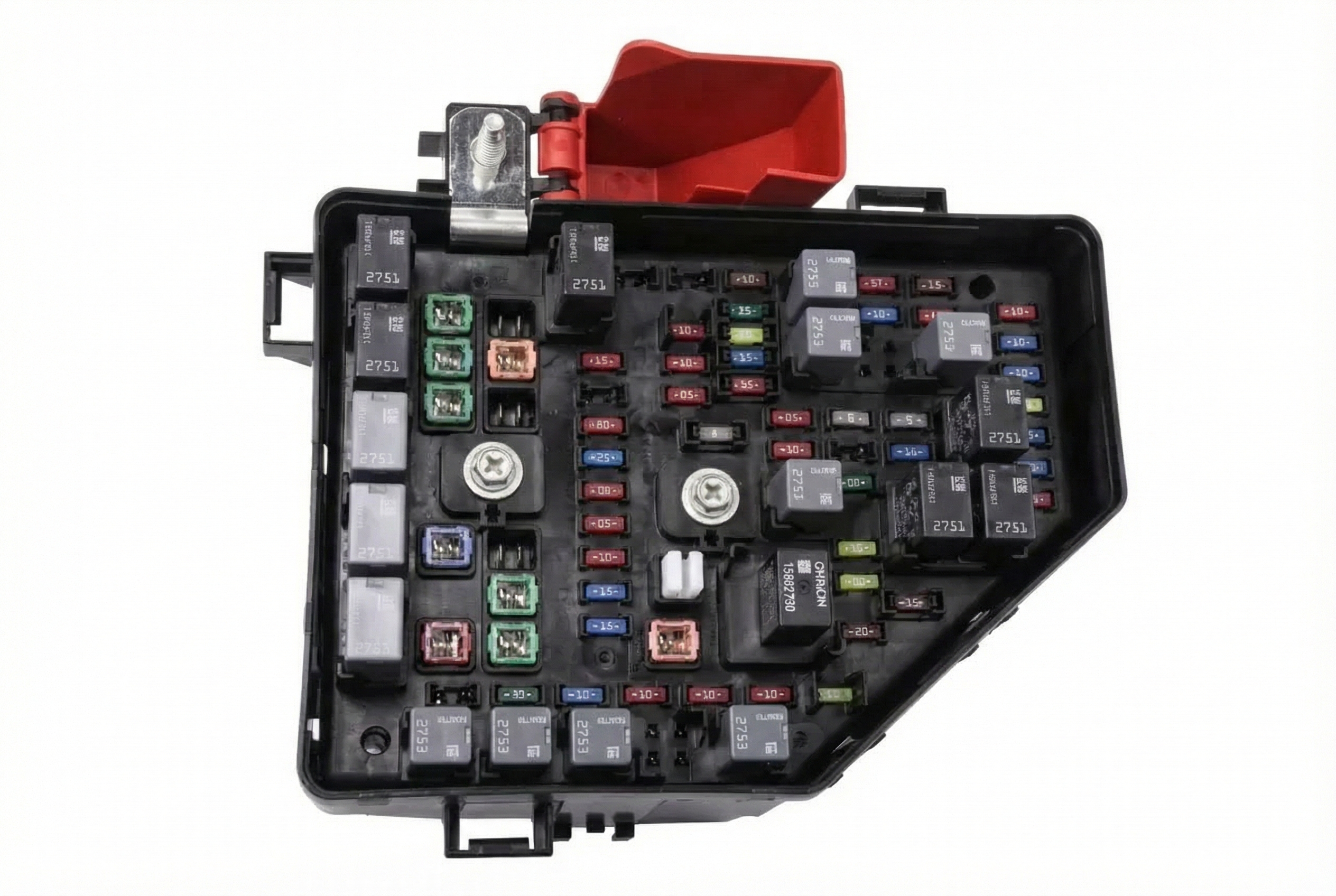
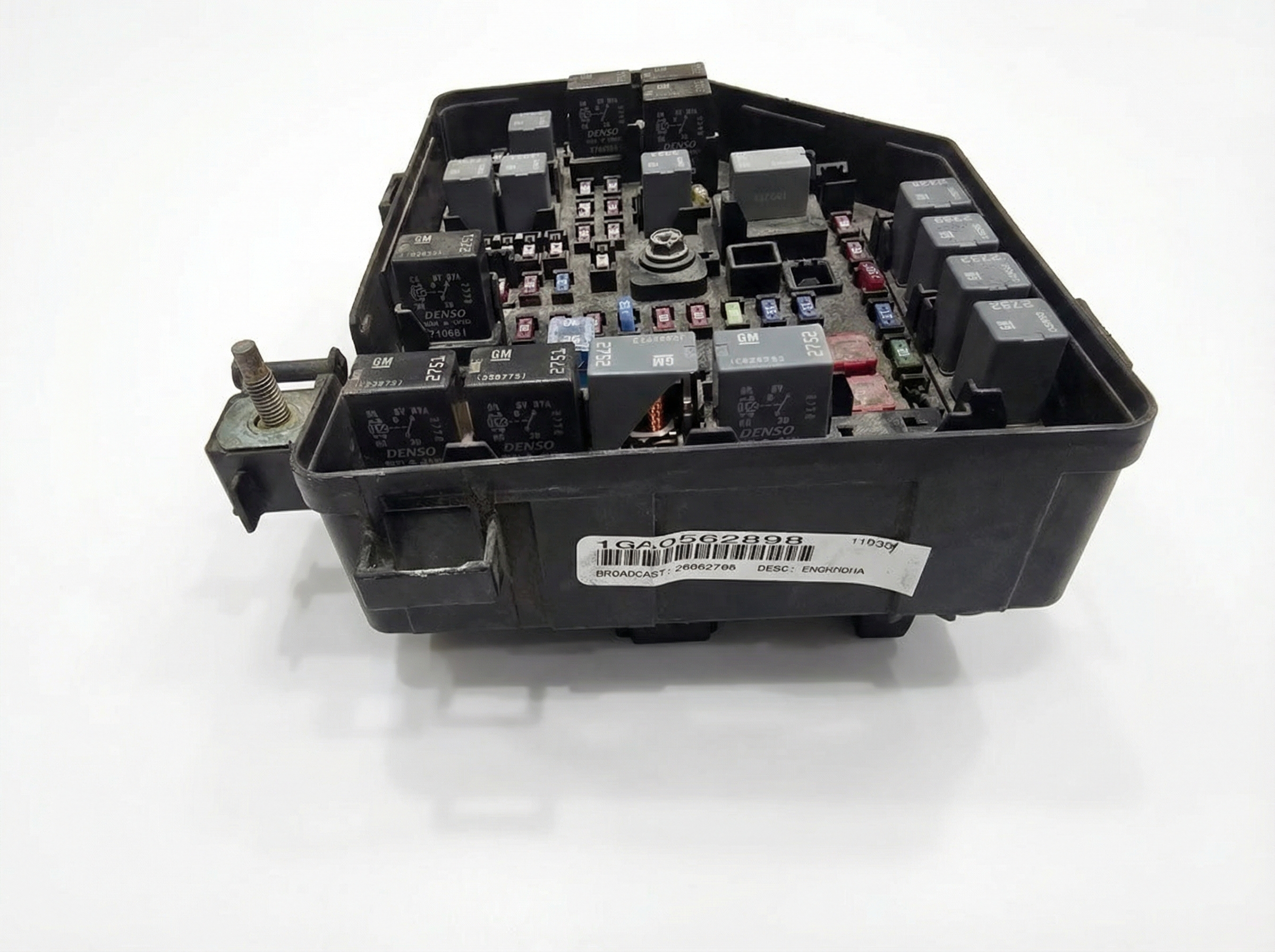
OEM Part Numbers: 15869077 15869080 20860987 20940094 25892798 15224194 25743049 25743050 25771217 25771218 25936872
Location: Underhood (Engine Compartment) or Rear (Under Seat or Trunk). Compatibility is dependent on vehicle generation, engine, and options like headlight type.
We Have This Part in Stock

The information in this article is provided for general reference and educational purposes only. Vehicle specifications, procedures, and part compatibility can vary by production date, trim level, and region. Always consult your vehicle's factory service manual and verify part numbers before purchasing or performing repairs. Safety-critical components such as airbags, seat belts, and braking systems should be installed by a qualified professional.
- Cadillac CTS:
- 🎬 Helpful Videos
- 🛍️ Shop This Part
- Critical: Identify Your CTS Generation First
- Symptoms of a Failing Fuse Box
- Known Issues & Recalls
- Rear Fuse Block Water Damage (Common on Both Generations)
- Underhood Fuse Block Failures
- Recall for Ignition Switch (2003-2014)
- Does the Fuse Box Need Programming?
- Buying a Used Fuse Box: A Buyer's Guide
- Cost Comparison
- Replacement Information
- Frequently Asked Questions (FAQ)
- 🎟️ Get 5% Off