

2009-2015 Dodge Challenger TIPM / Fuse Box: Solving Fuel Pump & Electrical Issues
This guide explains common failures of the Totally Integrated Power Module (TIPM), how to diagnose them, and what you need to know before buying a used replacement.
- The engine bay fuse box is a computer called the TIPM (Totally Integrated Power Module) that requires professional programming when replaced.
- The most common failure is the internal, non-serviceable fuel pump relay, which causes a "crank, no start" condition or engine stalling.
- When buying a replacement, you must match the OEM part number on the unit's sticker exactly.
- A used TIPM is a viable option but MUST be programmed to your car's VIN and options to function correctly, adding to the total cost.
Understanding the Challenger's TIPM (Fuse Box)

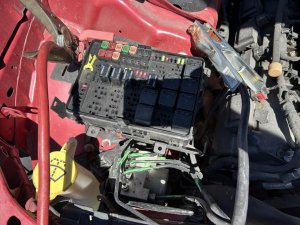
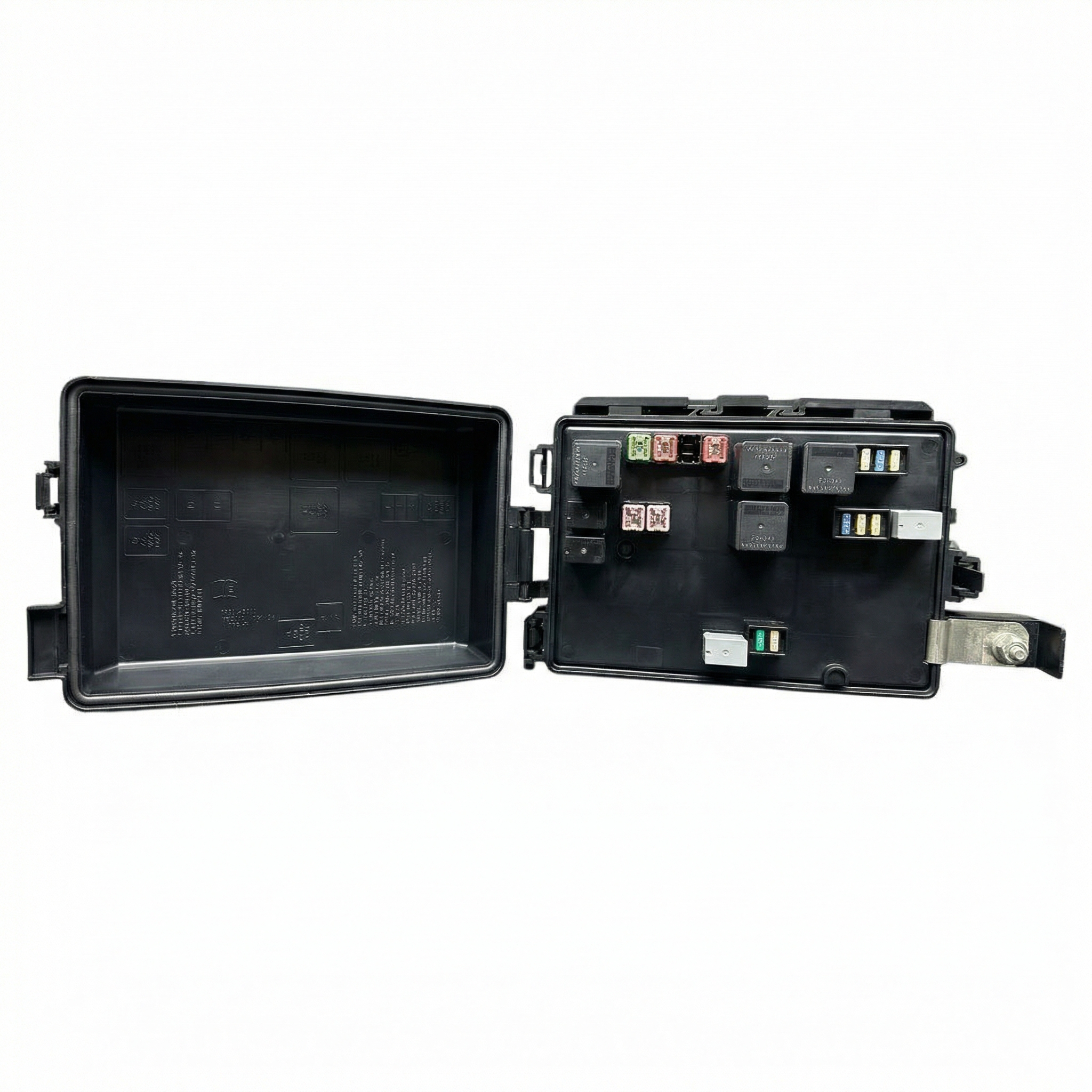
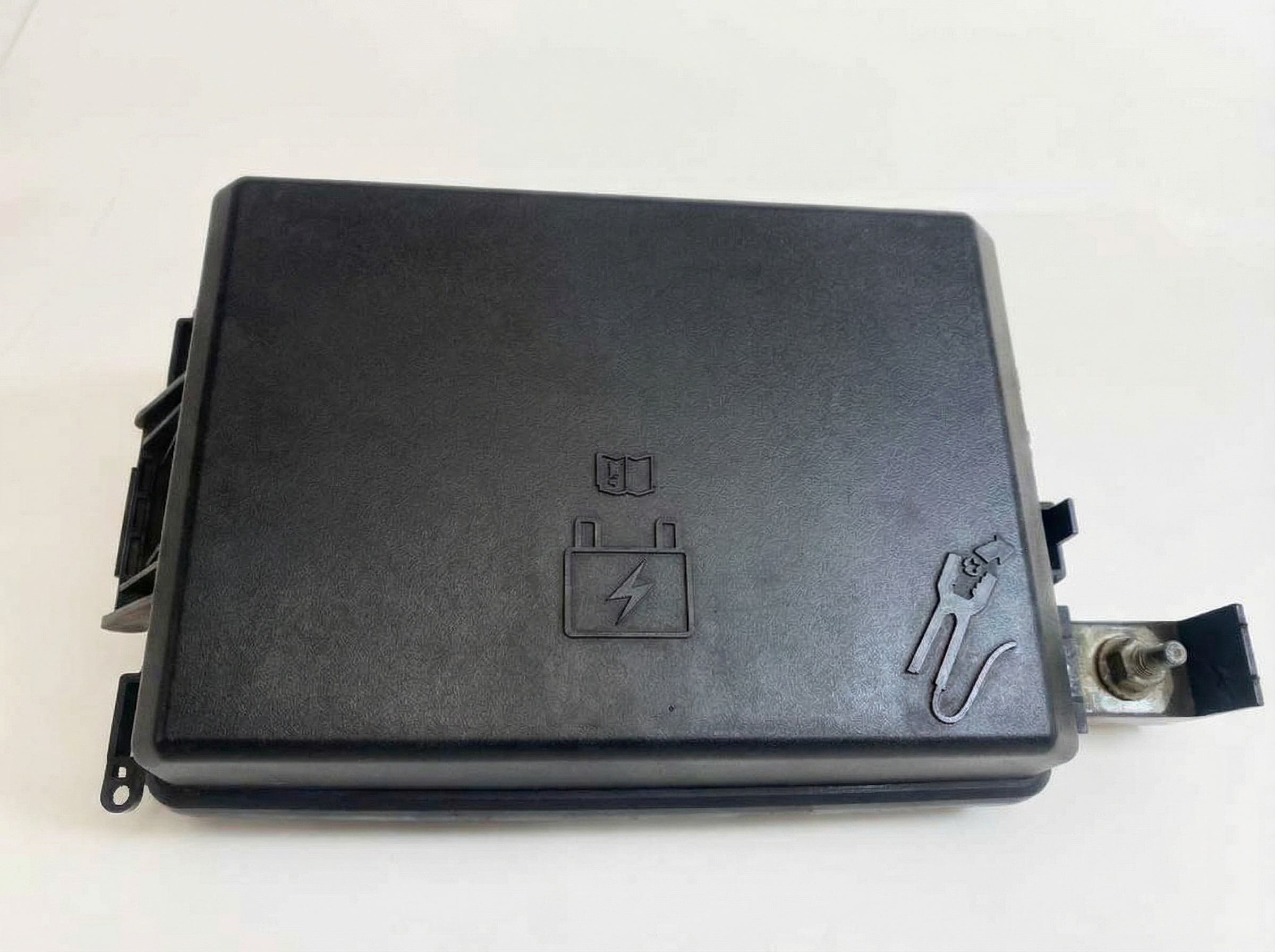
For the 2009-2015 Dodge Challenger, the terms "fuse box" and "TIPM" are often used to describe the same part: the main power distribution center located in the engine compartment. This unit is not just a passive junction for fuses and relays; it's a complex electronic module known as the Totally Integrated Power Module (TIPM). It controls a vast array of vehicle functions, including the fuel pump, starter, lights, wipers, horn, and more. Inside the TIPM is a printed circuit board with non-serviceable, soldered-on relays. When one of these internal components fails, it can cause a variety of strange and intermittent electrical issues.
Common Symptoms of a Failing TIPM

A failing TIPM can create some of the most confusing and frustrating problems for a vehicle owner. Symptoms are often intermittent and can seem unrelated. Because the TIPM controls so many systems, a single internal fault can manifest in multiple ways.
- Crank, No Start: This is the most notorious TIPM failure symptom. 🎬 Watch: Diagnosing a crank, no start issue on a Challenger. The engine will turn over but won't fire up because the internal fuel pump relay has failed and is not providing power to the fuel pump. This may happen intermittently, especially when the engine is cold.
- Fuel Pump Stays On: The opposite problem can also occur, where the fuel pump relay gets stuck in the "on" position, causing the fuel pump to run continuously even when the car is off. This will drain the battery.
- Random Electrical Behavior: Many owners report their car seems to have "a mind of its own." This can include the horn blaring randomly, windshield wipers turning on by themselves or not turning off, and power door locks cycling unexpectedly.
- Lighting Issues: Headlights, taillights, or interior lights may work intermittently or not at all.
- Engine Stalling: A failing fuel pump relay can cut power while driving, causing the engine to stall without warning, which is a serious safety hazard.
Known Issues, Recalls, and Technical Service Bulletins (TSBs)

The fuel pump relay integrated within the TIPM is a widespread and well-documented point of failure across many Chrysler, Dodge, and Jeep vehicles of this era. While recalls (NHTSA 14V-530, 15V-115) were issued for the 2011-2013 Dodge Durango and Jeep Grand Cherokee for this exact issue, the Challenger was not officially included in these specific campaigns. The recall solution was not to replace the entire TIPM, but to install an external relay kit that bypasses the faulty internal one. Even though the Challenger wasn't recalled, it suffers from the same fundamental design flaw. Many owners and independent shops have adopted the same external relay bypass solution as a cost-effective repair.
Pro Tip: If you are experiencing the classic "crank, no start" symptom, a TIPM fuel pump relay bypass kit is a common and effective repair that is much cheaper than replacing the entire TIPM.
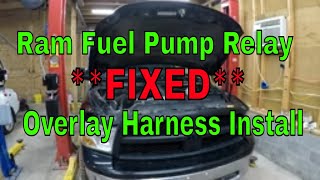
🎬 See how to install an external fuel pump relay bypass.Programming and Installation: This is NOT Plug-and-Play

Warning: A replacement TIPM, whether it is new or used, must be programmed to your vehicle's specific Vehicle Identification Number (VIN) and optional features (like sunroof, fog lights, etc.).
If you install a TIPM without programming, you will likely experience a host of problems. The vehicle may not start, or features your car has might not work because the TIPM doesn't know they exist. Conversely, if the donor vehicle had options your car lacks, you may get error codes for non-existent components. While some sellers of remanufactured TIPMs offer pre-programming with your VIN, a used unit from a salvage yard will almost always require a trip to a dealer or a well-equipped independent shop with a compatible high-end scan tool to be configured correctly. Some sources suggest a used TIPM from an identically-optioned vehicle might work, but it is a significant gamble.
Buying a Used 2009-2015 Challenger TIPM

Buying a used TIPM can be a great way to save money, but it requires careful attention to detail. Given the high cost of a new unit, a quality used OEM part is often a better choice than a cheap aftermarket alternative.
- Match the Part Number EXACTLY: This is the most critical step. There are many different TIPM part numbers for this generation of Challenger, based on year, engine, and options. The part number on the replacement unit MUST match the one on your original TIPM. Do not rely on a VIN search alone, as it may show multiple possibilities. Physically check the sticker on your old unit.
- Inspect for Physical Damage: Carefully examine the used TIPM. Look for any signs of corrosion on the pins or connectors, which indicates water damage. Check for melted plastic around any of the terminals, a sign of a severe short or overload. Ensure all plastic housing and mounting tabs are intact.
- Understand its History: Ask the seller if they know the mileage of the donor vehicle. While a TIPM doesn't have a set lifespan, lower mileage is generally better. Be aware that you are buying a part with the same potential flaws as your original, but it can still be a viable solution for many years.
- Factor in Programming Costs: Remember that a used TIPM is not a plug-and-play part. You must factor in the cost of having it professionally programmed to your vehicle. Call local dealerships or specialty shops to get a quote for this service before you buy the part.
Cost Comparison
| Part/Service | Estimated Cost |
|---|---|
| New OEM (Dealer) | $800 - $1200+ |
| New Aftermarket | $700 - $1000 |
| Remanufactured (Pre-programmed) | $300 - $500 |
| Used OEM (Salvage) | $150 - $400 |
| Shop Labor (Physical Swap) | $100 - $200 |
| Shop Labor (Programming) | $100 - $250 |
Frequently Asked Questions (FAQ)
Do I have to get my replacement TIPM programmed by the dealer?
While a dealership can always perform the programming, some well-equipped independent repair shops with high-end diagnostic tools (like Autel or Snap-on scanners with J2534 pass-thru capabilities) can also configure a new or used TIPM to your vehicle. However, programming is not optional; it must be done for the module to work correctly.
Can I just replace the bad fuel pump relay inside the TIPM?
No, the relays inside the TIPM are soldered directly to a multi-layer circuit board and are not designed to be serviced individually. Attempting to do so can easily damage the board beyond repair. The accepted solution for a failed internal fuel pump relay is to install an external relay kit that bypasses the TIPM for that circuit.
Is the TIPM the same as the ECU or PCM?
No. The TIPM is the Totally Integrated Power Module, which primarily handles the body electronics and power distribution. The ECU (Engine Control Unit) or PCM (Powertrain Control Module) is the computer that controls engine and transmission functions. While they communicate with each other, they are separate components.
My Challenger has had the fuel pump relay recall/bypass done. Can I still replace the TIPM?
Yes. The external fuel pump relay bypass is a separate circuit that gets its signal from the TIPM but carries the high-amperage load for the fuel pump externally. If you need to replace your TIPM for other reasons (like wiper or lighting issues), you can install a new or used TIPM, and the external relay will continue to function with it.
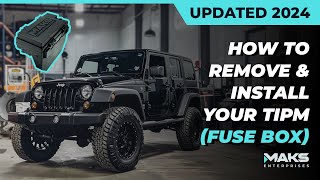
Helpful Videos
![TIPM [Dodge, Chrysler, Jeep] Removal and Solution](https://img.youtube.com/vi/qea1H85HBwU/mqdefault.jpg)

Technical Specifications
OEM Part Numbers: 04607125AD 04692270AG 05166279AA 68044658AA 68105528AA 68105528AB 68105528AD 68223923AA 68226280AD 68226281AD 68304212AA 68359033AA 68430148AA 68498619AB
The main power distribution center in the engine compartment is also known as the Totally Integrated Power Module (TIPM). It contains internal, non-serviceable relays and a microprocessor that controls most vehicle body electronics.
We Have This Part in Stock

The information in this article is provided for general reference and educational purposes only. Vehicle specifications, procedures, and part compatibility can vary by production date, trim level, and region. Always consult your vehicle's factory service manual and verify part numbers before purchasing or performing repairs. Safety-critical components such as airbags, seat belts, and braking systems should be installed by a qualified professional.
- Dodge Challenger:
- 🎬 Helpful Videos
- 🛍️ Shop This Part
- Understanding the Challenger's TIPM (Fuse Box)
- Common Symptoms of a Failing TIPM
- Known Issues, Recalls, and Technical Service Bulletins (TSBs)
- Programming and Installation: This is NOT Plug-and-Play
- Buying a Used 2009-2015 Challenger TIPM
- Cost Comparison
- Frequently Asked Questions (FAQ)
- 🎟️ Get 5% Off