

2015-2024 Ford Edge & 2016-2018 Lincoln MKX Underhood Fuse Box Guide
This guide covers the common failures, replacement costs, and critical compatibility details for the underhood fuse box, also known as the Battery Junction Box (BJB), in the Ford Edge and Lincoln MKX.
- The most common cause of failure is water intrusion from an improperly sealed cover; always check for corrosion.
- Compatibility is critical. The part number must match your vehicle's specific options (lighting, power inverter, etc.).
- This part is called the Battery Junction Box (BJB) and generally does NOT require programming for replacement.
- Symptoms are often widespread and confusing, including no-start conditions, a dead battery, or the engine not shutting off.
What is the Underhood Fuse Box (Battery Junction Box)?
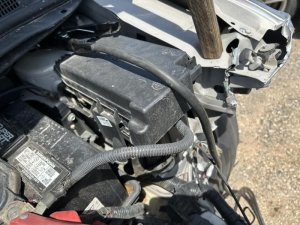
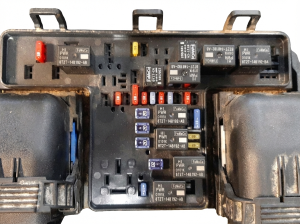
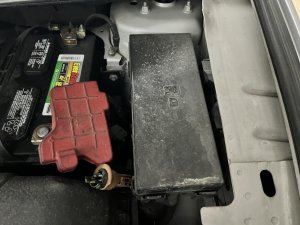
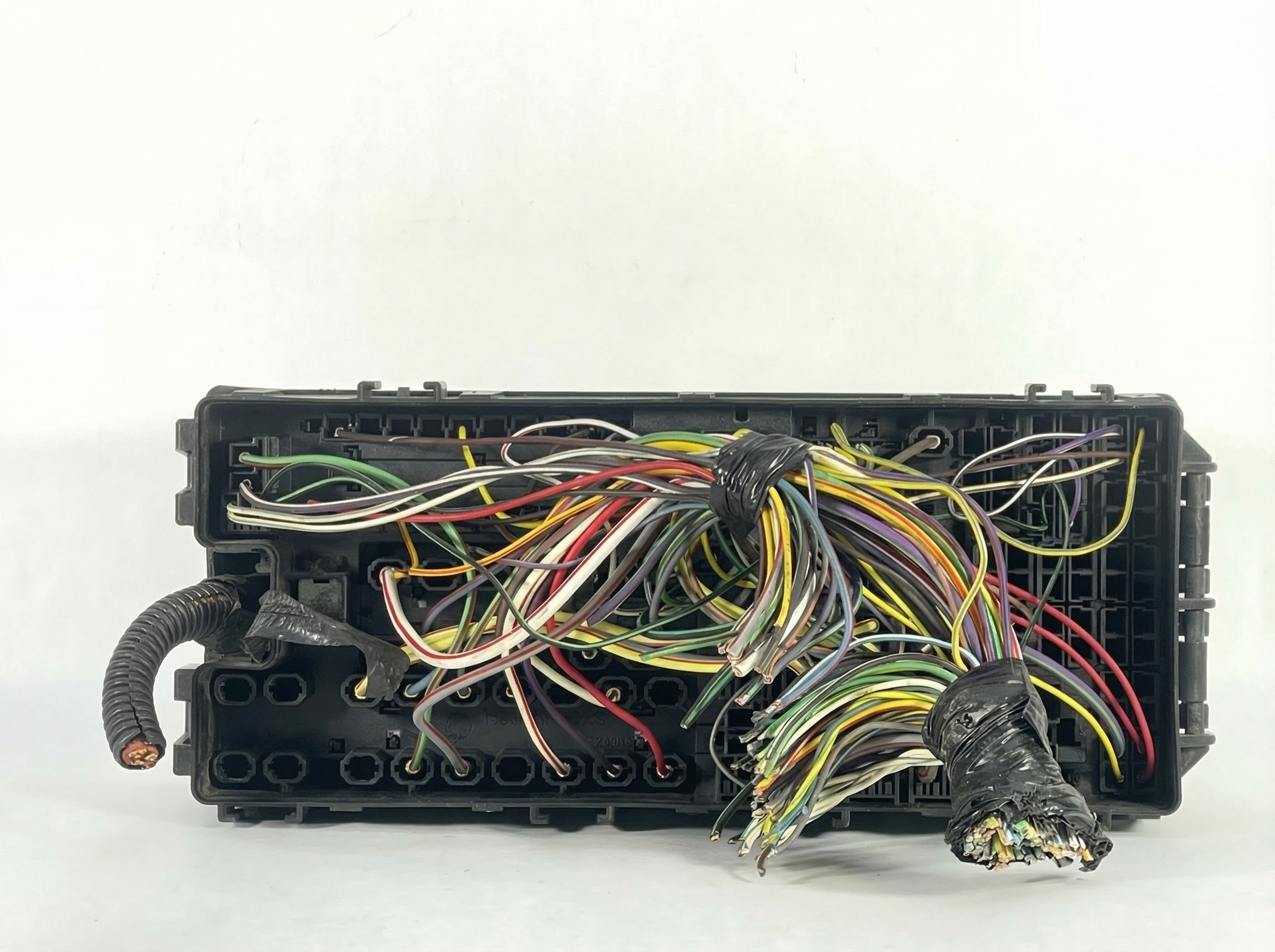
The main fuse box located in the engine bay of the 2015-2024 Ford Edge and 2016-2018 Lincoln MKX is the primary power distribution center for the entire vehicle. Ford refers to this part as the Battery Junction Box, or BJB. It receives power directly from the battery and distributes it through a series of fuses and relays to protect individual electrical circuits. This includes critical systems like the engine control module (ECM), fuel pump, starter, and cooling fans. It is a complex, multi-layered component with fuses located on both the top and bottom sides of the assembly.
Symptoms of a Failing Fuse Box
A failing BJB can cause a wide range of confusing and seemingly unrelated electrical problems. Because it controls so many different systems, symptoms can vary greatly depending on which internal circuit has failed.
- No-Start or No-Crank: The vehicle may not start, with either a single click or complete silence when the key is turned or the start button is pressed. This can happen if the circuits controlling the starter relay or fuel pump fail. 🎬 Watch: Diagnosing a no-start click on a 2018 Ford Edge.
- Engine Won't Turn Off: In some cases, a short circuit within the BJB can keep the ignition circuit energized, preventing the engine from shutting down even after the key is removed.
- Multiple, Unrelated Warning Lights: You might see a Christmas tree effect on your dashboard, with ABS, airbag, traction control, and check engine lights illuminating simultaneously. This often points to a communication failure between modules, which can be caused by a faulty BJB.
- Intermittent Electrical Functions: Power windows, radio, climate control, or lights may work one moment and not the next. This can be due to poor connections or corrosion inside the fuse box.
- Dead Battery: A short circuit within the BJB can create a parasitic drain, causing the battery to go dead, 🎬 See how to test parasitic draw using fuse voltage drop. often overnight.
- Visible Corrosion or Melting: A physical inspection may reveal white or greenish corrosion on the terminals, or melted plastic around certain fuses or relays, indicating heat from a poor connection or short circuit.
Pro Tip: Many strange electrical issues on these vehicles are caused by water intrusion into the BJB. A common cause is an improperly seated BJB cover, which allows water dripping from the cowl area to enter the box and corrode the internal circuit boards. Always ensure the cover is fully latched and sealed after any inspection.
Known Issues, TSBs, and Recalls
While there are no widespread recalls specifically for the fuse box assembly itself on most models, related electrical issues and Technical Service Bulletins (TSBs) highlight its vulnerabilities.
- TSB 20-2298 / 21-2176 / 23-2133 (Super Duty): While officially for F-Series Super Duty trucks, these TSBs are highly relevant as they address the exact same failure mode seen on the Edge and MKX: water intrusion into the BJB due to an improperly seated cover. Symptoms listed include a dead battery, horn staying on, no-crank/no-start, and the engine not turning off. The fix involves inspecting for water damage and replacing the BJB if corrosion is found.
- Recall 18S25 (NHTSA 18V567): This recall affected a small number of 2018 Ford Edge and Lincoln MKX vehicles for a power supply cable that may not have been properly secured to the starter or alternator. An unsecured connection can lead to electrical arcing and a potential fire, and can also cause voltage issues that may affect the BJB.
- Water Intrusion: The most common, well-documented problem is water damage. The BJB sits in a location where water can drip onto it from the cowl area above. If the cover isn't perfectly sealed, or if someone has run wires into the box for accessories, water can get in and destroy the internal multi-layer circuit boards.
Buying a Used Fuse Box: What to Look For
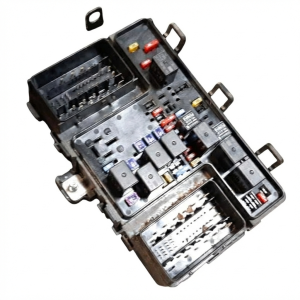
A used OEM fuse box is an excellent, cost-effective alternative to a new part, but careful selection is critical. Modern fuse boxes are not universal; they are configured for specific vehicle options.
1. Verify Compatibility by Part Number and Options
This is the most important step. You cannot simply buy any fuse box from the same model year. The correct BJB for your vehicle depends on its specific factory options. The initial data provided highlights several key variations:
- Lighting Package: The description "with level b lighting" or "without level b lighting" appears on part listings. This likely corresponds to options like the bumper-mounted LED Daytime Running Lamps (DRLs) on the Ford Edge. A vehicle with advanced lighting needs a BJB with the correct circuits to control it.
- Lincoln MKX Options: The warning about models "without 22-way adjustable seats" points to how different trim levels and luxury features require different BJB configurations.
- 110V Power Converter: Vehicles equipped with a household power outlet require a BJB with the circuitry for the power inverter.
How to Verify: The best way is to match the engineering number printed on your original fuse box. If that's not possible, you must provide your vehicle's VIN to a parts specialist to cross-reference the correct service part number for your exact build configuration.
2. Physical Inspection
- Check for Corrosion: Carefully inspect all pins and connectors in the main harness plugs. Look for any signs of white or green powder, which indicates water damage. Do not buy a part with any visible corrosion.
- Look for Melted Plastic: Check around the high-amperage fuse slots and relay sockets for any signs of melting, charring, or discoloration. This is a sign of a previous major short circuit, and the box should be rejected.
- Inspect the Casing: Ensure the plastic housing and all mounting tabs are intact. Check that the cover latches are not broken.
3. Programming and Installation
For the 2015-2024 Ford Edge and 2016-2018 Lincoln MKX, the underhood Battery Junction Box (BJB) is generally considered a non-programmed module. It does not typically store the vehicle's VIN or require flashing or synchronization with the immobilizer system after installation. It is a direct power distribution component. This means a DIY replacement is feasible for a mechanically inclined person. However, some sources indicate that certain vehicle-specific configurations might be stored in the Body Control Module (BCM), which communicates with the BJB. If you experience issues after replacement, a configuration reset with a tool like FORScan might be necessary, but this is not usually required.
Warning: Always disconnect the battery before attempting to replace the fuse box. Failure to do so can result in dangerous electrical shorts, damage to other electronic modules, or personal injury.
Replacement Overview
Replacing the BJB is moderately difficult due to the tight space and number of connections.
- Disconnect the Battery: Disconnect the negative terminal first.
- Access the BJB: The BJB is located in the engine bay, typically on the driver's side near the battery.
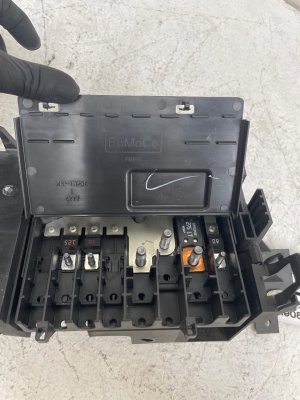
- Release the Assembly: The BJB is a two-piece assembly. You must release latches to lift the top portion to access the main harness connectors and mounting bolts.
- Disconnect Harnesses: There are several large electrical connectors that plug into the bottom and sides of the BJB. These have locking tabs that must be released.
- Transfer Fuses and Relays: Used fuse boxes are often sold as the housing only. You will need to carefully transfer all your original fuses and relays to the new box. Take a picture of the original layout before you begin.
- Installation: Installation is the reverse of removal. Ensure all connectors are fully seated and locked. Reconnect the battery (positive terminal first, then negative).
Cost of Replacement
| Part Type | Estimated Cost |
|---|---|
| New OEM | $200 - $400 |
| Used OEM | $50 - $200 |
| Shop Labor | $150 - $300 |
Frequently Asked Questions (FAQ)
Do I need to program the new fuse box?
No, for these specific vehicles, the underhood fuse box (BJB) does not typically require programming. It should be a direct swap, provided you have purchased the correct part number for your vehicle's options.
Why are there fuses on the bottom of the fuse box?
The BJB is a multi-layer design to save space in a crowded engine bay. The top layer contains commonly accessed fuses and relays, while the bottom layer contains larger, high-amperage fuses for major systems. Accessing the bottom requires unlatching and pivoting the top section of the fuse box.
Can I use a fuse box from a different engine or trim level?
It is strongly advised not to. The internal wiring and fuse capacities are different depending on the engine, trim, and options like all-wheel drive, advanced lighting, or power inverters. Using the wrong box can lead to non-functional features or dangerous electrical overloads.
My battery keeps dying. Could it be the fuse box?
Yes. A common failure mode is an internal short circuit caused by water intrusion, which creates a parasitic drain that kills the battery when the vehicle is off. This is a well-documented issue.
Helpful Videos






Technical Specifications
OEM Part Numbers: F2GT14A067AA F2GT14A067AB F2GT14A067AC F2GT14A067AD F2GT14A067AE F2GZ14A068A F2GZ14A068B F2GZ14A068C F2GZ14A068N G2GT14A067BD G2GT14A075AA G2GZ14A068B G2GZ14A068H G2GZ14A068J K2GT14D068 K2GT14D068AA K2GT14D068BB K2GZ14A068B
The underhood fuse box (Battery Junction Box) is a multi-layered power distribution module with top and bottom fuse access. It is specific to vehicle options and does not typically require programming.
We Have This Part in Stock

The information in this article is provided for general reference and educational purposes only. Vehicle specifications, procedures, and part compatibility can vary by production date, trim level, and region. Always consult your vehicle's factory service manual and verify part numbers before purchasing or performing repairs. Safety-critical components such as airbags, seat belts, and braking systems should be installed by a qualified professional.
- Ford Edge:
- Lincoln MKX:
- 🎬 Helpful Videos
- 🛍️ Shop This Part
- What is the Underhood Fuse Box (Battery Junction Box)?
- Symptoms of a Failing Fuse Box
- Known Issues, TSBs, and Recalls
- Buying a Used Fuse Box: What to Look For
- 1. Verify Compatibility by Part Number and Options
- 2. Physical Inspection
- 3. Programming and Installation
- Replacement Overview
- Cost of Replacement
- Frequently Asked Questions (FAQ)
- 🎟️ Get 5% Off