

Ford Escape & Mercury Mariner Stalling and No-Start Fixes: The 2001-2010 Fuse Box Guide
This guide diagnoses common failures in the 2001-2010 Ford Escape and Mercury Mariner engine fuse box, from water damage to fuel pump circuit faults, and explains how to choose the right used replacement.
- The most common failure causes a crank-no-start or stalling condition due to an internal fault in the fuel pump power circuit.
- Water intrusion from clogged cowl drains is the primary cause of fuse box failure; clean these drains during replacement.
- Compatibility is critical. You must match the part number and ensure the fuse box is for your vehicle's specific engine (2.0L, 2.5L, or 3.0L V6) and model year.
- The engine bay fuse box does NOT require programming, making it a straightforward DIY replacement.
Common Failure Symptoms

A failing fuse box in a 2001-2010 Ford Escape or 2005-2010 Mercury Mariner often mimics other problems, making diagnosis tricky. The most common issues are related to the fuel pump power supply and water damage.
- Engine Cranks but Will Not Start: This is the most frequent symptom. The starter turns the engine over, but it never fires up. This is often due to a failure within the fuse box's internal circuit for the fuel pump relay, which cuts off power to the fuel pump.
- Sudden Stalling While Driving: The engine may shut off unexpectedly while on the road. This is extremely dangerous and points to an intermittent failure in the fuel pump or ignition power supply circuits within the box.
- Multiple Unrelated Electrical Issues: You might notice several electrical components failing at once, such as the radio, power windows, and interior lights. This indicates a widespread power distribution problem originating from the fuse box.
- Visible Corrosion or Melting: A visual inspection may reveal green or white crusty corrosion on the terminals and connectors, or melted plastic around certain fuses or relays. This is a clear sign of internal short-circuiting, often caused by water damage.
- Burning Plastic or Electrical Smell: A distinct burning odor from the engine bay, particularly near the battery, points to an overheating circuit inside the fuse box.
Associated OBD-II Trouble Codes
A failing fuse box won't typically have a code for itself. Instead, it will trigger codes for the components that have lost power. If you experience a crank-no-start condition, look for the following codes:
- P0230 - Fuel Pump Primary Circuit Malfunction: This code indicates the Powertrain Control Module (PCM) has detected a fault in the main power circuit for the fuel pump.
- P0231 - Fuel Pump Secondary Circuit Low: This code often means the PCM is not seeing the expected voltage signal from the fuel pump circuit when the pump should be running.
- P0232 - Fuel Pump Secondary Circuit High: This suggests the PCM is seeing voltage in the fuel pump circuit when it should be off.
Known Issues, TSBs, and Recalls

Root Cause: Water Intrusion
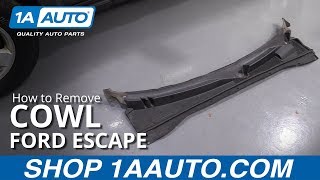
The number one killer of the fuse box in these vehicles is water intrusion. The engine bay fuse box is located in an area where it can be exposed to moisture if certain components fail. Over time, the drains in the cowl panel (the plastic trim at the base of the windshield) can become clogged with leaves, pine needles, and other debris. When this happens, rainwater overflows the cowl and can drip directly onto the fuse box. An improperly sealed windshield can also cause water to leak into the dash and affect the interior fuse panel. This moisture leads to corrosion, which creates resistance, causes circuits to overheat, and ultimately leads to failure.
Pro Tip: When replacing a fuse box, always clean out the cowl drains to prevent the new unit from failing for the same reason. A few minutes of prevention can save you from a repeat repair.
Recalls and Technical Service Bulletins (TSBs)
As of early 2026, there are no specific NHTSA recalls for the engine fuse box itself on the 2001-2010 Ford Escape or 2005-2010 Mercury Mariner. However, various other recalls exist for this generation, so it's always wise to check your vehicle's VIN on the NHTSA website for any open campaigns. The issue of water leaks from the windshield seal affecting the interior fuse box and Generic Electronic Module (GEM) was the subject of an NHTSA investigation for some Ford trucks, highlighting it as a known potential problem area for Ford vehicles of this era.
Buying a Used Fuse Box: Your Compatibility Checklist

Purchasing a used OEM fuse box is a cost-effective solution, but careful matching is essential to avoid creating new problems. Aftermarket units can have incorrect internal wiring or use lower-quality relays, making a quality used OEM part a safer choice.
Warning: These fuse boxes are NOT one-size-fits-all. You must match the part to your vehicle's specific configuration. Failure to do so can result in a no-start condition or damage to other electrical components.
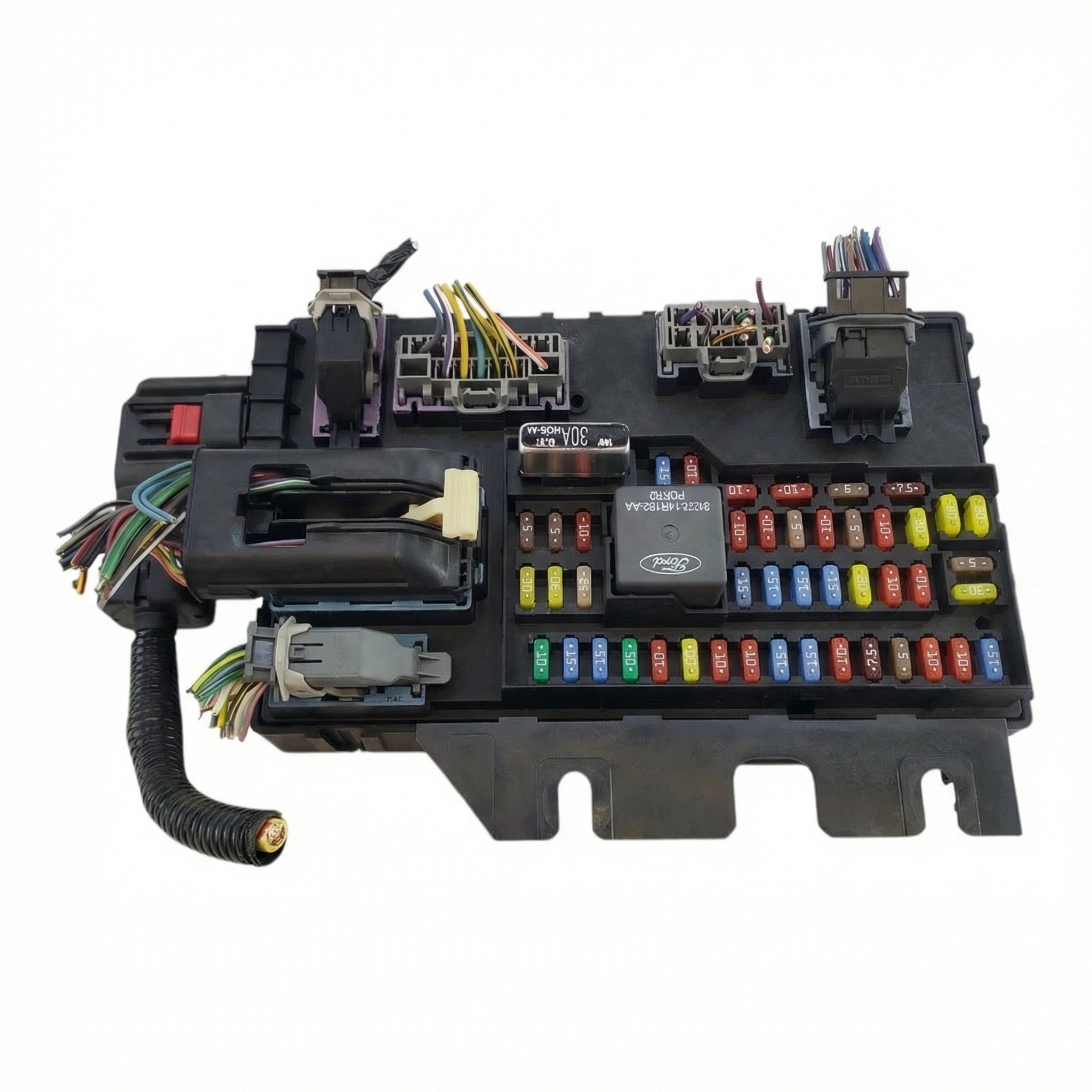
- Match the OEM Part Number: The most reliable method is to match the part number from your original fuse box. The number is typically printed on a sticker on the side or bottom of the unit.
- Verify Engine and Drivetrain: Fuse boxes are different between the 4-cylinder and V6 engines, as well as gasoline and Hybrid models. For example, a box for a 3.0L V6 will not work correctly in a vehicle with a 2.5L 4-cylinder.
- Check the VIN Digit: For some years, compatibility is tied to the 8th digit of your Vehicle Identification Number (VIN), which indicates the engine type. For example, some 2009 models require a fuse box specific to VIN digit '7' (2.5L engine), while 2010 models may require one for VIN digit 'G' (3.0L engine).
- Inspect for Corrosion: When buying online, carefully examine the photos. Look for any signs of white or green powder on the pins of the connectors. Do not buy a fuse box that shows any signs of water damage or corrosion.
- Check for Physical Damage: Ensure the plastic housing is not cracked and that no tabs are broken. Confirm that the main power stud is intact and not melted.
Programming and Installation
No programming is required when replacing the engine bay Power Distribution Box on a 2001-2010 Ford Escape or 2005-2010 Mercury Mariner. It is a direct-swap component. This makes it an excellent job for a DIY mechanic.
The replacement process is straightforward:
- Disconnect the Battery: Always disconnect the negative battery terminal before working on any electrical components.
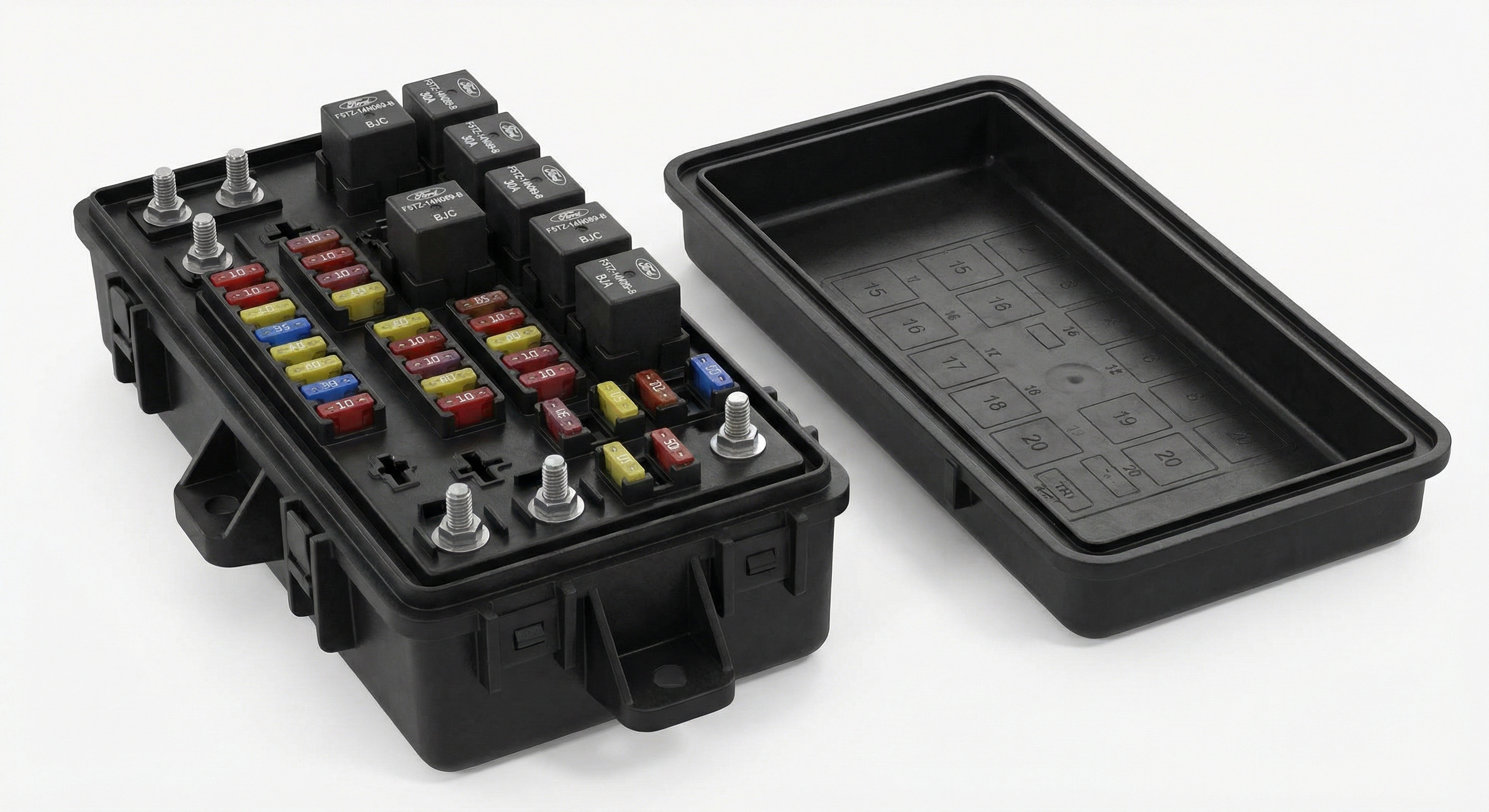
- Remove the Cover: Unclip the fuse box lid to expose the unit.
- Disconnect Connectors: Carefully release the locking tabs on the large electrical connectors on the sides and bottom of the fuse box and pull them straight out.
- Unbolt the Box: Remove the mounting bolts that secure the fuse box to the vehicle frame or battery tray.
- Install the New Box: Bolt the replacement unit in place, reconnect all electrical connectors securely, and re-attach the negative battery terminal.
Cost Comparison
Prices for a replacement engine fuse box can vary significantly. Here are typical cost estimates:
| Part Type | Estimated Cost |
|---|---|
| New OEM | $250 - $500+ |
| New Aftermarket | $150 - $400 |
| Used OEM | $75 - $175 |
| Shop Labor | $100 - $300 |
Frequently Asked Questions (FAQ)
Does the engine fuse box need to be programmed to my vehicle?
No. For the 2001-2010 Ford Escape and 2005-2010 Mercury Mariner, the engine bay fuse box (Power Distribution Box) does not require any programming or flashing. It is a plug-and-play part, provided you have the correct one for your vehicle's engine and options.
Will a fuse box from a Mercury Mariner fit my Ford Escape?
Yes, they are interchangeable parts, BUT only if the part number, engine, model year, and options are an exact match. These vehicles were built on the same platform and shared many components.
Can I just replace the fuel pump relay instead of the whole fuse box?
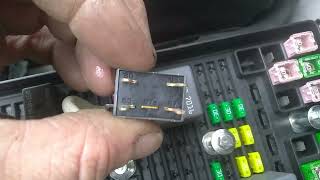
Sometimes, but often not. On many of these fuse boxes, the fuel pump relay is soldered directly to the internal circuit board and is not designed to be serviced separately. If the relay itself has failed internally, or the solder joints have cracked, the entire fuse box assembly must be replaced.
My mechanic says I need a new fuel pump, but I think it's the fuse box. How can I tell?
A common diagnostic step is to check for power at the fuel pump itself when the key is turned. If there is no voltage at the pump, the problem lies upstream in the wiring, fuse, or fuse box. You can also try swapping the fuel pump relay with an identical relay from a non-essential system (like the horn or rear defroster) if your model has a swappable relay. If the car starts, you have a bad relay. If the relay is soldered in, this test is not possible and further electrical diagnosis is needed.
Helpful Videos




Technical Specifications
OEM Part Numbers: 5L8T14A067AA 5L8Z14A003AA 5L8Z14A068AA 8E6Z14290BB 8E6Z14290CB 8L8Z14290JB 8L8Z14290ZB 9E6Z14290BA 9L8Z14290PA AE6Z14290KA AL8Z14290AA EC0166760B EC0166760C EF9166760Z01 YL8414A067AB
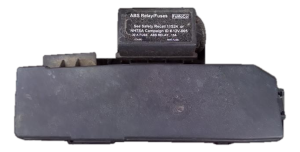
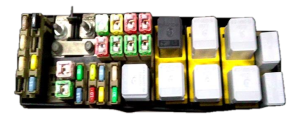
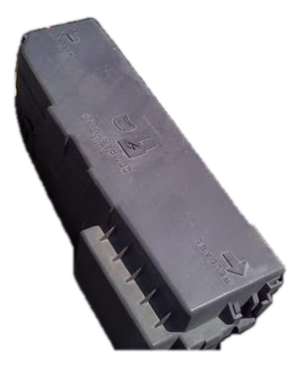
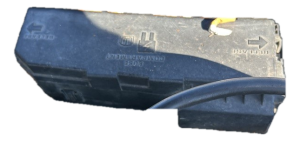
The fuse box is also known as the Battery Junction Box (BJB) or Power Distribution Box. It is located in the engine compartment, typically near the battery. A secondary fuse panel is located inside the passenger cabin.
We Have This Part in Stock

The information in this article is provided for general reference and educational purposes only. Vehicle specifications, procedures, and part compatibility can vary by production date, trim level, and region. Always consult your vehicle's factory service manual and verify part numbers before purchasing or performing repairs. Safety-critical components such as airbags, seat belts, and braking systems should be installed by a qualified professional.
- Ford ESCAPE:
- Mercury Mariner:
- 🎬 Helpful Videos
- 🛍️ Shop This Part
- Common Failure Symptoms
- Associated OBD-II Trouble Codes
- Known Issues, TSBs, and Recalls
- Root Cause: Water Intrusion
- Recalls and Technical Service Bulletins (TSBs)
- Buying a Used Fuse Box: Your Compatibility Checklist
- Programming and Installation
- Cost Comparison
- Frequently Asked Questions (FAQ)
- 🎟️ Get 5% Off