

Ford Explorer & Mercury Mountaineer Fuse Box Guide (1997-2015)
This in-depth guide covers common fuse box problems, from simple corrosion on older models to complex programming needs on newer vehicles, for the 1997-2015 Ford Explorer and 1997-2010 Mercury Mountaineer.
- For 2006-2010 models, a 'crank no-start' issue is very likely a failed internal fuel pump relay, requiring fuse box replacement.
- For 2011-2015 models, you MUST match the part number exactly, as compatibility depends on the vehicle's specific options like engine and headlights.
- Water intrusion is a common killer of these fuse boxes; always check a used part for any signs of corrosion.
- Fuse boxes for 2011 and newer Explorers require a 'module configuration' with a proper scan tool after installation to function correctly.
Understanding Your Fuse Box: Generations Matter
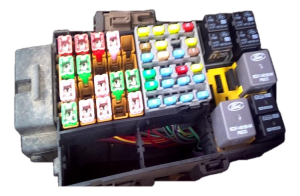
The fuse box in the Ford Explorer and Mercury Mountaineer changed significantly over the years. The type of box in your vehicle determines the common problems, diagnostic procedures, and replacement requirements. There are two main fuse boxes to be aware of: the Battery Junction Box (BJB) in the engine bay and the Smart Junction Box (SJB), often located inside the passenger cabin. This guide focuses primarily on the under-hood BJB, which is the most common failure point.
1997-2005 Explorer & 1997-2005 Mountaineer: The Simple Power Center
In these earlier models, the under-hood fuse box is a straightforward power distribution center. It is not a 'smart' module and does not require any programming for replacement. Failures are typically mechanical, not electronic. The most common issues are corrosion on the terminals from moisture, cracked housings, or melted plastic from a severe short circuit. Diagnosis is usually a simple matter of visual inspection and testing for power with a multimeter.
2006-2010 Explorer & 2006-2010 Mountaineer: The Fuel Pump Relay Problem
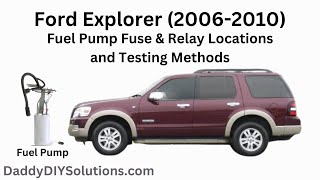
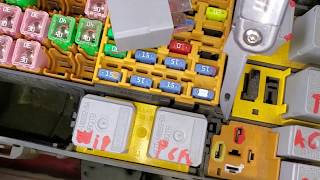
This generation is known for a significant, well-documented issue: the internal fuel pump relay fails. This relay is soldered directly onto the fuse box's internal circuit board and is not designed to be serviced separately. When it fails, the fuel pump will not receive power, resulting in a vehicle that cranks but will not start. Because the relay cannot be easily replaced, the entire fuse box assembly must be swapped out. 🎬 Watch: Locate and test the fuel pump relay and fuse. Some owners on forums discuss wiring in an external relay as a workaround, but the standard repair is a full replacement.
2011-2015 Explorer: The 'Smart' Battery Junction Box
The fifth-generation Explorer introduced a much more complex under-hood fuse box. This BJB is an intelligent module that communicates with the rest of the vehicle's network. This complexity is the source of major compatibility challenges. As noted in the initial buyer warnings, a replacement fuse box for these models must be sourced from a donor vehicle with the exact same options. Things like engine size (2.0L vs. 3.5L), headlight type (Halogen vs. HID), and features like adaptive cruise control or fog lamps determine which part number is correct. Using a box from a vehicle with different options will cause various electrical systems to malfunction. Water intrusion is also a known problem, often caused by a cover that is not sealed properly, leading to widespread corrosion and electrical chaos.
🎬 See this guide to find your 2011-2015 fuse box location.Pro Tip: Ford uses two main electrical boxes. The Battery Junction Box (BJB) is under the hood and distributes high-current power. The Smart Junction Box (SJB), also called the Body Control Module (BCM), is inside the cabin (often in the driver's or passenger's kick panel) and controls lights, windows, and other body functions. The SJB almost always requires programming, while the need for BJB programming depends on the vehicle's year.
Symptoms of a Failing Fuse Box
- Engine Cranks But Won't Start: This is the classic symptom for 2006-2010 models with a failed internal fuel pump relay. The starter motor will turn the engine over, but it will never fire up due to a lack of fuel. 🎬 Watch: How to troubleshoot a no-start and fuel pump issue.
- Multiple Unrelated Electrical Failures: If systems that are on different circuits (e.g., the radio, power windows, and interior lights) all fail simultaneously, it points to a problem with their common power source—the fuse box.
- Melting Plastic or Burning Smell: A strong burning odor from under the hood or dash is a critical warning sign. It often indicates a short circuit is causing a fuse or relay socket to overheat and melt.
- Visible Corrosion or Water Damage: Green or white crusty deposits on the fuse box terminals or connectors are a clear sign of water intrusion. This can cause intermittent electrical problems that are difficult to trace.
- Battery Drain: A faulty relay stuck in the 'on' position can keep a component running even when the vehicle is off, draining the battery overnight. This can also be a symptom of internal short circuits within the fuse box.
- Specific Systems Inoperative: Sometimes a failure is isolated to one circuit within the box. For example, if the headlights don't work and their fuse and bulbs are good, the fault may lie in the fuse box's internal wiring or relay for that circuit.
Known Issues, Recalls, and Technical Service Bulletins (TSBs)
While no widespread recalls target the fuse box itself across this entire year range, several related issues and TSBs exist.
- 2006-2010 Fuel Pump Relay Failure: As mentioned, this is the most common known issue. The non-serviceable relay inside the BJB fails, requiring a complete fuse box replacement.
- Water Intrusion TSBs: Ford has issued TSBs for various models, including Super Duty trucks, regarding water entering the BJB due to improperly sealed covers. This is a known issue on Explorers as well, where water can drip from the cowl area onto the fuse box, causing corrosion and short circuits.
- Customer Satisfaction Program 21N01: For 2016-2018 Explorers (just outside this guide's range, but relevant), Ford issued a program for a failing high-speed cooling fan relay within the BJB that could overheat, melt, and cause a battery drain or engine overheating. This highlights a pattern of internal relay failures in Ford BJBs.
No major safety recalls for the fuse box on 1997-2015 Explorers or Mountaineers were found during research on the NHTSA website.
Buying a Used Fuse Box: What You MUST Know
Purchasing a used OEM fuse box is a great way to save money, but careful inspection and verification are essential to avoid buying someone else's problem.
- Physical Inspection is Key: Before purchasing, thoroughly inspect the used fuse box. Look for any signs of white or green corrosion on the external connectors and internal fuse/relay slots. Check for any melted plastic, especially around the larger, high-current fuses and relays. Ensure the plastic housing isn't cracked and all mounting tabs are intact.
- For 2006-2010 Models, Ask About the Donor Vehicle: Since these are prone to fuel pump relay failure, ask the seller if the donor vehicle was running when it was taken out of service. A box from a vehicle that was junked due to an accident is a safer bet than one from a vehicle that simply stopped running.
- For 2011-2015 Models, Compatibility is Everything: This is the most critical step. You cannot simply buy any 2011-2015 Explorer fuse box. The part number on the used box MUST EXACTLY MATCH the part number on your original box. These are option-specific. A box from a car with different headlights, engine, or cruise control will not work correctly. Verify the part number (e.g., BB5T-14290-xx) before you buy.
- Why Used OEM is Often Better: For complex electronic parts like modern fuse boxes, a used Original Equipment Manufacturer (OEM) part is often more reliable than a new, cheap aftermarket alternative. The OEM part was designed specifically for your vehicle's electrical loads and network communication protocols, ensuring proper function.
Warning: For 2011-2015 Explorers, do not install a fuse box if the part number does not match yours. Doing so can cause unpredictable electrical behavior, disable key safety features, or prevent the vehicle from starting.
Programming and Installation Requirements
Whether your replacement fuse box needs programming depends entirely on the year of your vehicle.
- 1997-2005 Explorer / Mountaineer: No programming is required. These are simple, non-intelligent boxes. Replacement is a plug-and-play process after disconnecting the battery.
- 2006-2010 Explorer / Mountaineer: The under-hood BJB is also plug-and-play with no programming needed. However, if you are replacing the interior Smart Junction Box (SJB), that module DOES require programming to the vehicle.
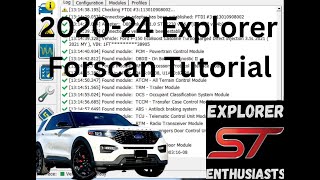
- 2011-2015 Explorer: Yes, some configuration is typically required. While it may not be a full 'programming' in the traditional sense, a procedure often called a "module configuration" or "parameter reset" is necessary. This is done with a Ford-specific diagnostic tool like the dealer's IDS or advanced DIY software like FORScan. This process syncs the new box with the specific options in your vehicle. Failure to perform this step can result in warning lights and non-functional features. An independent shop with the right equipment or a Ford dealer can perform this service.
Cost Breakdown
Prices can vary based on location, condition, and the specific part number needed. The newer, more complex boxes are significantly more expensive.
| Part Type | Estimated Cost |
|---|---|
| New OEM | $400 - $700+ |
| New Aftermarket | $250 - $500 |
| Used OEM | $75 - $250 |
| Shop Labor for Replacement | $100 - $250 |
Frequently Asked Questions (FAQ)
Does my Ford Explorer fuse box need to be programmed?
It depends on the year. For 1997-2010 Ford Explorers and Mercury Mountaineers, the under-hood fuse box (BJB) does not require programming. For 2011-2015 Ford Explorers, the BJB does require a module configuration procedure with a compatible scan tool to work correctly with your vehicle's specific options.
My 2008 Explorer cranks but won't start. Could it be the fuse box?
Yes, this is a very common problem for the 2006-2010 generation. The internal, non-serviceable fuel pump relay is a known failure point. When it fails, the engine will not get fuel. You can try swapping a known-good relay of the same type (like the wiper relay) into the fuel pump relay slot as a quick test if it's a plug-in style, but on many of these models, it's soldered internally, meaning the whole box needs replacement.
Can I use a fuse box from a 2014 Explorer in my 2012 Explorer?
Only if the part number is an exact match AND the donor vehicle had the identical set of options (engine, headlights, cruise control, etc.). For the 2011-2015 generation, compatibility is extremely strict. Using the wrong box, even from a similar vehicle, will lead to electrical problems. Always verify the OEM part number on your original unit before buying a replacement.
Water got into my fuse box. Can I just clean it and dry it out?
Sometimes you can get lucky if the exposure was minimal and you clean it immediately with an electronics-safe cleaner. However, water and the electricity flowing through the box can cause rapid corrosion that gets deep inside the multi-layer circuit board and connectors. This hidden damage often leads to frustrating, intermittent problems down the road. In most cases of significant water intrusion, replacement is the only reliable, long-term solution.
Helpful Videos


Technical Specifications
OEM Part Numbers: 1L2Z14A068EA 3L2Z14A068B BB5T14290BA BB5T14290BB BB5T14290BC BB5T14290BD BB5T14290BE BB5T14290BF BB5T14290BG BB5T14290BH BB5T14290BJ BB5T14290BK BB5T14290BL BB5T14290BM BB5T14290BN EB5Z14290E HB5Z14290AB
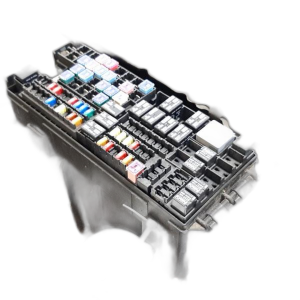
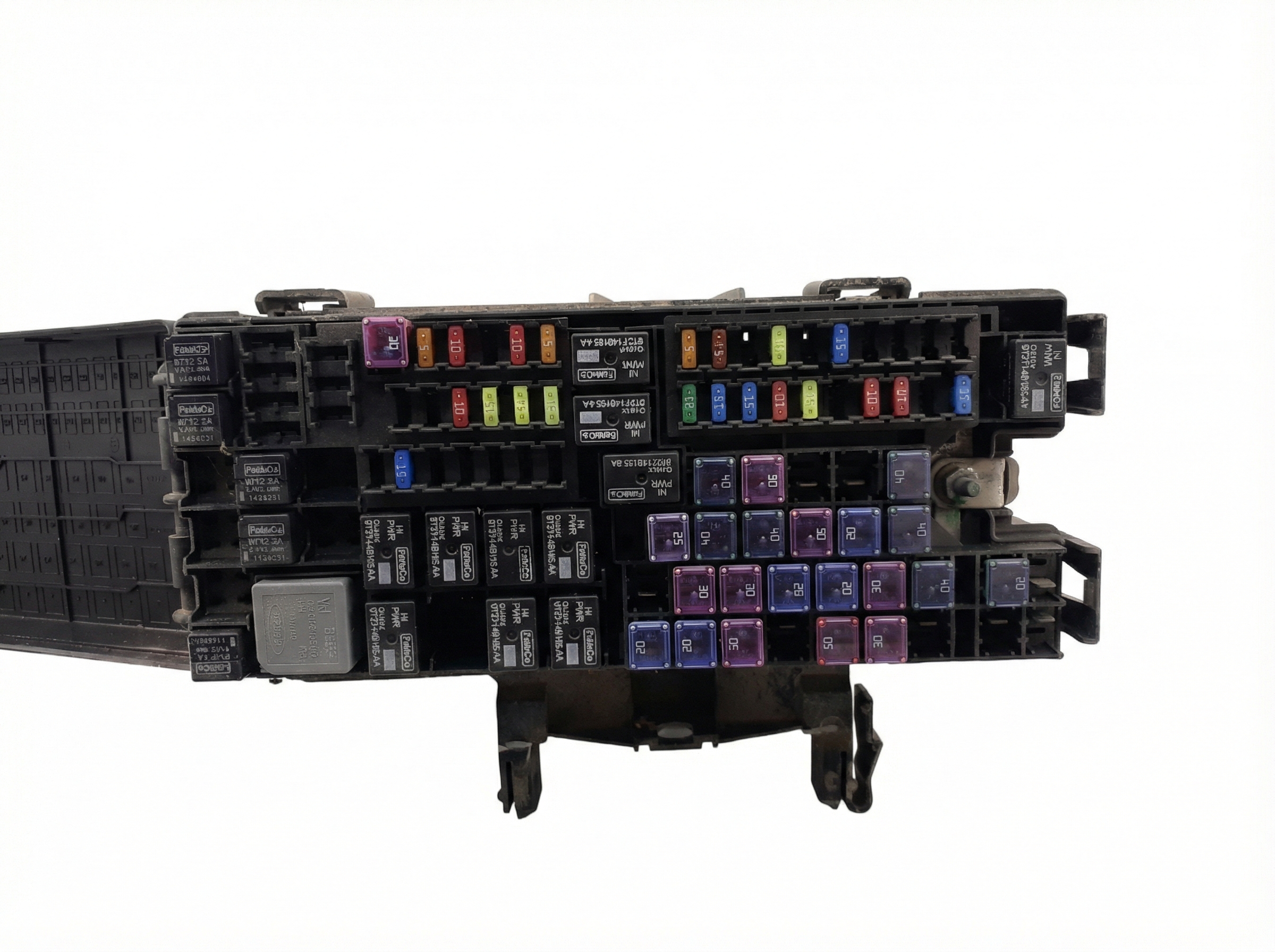
Also known as the Battery Junction Box (BJB) or Power Distribution Box. Location is in the engine compartment, typically on the driver's side. Contains a mix of fuses (Mini, J-Case) and relays to protect and control vehicle electrical circuits.
We Have This Part in Stock

The information in this article is provided for general reference and educational purposes only. Vehicle specifications, procedures, and part compatibility can vary by production date, trim level, and region. Always consult your vehicle's factory service manual and verify part numbers before purchasing or performing repairs. Safety-critical components such as airbags, seat belts, and braking systems should be installed by a qualified professional.
- Ford Explorer:
- Mercury Mountaineer:
- 🎬 Helpful Videos
- 🛍️ Shop This Part
- Understanding Your Fuse Box: Generations Matter
- 1997-2005 Explorer & 1997-2005 Mountaineer: The Simple Power Center
- 2006-2010 Explorer & 2006-2010 Mountaineer: The Fuel Pump Relay Problem
- 2011-2015 Explorer: The 'Smart' Battery Junction Box
- Symptoms of a Failing Fuse Box
- Known Issues, Recalls, and Technical Service Bulletins (TSBs)
- Buying a Used Fuse Box: What You MUST Know
- Programming and Installation Requirements
- Cost Breakdown
- Frequently Asked Questions (FAQ)
- 🎟️ Get 5% Off