

1994-2004 Mustang Fuse Box Guide: Solving Electrical Gremlins in SN95 & New Edge
A complete guide to identifying, diagnosing, and replacing the interior and engine bay fuse boxes for 1994-1998 and 1999-2004 Ford Mustangs, with no programming required.
- Fuse boxes are NOT interchangeable between 1994-1998 (SN95) and 1999-2004 (New Edge) models.
- These fuse boxes DO NOT require programming; a used OEM part is a simple, plug-and-play replacement.
- All models have two fuse locations: an interior panel (driver's side on 94-98, passenger's side on 99-04) and a Power Distribution Box in the engine bay.
- When buying a used fuse box, you must match the part number and carefully inspect for melting, corrosion, or physical cracks.
Critical Compatibility: 1994-1998 vs. 1999-2004

Important: The fuse boxes for 1994-2004 Mustangs are NOT interchangeable across the entire year range. There was a significant redesign in 1999. You must identify your vehicle's specific generation before purchasing a replacement.
- 1994-1998 (SN95): These models feature a more rounded body style. The interior fuse panel is located in the driver's side kick panel area.
- 1999-2004 (New Edge): These models have sharper, more angular body lines. The interior fuse panel was moved to the passenger side kick panel.
While both generations have a Power Distribution Box in the engine bay, the internal wiring and fuse layouts are different. Always match the part number from your original fuse box to ensure compatibility.
Symptoms of a Failing Fuse Box

A problem with a fuse box is often mistaken for a failure of the component it powers. While a simple blown fuse is the most common issue, the box itself can fail. Look for these signs:
- Multiple, Unrelated Electrical Failures: If systems that are not on the same circuit start failing simultaneously, it could point to a problem with the main power connections within the fuse box.
- Burning Smell or Discoloration: A distinct plastic or electrical burning smell from under the dash or hood is a serious red flag. Visually inspect the fuse box for any dark, discolored, or melted plastic around the fuse terminals.
- Corrosion: Green or white crusty buildup on the fuse terminals or the main wiring connectors indicates water or moisture intrusion. This can cause poor connections and intermittent electrical problems.
- Repeatedly Blowing Fuses: If a new fuse blows immediately after installation, it usually indicates a short circuit in that component's wiring. However, if the fuse terminal itself is loose or damaged, it can create high resistance, generate heat, and cause the fuse to blow.
- No Power to a Circuit with a Good Fuse: If you've tested a fuse and it's good, but the component still doesn't work, the problem could be the terminal contacts within the fuse box itself. The metal clips can lose tension or corrode, preventing a solid electrical connection.
1994-1998 (SN95) Fuse Box Locations


Interior Fuse Panel
Located on the driver's side of the dashboard, behind a small cover in the kick panel area to the left of the clutch or brake pedal. This panel holds the fuses for most interior functions like the radio, power mirrors, instrument cluster, and interior lighting.
Engine Bay Power Distribution Box
Found in the engine compartment on the driver's side, near the shock tower. This black plastic box contains larger fuses and relays for essential systems like the engine computer (PCM), fuel pump, cooling fan, and starter.
1999-2004 (New Edge) Fuse Box Locations
Interior Fuse Panel
Ford moved the interior fuse panel to the passenger side for the New Edge generation. It is located behind the kick panel in the passenger footwell. 🎬 Watch this quick guide to find all 99-04 fuse locations. This panel also contains the Generic Electronic Module (GEM) on some models, which controls functions like the interior lights and door chimes. Despite the presence of the GEM, the fuse box itself is not a programmable module.
Engine Bay Power Distribution Box
Similar to the SN95, the Power Distribution Box is in the engine compartment on the driver's side. It houses the high-current fuses and relays that protect and power the engine's most critical electrical components.
Pro Tip: Many electrical issues on these Mustangs are not the fuse box, but a separate component called the Constant Control Relay Module (CCRM). The CCRM, located in the passenger side fender well on many models, controls the fuel pump and cooling fan. If you have a no-start condition or overheating and the main fuses are good, the CCRM is a likely culprit.
🎬 See how to replace the CCRM with this step-by-step video.Known Issues, Recalls, and TSBs

While the fuse boxes themselves have not been the subject of a major recall, there is a critical safety recall that involves the vehicle's electrical system.
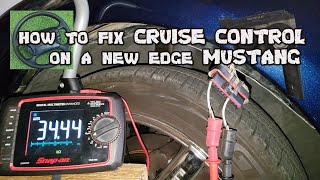
- NHTSA Recall 05S28 (Speed Control Deactivation Switch Fire): This major recall affects a wide range of Ford vehicles, including 1994-2004 Mustangs equipped with cruise control. The switch, located on the brake master cylinder, could leak brake fluid internally, leading to a short circuit, overheating, and a potential underhood fire. This could happen even when the car is turned off and parked. The fix involves installing a fused wiring harness to protect the circuit. It is crucial to verify 🎬 Watch this video to help troubleshoot and fix cruise control issues. if this recall has been performed on any vehicle.
- NHTSA Recall 95V063000 (Power Seat Wiring): On some 1994 models, the power seat lumbar support wiring could be punctured by its support wires, causing a short circuit that could result in overheating, smoke, or fire under the seat.
Buying a Used Fuse Box: What to Look For
A used OEM fuse box is an excellent, cost-effective solution for these Mustangs because they do not require any programming. A replacement is a simple plug-and-play swap. Here's what to inspect before you buy:
- Match the Part Number Exactly: This is the most important step. While boxes may look identical, there can be minor differences in internal wiring based on year, engine (V6 vs. V8), and options (convertible vs. coupe). Find the engineering number (e.g., F8ZB-14A067-BA) on your original box and match it.
- Inspect for Heat Damage: Look closely at the back of the box where the main harnesses connect and at each individual fuse slot. Any signs of melted plastic, discoloration, or charring are major red flags. Pay special attention to the large-amperage fuse slots.
- Check for Corrosion: Look for any green or white powder on the terminals. Water intrusion is a killer of electrical components. A clean, corrosion-free box is essential.
- Look for Physical Damage: Ensure the plastic housing is not cracked or broken, and that all mounting tabs are intact. A forum user reported the metal distribution plate underneath the fuse box breaking apart, causing a no-start condition.
- Confirm All Fuses/Relays are Present: While you can swap your old fuses and relays, a box that comes complete is a good sign it was removed carefully from a functional vehicle.
Cost Comparison
| Part Type | Estimated Cost | Notes |
|---|---|---|
| New OEM | $350 - $700+ | May be difficult to find or discontinued for older models. Prices can be very high. |
| New Aftermarket | Not Commonly Available | Complete aftermarket fuse boxes for this specific application are rare. Individual fuses and relays are readily available. |
| Used OEM | $50 - $200 | Best value. No programming needed. Ensure you match the part number and inspect for damage. |
| Shop Labor | $100 - $250 | Typically 1-2 hours of labor. It's a straightforward replacement, but can be awkward to access the interior panel. |
Frequently Asked Questions (FAQ)
Does a 1994-2004 Mustang fuse box need to be programmed?
No. Unlike modern vehicles, the fuse boxes in this generation of Mustang are not integrated with a Body Control Module (BCM) that requires programming. A replacement, whether new or used, is a direct swap and does not require a visit to a dealer for software flashing.
What is the difference between the SN95 (94-98) and New Edge (99-04) fuse boxes?
The primary difference is the location of the interior fuse panel. It is in the driver's kick panel on 1994-1998 models and was moved to the passenger kick panel for 1999-2004 models. The layouts and specific fuse assignments also changed. The engine bay Power Distribution Boxes are also different and not interchangeable.
Why does my fuel pump or radio fuse keep blowing?
A fuse that blows repeatedly is almost always caused by a short circuit in the wiring or a failure in the component itself, not a faulty fuse box. For example, a frayed wire leading to the fuel pump may be grounding out on the chassis, or the radio itself may have an internal short. Do not install a higher-rated fuse to solve this problem; this creates a fire hazard. The correct procedure is to trace the wiring for the affected circuit and inspect the component it powers.
Where is the fuse for the starter?
The starter motor itself is a high-draw component and is not typically protected by a fuse in the same way smaller accessories are. However, the starter *relay* and the control side of the starting circuit are protected by fuses. These are located in the Power Distribution Box in the engine bay. If your car clicks but doesn't crank, checking the starter relay and its associated fuses is a good first step after testing the battery.
Helpful Videos
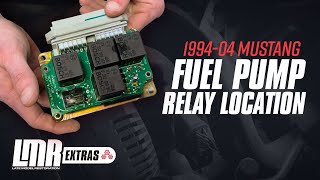
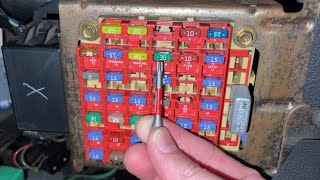
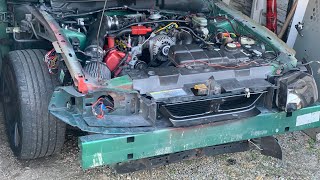
Technical Specifications
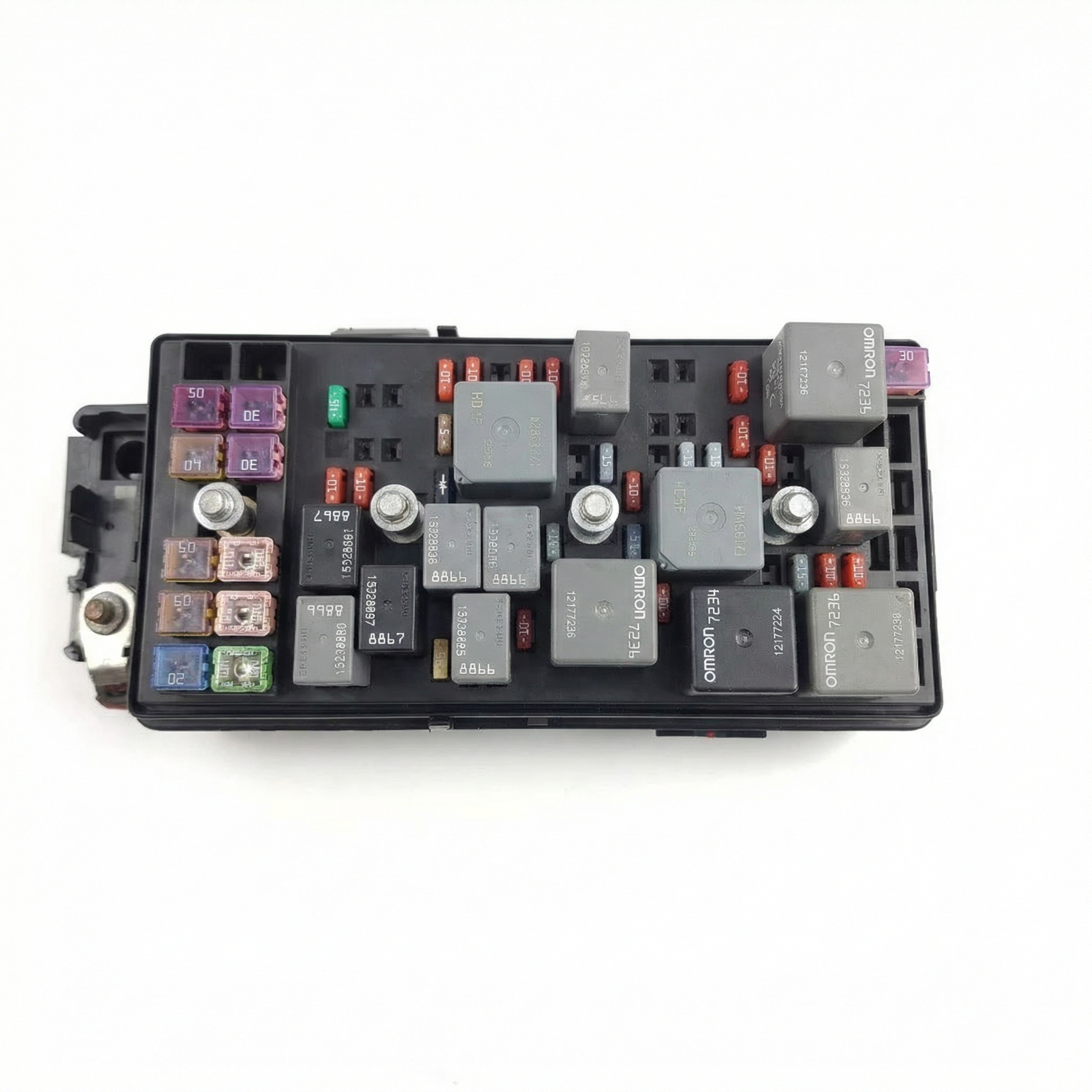
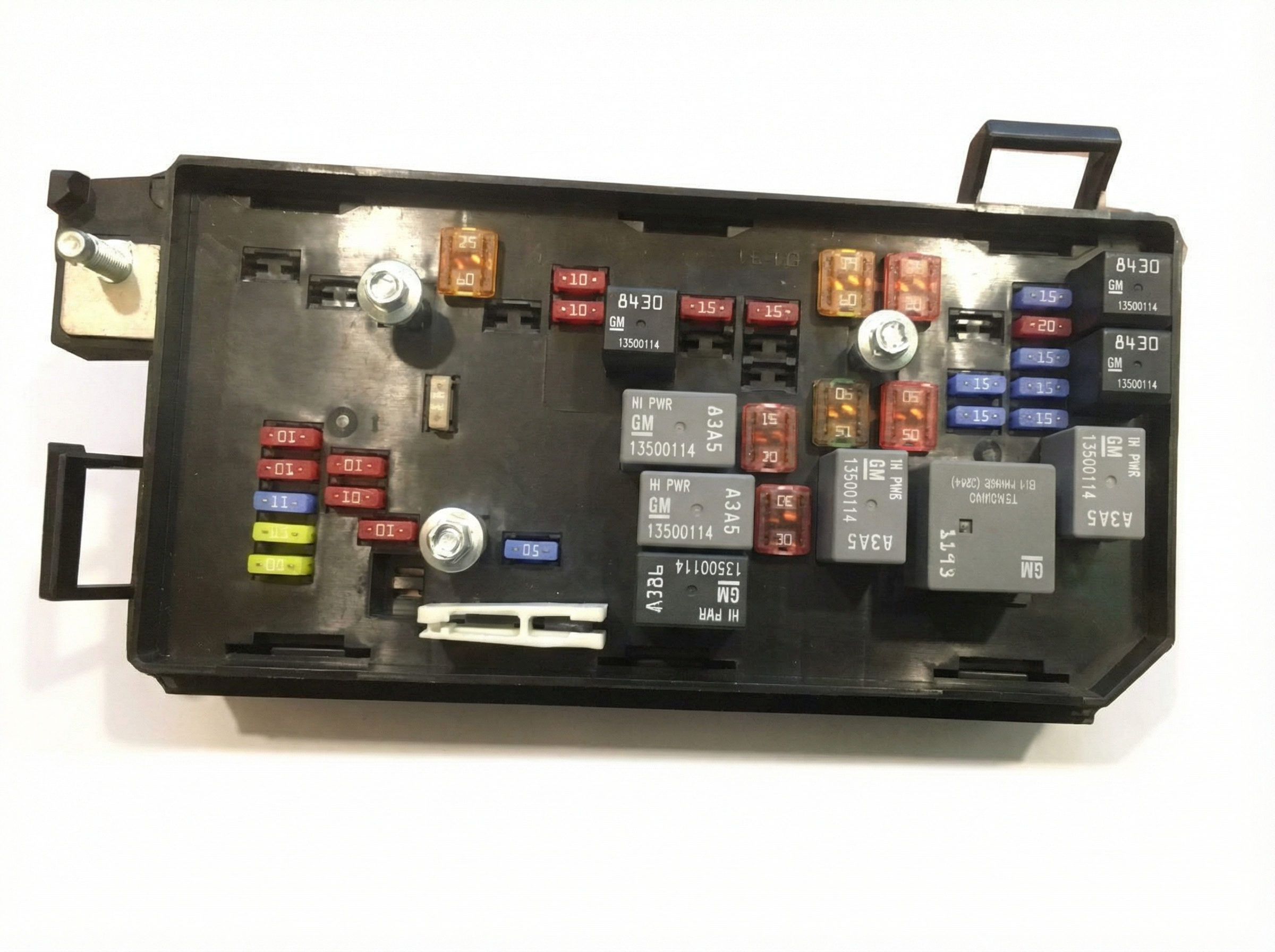
OEM Part Numbers: F8ZB-14A067-BA (1998 Example) 1R3T-14A067-AD (New Edge Example)
Each vehicle has two fuse panels: an interior panel for cabin electronics and an under-hood Power Distribution Box for high-current systems. Compatibility is year, model, and option-specific. Always match the part number from the original unit.
We Have This Part in Stock

The information in this article is provided for general reference and educational purposes only. Vehicle specifications, procedures, and part compatibility can vary by production date, trim level, and region. Always consult your vehicle's factory service manual and verify part numbers before purchasing or performing repairs. Safety-critical components such as airbags, seat belts, and braking systems should be installed by a qualified professional.
- Ford Mustang:
- 🎬 Helpful Videos
- 🛍️ Shop This Part
- Critical Compatibility: 1994-1998 vs. 1999-2004
- Symptoms of a Failing Fuse Box
- 1994-1998 (SN95) Fuse Box Locations
- Interior Fuse Panel
- Engine Bay Power Distribution Box
- 1999-2004 (New Edge) Fuse Box Locations
- Interior Fuse Panel
- Engine Bay Power Distribution Box
- Known Issues, Recalls, and TSBs
- Buying a Used Fuse Box: What to Look For
- Cost Comparison
- Frequently Asked Questions (FAQ)
- 🎟️ Get 5% Off