

Genesis G80 & GV80 Engine Fuse Box Guide (2018-2025): Fire Recalls, Part Numbers & Diagnosis
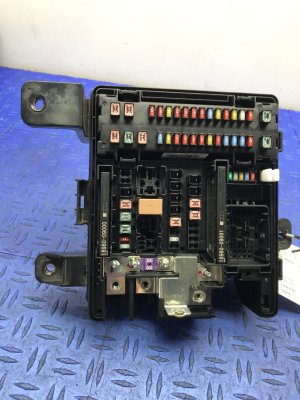
This guide covers the two distinct engine bay fuse boxes used in the 2018-2025 Genesis G80 and GV80, including critical fire-risk recalls for 2018-2020 models.
- There are two different, non-interchangeable fuse boxes: one for the 2018-2020 G80 and another for the 2021-2025 G80/GV80.
- The 2018-2020 G80 has two critical fire-risk recalls (NHTSA 21V-160 and 24V107000) related to the ABS module and starter solenoid. Owners should park outside until repairs are made.
- The engine bay fuse box does NOT require programming on any of these models, making a used part a good value.
- When buying used, you must match the part number exactly and inspect carefully for any signs of corrosion or heat damage.
Important: Two Generations, Two Different Fuse Boxes

This guide covers two distinct vehicle platforms and their corresponding engine fuse boxes. The parts are NOT interchangeable between these generations.
- 2021-2025 Genesis G80 (RG3) & 2021-2025 Genesis GV80 (JX1): These vehicles are built on a shared platform and use the same modern engines and fuse box design.
- 2018-2020 Genesis G80 (DH): This earlier generation has a different platform, different engines, and a different fuse box. This model is subject to critical fire-risk recalls involving the electrical system.
Always verify your vehicle's model year before purchasing a replacement part.
Part 1: 2021-2025 Genesis G80 & GV80 (2.5T, 3.5T) Engine Fuse Box

The engine bay fuse box on the second-generation G80 (RG3) and first-generation GV80 (JX1) is a single, integrated unit often called a "PCB Block Assembly." It is located in the engine compartment, typically on the passenger side.
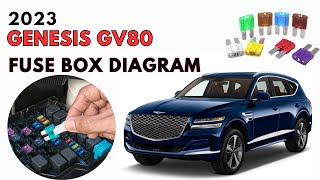
🎬 Watch: Locate and identify fuses with this GV80 diagram guide.Known Part Numbers
- 91959-T1100
Known Issues and Related Problems
While there are no widespread recalls specifically for the fuse box on these models, they can still fail from moisture, corrosion, or internal shorts. 🎬 Watch: One owner's experience with Genesis electrical issues and service. Additionally, other electrical issues can mimic fuse box failure.
- Fuel Pump Failure Recall (NHTSA 23V630000): A recall was issued for a faulty fuel pump in certain 2021-2022 G80 and GV80 models, which can cause a loss of drive power. Symptoms could be mistaken for a bad fuel pump relay within the fuse box.
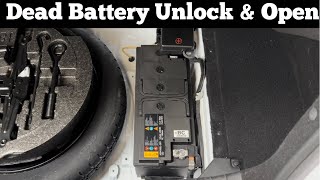
- Battery Drain TSBs: Genesis has issued technical service bulletins (TSBs) related to battery drain while the vehicle is off. While often software-related, a faulty relay within the fuse box could also be a cause. 🎬 See how to jump start and access a dead battery.
Pro Tip: This engine bay fuse box does NOT require programming. It is a plug-and-play component. If a shop claims programming is needed, they may be confusing it with the interior fuse box (Smart Junction Box), which does require programming.
Part 2: 2018-2020 Genesis G80 (3.8L, 3.3T, 5.0L) Engine Fuse Box

The first-generation G80 (DH) uses a different engine fuse box and is subject to two major safety recalls that involve the vehicle's electrical system and can lead to an engine compartment fire.
Known Part Numbers
- 91226-B1370 (Often sold as part of a larger front wiring assembly)
CRITICAL SAFETY RECALLS
Warning: Owners of these vehicles are strongly advised to park outside and away from structures until these recall repairs have been completed due to the risk of fire, even when the vehicle is parked and turned off.
Recall: ABS Module Fire Risk (NHTSA 21V-160)
A defect in the Anti-Lock Brake System (ABS) module can cause it to short circuit internally over time. This can lead to an engine compartment fire while driving or parked. Warning signs include smoke, a burning or melting odor, or an illuminated check engine light. The official remedy from Genesis involves dealers installing a new, lower-amperage fuse for the ABS module circuit to prevent overcurrent.
Recall: Starter Solenoid Fire Risk (NHTSA 24V107000)
Water can enter the starter solenoid, leading to an electrical short. This can cause an engine compartment fire. The remedy involves the dealer installing a relay kit in the engine junction box to prevent the solenoid from being continuously powered.
Compatibility Warning
The initial data for this part specified fitment for 3.8L RWD models only. It is critical to match the part number from your original fuse box exactly, as different options (engine, drivetrain, park assist, fog lamps) may require a different fuse box configuration.
Symptoms of a Failing Fuse Box

- Multiple Unrelated Electrical Failures: When several different systems stop working at once (e.g., headlights, radio, and power windows), it often points to the fuse box rather than individual components.
- Intermittent Problems: Components that work one moment and fail the next can be a sign of a loose connection or failing relay inside the fuse box.
- Engine Won't Start or Stalls: A bad main relay or fuel pump relay, which are often integrated into the fuse box, can prevent the engine from starting or cause it to shut off unexpectedly.
- Visible Damage: Obvious signs include melted plastic around fuse or relay sockets, green or white crusty corrosion on the terminals, or signs of water intrusion under the cover.
- Repeatedly Blowing Fuses: If a specific fuse blows immediately after being replaced, it indicates a short circuit. If multiple different fuses blow, the fuse box itself may have an internal short.
- Burning Smell: A plastic or electrical burning smell from the engine bay or under the dash is a serious sign of overheating and a potential fire hazard.
Buying a Used Fuse Box: What to Look For

A used OEM fuse box can be a reliable and cost-effective solution, as these units are generally durable. Aftermarket versions are rare and not recommended due to potential quality and compatibility issues.
- Match the Part Number EXACTLY: This is the most important step. Different trim levels, engines, and options require different internal wiring. Using the wrong part number will lead to features not working. Find the number on the sticker of your original part.
- Verify the Vehicle Generation: Ensure the donor vehicle is from the same generation as yours (2018-2020 G80 vs. 2021+ G80/GV80).
- Perform a Thorough Physical Inspection:
- Check all fuse and relay sockets for signs of melting, blackening, or heat damage.
- Look for any white or green powder (corrosion) on the terminals, both on top and on the connectors underneath. Avoid any unit with signs of corrosion.
- Ensure the plastic housing is not cracked or broken, which could allow future water entry.
- Ask the seller if the vehicle it came from had any flood or fire damage. Never buy a part from a flood-damaged car.
- Confirm No Programming is Needed: The engine bay fuse box for these models is plug-and-play. This makes a used part an excellent value, as no dealer visit is required for installation.
Cost Comparison
| Part Type | Estimated Cost |
|---|---|
| New OEM | $155 - $250 |
| New Aftermarket | Not Generally Available |
| Used OEM | $75 - $200 |
| Shop Labor (Replacement) | $100 - $180 |
Frequently Asked Questions (FAQ)
Does the engine fuse box need to be programmed to my car?
No. The main engine compartment fuse box (Engine Junction Block) on both the 2018-2020 G80 and the 2021-2025 G80/GV80 does not require any programming. It is a plug-and-play part. However, the interior fuse box (located inside the cabin, often called a Smart Junction Box or IBU) does require programming by a dealer or qualified shop to match your vehicle's VIN and options. Do not confuse the two parts.
Can I just replace a bad relay inside the fuse box?
No. On these modern Genesis models, most of the critical relays are soldered directly onto the internal printed circuit board (PCB) of the fuse box. They are not designed to be individually serviced or replaced. If an integrated relay fails, the entire fuse box assembly must be replaced.
My 2019 G80 won't start. Could it be the ABS fire recall?
While the ABS module recall (NHTSA 21V-160) is primarily a fire risk, severe electrical shorts can cause a variety of issues, including a no-start condition. A more likely cause of a no-start related to a recall is the starter solenoid issue (NHTSA 24V107000), which can prevent the starter from engaging. In any case, if your vehicle is under recall, you should have the free remedy performed immediately.
What causes the fuse box to fail?
The most common cause of failure is water intrusion. Clogged cowl drains, damaged weather seals, or even pressure washing the engine bay can allow moisture inside, leading to corrosion and short circuits. Other causes include internal relay failure from age or an external short circuit in a component that causes a surge, overheating and melting the fuse socket.
Helpful Videos
Technical Specifications
OEM Part Numbers: 91959-T1100 (Fits 2021-2025 G80 & GV80) 91226-B1370 (Fits 2018-2020 G80)
Houses blade-type fuses and integrated, non-serviceable relays. Connects to the main vehicle wiring harness. Does not require programming.
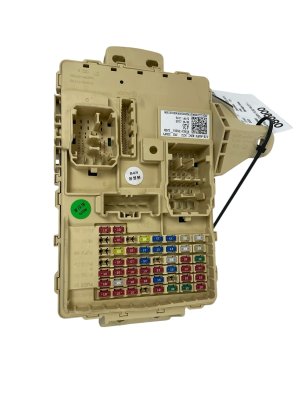
We Have This Part in Stock

The information in this article is provided for general reference and educational purposes only. Vehicle specifications, procedures, and part compatibility can vary by production date, trim level, and region. Always consult your vehicle's factory service manual and verify part numbers before purchasing or performing repairs. Safety-critical components such as airbags, seat belts, and braking systems should be installed by a qualified professional.
- Genesis G80:
- Genesis GV80:
- 🎬 Helpful Videos
- 🛍️ Shop This Part
- Important: Two Generations, Two Different Fuse Boxes
- Part 1: 2021-2025 Genesis G80 & GV80 (2.5T, 3.5T) Engine Fuse Box
- Known Part Numbers
- Known Issues and Related Problems
- Part 2: 2018-2020 Genesis G80 (3.8L, 3.3T, 5.0L) Engine Fuse Box
- Known Part Numbers
- CRITICAL SAFETY RECALLS
- Compatibility Warning
- Symptoms of a Failing Fuse Box
- Buying a Used Fuse Box: What to Look For
- Cost Comparison
- Frequently Asked Questions (FAQ)
- 🎟️ Get 5% Off