

2007-2012 Acadia, Enclave, Traverse & Outlook Fuse Box: Solving Water Leaks & Electrical Gremlins
This guide explains common failures in the underhood fuse box, including water damage and internal faults, and shows how to choose the correct replacement for your vehicle's specific options.
- Water damage from clogged sunroof drains or leaking windshield cowls is the #1 cause of failure for these fuse boxes.
- Compatibility is critical and depends on whether your vehicle has a factory tow package and/or HID headlights. Always match the part number from your original unit.
- This fuse box does NOT require dealer programming for 2007-2012 models; it is a plug-and-play replacement.
- Symptoms often include multiple random electrical failures, a no-start condition, or the engine continuing to run with the key off.
Symptoms of a Failing Fuse Box
A problem with the underhood fuse box can manifest in numerous ways, often mimicking other component failures. Because it controls so many systems, symptoms can be intermittent and difficult to diagnose.
- Multiple Unrelated Electrical Failures: This is the most common sign. You might experience issues like the radio not working, power windows failing, and the heater fan quitting all at once.
- Engine Stalling or No-Start: The fuse box powers the fuel pump and engine control module (ECM). A poor connection can cause the engine to stall while driving or fail to start at all. You may hear a click but the engine won't crank.
- Engine Continues to Run with Key Off: Water intrusion can cause short circuits that keep power flowing to essential relays even after the ignition is turned off.
- Flickering or Random Warning Lights: You may see the Check Engine, ABS, or Traction Control lights illuminate intermittently, sometimes accompanied by messages like "Service Stabilitrak" or "Reduced Engine Power."
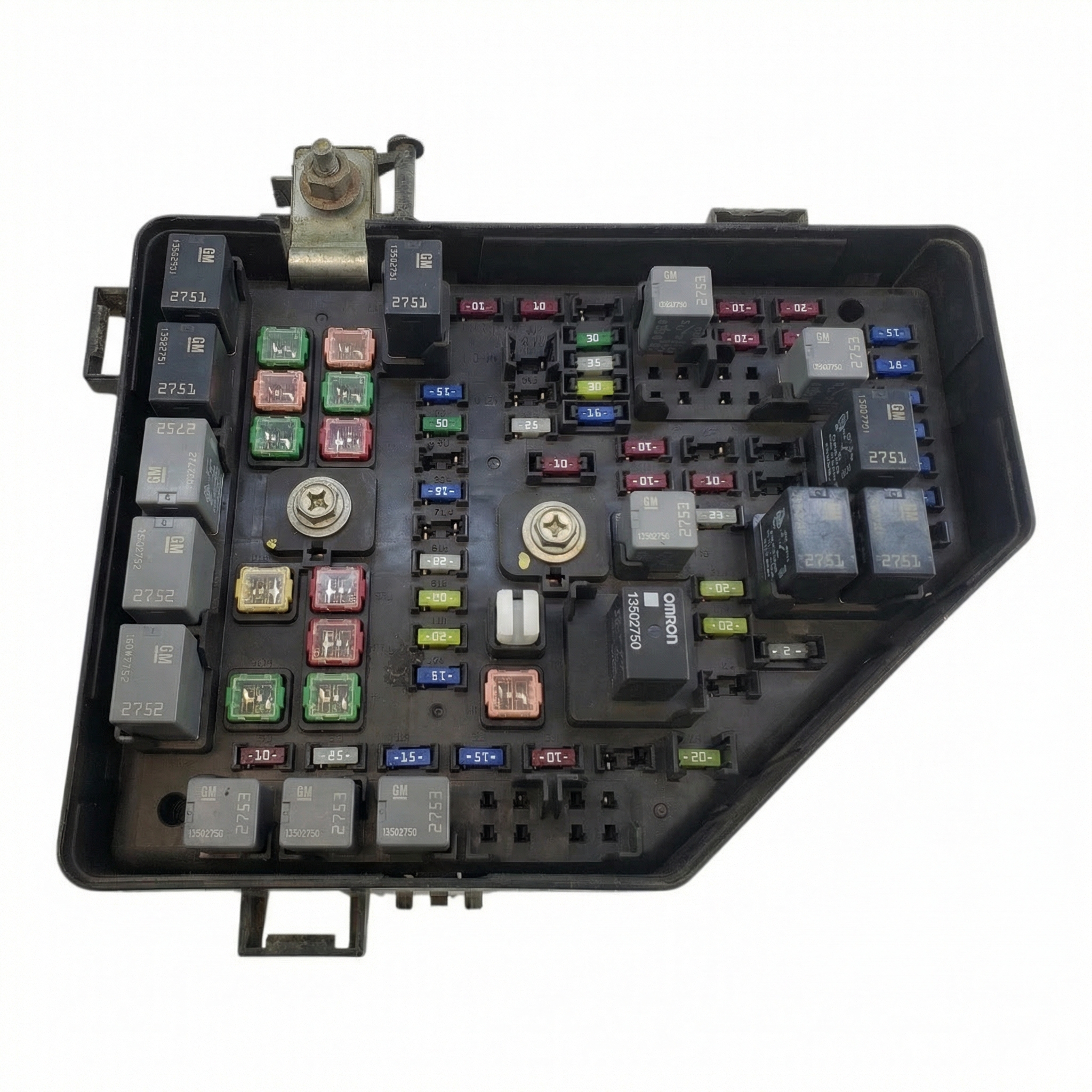
- Visible Corrosion or Melting: A physical inspection may reveal green or white crusty deposits (corrosion) around the terminals or melted plastic around fuse or relay sockets.
- Burning Plastic Smell: A strong burning odor from under the hood can indicate a short circuit or an overheating relay within the fuse box.
- Specific Diagnostic Trouble Codes (DTCs): While a failing fuse box may not have its own code, it often causes other modules to report faults. Codes P1682 (Ignition 1 Switch Circuit 2) and P0689 (Engine Controls Relay Feedback Circuit Low Voltage) are strongly associated with internal fuse box connection problems on these GM vehicles.
Known Issues, Recalls, and Service Bulletins
These GM crossovers are known for a few specific issues related to the underhood fuse box. Understanding them is key to a successful diagnosis and repair.
Water Intrusion (The Primary Cause of Failure)
The most common killer of these fuse boxes is water damage. GM issued Technical Service Bulletin (TSB) 08-08-57-003F to address this exact problem. Water can enter the cabin and engine bay from several sources:
- Clogged or disconnected sunroof drain tubes.
- A poorly sealed windshield, especially after a replacement.
- Unsealed body seams in the cowl area (the space below the windshield where the wipers are mounted).
This water often drips directly onto the interior fuse panel (IP BEC) or the underhood fuse box and its connectors, causing corrosion and short circuits. Symptoms like the engine running with the key off or random electrical behavior are classic signs of water damage.
Heated Windshield Washer Fluid (HWFS) Recall (10153B)
Many of these vehicles were equipped with an optional heated washer fluid system (RPO code XA7 or CHW). This system was prone to short circuits that could cause a fire. After an initial recall fix failed, GM issued a final recall (NHTSA 10V240000, GM #10153B) to permanently disable the system. The procedure required dealers to:
- Remove the heated washer fluid module.
- Reroute the washer fluid hoses.
- Remove the 60-amp HWFS fuse from the underhood fuse box.
- Issue a $100 payment to the owner for the loss of the feature.
If you are inspecting a used fuse box, the 60-amp fuse for this system may be missing. This is normal if the recall was performed and is not a sign of a problem.
Pro Tip: If you suspect water damage, check the front passenger footwell for dampness under the carpet. This is a tell-tale sign of a leak that could be affecting the fuse panels.
Buying a Used Fuse Box: What to Look For
A used OEM fuse box is often the best and most economical solution, as complete aftermarket assemblies for these specific models are not widely available. Here’s how to ensure you get a good one.
1. Physical Inspection is Crucial
Before purchasing, inspect the fuse box carefully:
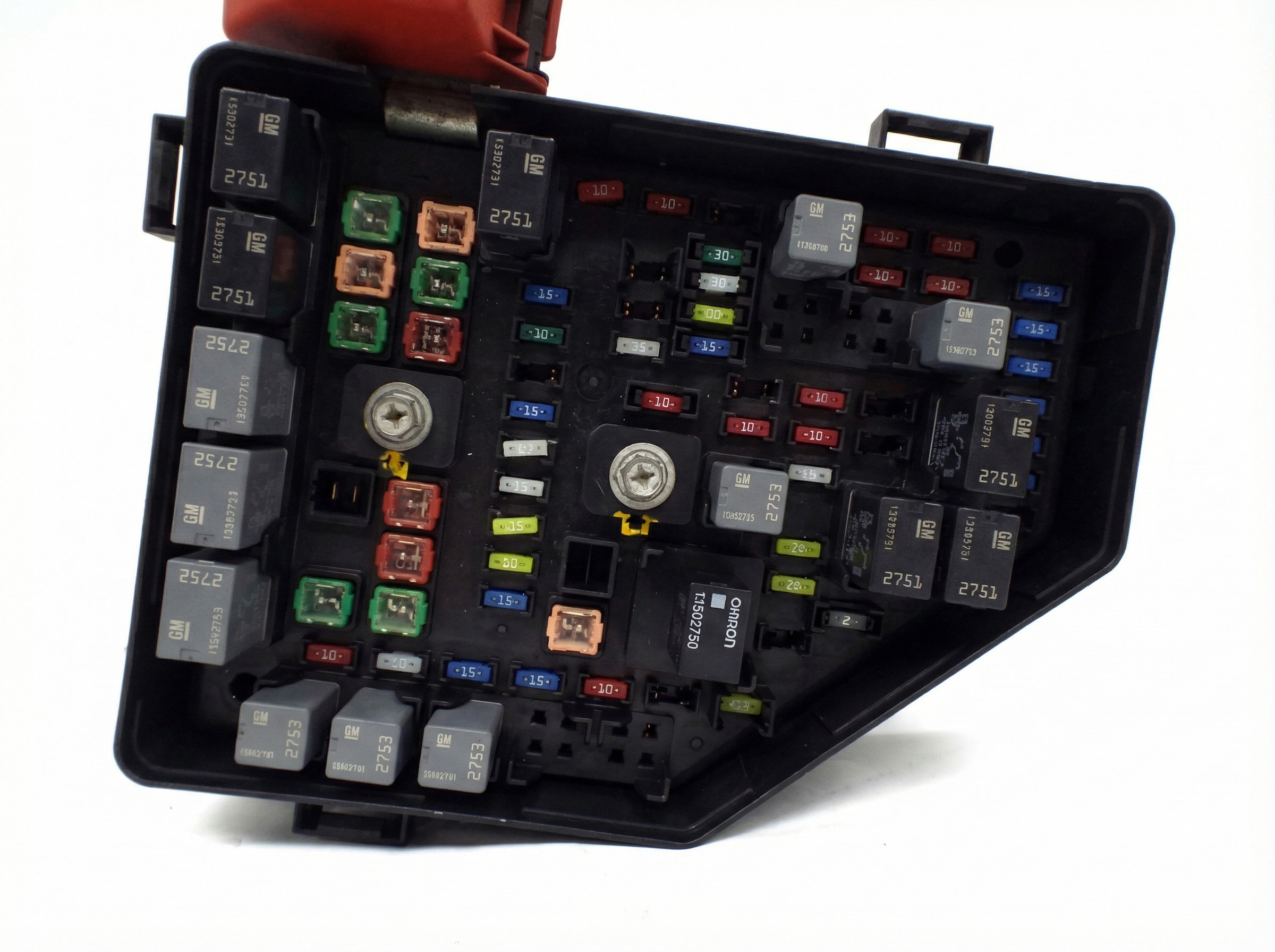
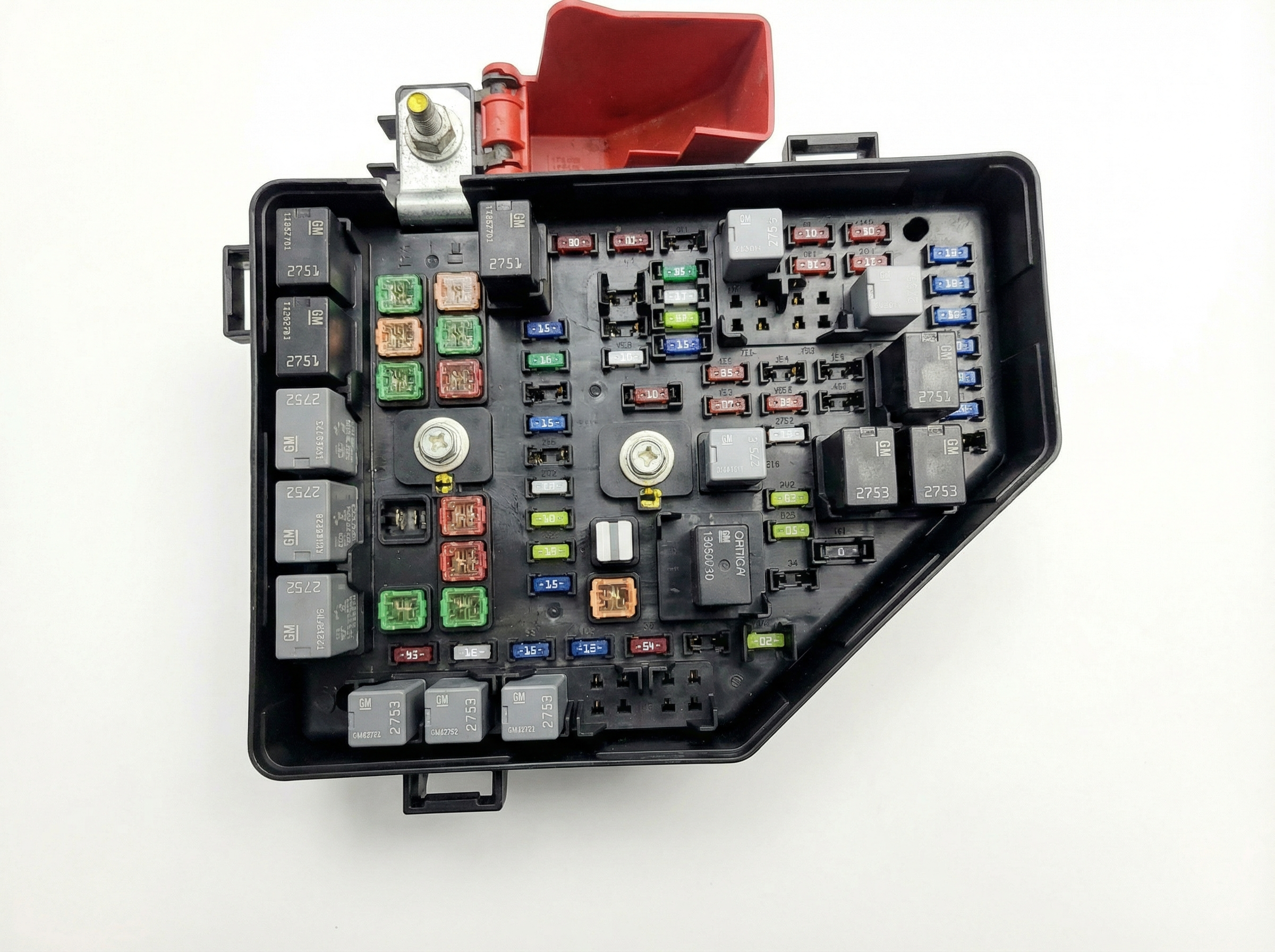
- Check for Corrosion: Look for any green, white, or chalky residue on the pins, fuse sockets, or the large connectors on the bottom. Any sign of corrosion means the box has been exposed to moisture and should be avoided.
- Look for Melted Plastic: Inspect the sockets for every fuse and relay. Any melting or discoloration indicates a past short circuit or the use of an incorrect fuse, which may have damaged the internal wiring.
- Examine the Connectors: The large connectors on the underside are critical. Ensure all pins are straight, clean, and free of damage.
- Check for Broken Tabs: Make sure the plastic housing and all mounting tabs are intact for a secure installation.
2. Match the Part Number and Options (The #1 Challenge)
This is the most critical step. GM used many different fuse boxes depending on the vehicle's factory-installed options. Using the wrong one will result in certain features not working. The primary differences are:
- Factory Towing Package (RPO V92)
- High-Intensity Discharge (HID) Headlights (RPO TVD) vs. standard Halogen headlights
How to Verify Your Options:
- Tow Package: The easiest way to check is to look for the factory-installed 2-inch trailer hitch receiver at the rear. The factory package also includes a Tow/Haul mode button on the center console.
- HID Headlights: HID headlights have a distinct bluish-white light and often have a visible projector lens inside the headlamp housing. Halogen lights produce a warmer, yellowish light.
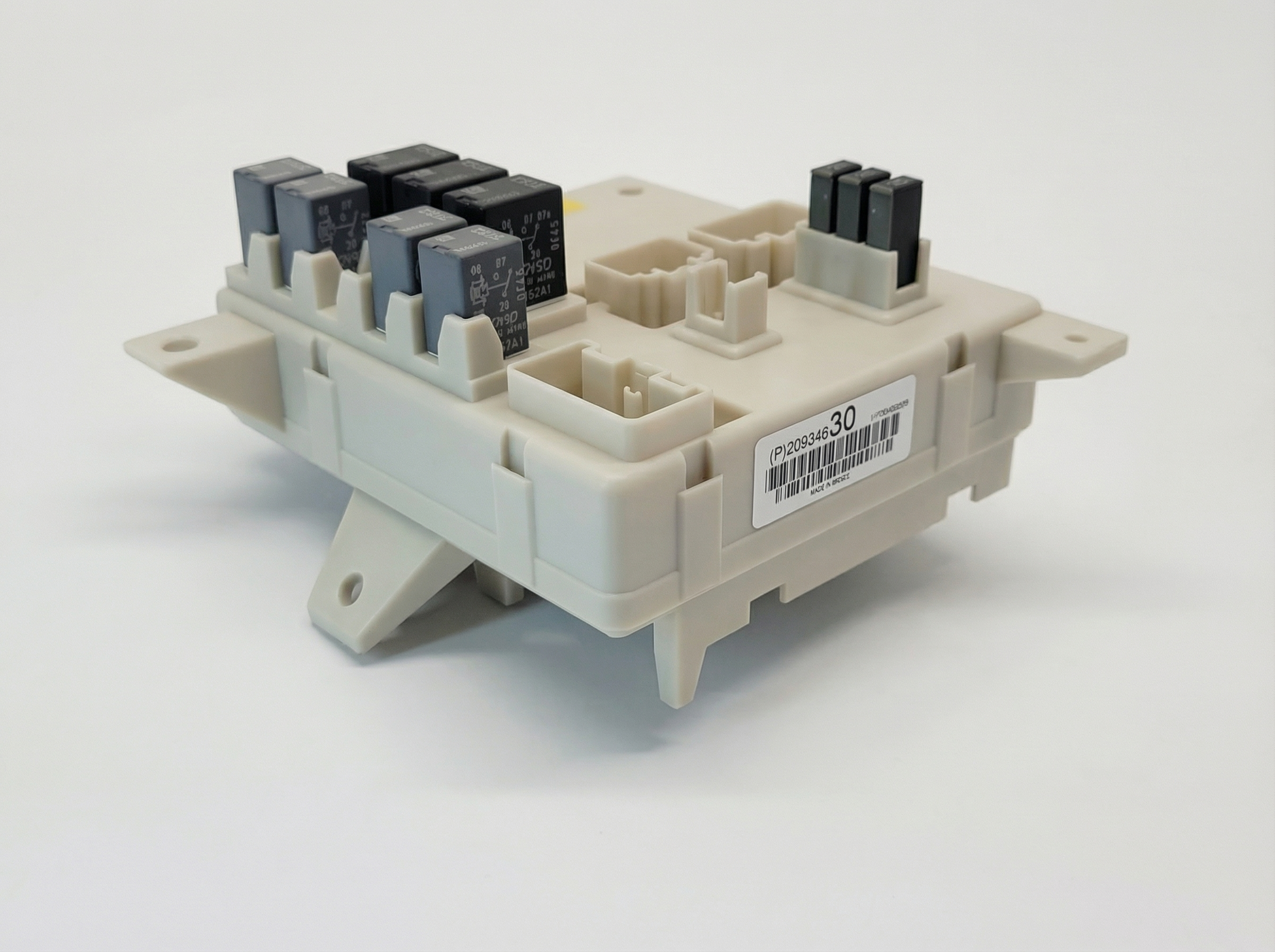
Always match the part number from your original fuse box. The number is typically printed on a sticker on the side or cover of the unit. One common part number, 20757040 (which supersedes 20913281), is specified for vehicles WITHOUT a tow package and WITH HID headlights. Due to the many variations, physically matching the part number is the only way to guarantee compatibility.
Warning: Do not assume a fuse box is correct based on the vehicle model alone. A 2011 Acadia with a tow package uses a different fuse box than a 2011 Acadia without one. Always verify the part number on your original unit before ordering.
Fuse Box Replacement
Replacing the underhood fuse box is a straightforward job that can be done with basic hand tools. It typically takes about an hour.
- Disconnect the Negative Battery Terminal. This is the most important safety step.
- Remove the fuse box cover.
- Unbolt the main positive battery cable(s) from the terminal stud on the fuse box (typically a 13mm nut).
- Release the plastic clips holding the main fuse box assembly to the lower tray. There are typically 3-5 tabs around the perimeter.
- Lift the fuse box up to access the large electrical connectors on the bottom. Release the locking levers or bolts on these connectors and unplug them.
- Before installing the new box, it's a good idea to take a photo of the fuse and relay layout of your old box. While a good used unit should come complete, you may need to transfer specific fuses or relays to the replacement.
- Installation is the reverse of removal. Ensure all connectors are fully seated and locked before reconnecting the battery.
Programming and Setup After Installation
For the 2007-2012 model years covered in this guide, the underhood fuse box does not require any programming or flashing. It is a non-intelligent power distribution module. Once installed correctly, it should function immediately. Later model years (circa 2013+) may have integrated electronics that do require programming, but for these specific vehicles, the replacement is a direct swap.
Cost of Replacement
The cost can vary significantly depending on the source of the part and who performs the labor.
| Part Source | Estimated Cost |
|---|---|
| New OEM | $300 - $550 |
| New Aftermarket | Not commonly available as a complete assembly. |
| Used OEM | $75 - $250 |
| Shop Labor | $125 - $250 (1-1.5 hours) |
Frequently Asked Questions (FAQ)
Does a replacement fuse box need to be programmed to my vehicle?
No. For the 2007-2012 Acadia, Enclave, Outlook, and Traverse, the underhood fuse box is a plug-and-play component and does not require any dealer programming.
What is the main cause of fuse box failure on these vehicles?
Water intrusion is the number one cause of failure. Clogged sunroof drains or leaking cowl/windshield seals allow water to drip onto the fuse box and its connectors, leading to corrosion and electrical shorts.
Can I use a fuse box from a different model, like an Enclave box in an Acadia?
Yes, as long as the part number is an exact match. These vehicles were built on the same platform, and the fuse boxes are interchangeable if the part number is identical, which ensures the internal wiring corresponds to the same options (tow package, headlight type, etc.).
My mechanic found codes P1682 and P0689. Does that mean the fuse box is bad?
It's a very strong possibility. These codes point to a loss of voltage in the ignition and powertrain relay circuits. On these GM vehicles, this is frequently caused by poor internal connections or cracked solder joints inside the fuse box. While other causes are possible, the fuse box is a common and well-documented point of failure for these specific codes.
Can I just clean the corrosion off my old fuse box?
You can try, but it is often a temporary fix. Cleaning the external terminals with an electrical contact cleaner may restore function for a while, but if water has penetrated the multi-layered internal circuits of the box, the damage is likely permanent and the problems will return. Replacement is the only reliable, long-term solution.
Technical Specifications
OEM Part Numbers: 15927723 20757040 20818504 20885193 20913281 20934633 20972848 20972849 20972850 20972852 20972853 20972855 22940337 25856252
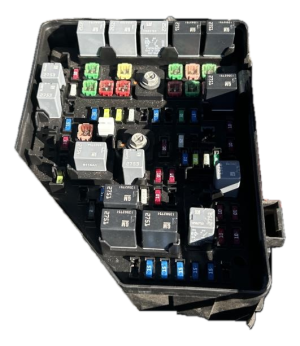
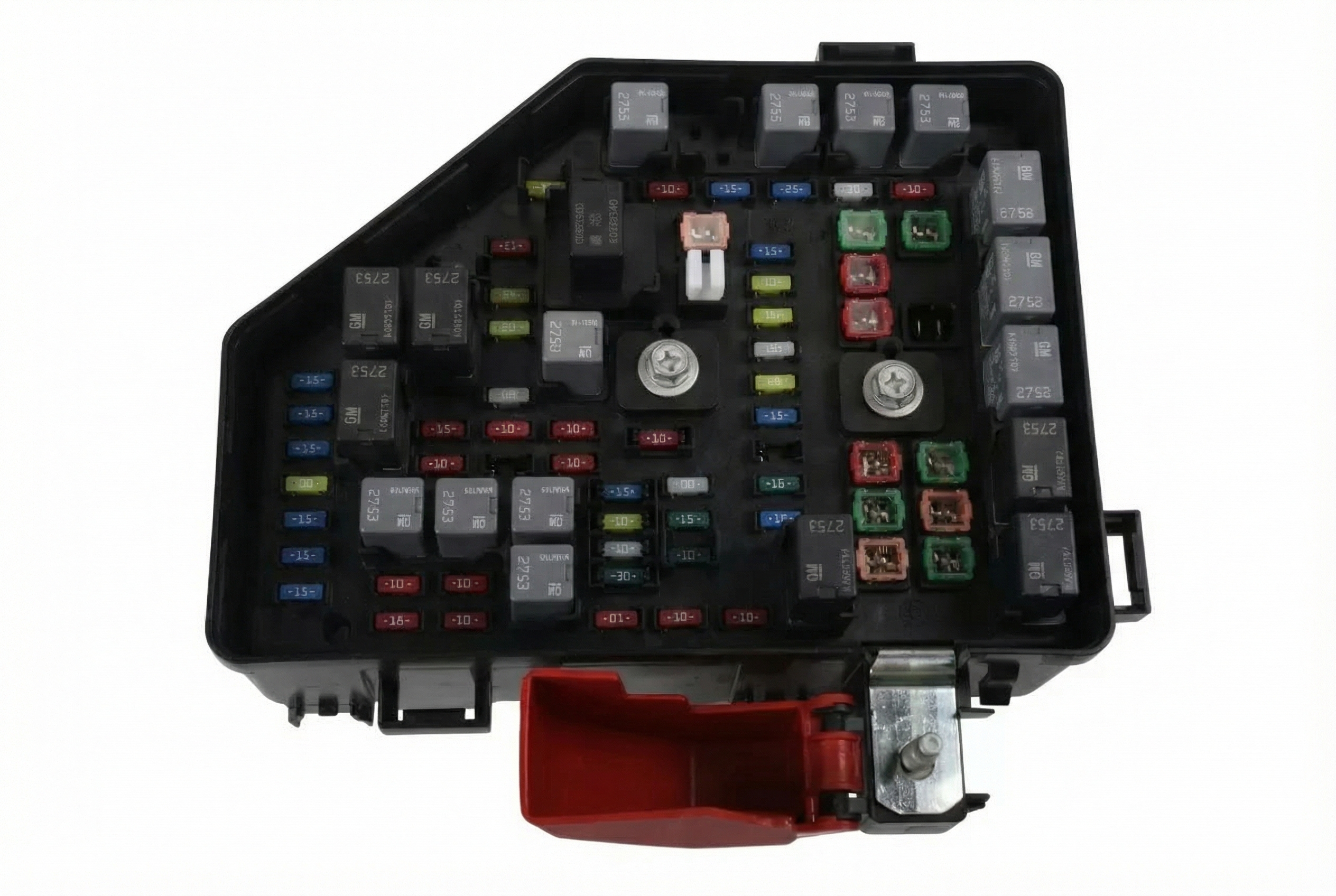
Located in the engine compartment on the passenger side of the vehicle. Houses blade-type fuses (Mini, J-Case) and relays. Connects via several large multi-pin connectors on the underside and a main battery stud on top.
We Have This Part in Stock

The information in this article is provided for general reference and educational purposes only. Vehicle specifications, procedures, and part compatibility can vary by production date, trim level, and region. Always consult your vehicle's factory service manual and verify part numbers before purchasing or performing repairs. Safety-critical components such as airbags, seat belts, and braking systems should be installed by a qualified professional.
- GMC Acadia:
- Buick Enclave:
- Saturn Outlook:
- Chevrolet Traverse:
- 🛍️ Shop This Part
- Symptoms of a Failing Fuse Box
- Known Issues, Recalls, and Service Bulletins
- Water Intrusion (The Primary Cause of Failure)
- Heated Windshield Washer Fluid (HWFS) Recall (10153B)
- Buying a Used Fuse Box: What to Look For
- 1. Physical Inspection is Crucial
- 2. Match the Part Number and Options (The #1 Challenge)
- Fuse Box Replacement
- Programming and Setup After Installation
- Cost of Replacement
- Frequently Asked Questions (FAQ)
- 🎟️ Get 5% Off