

2018-2021 Honda Clarity Fuse Box: Programming, Diagnosis, and Replacement Guide
This guide covers the essential details for diagnosing and replacing the interior fuse box, including the critical programming steps required after installation.
- This part is the MICU (Body Control Module) and MUST be programmed to the car's immobilizer system after installation, or the car will not start.
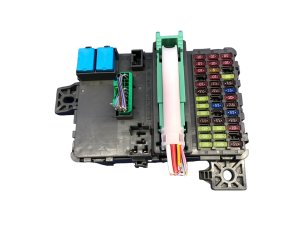
- This fuse box (38200-TRW-A01) fits ONLY the Honda Clarity Plug-In Hybrid (PHEV) models from 2018-2021.
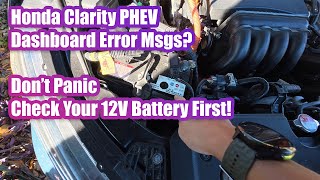
- Many electrical issues on the Clarity, like flickering lights and multiple warnings, are caused by a weak 12V battery, not a bad fuse box. Always test the battery first.
- A used OEM fuse box is a viable, cost-effective option, but it must be inspected for damage and will still require professional programming.
Symptoms of a Failing Fuse Box / MICU
A problem with the Clarity's interior fuse box (MICU) can manifest in numerous ways, ranging from minor annoyances to a no-start condition. It's important to distinguish these symptoms from those of a weak or failing 12-volt battery, which is a common issue for this vehicle and can cause similar widespread electrical problems.
- Multiple Unrelated Electrical Failures: One of the most common signs is when several different electrical components stop working at once. This could include power windows, interior dome lights, the radio, and turn signals failing simultaneously.
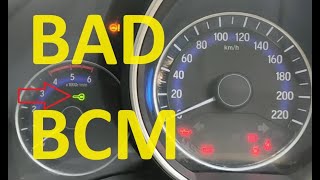
- Flashing Green Key Light / No Start: If the car refuses to start and a green key-shaped light is flashing on the dashboard, it indicates an immobilizer system fault. Since the MICU is a core part of the immobilizer system, a failure here can prevent the car from recognizing the key, leading to a no-start condition.
- Dashboard Glitches: You may experience incorrect gauge readings, multiple warning lights illuminating for no reason, or the entire instrument cluster behaving erratically.
- Blown Fuses or Melted Terminals: While a single blown fuse is common, if you find that the same fuse blows repeatedly, it could point to an internal short within the fuse box itself. In severe cases, you might notice a burning plastic smell or see visible melting or corrosion on the fuse terminals.
- Diagnostic Trouble Codes (DTCs): A scan tool may reveal specific codes related to the Body Control Module. Look for codes in the "B" (Body) or "U" (Network) series. A code like B12D2 (Power control unit ig2 circuit error) has been linked to BCM failure in other Hondas. U-series codes often indicate a loss of communication between modules, which can be caused by a faulty MICU.
Pro Tip: Before condemning the fuse box, always test the 12-volt battery. The Honda Clarity is known to develop a wide range of strange electrical issues when the 12V battery is weak, which can easily be mistaken for a faulty MICU. Ensure the battery is fully charged and load-tested before proceeding with a more complex diagnosis.
🎬 Watch: Why you should check your 12V battery firstKnown Issues, TSBs, and Recalls
As of early 2026, there are no widespread recalls or Technical Service Bulletins (TSBs) specifically for the failure of the interior fuse box (MICU) on the 2018-2021 Honda Clarity PHEV.
- Recalls: Other recalls for this vehicle exist, including for the fuel pump and rear seat belts, but they are unrelated to the MICU.
- TSBs: TSB A18-097 addresses issues with the high-voltage battery not charging correctly but does not involve the 12V interior fuse box.
Programming and Immobilizer Requirements
Warning: A replacement fuse box (MICU) MUST be programmed to the vehicle. It is not a plug-and-play part. Failure to program the module will result in a no-start condition as the car's immobilizer system will be active.
The MICU contains vehicle-specific information and is a key component of the anti-theft and immobilizer system. When a new or used MICU is installed, it must be registered to the car's Engine Control Module (ECM) and existing keys.
- Procedure: This process requires a specialized diagnostic tool, such as the official Honda Diagnostic System (HDS) or a high-end professional aftermarket scanner (e.g., Autel, Launch). The technician will select the 'Replace MICU' or 'Replace Immobilizer Unit' function and follow a specific sequence of on-screen steps. 🎬 Watch: How to program a new Honda immobilizer unit
- Who Can Program It?: This service can be performed by a Honda dealership, a qualified independent auto repair shop specializing in electronics, or some automotive locksmiths with advanced diagnostic tools.
- DIY Feasibility: Programming is not feasible for the average DIY mechanic due to the requirement for expensive, specialized tools and software subscriptions. However, a highly advanced DIYer could potentially swap the EEPROM chip from the original board to the replacement, which transfers the vehicle's data, but this requires micro-soldering skills and carries a high risk of damaging both modules.
Buying a Used Fuse Box
Purchasing a used OEM fuse box is a cost-effective option, but careful inspection and verification are crucial.
- Verify the Part Number: You must match the OEM part number exactly. For the 2018-2021 Clarity PHEV, the primary interior fuse box is part number 38200-TRW-A01. Using a fuse box from a different model or even a different Clarity trim (EV or Fuel Cell) will not work.
- Physical Inspection: Carefully inspect the used module for any signs of damage. Look for corrosion (green or white powder) on the pins and connectors, which indicates water intrusion. Check for any melted plastic around the large fuse terminals or a burnt electronics smell, which are signs of a severe short circuit.
- Source and Mileage: Purchase from a reputable recycler that offers a warranty. While the module itself doesn't wear out with mileage in a traditional sense, choosing one from a lower-mileage vehicle reduces the chances of it having been exposed to years of heat cycles and voltage spikes.
- Why Used OEM is a Good Choice: For a complex electronic module like the MICU, a used OEM part is often superior to a new aftermarket one (if one were even available). The OEM unit is guaranteed to have the correct internal hardware and logic to communicate flawlessly with the Clarity's other systems once programmed.
Cost Breakdown
The cost to replace the Clarity's interior fuse box can vary significantly based on the source of the part and labor rates.
| Item | Estimated Cost | Notes |
|---|---|---|
| New OEM Part | $550 - $760 | Price from online Honda dealers versus local dealership MSRP. |
| Used OEM Part | $50 - $100 | Common price from automotive recyclers and eBay. |
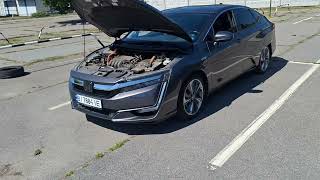
| Shop Labor (Replacement) | $150 - $300 | Estimated 1.5-2.0 hours for removal and installation, which is located under the driver's side dash. | 🎬 See this video for all Clarity fuse box locations
| Shop Labor (Programming) | $150 - $250 | Most dealers and shops charge a flat 1-hour fee for programming services. |
| Total (Using Used Part) | $350 - $650 | Combines used part cost, replacement labor, and programming fee. |
| Total (Using New Part) | $850 - $1,310 | Combines new part cost, replacement labor, and programming fee. |
Frequently Asked Questions (FAQ)
Does the 2018-2021 Honda Clarity fuse box need to be programmed?
Yes, absolutely. The interior fuse box is also the MICU/Body Control Module and is tied to the vehicle's immobilizer. It must be programmed by a dealer or a shop with advanced scan tools to allow the car to start.
Where is the main interior fuse box located on the Honda Clarity?
The main interior fuse box assembly (38200-TRW-A01) is located under the driver's side of the dashboard, behind a lower panel. There are also additional fuse boxes in the engine compartment.
Can I drive my Clarity with a bad fuse box?
It depends on the failure. If the failure prevents the car from starting or affects critical safety systems like headlights or wipers, the car is not safe to drive. If only minor accessories are affected, you might be able to drive it to a repair shop, but be aware that the problem could worsen unexpectedly.
Why are my lights flickering and I have multiple warnings, but all my fuses are good?
This is a classic symptom of a weak 12-volt battery in the Honda Clarity, not necessarily a bad fuse box. The complex electronics are very sensitive to voltage. Have the 12V battery tested and replaced if necessary before assuming the fuse box/MICU has failed.
Helpful Videos

Technical Specifications
OEM Part Numbers: 38200-TRW-A01
Integrated Multiplex Integrated Control Unit (MICU) / Body Control Module (BCM)
We Have This Part in Stock

The information in this article is provided for general reference and educational purposes only. Vehicle specifications, procedures, and part compatibility can vary by production date, trim level, and region. Always consult your vehicle's factory service manual and verify part numbers before purchasing or performing repairs. Safety-critical components such as airbags, seat belts, and braking systems should be installed by a qualified professional.
- Honda Clarity: