

2012-2019 Honda CR-V Engine Fuse Box: Decoding Part Numbers and Failures
This guide clarifies the critical differences between 4th and 5th generation CR-V fuse boxes, explains common failures, and details why matching part numbers is essential for a successful repair.
- The 2012-2019 year range covers two different CR-V generations (4th: 2012-16, 5th: 2017-19) with incompatible fuse boxes.
- You MUST match the OEM part number from your original fuse box exactly; trim and drivetrain (FWD/AWD) variations are critical.
- The engine compartment fuse box does NOT require programming, but the interior fuse box (known as the MICU) does.
- A common failure is an integrated, non-serviceable starter or fuel pump relay, which requires replacing the entire fuse box assembly.
Critical: 4th Gen (2012-2016) vs. 5th Gen (2017-2019)

Warning: The 2012-2019 Honda CR-V spans two completely different vehicle generations, and their parts are NOT interchangeable. Before purchasing a fuse box, you must identify your vehicle's generation.
- 4th Generation: Model years 2012, 2013, 2014, 2015, 2016.
- 5th Generation: Model years 2017, 2018, 2019.
These generations use different chassis, wiring, and electronic modules. Attempting to install a fuse box from the wrong generation will result in system-wide electrical failures. Always match the part number from your original unit.
Understanding the Two Fuse Boxes: Engine Bay vs. Interior (MICU)

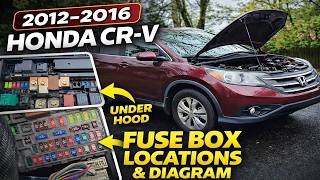
Every Honda CR-V from this era has two main fuse boxes. It is vital to know which one you are dealing with, as they have very different functions and replacement requirements. This guide focuses on the engine compartment fuse box.
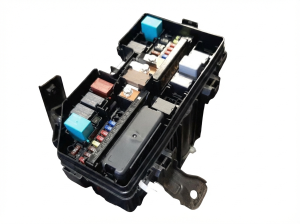
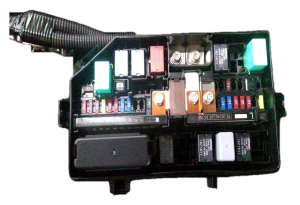
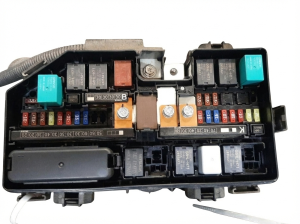
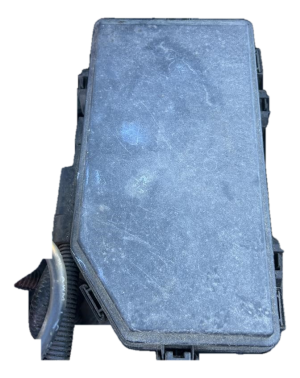
- Engine Compartment Fuse Box: Located in the engine bay near the battery, this box manages high-current systems like the starter, fuel pump, and cooling fans. Failures here often lead to the vehicle not starting or major systems not working. Generally, this unit is plug-and-play and does not require programming after installation.
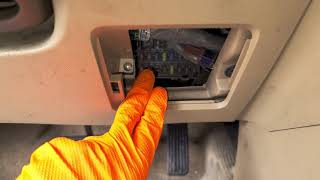
- Interior Fuse Box (MICU): Located under the driver's side dashboard, this is also known as the Multiplex Integrated Control Unit (MICU). It controls body electronics like interior lighting, power windows, door locks, and the immobilizer system. A replacement MICU always requires programming by a dealer or a properly equipped independent shop to sync with the vehicle's keys 🎬 See how the interior MICU is replaced and programmed. and other modules.
Symptoms of a Failing Engine Fuse Box

Failure of the engine fuse box can manifest in several ways, from subtle glitches to a car that won't start at all.
1. Engine Cranks But Won't Start or No Crank at All
This is the most common symptom. It is often caused by a failure of the integrated starter relay or fuel pump relay, which are soldered to the fuse box's internal board. When the starter relay fails, the starter motor won't engage when you turn the key. If the fuel pump relay fails, the engine will crank but won't get fuel to start. In many cases, tapping on the fuse box while a helper tries to start the car may temporarily restore the connection.
🎬 Watch: Troubleshooting a no-start issue caused by the starter relay.2. Intermittent Electrical Problems
Random and unpredictable issues like flickering headlights, a horn that works sporadically, or cooling fans that don't turn on can point to a problem within the fuse box. These issues are often caused by internal corrosion from water intrusion or cracked solder joints on the circuit board, leading to poor connections.
3. Complete Loss of Power to Multiple Systems
If several unrelated components stop working at once (e.g., headlights and the radio), it could indicate a failure of a main fuse or a major internal circuit path within the fuse box. This can also be caused by corrosion on the main power input terminal connected to the battery.
4. Visible Damage or Corrosion
A physical inspection can reveal obvious problems. Look for white or green crusty deposits (corrosion), melted plastic around fuses or relays, or signs of water staining inside the box. Any of these are clear indicators that the fuse box needs to be replaced.
Decoding Honda CR-V Fuse Box Part Numbers

The single most important step in buying a replacement fuse box is matching the part number exactly. Due to variations in trim levels (LX, EX, EX-L, Touring), drivetrain (FWD vs. AWD), and optional features, numerous part numbers exist. Using the wrong part number can lead to non-functional systems or new electrical faults.
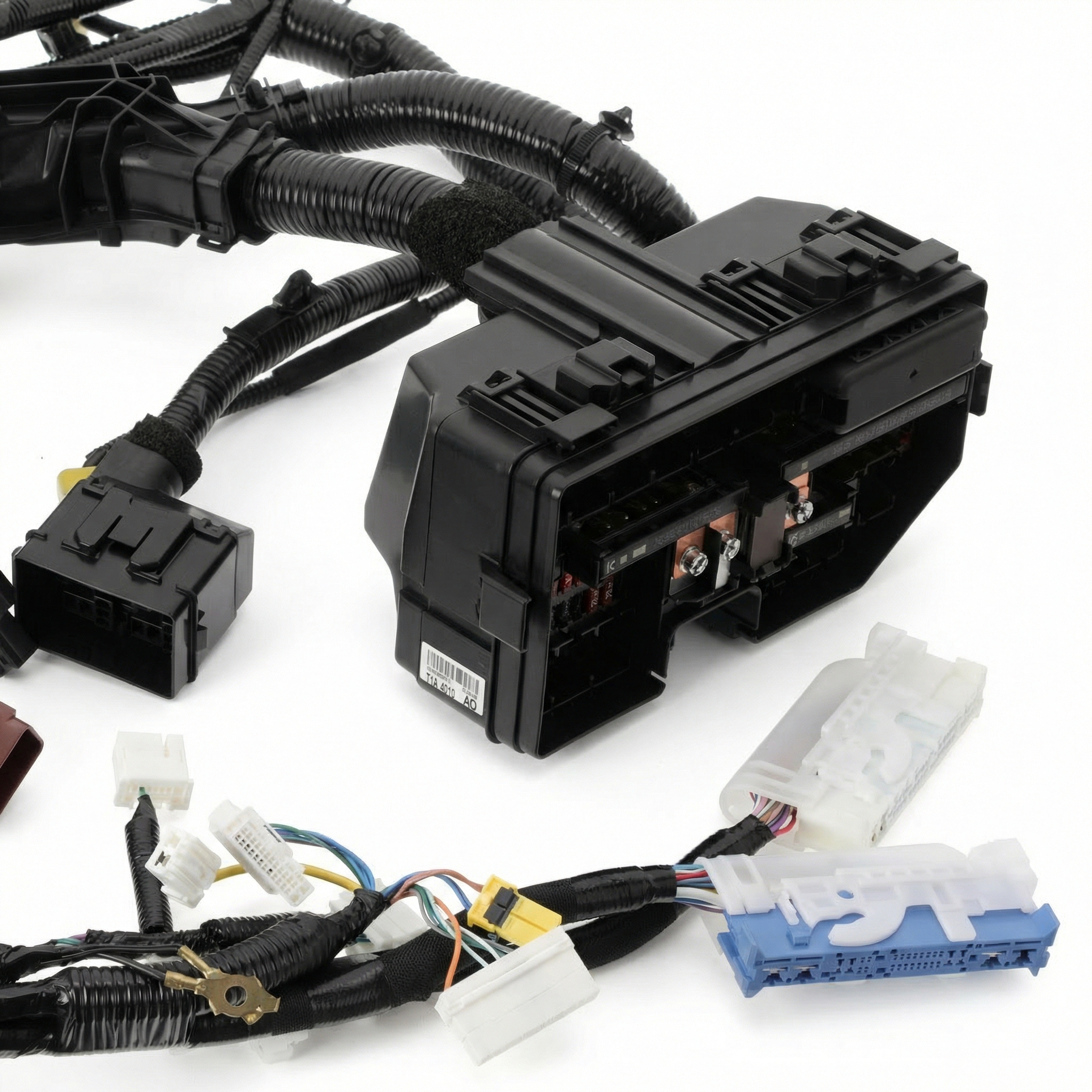
Pro Tip: The part number is printed on a sticker on the side of the fuse box. Always use this number from your original part to find a replacement. Do not rely on vehicle year and trim alone.
- 4th Gen (2012-2016) Part Numbers Often Begin With: 38200-T0A-…
- 5th Gen (2017-2019) Part Numbers Often Begin With: 38200-TLC-… or 38200-3A0-...
The initial warnings in our database highlighted these compatibility issues, and research confirms that variations for FWD, AWD, and different trim packages are common. For example, an EX-L model may have circuits for heated seats that an LX model's fuse box lacks.
Buying a Used 2012-2019 CR-V Engine Fuse Box
A used OEM fuse box is often the best value for this repair. Aftermarket options are virtually nonexistent, and a new OEM unit can be prohibitively expensive. Here’s what to look for when buying used:
- EXACT Part Number Match: This cannot be overstated. Verify the part number on the used unit matches your original perfectly.
- Thorough Physical Inspection: Ask the seller for clear photos of the inside of the box. Look for any signs of white/green corrosion, melted plastic, or dark spots from overheating. Reject any unit that shows signs of water damage.
- Check All Fuses and Relays: Ensure all fuses and relays are present. While you can swap your old ones over, a missing fuse could indicate the seller is hiding a known bad circuit.
- Verify Vehicle Generation: Double-check that the donor vehicle's year falls within the correct generation for your CR-V (4th Gen: 2012-16, 5th Gen: 2017-19).
- Why Used OEM is Smart: A used OEM fuse box was built by Honda to its exact specifications. It guarantees proper fitment and function, unlike theoretical aftermarket parts which may not exist for such a complex component. It provides the same performance as a new part for a fraction of the cost.
Programming and Installation
Good news for DIY mechanics: the engine compartment fuse box does not require programming. It is a direct swap.
The replacement process is straightforward:
- Disconnect the Battery: Always disconnect the negative battery terminal first to prevent electrical shorts.
- Remove the Cover: Unclip the plastic cover from the fuse box.
- Disconnect Connectors: Carefully unplug the various wiring harness connectors attached to the sides of the fuse box. Most have a push-tab that must be depressed to release them.
- Unbolt the Fuse Box: Remove the bolts that secure the fuse box to the vehicle's chassis.
- Install the New Unit: Installation is the reverse of removal. Ensure all connectors click securely into place.
Caution: Never install or remove fuses while the ignition is on. Doing so can cause voltage spikes that damage sensitive electronic modules. This is especially true for the fuse #18 "backup" fuse on 5th generation models, which can cause widespread lighting and system setting issues if handled incorrectly.
Recalls and Technical Service Bulletins (TSBs)
While there are no widespread recalls specifically for the fuse box itself, several related electrical issues are documented:
- 2019 CR-V Steering Wheel Wiring Recall (NHTSA 19V-383): Metal burrs in the steering wheel could damage wiring harnesses, potentially disabling the driver's airbag or causing other steering wheel button malfunctions. Symptoms include an airbag warning light or non-functional controls.
- 2020-2022 CR-V Hybrid Battery Cable Recall (NHTSA 23V-844): A missing fuse on a 12-volt battery cable could cause a short circuit and increase fire risk during a crash.
- TSB A17-100H: On 2017-2022 models, strange electrical issues with auto high-beams, wipers, and fog lights can occur if the #18 "backup" fuse is installed while the engine is running. The fix is to turn the vehicle off, remove the fuse, wait a few minutes, and reinstall it.
| Part Type | Estimated Cost |
|---|---|
| New OEM | $670 - $1,100 |
| New Aftermarket | Not Generally Available |
| Used OEM | $75 - $250 |
| Shop Labor | $100 - $200 |
Frequently Asked Questions (FAQ)
Do I need to program a replacement engine fuse box for my CR-V?
No, the engine compartment fuse box for the 2012-2019 Honda CR-V is plug-and-play and does not require any programming or dealer visit after installation. However, the interior fuse box (MICU) does require programming.
Can I just replace a bad relay inside the fuse box?
Unfortunately, no. Many of the critical relays, such as those for the starter and fuel pump, are permanently soldered to the internal circuit board of the fuse box. If one of these integrated relays fails, the entire fuse box assembly must be replaced.
Why won't my CR-V start after replacing a fuse?
On 5th generation models (2017-2019), inserting certain fuses (like the #18 backup fuse) with the ignition on can scramble system settings. To fix this, turn the car completely off, remove the fuse you just installed, wait a minute, and reinstall it before turning the car back on.
What's the difference between the engine and interior fuse box?
The engine fuse box handles high-power components like the starter and fuel pump and doesn't need programming. The interior fuse box, or MICU, is a computer that controls body functions like locks, windows, and security, and it must be programmed to the vehicle.
Helpful Videos

Technical Specifications
OEM Part Numbers: 32200-TLC-A00 32200-TLC-A01 32200T0AA20 32200T0AA21 32200T0AA22 32200T0BA10 32200T0BA11 32200T0BA12 32200T0BA20 32200T0BA21 32200T0BA22 32200T1WA0 32200T1WA00 32200T1WA10 32200T1WA20 38200-T0A-A21 38200-T0A-A04
Houses both blade-type fuses and integrated, non-serviceable relays. Connects directly to the battery positive terminal and multiple vehicle wiring harnesses.
We Have This Part in Stock

The information in this article is provided for general reference and educational purposes only. Vehicle specifications, procedures, and part compatibility can vary by production date, trim level, and region. Always consult your vehicle's factory service manual and verify part numbers before purchasing or performing repairs. Safety-critical components such as airbags, seat belts, and braking systems should be installed by a qualified professional.
- Honda CR-V:
- 🎬 Helpful Videos
- 🛍️ Shop This Part
- Critical: 4th Gen (2012-2016) vs. 5th Gen (2017-2019)
- Understanding the Two Fuse Boxes: Engine Bay vs. Interior (MICU)
- Symptoms of a Failing Engine Fuse Box
- 1. Engine Cranks But Won't Start or No Crank at All
- 2. Intermittent Electrical Problems
- 3. Complete Loss of Power to Multiple Systems
- 4. Visible Damage or Corrosion
- Decoding Honda CR-V Fuse Box Part Numbers
- Buying a Used 2012-2019 CR-V Engine Fuse Box
- Programming and Installation
- Recalls and Technical Service Bulletins (TSBs)
- Frequently Asked Questions (FAQ)
- 🎟️ Get 5% Off