

1999-2004 Honda Odyssey Fuse Box: Solving Electrical Issues & Why EX/EX-L Trims Differ
This definitive guide explains common failures, symptoms, and the critical compatibility differences for the 1999-2004 Honda Odyssey engine compartment fuse box.
- The fuse box for EX and EX-L trims is NOT interchangeable with the LX trim due to differences in features like power sliding doors.
- This fuse box requires NO programming or dealer visit after installation; it is a plug-and-play part.
- Before replacing the fuse box for a no-start issue, first check the PGM-FI main relay and the ignition switch, which are more common failure points.
- When buying a used unit, carefully inspect the connectors on the underside for any signs of corrosion or water damage.
Symptoms of a Failing 1999-2004 Honda Odyssey Fuse Box

A problem with the main fuse box often causes confusing and seemingly unrelated electrical issues. Because it controls so many different systems, an internal failure can be difficult to diagnose. A weak battery can cause similar symptoms, so always test the battery and charging system first.
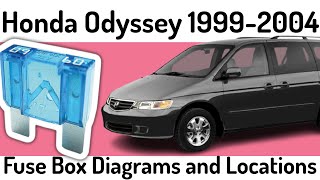
- Multiple, Unrelated Electrical Failures: This is the most common symptom. For example, the radio, power windows, and interior lights might all stop working at once or intermittently. This points to a problem with the power distribution inside the box itself, rather than individual component failures. 🎬 Watch: Locate your panels with this fuse box diagram guide.
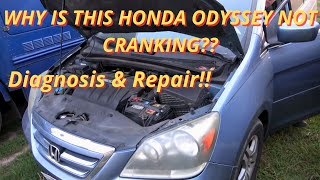
- Engine Will Not Crank or Start: The fuse box houses critical relays and fuses for the ignition system and the fuel pump. A bad connection, internal corrosion, or a break in the fuse box's internal circuitry can prevent power from reaching these components, resulting in a no-start condition.
- Melting Fuses or Relays: If you find that a specific fuse repeatedly blows, it could indicate a short in that circuit. However, if you see melted plastic or discoloration around the fuse or relay socket itself, it points to high resistance and heat buildup within the fuse box. This is a clear sign the fuse box is failing and needs replacement.
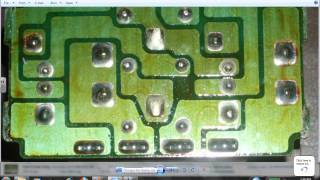
- Visible Corrosion or Water Damage: Water can enter the engine bay and seep into the fuse box, causing corrosion on the terminals and internal circuit board. This corrosion creates poor connections, leading to a host of intermittent electrical problems.
Pro Tip: Before condemning the fuse box for a no-start condition, investigate two more common failures on this generation of Odyssey. The PGM-FI Main Relay (usually located under the dashboard) is a frequent cause of fuel pump power loss. 🎬 See how to test and fix the PGM-FI main relay. Additionally, a faulty ignition switch was the subject of a recall and can cause stalling and various electrical problems.
Known Issues, Recalls, and Technical Service Bulletins (TSBs)

While the fuse box itself has not been the subject of a major recall, several related issues can produce similar symptoms:
- Ignition Switch Recall (NHTSA ID: 03088): A significant recall was issued for a faulty ignition switch that could cause the engine to stall while driving. This can mimic a fuel or ignition circuit failure 🎬 Watch: Diagnosing a no-start condition vs. a bad ignition switch. originating from the fuse box.
- Wire Harness Chafing (NHTSA ID: 00V030000): On 1999 models, a recall was issued for an engine compartment wire harness that could rub against a metal pipe. This could cause a short circuit, blow a fuse, and lead to a sudden loss of engine power or lights.
- Fuel Pump Connector Recall (2004 Models): Certain 2004 Odysseys were recalled because the fuel pump's electrical connector could corrode, causing the fuel pump to fail. This results in the engine stalling without warning.
- SRS Control Module Recall (NHTSA ID: 15V045): On 2003-2004 models, the SRS (airbag) control unit was recalled due to electrical noise causing inadvertent airbag deployment. This is a separate electronic module and not part of the fuse box.
Buying a Used Fuse Box: What to Look For

A used OEM fuse box is the most common and cost-effective solution for a failed unit. Since this part does not require programming, a direct swap is straightforward. Pay close attention to the following details to ensure you get a good, compatible part.
Warning: The fuse box for EX and EX-L trim levels is NOT interchangeable with the one used in the base LX model. The higher trims have more features like power sliding doors, power seats, and sometimes rear entertainment systems, which require different internal wiring and fuse/relay configurations in the fuse box. Installing an LX box in an EX or EX-L will result in those features not working.
Inspection Checklist:
- Verify Trim Level and Part Number: The surest method is to match your original part number. The key numbers are 38250-S0X-A11 (common on 1999-2000) and 38250-S0X-A12 (common on 2001-2004). If the part number sticker is missing, check the fuse layout diagram on the lid or the fuse slots themselves. An EX/EX-L box will have slots for "Power Sliding Door" and "Power Seat".
- Inspect for Corrosion: This is the #1 killer of fuse boxes. Carefully examine all electrical terminals, both where the fuses plug in and, most importantly, the large multi-pin connectors on the underside. Avoid any unit with signs of green or white powder, rust, or water stains.
- Check for Heat Damage: Look for any melted plastic, discoloration, or warping around the sockets for high-amperage fuses and relays. This indicates a history of overheating from a poor connection, and the box should be rejected.
- Check Physical Condition: Ensure the plastic housing is not cracked or broken and that all mounting tabs are intact. Make sure the main power stud and its securing nut are not stripped or damaged.
Cost Comparison
Replacing the engine fuse box can vary in cost depending on the source of the part. Aftermarket options for the complete assembly are generally not available.
| Part Source | Estimated Cost | Notes |
|---|---|---|
| New OEM (Dealer) | $190 - $290 | Highest cost but guarantees a perfect, new part. |
| Used OEM (Salvage) | $50 - $125 | The most cost-effective option. Careful inspection is required. |
| Shop Labor | $100 - $200 | A professional mechanic should take 1 to 1.5 hours for replacement. |
Frequently Asked Questions (FAQ)
Does a 1999-2004 Honda Odyssey fuse box need to be programmed?
No. The under-hood fuse box on this generation of Odyssey is a non-intelligent power distribution module. It does not contain any software and does not need to be programmed, flashed, or coded to the vehicle. Replacement is a direct, plug-and-play procedure.
Why won't a fuse box from an LX model work on my EX-L?
The EX and EX-L models have more electronic features than the base LX, such as power sliding doors, power seats, and keyless entry. These additional circuits are physically wired into the EX/EX-L fuse box, which has dedicated slots for the necessary fuses and relays. An LX fuse box will be missing these internal connections, and those features will not function.
My van won't start, but all the fuses look good. Could it still be the fuse box?
Yes. The problem may not be a blown fuse but an internal failure within the box itself. This can include a cracked circuit board, a corroded connection on the underside where the main harnesses plug in, or a faulty integrated relay that isn't serviceable. Before replacing the fuse box, however, always check the PGM-FI main relay and ensure the ignition switch recall has been performed.
What OBD-II codes are associated with a bad fuse box?
A failing fuse box typically does not set a specific trouble code for itself. Instead, its failure to provide power to other modules can cause those modules to store fault codes. You may see a variety of communication codes (often starting with "U") or codes in the engine, transmission, or body control modules related to "loss of power" or "low voltage." The presence of many unrelated electrical codes is often a strong clue that a central power distribution component, like the fuse box, is the root cause.
Helpful Videos
Technical Specifications
OEM Part Numbers: 38250-S0X-A11 38250-S0X-A12
Engine compartment main fuse and relay box. Fits EX and EX-L trims only.
We Have This Part in Stock


The information in this article is provided for general reference and educational purposes only. Vehicle specifications, procedures, and part compatibility can vary by production date, trim level, and region. Always consult your vehicle's factory service manual and verify part numbers before purchasing or performing repairs. Safety-critical components such as airbags, seat belts, and braking systems should be installed by a qualified professional.
- Honda Odyssey: