

2016-2020 Kia Optima Fuse Box: A Guide to Engine-Specific Modules and Programming
This in-depth guide covers the critical differences between fuse boxes for the 1.6L Turbo, 2.4L, and Hybrid engines, including programming requirements and common electrical problems.
- The interior fuse box is a 'Smart Junction Box' (SJB) that MUST be programmed by a dealer or qualified locksmith after installation to prevent a no-start condition.
- Compatibility is extremely strict. You must match the OEM part number from your original unit exactly, as versions differ by engine, trim, and even the vehicle's build location (US vs. Korea).
- Symptoms of failure are often widespread and confusing, including multiple dead circuits, parasitic battery drain, and erratic light behavior.
- When buying used, physical inspection is crucial. Avoid any unit with signs of water damage or corrosion on the connectors.
Known Issues, Recalls, and Technical Service Bulletins (TSBs)

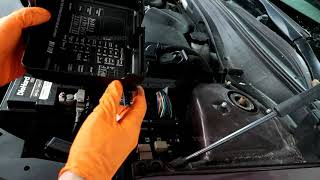
While there are no direct recalls for the main fuse boxes on the 2016-2020 Optima 🎬 Watch: Quick guide to finding your fuse box locations, several significant electrical system recalls and TSBs are related to components they control.
- HECU Fire Risk Recalls (Older Models): Numerous recalls, like NHTSA ID 21V331, were issued for previous generation Optimas due to a fire risk in the Hydraulic Electronic Control Unit (HECU) for the anti-lock brakes. The fix involved dealers installing a new, lower-rated multi-fuse in the engine bay fuse box to prevent an electrical short. While this recall doesn't cover the 2016-2020 generation, it highlights the fuse box's role in vehicle safety systems.
- Turn Signal Software Glitch (Related Models): A well-known recall (NHTSA ID: 21V749000) affected some Hyundai and Kia models where the Smart Junction Box (SJB) software would cause the turn signals to flash in the opposite direction of what the driver selected. The fix was a simple software update performed by the dealer.
- Hybrid System Fuse (TSB): A TSB was issued for some 2013-2016 Optima Hybrids where an improper aftermarket high-voltage fuse could lead to a no-start condition. The procedure involved inspecting and replacing the fuse with a genuine Kia part of the correct amperage.
Symptoms of a Failing Fuse Box or Smart Junction Box

Because the fuse boxes manage power for nearly every system, failures can cause a wide and confusing range of symptoms.
- Multiple Unrelated Electrical Failures: This is the most common sign. You might have a power window, the radio, and interior lights all stop working at once.
- Dead Circuits with Good Fuses: If a component doesn't work but its fuse is intact, the failure may be an internal relay or a broken circuit trace inside the fuse box itself.
- Erratic Light Operation: Headlights, taillights, or interior lights may flicker, stay on constantly, or not turn on at all.
- Vehicle Will Not Start: A faulty SJB can interfere with the immobilizer system, preventing the car from starting, especially on models with a push-button start. You may also hear clicking from the dash as internal relays cycle incorrectly.
- Parasitic Battery Drain: A common failure is a short or faulty relay within the SJB that causes a continuous small power draw, draining the battery overnight.
- Blower motor stays on: In some cases, a faulty junction box can cause the AC/heater blower motor to run even when the car is off with the key out of the ignition.
Associated OBD-II Codes
A failing fuse box or SJB will not always set a specific trouble code. However, communication errors with other modules are common. Look for U-codes (Communication Network codes) or multiple codes referencing low voltage or open circuits in various systems. Codes like P0601 (Internal Control Module Memory Checksum Error) or P1794 (Battery or Circuit Failure) could potentially point to a module issue.
Variant and Compatibility Warnings

This is the most critical area when purchasing a replacement fuse box for a 2016-2020 Optima. There are several different versions, and they are not interchangeable.
Warning: You must match the part number from your original fuse box exactly. Failure to do so will result in compatibility issues, features not working, or a no-start condition.
- Engine Type: Fuse boxes are specific to the 1.6L Turbo, 2.4L, 2.0L Turbo, and Hybrid powertrains. The wiring and internal logic are different for each.
- Build Location (2019-2020 Models): For later models, there can be differences between vehicles built in the US (VIN starting with '5') and those built in Korea (VIN starting with 'K'). This is a common trap for buyers.
- Trim Level and Options: Features like push-button start, LED headlights, and heated seats can determine which specific Smart Junction Box is required.
Buying a Used Fuse Box: What You MUST Know

A used OEM fuse box can be a cost-effective solution, often proving more reliable than a new aftermarket part. However, careful inspection is key.
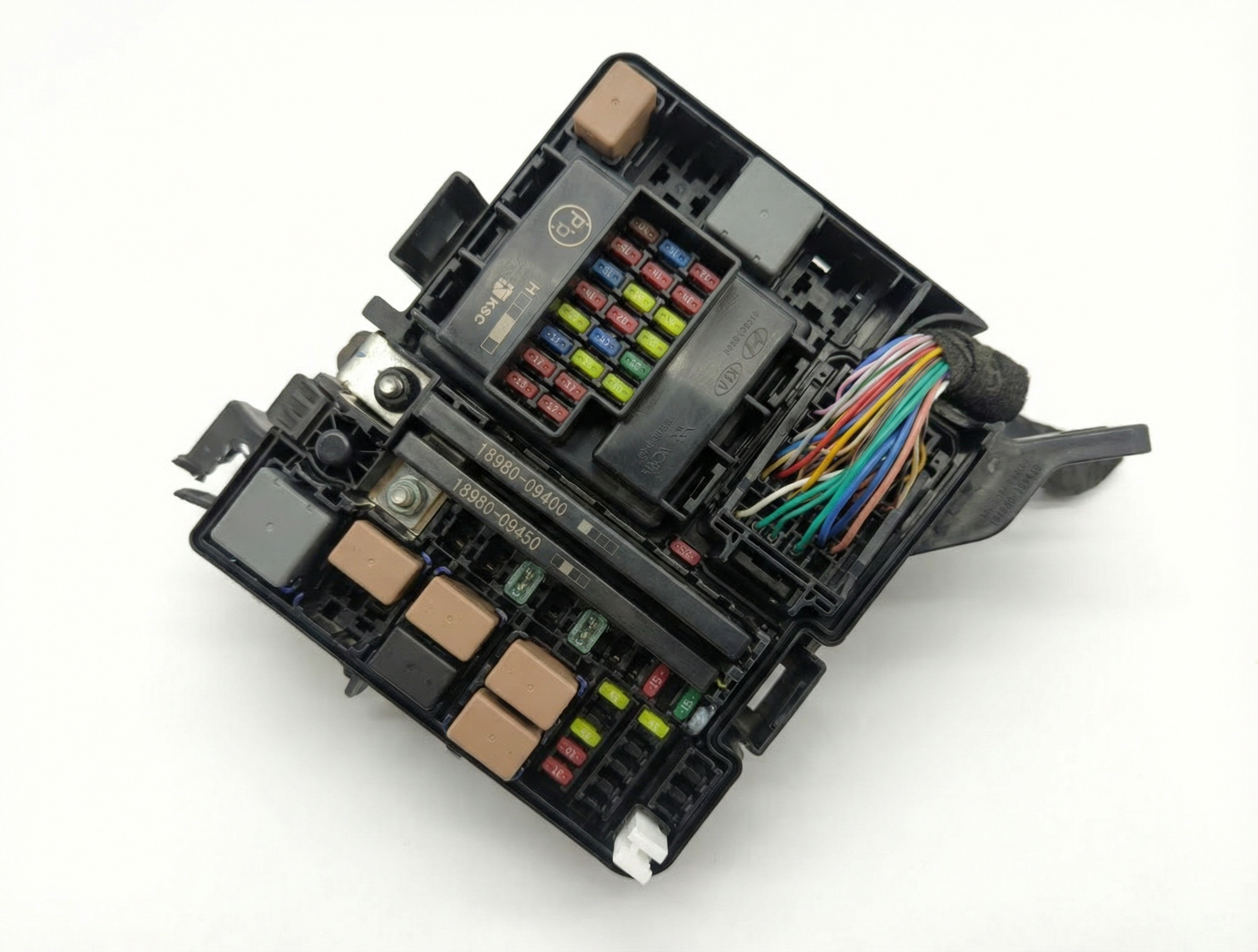
- Match the Part Number EXACTLY: Do not rely on the year and model alone. Remove the cover from your old fuse box and find the OEM part number printed on the label. Match this number precisely with the used part you are considering. The provided OEM numbers (e.g., 91200D5110, 91201-D5040, 91950-D4180) are a starting point, but your specific vehicle's number is the only one that matters.
- Inspect for Water Damage and Corrosion: The number one killer of electronic modules is water. Look for any signs of a water line, rust, or white/green crusty deposits on the pins and connectors. A fuse box with any corrosion should be avoided.
- Check for Physical Damage: Ensure the plastic housing is not cracked and that all connector ports are intact. Broken clips or tabs can lead to loose connections and future electrical problems.
- Ask About the Donor Vehicle: If possible, find out if the donor vehicle had any flood or fire damage. Reputable sellers will provide this information.
Programming and Installation
Warning: The interior Smart Junction Box (SJB) is NOT a plug-and-play part. It requires programming to the vehicle.
The SJB is linked to the vehicle's anti-theft immobilizer system. If you install a replacement SJB (new or used) without programming, the car will not start. This programming procedure syncs the module to your vehicle's VIN and keys.
- Who can program it?
- Kia Dealerships: This is the most reliable option. They have the proprietary KDS (Kia Diagnostic System) tool required to perform the programming.
- Qualified Independent Shops & Automotive Locksmiths: Many professional shops and locksmiths have advanced scan tools that can perform SJB programming on Kia vehicles. You must call ahead and confirm they have this specific capability for your year and model.
Pro Tip: When you take the vehicle for programming, you must bring ALL of your car keys. The process often requires re-learning all existing keys to the new module.
The engine bay fuse box is generally less complex and may not require programming, but due to the integration of modern vehicle electronics, it is always safest to assume programming may be needed and to match part numbers perfectly.
Cost Comparison
| Part/Service | Estimated Cost |
|---|---|
| New OEM Fuse Box (Engine or Interior) | $375 - $1,500+ |
| New Aftermarket Fuse Box | $150 - $400 (Quality and compatibility can vary) |
| Used OEM Fuse Box | $75 - $250 |
| Shop Labor (Physical Replacement) | $150 - $300 |
| Shop Labor (Programming) | $100 - $250 |
Frequently Asked Questions (FAQ)
Do I have to program a replacement fuse box for my Optima?
Yes, if you are replacing the interior Smart Junction Box (SJB), programming is absolutely required. Without it, the car's immobilizer will prevent it from starting. The engine bay fuse box is less likely to need programming, but matching the part number is still critical.
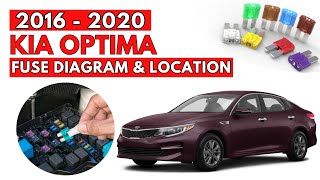
What's the difference between the engine fuse box and the one inside the car? 🎬 See this video for detailed fuse box diagrams and locations
The engine fuse box primarily handles high-current power distribution for components like the engine computer, starter, and ABS pump. The interior fuse box, or Smart Junction Box, is a computer that controls body electronics like lights, windows, locks, and the anti-theft system.
Why does my VIN and engine size matter so much for this part?
The VIN can determine the build location (US or Korea), and the engine size (1.6T, 2.4L, etc.) dictates a different wiring harness and power requirements. Kia uses many different versions of these fuse boxes that look similar but are not interchangeable. Using the wrong one can cause major electrical problems.
Can I just replace a melted fuse or do I need a whole new box?
If a single fuse has blown, you should replace it with one of the same amperage. However, if the plastic around the fuse slot is melted or discolored, it indicates a more serious problem. This means the connection itself has failed and is generating excessive heat. In this case, the entire fuse box must be replaced to prevent a fire risk.
Helpful Videos
Technical Specifications
OEM Part Numbers: 91200D5110 91201-D5040 91201D5040 91201D5040JA 91202D5050 91700D5230 91950-D4180
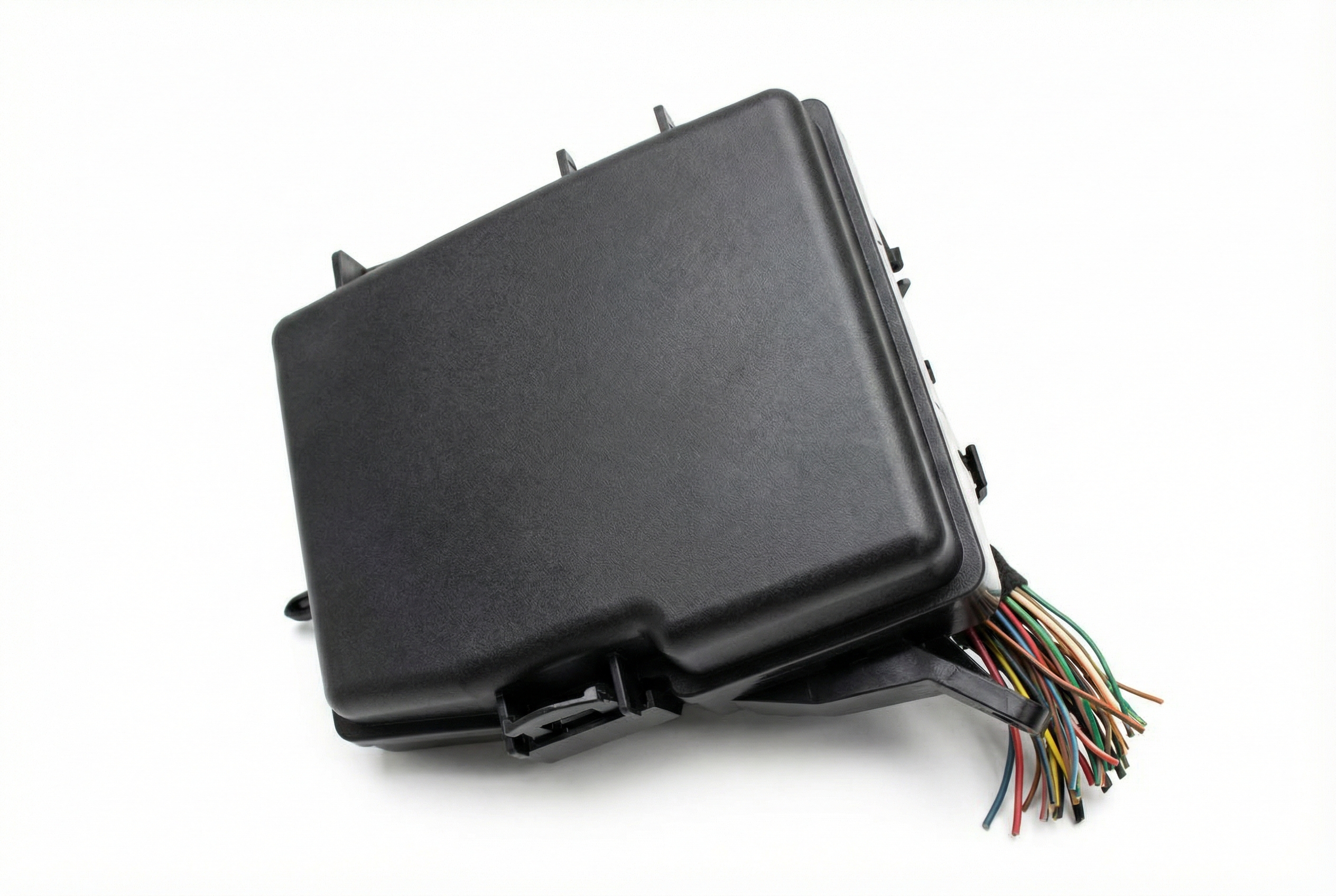
The 2016-2020 Kia Optima uses two fuse boxes: an engine compartment junction block and an interior Smart Junction Box (SJB). The SJB is integrated with the Body Control Module (BCM) and requires VIN-specific programming.
We Have This Part in Stock

The information in this article is provided for general reference and educational purposes only. Vehicle specifications, procedures, and part compatibility can vary by production date, trim level, and region. Always consult your vehicle's factory service manual and verify part numbers before purchasing or performing repairs. Safety-critical components such as airbags, seat belts, and braking systems should be installed by a qualified professional.
- Kia Optima:
- 🎬 Helpful Videos
- 🛍️ Shop This Part
- Known Issues, Recalls, and Technical Service Bulletins (TSBs)
- Symptoms of a Failing Fuse Box or Smart Junction Box
- Associated OBD-II Codes
- Variant and Compatibility Warnings
- Buying a Used Fuse Box: What You MUST Know
- Programming and Installation
- Cost Comparison
- Frequently Asked Questions (FAQ)
- 🎟️ Get 5% Off