

2001 Lexus IS300 & 1999-2001 IS200 Fuse Box & Junction Block Guide
Diagnosing the source of strange electrical problems in your first-generation Lexus IS often leads to one of the three fuse boxes, especially the interior junction blocks.
- There are three fuse boxes: one in the engine bay and two different ones in the driver (LH) and passenger (RH) kick panels.
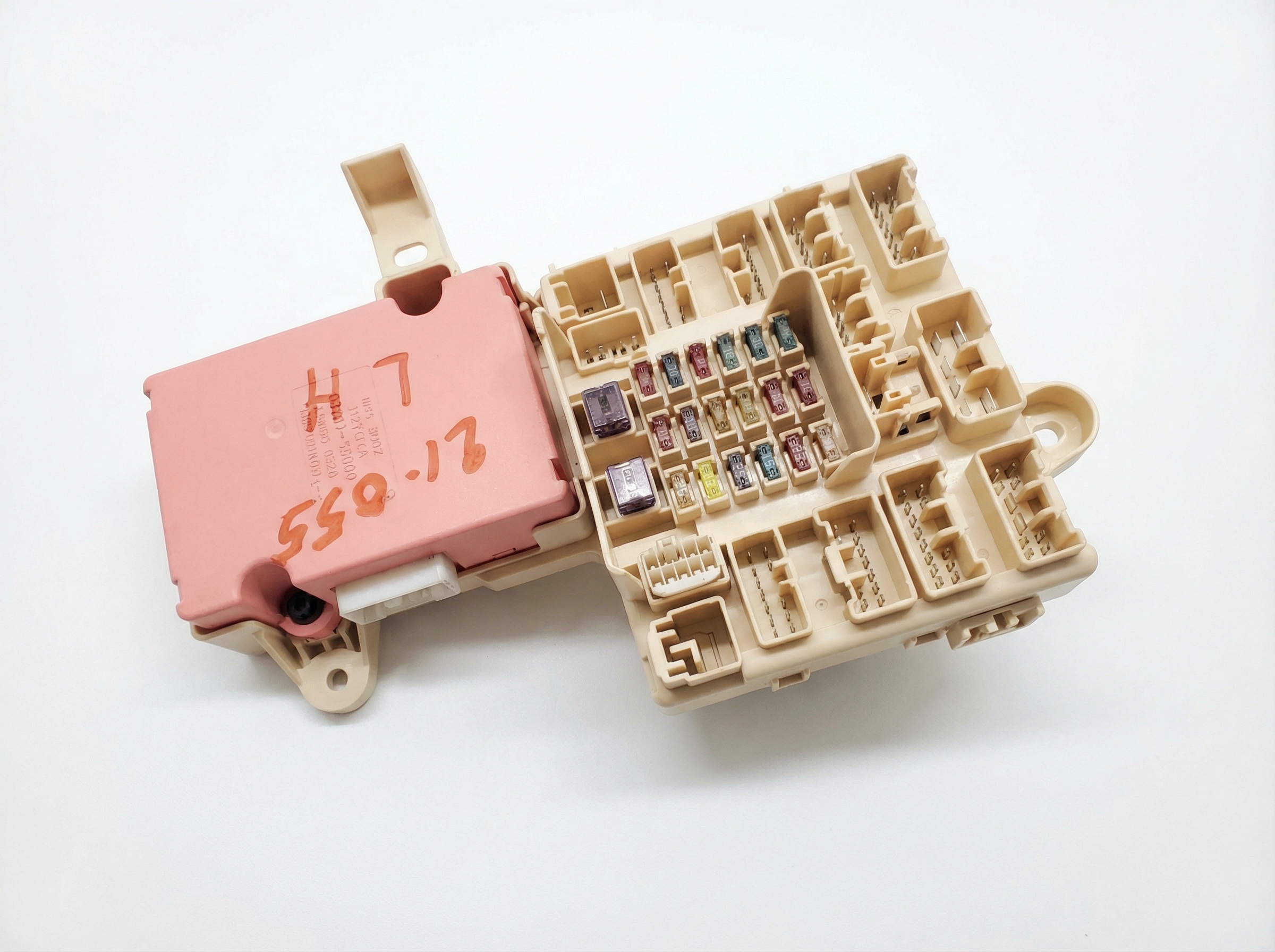
- The interior fuse boxes (Junction Blocks) are integrated with the Body ECU and control most cabin electronics.
- Replacement junction blocks do NOT require programming, but a failed main engine ECU does.
- When buying used, you must match the part number exactly and inspect carefully for any signs of water damage or corrosion.
Diagnosing Fuse Box and Junction Block Failures in Your Lexus IS

If your 2001 Lexus IS300 or 1999-2001 Lexus IS200 is experiencing bizarre electrical issues, a faulty fuse box or junction block is a likely suspect. These components are the nerve centers of your car's electrical system. While a simple blown fuse is a common and easy fix, the entire block can fail due to internal corrosion, short circuits, or damage to the integrated Body ECU. This guide will help you locate the fuse boxes, understand their differences, diagnose failures, and choose the right replacement part.
Fuse Box and Junction Block Locations
Your first-generation Lexus IS has three separate fuse/relay centers. Knowing where to look is the first step in any diagnosis.
- Engine Compartment Fuse Box: Located in the engine bay, typically on the passenger side near the battery. This box contains high-amperage fuses and relays for critical engine and chassis systems like the fuel injection (EFI), ABS, and cooling fans.
- Driver's Side Junction Block (LH): Found behind a cover in the driver's side kick panel, near your left foot. This is also referred to as the Cowl Side Junction Block, LH.
- Passenger's Side Junction Block (RH): Located behind the kick panel in the passenger footwell. This is also referred to as the Cowl Side Junction Block, RH.
Warning: The driver's side (LH) and passenger's side (RH) interior junction blocks are different parts and are not interchangeable. They have unique part numbers and control different functions. Always verify which side you are replacing.
Symptoms of a Failing Fuse Box or Junction Block


Failure often goes beyond a single blown fuse. When the block itself is compromised, you may see multiple, seemingly unrelated problems at once.
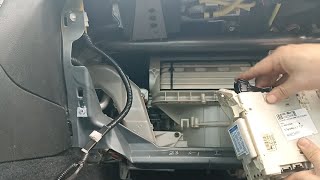
- Multiple Electrical Systems Fail Simultaneously: The most common sign. For example, the interior dome lights, central locking, and trunk release may all stop working at the same time. This often points to a failure in the Body ECU integrated into one of the interior junction blocks. 🎬 Watch: Diagnosing a failing Body ECU and junction block
- Persistently Blowing Fuses: If a specific fuse, like the 'EFI' or 'DOME' fuse, blows repeatedly even after replacing it, it could indicate a short circuit within the junction block's internal wiring or a problem with the component it protects.
- No Communication with OBD-II Scanner: In severe cases, a failure that affects the ECU power supply can prevent a diagnostic scanner from connecting to the vehicle.
- Crank-No-Start Condition: A failure in the engine bay fuse box or a critical fuse like the EFI fuse can cut power to the fuel or ignition systems, causing the engine to crank but not start.
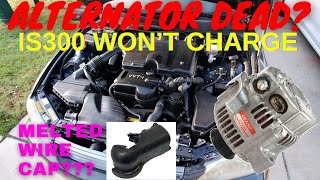
- Visible Corrosion or Melting: Physical inspection may reveal green or white crusty corrosion on the pins and connectors, or melted plastic around a specific fuse or relay socket, indicating a severe short or water damage. 🎬 Watch: Troubleshooting melted plastic and alternator fuse issues
- Strange Behavior of Lights or Gauges: Flickering dashboard lights, a tachometer that stops working, or warning lights that come on randomly can be traced back to a faulty connection or a failing Body ECU within the junction block.
Known Issues, TSBs, and Recalls

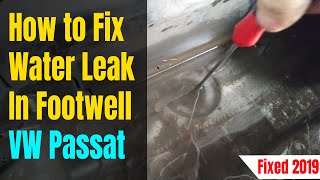
As of early 2026, there are no specific recalls or widespread Technical Service Bulletins (TSBs) from Lexus that target the fuse boxes or junction blocks on the 1999-2001 IS200 or 2001 IS300. Most issues reported by owners are related to age, wiring shorts, or water intrusion. Water leaks from the windshield cowl or A-pillar area can drip onto the interior junction blocks, causing corrosion and eventual failure.
🎬 See how to fix common footwell water leaksProgramming and Immobilizer Requirements

Does a replacement fuse box need to be programmed?
This is a critical question. The answer is generally no, the junction block itself does not require programming. It is considered a plug-and-play component. However, the interior junction blocks are directly connected to the Body ECU and the main Engine Control Unit (ECU), which are part of the vehicle's immobilizer (anti-theft) system.
- If you are only swapping the plastic fuse block or a simple relay, no programming is needed.
- If you are replacing an entire interior junction block assembly, it should not require programming as long as your original main ECU and keys are still in use.
- If your diagnostic process determines the integrated Body ECU or the main engine ECU is the actual point of failure, the replacement ECU will need to be programmed to your vehicle's keys by a dealer or a specialized locksmith.
Pro Tip: Before condemning the entire junction block, carefully check all related fuses, especially the 'DOME', 'ECU-B', and 'MPX-B' fuses, as a simple blown fuse can cause many of the symptoms of a failed Body ECU.
Buying a Used Fuse Box or Junction Block
Given the high cost of new OEM parts, a quality used junction block is an excellent value. However, careful inspection is key to avoiding a bad part.
Inspection Checklist:
- Match Part Numbers Exactly: This is the most important step. The part number is printed on a sticker on the side of the block. Ensure the replacement part number (e.g., 82731-53020 for LH, 82733-53021 for RH) matches your original part perfectly.
- Inspect for Corrosion: Look closely at all the metal pins and fuse sockets. Avoid any unit with signs of green or white powder, rust, or water stains. This indicates past water damage and the part is likely to fail.
- Check for Melted Plastic: Examine the areas around the high-amperage fuse slots and relay sockets. Any melted or discolored plastic is a major red flag indicating a past short circuit or severe overload.
- Ensure All Connectors are Intact: Check that none of the plastic connector housings on the back of the block are cracked, broken, or have broken locking tabs.
- Buy from a Reputable Source: Purchase from a seller that offers a warranty and has good reviews. This gives you recourse if the part is dead on arrival.
Replacement Cost Comparison
Prices can vary based on condition and availability. Labor for a simple swap is typically 1-2 hours.
| Part Type | Estimated Cost |
|---|---|
| New OEM Junction Block | $350 - $600+ |
| New Aftermarket | Not commonly available |
| Used OEM Junction Block | $45 - $150 |
| Shop Labor | $150 - $300 |
Frequently Asked Questions (FAQ)
What's the difference between the driver's side and passenger's side fuse box?
They are completely different parts, known as the LH (Left Hand) and RH (Right Hand) Cowl Side Junction Blocks. They control different sets of circuits and have unique part numbers. They cannot be used in place of one another.
Will my car start if the fuse box is bad?
It depends on which fuse box and the nature of the failure. A fault in the engine bay fuse box affecting the EFI or starter relay can prevent the car from starting. A fault in an interior junction block might not prevent the car from starting but could disable security features or cause other electrical systems to fail.
Do I need a dealer to replace my fuse box?
No, a DIY mechanic or independent shop can replace the junction block itself as it does not require programming. However, if the root cause is the main engine ECU, a trip to the dealer or a specialist with the correct tools for key programming will be necessary.
Can water damage cause the fuse box to fail?
Yes, absolutely. Water intrusion is a common cause of failure for the interior junction blocks. A leak from a bad windshield seal or clogged cowl drain can allow water to drip onto the electronics, causing short circuits and corrosion over time.
Helpful Videos
Technical Specifications
OEM Part Numbers: 82731-53020 (Block, Cowl Side Junction, LH) 82731-53021 (Block, Cowl Side Junction, LH) 82733-53021 (Block, Cowl Side Junction, RH) 82733-53022 (Block, Cowl Side Junction, RH)
The vehicle utilizes three fuse/relay centers: one Engine Room Relay Block and two interior Cowl Side Junction Blocks (LH and RH). The interior blocks integrate Body ECU functions.
We Have This Part in Stock

The information in this article is provided for general reference and educational purposes only. Vehicle specifications, procedures, and part compatibility can vary by production date, trim level, and region. Always consult your vehicle's factory service manual and verify part numbers before purchasing or performing repairs. Safety-critical components such as airbags, seat belts, and braking systems should be installed by a qualified professional.
- Lexus IS300:
- Lexus IS200:
- 🎬 Helpful Videos
- 🛍️ Shop This Part
- Diagnosing Fuse Box and Junction Block Failures in Your Lexus IS
- Fuse Box and Junction Block Locations
- Symptoms of a Failing Fuse Box or Junction Block
- Known Issues, TSBs, and Recalls
- Programming and Immobilizer Requirements
- Does a replacement fuse box need to be programmed?
- Buying a Used Fuse Box or Junction Block
- Inspection Checklist:
- Replacement Cost Comparison
- Frequently Asked Questions (FAQ)
- 🎟️ Get 5% Off