

2001-2002 Millenia, Eunos 800 & Xedos 9 Fuse Box: Solving Intermittent Electrical Gremlins
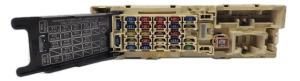
This guide covers the common failures, symptoms, and replacement of the engine bay fuse box for the 2.5L V6 Mazda Millenia, Eunos 800, and Xedos 9.
- This fuse box is only for 2001-2002 models with the 2.5L V6 engine; it will NOT fit the 2.3L Miller Cycle engine.
- The most common failure is corrosion on the underside terminals, leading to overheating and melting.
- No programming or dealer visit is required for installation; it is a direct-fit, plug-and-play part.
- A quality used OEM unit is the most cost-effective and practical replacement, as new parts are rare and aftermarket versions are unavailable.
Symptoms of a Failing Fuse Box
A failing engine bay fuse box on the 2001-2002 Mazda Millenia, Eunos 800, or Xedos 9 can be difficult to diagnose because its symptoms often mimic other problems. Since it controls so many different components, a single fault in the box can create multiple, seemingly unrelated issues. Owners often report:
- Intermittent No-Start or Stalling: The engine may crank but fail to start, or it may stall unexpectedly while driving. This can be caused by a faulty integrated fuel pump relay or a poor connection to the main ECU power supply within the box.
- Multiple Electrical Systems Failing at Once: You might notice that the power windows, radio, and interior lights all stop working simultaneously. This points to a failure of a main power feed or ground within the fuse box assembly.
- Flickering Headlights or Dimming Lights: Unstable power distribution due to corrosion or a bad connection can cause lights to flicker or dim, especially when other accessories are turned on.
- A Burning Plastic Smell or Visible Melting: The most definitive sign is physical damage. A strong burning odor from the engine bay, or visible melting and charring on the underside of the fuse box, indicates a severe failure. This is often caused by a corroded connection creating high resistance and extreme heat.
Known Issues and Common Failure Modes
The primary enemy of this fuse box is corrosion. Over time, moisture can find its way into the engine bay and settle on the electrical connections. The most common failure point is on the underside of the fuse box, where the main power cables from the battery and alternator are bolted on. Corrosion at these high-amperage terminals creates resistance, which in turn generates heat. This heat can melt the plastic housing, damage internal connections, and lead to catastrophic failure of the box.
While there are no official recalls or widespread Technical Service Bulletins (TSBs) from Mazda for this specific issue on the Millenia, owner forums are filled with discussions about these electrical problems. The issue is well-documented among DIY mechanics and enthusiasts.
Compatibility Warning: This fuse box, part number TC86-66-730, is ONLY for models equipped with the 2.5L DOHC V6 engine. It is NOT compatible with the 2.3L Miller Cycle supercharged engine found in the Millenia S models. The Miller Cycle engine uses a different wiring harness and electrical system. Always verify your engine type before purchasing.
Buying a Used Fuse Box: What to Inspect
Since new OEM parts are largely unavailable or prohibitively expensive and aftermarket replacements do not exist, a quality used OEM fuse box is the most practical solution. Here’s what to look for when buying a used unit:
- Inspect the Underside: This is the most critical step. Ask for clear photos of the bottom of the box where the large wires bolt on. Look for any signs of melting, charring, black or brown discoloration, or white/green corrosion on the terminals. A clean, undamaged underside is a sign of a healthy part.
- Check the Part Number: Verify the OEM part number is TC86-66-730 to ensure compatibility with your 2001-2002 2.5L V6 model.
- Examine the Housing: Look for any cracks, broken mounting tabs, or damage to the plastic housing and lid. The lid is essential for protecting the fuses and relays from moisture and debris.
- Look at the Relays and Fuses: While most fuses are standard and easily replaced, check that the integrated relays appear to be in good condition with no signs of overheating.
Replacement and Programming Information
Good news for DIY mechanics: this part is relatively straightforward to replace and does not require any special programming.
Pro Tip: This fuse box is considered a "plug-and-play" component. It does not need to be programmed, flashed, or coded to your vehicle's VIN. It has no connection to the anti-theft or immobilizer system, so you will not need a dealer visit after installation.
🎬 Watch: How to reset your Mazda's computer after repairsReplacement involves these general steps:
- Disconnect the battery. This is a critical safety step.
- Remove the fuse box cover.
- Unbolt the main power connections on the side or underside of the box.
- Carefully unplug the large electrical connectors. They have locking tabs that must be depressed.
- Unbolt the fuse box from its mounting bracket and remove it from the vehicle.
- Installation is the reverse of removal. Be sure to clean the main wire terminals before reattaching them to the new fuse box to ensure a good connection.
Cost of Replacement
| Part Type | Estimated Cost |
|---|---|
| New OEM | $500+ (if available, likely discontinued) |
| New Aftermarket | Not Available |
| Used OEM | $75 - $200 |
| Shop Labor | $120 - $225 (1.0-1.5 hours) |
Frequently Asked Questions (FAQ)
Does the TC86-66-730 fuse box need to be programmed after installation?
No. This is a non-intelligent power distribution module. It does not contain a microprocessor and does not need to be programmed or flashed. It will not affect your vehicle's immobilizer system.
Will replacing the fuse box fix my car's stalling problem?
It might. If the stalling is caused by an intermittent loss of power to the fuel pump or engine computer due to a fault within the fuse box, then replacement will solve the issue. Before buying a new part, inspect the underside of your current fuse box for signs of melting or corrosion, as this is a strong indicator of failure.
What is the difference between the interior fuse panel and this engine bay fuse box?
The interior fuse panel, usually located in the driver's side footwell, handles lower-power interior circuits like the radio, dome lights, and power outlets. The engine bay fuse box (part TC86-66-730) is the main power distribution center, handling high-power components essential for the car to run, such as the fuel pump, cooling fans, and main engine relays.
Can I just replace a single bad relay inside the fuse box?
In most cases, no. While some relays may be standard plug-in types, many of the critical relays (like the main and fuel pump relays) are soldered directly to the internal circuit board of the fuse box. Desoldering and replacing them is difficult and often unreliable. For this reason, the entire fuse box assembly is typically replaced as a single unit.
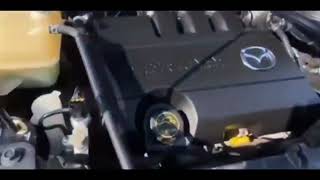
Helpful Videos
Technical Specifications
OEM Part Numbers: TC86-66-730
Engine Compartment Power Distribution Center for 2.5L V6 models.
We Have This Part in Stock

The information in this article is provided for general reference and educational purposes only. Vehicle specifications, procedures, and part compatibility can vary by production date, trim level, and region. Always consult your vehicle's factory service manual and verify part numbers before purchasing or performing repairs. Safety-critical components such as airbags, seat belts, and braking systems should be installed by a qualified professional.
- Mazda Eunos 800:
- Mazda Millenia:
- Mazda Xedos 9: