

2010-2013 Mazda 3 Fuse Box (BCM): Programming, Failures, and Replacement Guide
This guide explains why your Mazda 3's interior fuse box is more than just fuses and why a replacement requires special programming.
- This part is the Body Control Module (BCM), not just a fuse panel. It is a computer that runs the car's body electronics.
- A replacement BCM, whether new or used, MUST be programmed to your vehicle's VIN by a dealer or qualified specialist.
- Part number matching is critical. Using a BCM with a different part number will lead to system failures.
- Symptoms of failure are often widespread and confusing, such as multiple electrical systems failing at once and parasitic battery drain.
Symptoms of a Failing 2010-2013 Mazda 3 BCM

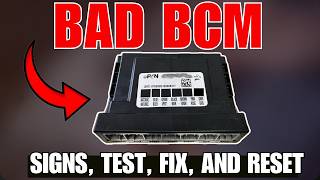
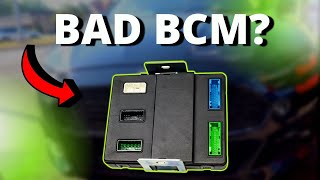
A failing Body Control Module (BCM) can cause some of the most confusing and frustrating electrical issues. Because it controls so many different systems, symptoms can appear random and unrelated. 🎬 Watch: How to test and reset a bad BCM Here are the most common signs that your Mazda 3's BCM is failing:
- Multiple Electrical Systems Malfunctioning: The most common symptom is when several unrelated electrical items act up at once. For example, your power windows might stop working at the same time your turn signals behave erratically, or the radio and interior lights fail simultaneously.
- Erratic or Non-Functional Lights: Headlights, taillights, or interior lights may flicker, stay on continuously, or not turn on at all. You might turn on a turn signal and have the high beams flash instead.
- Power Lock and Window Problems: Doors may lock or unlock on their own, or fail to respond to the switch or key fob. Windows may not roll up or down.
- Parasitic Battery Drain: A faulty BCM can fail to shut down a circuit completely when the car is off, leading to a parasitic draw that drains your battery overnight. If you repeatedly find your battery dead for no apparent reason, a bad BCM could be the culprit.
- Vehicle Won't Start: The BCM is tied into the vehicle's immobilizer and security system. A critical failure can prevent the BCM from recognizing your key's transponder chip, resulting in a crank-no-start condition. The security light on the dashboard may also stay illuminated.
- Random Warning Lights: The BCM communicates with other modules in the car. A failure can cause it to send bad data, triggering various warning lights on the instrument cluster like ABS, traction control, or airbag lights, even if those systems are mechanically fine.
- Communication Error Codes: A professional scan tool may show 'U' codes, such as U0140 (Lost Communication With Body Control Module), indicating a network issue. This is a strong sign that the BCM itself is the problem.
Known Issues, Recalls, and Technical Service Bulletins (TSBs)

While the BCM itself has not been the subject of a major recall for this generation, it's important to be aware of related electrical issues.
- NHTSA Recall 09V126000 (Mazda Recall 5409D): This recall was issued for certain 2010 Mazda 3 vehicles. It addresses an issue where the engine wiring harness could rub against the starter motor housing, potentially causing a short circuit. In a worst-case scenario, this could blow the main fuse, causing the engine to stall. While not a direct BCM failure, the resulting electrical chaos can mimic BCM symptoms. Dealers were instructed to inspect the harness and install a protective clip.
- TSB 01-005/13: For 2010-2013 models, this TSB addresses a "cranks but no start" condition in cold weather with no diagnostic trouble codes stored. This was caused by improper PCM logic, not the BCM, but is a relevant electrical starting issue for these vehicles. The fix was a PCM software update.
- TSB 04-002-13: Affecting 2010-2011 models, this bulletin notes that the ABS warning light may illuminate in areas with high temperature and humidity. This points to potential sensitivities in the vehicle's electronic modules.
- Water Intrusion: Though not covered by a specific TSB for this part, water leaks from a compromised cowl seal or windshield seal are a common cause of BCM failure in many vehicles. Water can drip onto the BCM/fuse box, causing corrosion and short circuits.
Important: Before condemning the BCM, always check for blown fuses and ensure the battery and alternator are in good condition. A weak battery can cause many strange electrical issues that mimic BCM failure.
Buying a Used Fuse Box (BCM)

Purchasing a used BCM is a great way to save money, but it requires careful attention to detail to avoid creating bigger problems. This is not a simple plug-and-play part.
- Match the Part Number EXACTLY: This is the most critical step. Mazda produced several BCM versions for the 2010-2013 Mazda 3, corresponding to different trim levels, engine types, and options (like anti-theft systems). The part number is printed on a sticker on the unit. You must match the number from your original BCM to the used one. Part numbers like BBM4-67-560J are common. Do not rely on visual appearance alone.
- Physical Inspection: Before buying, thoroughly inspect the used BCM. Look for any signs of water damage, which appears as white or green crusty corrosion on the pins and connectors. Check for any melted plastic or burn marks around the fuse sockets or on the casing, which indicates a past short circuit.
- Understand Programming is REQUIRED: A used BCM will not work correctly just by plugging it in. It must be professionally programmed to your car's specific Vehicle Identification Number (VIN) and configuration. Failure to do so will result in features not working and, most importantly, the car will not start due to the immobilizer mismatch.
- Plan for Programming Costs: Factor the cost of programming into your budget. This service must be performed by a Mazda dealership or a well-equipped independent mechanic or automotive locksmith who has the specific Mazda diagnostic software (M-MDS or equivalent) and a subscription to the Mazda service portal. This is not a DIY-friendly task.
Pro Tip: When you find a qualified technician to do the programming, ask if they can perform a "module configuration" or "programmable module installation" (PMI). If your old BCM is still partially functional, they may be able to copy its configuration data and write it to the replacement unit. If not, they will need to program it from scratch using your car's VIN and "as-built" data from Mazda.
Cost Comparison
| Part Type | Estimated Cost |
|---|---|
| New OEM | $550 - $700 |
| Used OEM | $50 - $150 |
| Shop Labor (Installation) | $115 - $170 |
| Shop Labor (Programming) | $100 - $200 |
Frequently Asked Questions
Do I have to take my car to the dealer to program a new BCM?
Not necessarily, but it is often the most reliable option. Some advanced independent auto repair shops and automotive locksmiths have the expensive equipment (like the official Mazda M-MDS) and software subscriptions required to program a BCM. However, many shops do not. Always call ahead and confirm they can specifically program a replacement Mazda BCM for your year and model before having the work done.
Can I drive my car with a bad BCM?
It is not recommended. If the BCM is failing, critical systems like headlights, turn signals, or wipers could fail unexpectedly. More seriously, if the BCM has an internal short, it could cause a fire. If the failure is related to the immobilizer, the car may leave you stranded without warning.
Will a BCM from a Mazdaspeed3 work in my regular Mazda 3?
No, you must use a BCM with the exact same part number as your original unit. Different models and trim levels have different features and wiring, and the BCM is programmed specifically for them. Using an incompatible module will cause system failures and prevent the car from starting.
What's the difference between the interior fuse box (BCM) and the one in the engine bay?
The interior fuse box is the Body Control Module (BCM), a computer that controls body electronics. The fuse box in the engine bay is a simpler power distribution center, primarily housing high-amperage fuses and relays for components like the starter, cooling fans, and the ECU. The engine bay fuse box does not typically require programming.
Helpful Videos
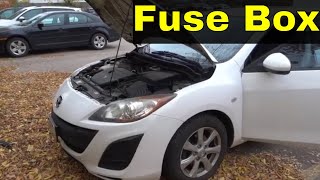
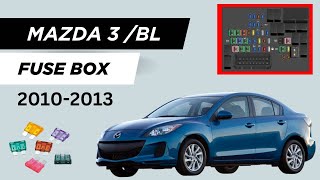
Technical Specifications
OEM Part Numbers: BBM3-67-560J BBM4-67-560J BBM5-66-760B BBM5-67-560J BBM7-67-560 BGV7-67-560A BBM4-67-560C BBM4-67-560H
Location: Driver's side of the dashboard, behind a removable panel. Also referred to as the Junction Box or Fuse Block.
We Have This Part in Stock
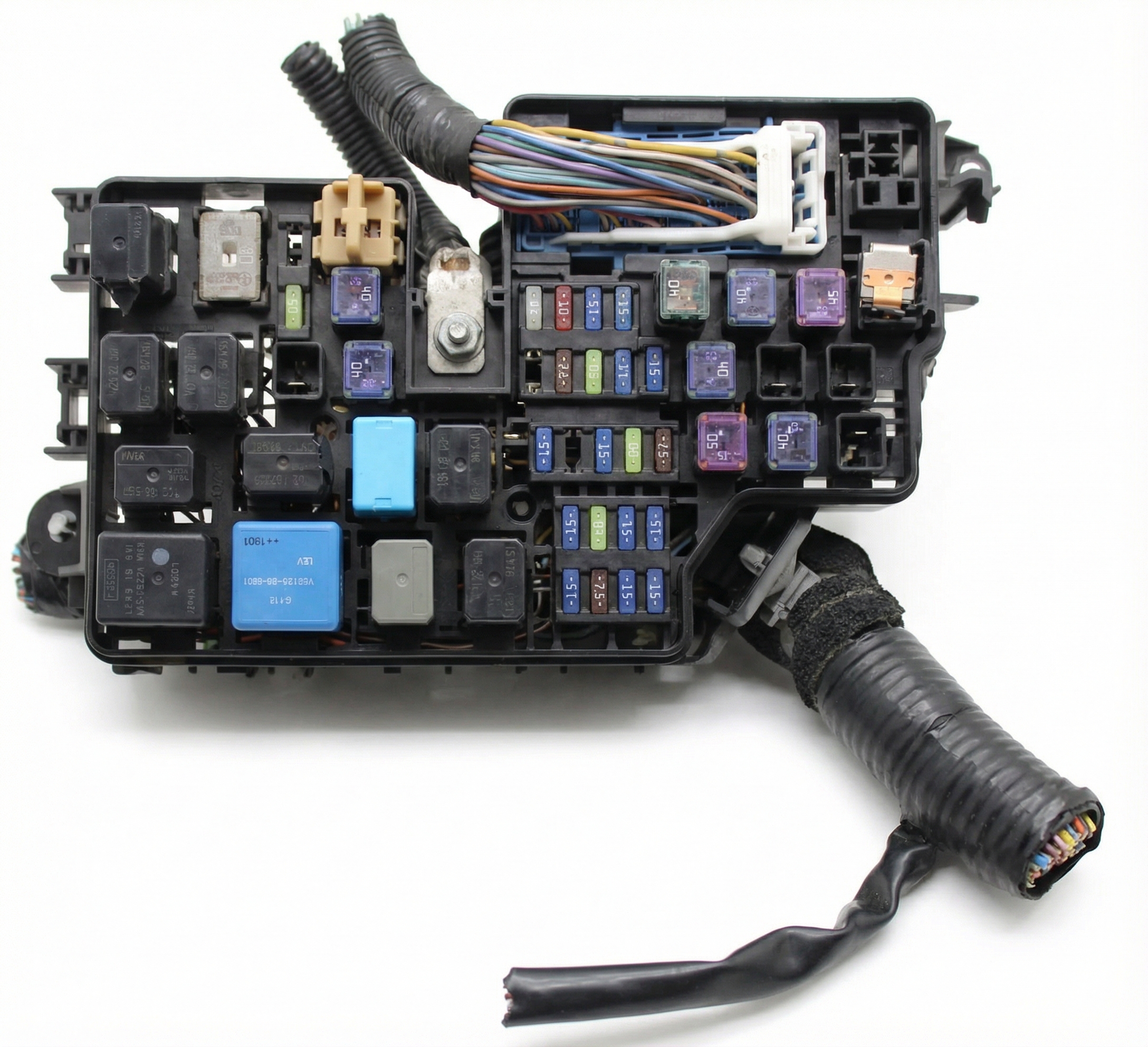
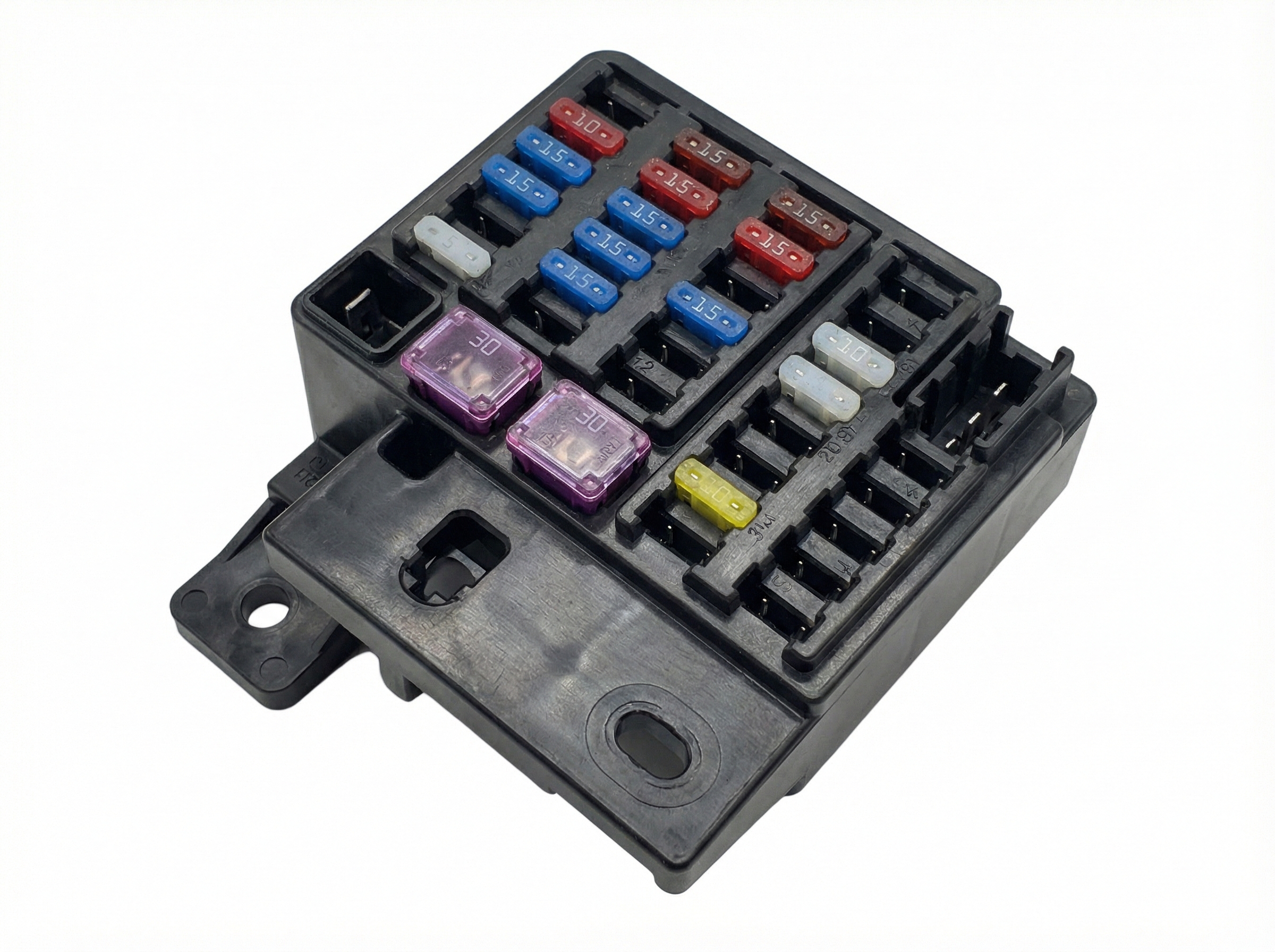

The information in this article is provided for general reference and educational purposes only. Vehicle specifications, procedures, and part compatibility can vary by production date, trim level, and region. Always consult your vehicle's factory service manual and verify part numbers before purchasing or performing repairs. Safety-critical components such as airbags, seat belts, and braking systems should be installed by a qualified professional.
- Mazda MAZDA3: